 Free shipping on orders over £29,85
  Shipping Tracking!


 Google
 Facebook
← Back to How do you colour silicone rubber?
Colouring silicone rubber allows you to customise your moulds or finished casts, whether you prefer a see-through effect or a bold, solid tint. Achieving either a translucent or an opaque result depends on how you use pigments within your silicone mixture.
Understanding Pigment Loading
The opacity or translucency of your silicone rubber is controlled by the amount of pigment you add. Using a small quantity of pigment will result in a translucent effect where light can pass through, giving your work a subtle glow. In contrast, adding more pigment increases the saturation and opacity, creating a rich, solid colour that blocks light.
- Start with a very small amount of pigment for translucent effects.
- Increase pigment incrementally for a more opaque finish.
Always mix thoroughly to ensure even colouring throughout your silicone batch.
Practical Steps for Colouring Silicone
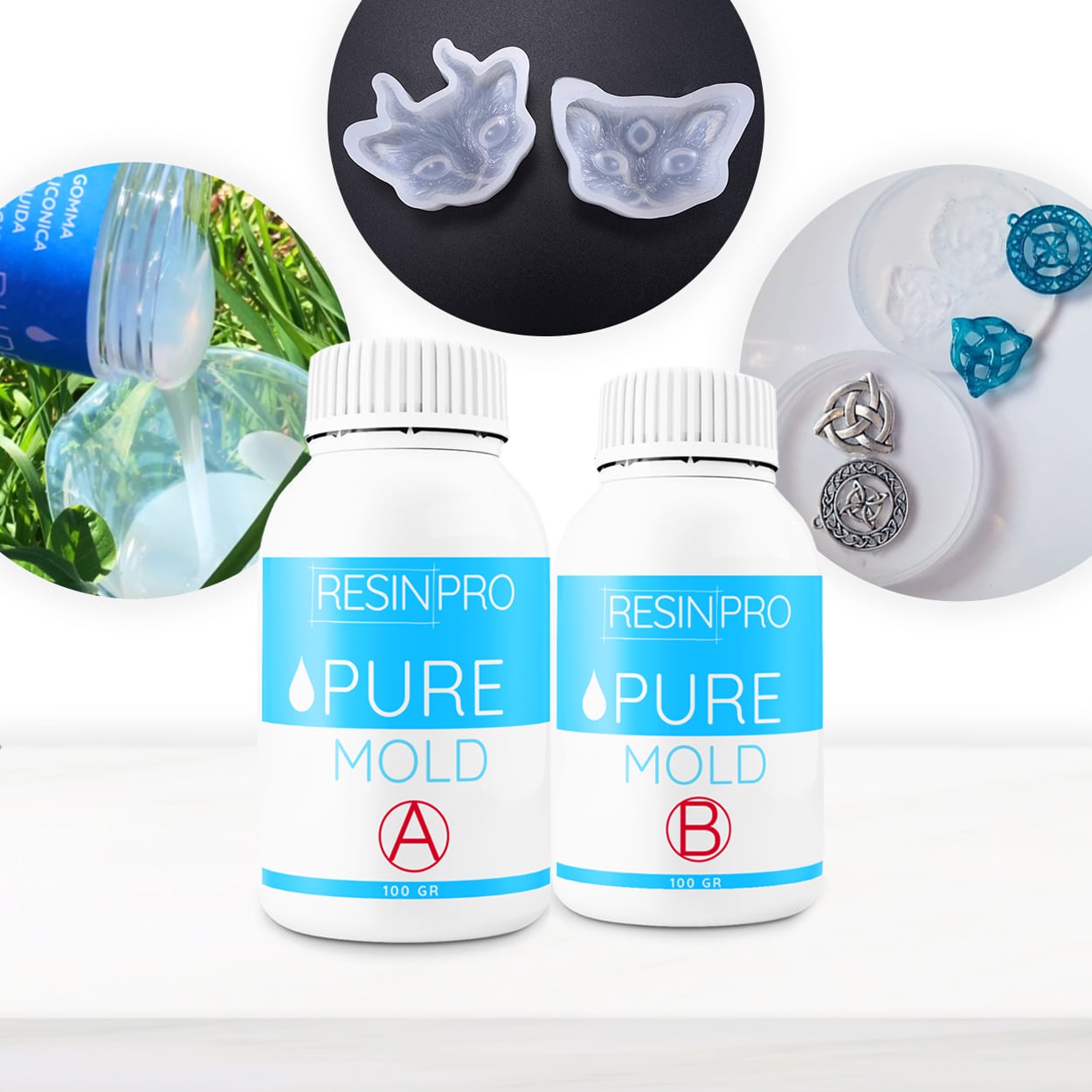
Before committing to a large project, mix a small test batch to see how your chosen pigment level affects transparency. Some silicone rubbers, such as “Pure Mould” – Translucent Liquid Silicone Rubber for Mould Making, start with a naturally translucent base, making them ideal for experimenting with different pigment concentrations.
- Wear gloves when handling pigments.
- Add pigment before introducing activators or catalysts.
- Record your pigment ratios for future reference.
When Does Choosing Translucent or Opaque Matter?
If your project requires viewing through the mould, such as when checking resin cast progress or positioning objects, a translucent silicone is helpful. Opaque colours are best when you want to fully conceal what’s inside or match a specific design aesthetic.
Related products
Related guides
Whether you’re after a frosted glow or a vivid, solid finish, the approach to colouring silicone rubber is simple with the right products. For more guidance and supplies, return to the main guide on how to colour silicone rubber.