 Free shipping on orders over £29,85
  Shipping Tracking!


 Google
 Facebook
How to colour polyester resin?
Step-by-step instructions for vibrant, custom-coloured resin pieces

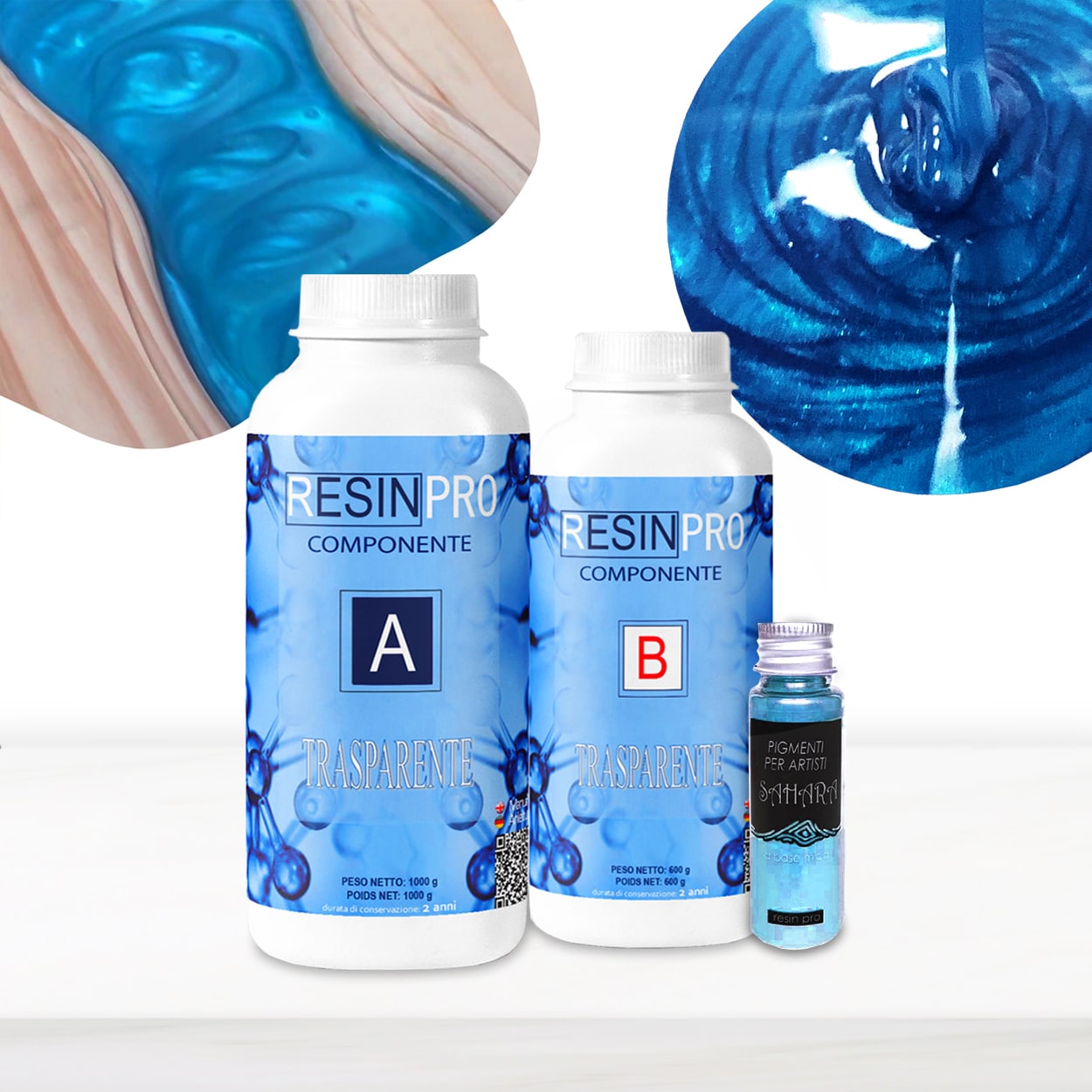
Adding colour to polyester resin unlocks creative possibilities, whether you are making jewellery, casting decorative objects, or embellishing surfaces. In this guide, you’ll learn techniques for safely and effectively colouring polyester resin, ensuring vibrant, consistent results across any project.
What You’ll Need
- Phosphorescent Pigment – Glow-in-the-Dark Additive for Resin, Paint, and Varnish (for glow effects or accent details)
- Metallic Pearl Glitter for Crafts and DIY, 10g (for shimmering, sparkly finishes)
- Polyester resin and hardener (as recommended by your supplier)
- PPE: gloves, safety glasses, and a well-ventilated workspace
- Mixing containers and stir sticks
- Disposable pipettes or measuring syringes (for precise pigment measurement)

Inspiration: Coloured Resin Project Gallery
Explore creative uses of resin pigments and glitters in a range of custom projects, from glowing key rings to shimmering decorative plaques. Notice the variety of effects you can achieve – from vibrant hues to subtle metallic sparkles – by simply altering how you colour your polyester resin and combine different additives.

Step 1: Plan Your Colour Effect and Workspace
Before you start, decide on the desired effect for your project—opaque, transparent, metallic, or glow-in-the-dark. Choose a designated workspace with good ventilation, as polyester resin can release harmful fumes. Protect surfaces with disposable coverings and gather all materials in advance.
Consider wearing protective gloves, eyewear, and a mask to minimise exposure to chemicals. Have all pigments and additives prepared in small containers for easy access during the mixing process.
Step 2: Mix Pigment into Resin Before Adding Hardener
Carefully measure the amount of resin you need for your project. Always mix pigment into the resin before adding the hardener. This ensures that the pigment disperses thoroughly without interfering with the curing process.
Begin by adding a small amount of pigment or glitter to the resin. Use gentle, consistent stirring motions, scraping the sides and bottom of your mixing vessel to incorporate the pigment evenly. If you’re using a product such as Phosphorescent Pigment – Glow-in-the-Dark Additive for Resin, Paint, and Varnish, add it gradually until you reach the desired intensity of colour or effect.
Step 3: Perform a Small Test Batch
Pigments can affect resin viscosity and curing, so it’s best to make a test batch. Pour a small amount of your coloured resin mixture into a disposable cup or mould. Allow it to cure as a sample to confirm the effect and appearance. Test your chosen pigment with a small batch first.
This test helps you evaluate pigment concentration, prevents unwanted surprises, and ensures compatibility between the pigment and polyester resin. Adjust pigment levels if the colour is too opaque, subtle, or uneven.
Step 4: Adjust Colour and Mix Thoroughly
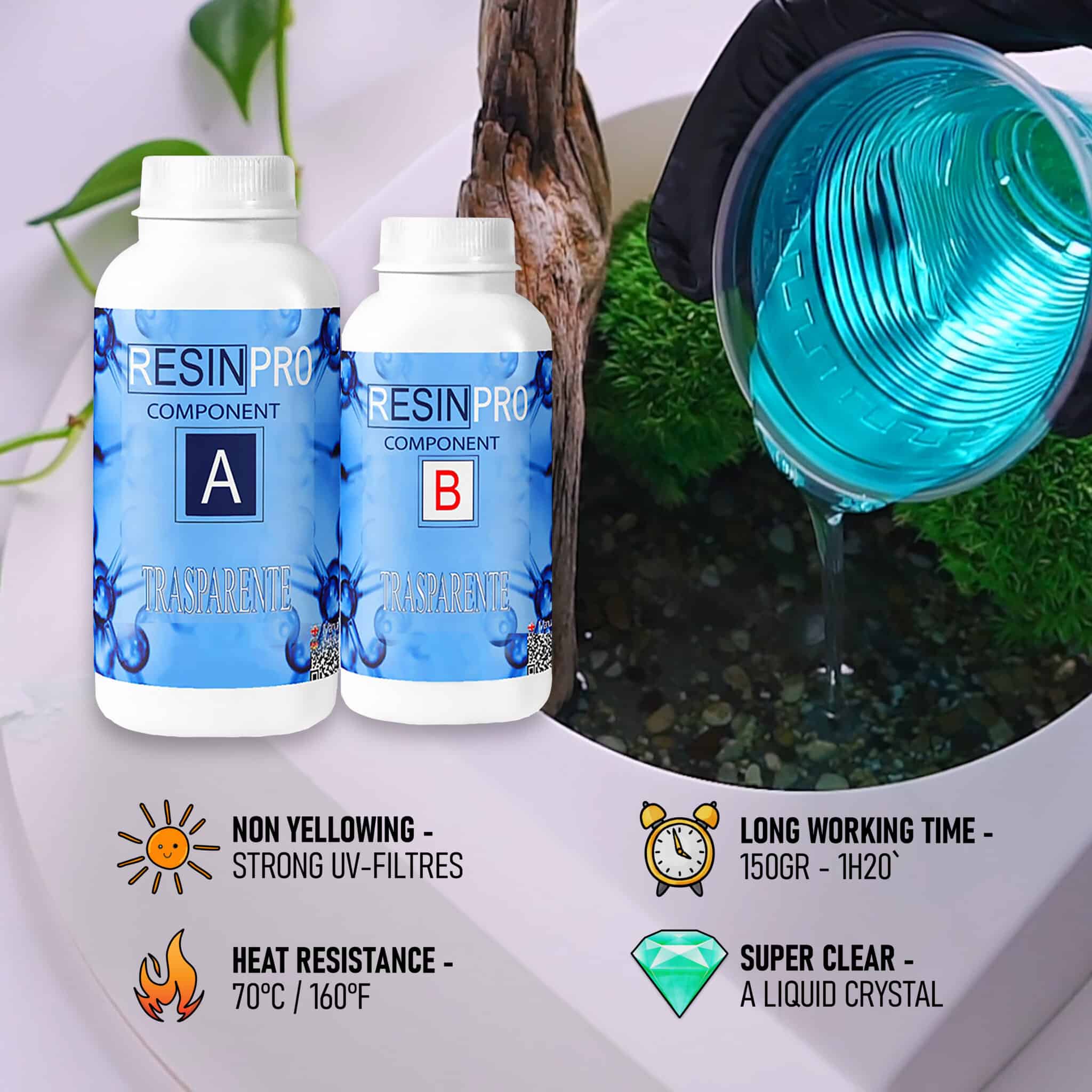
If your test piece matches your expectation, repeat the mixing method with your full batch. If necessary, incrementally increase pigment or glitter, blending after each addition. Too much pigment can affect curing. For subtle shimmer, blend a small quantity of Metallic Pearl Glitter for Crafts and DIY, 10g into your resin for a radiant effect.
Mix slowly to avoid trapping excess air in the resin. Bubbles in coloured resin can mar the final finish, so allow any trapped air to rise to the surface and pop before pouring.

Step 5: Combine with Hardener and Pour
Once your pigment and resin mixture is uniform and has the desired colour, add the required amount of hardener as per the manufacturer’s specifications. Mix thoroughly and proceed to pour or cast as your project demands. Ensuring even blending of all components is crucial for both colour uniformity and proper curing.
Work efficiently, as the curing process begins after hardener is introduced. Pour slowly into your prepared mould or onto your intended surface, spreading and levelling as needed.
Tips, Troubleshooting and Common Mistakes
Use lightfast, resin-compatible pigments to prevent colour fading over time. Avoid over-pigmenting, as excess pigment can hinder the curing or weaken the final cast. If bubbles appear, allow the resin to sit briefly after mixing, or gently use a toothpick to remove surface bubbles. Clean tools immediately after use with an appropriate solvent in a well-ventilated area.
Finishing Touches: Show Off Your Results
Share your custom-coloured resin pieces with the ResinPro community online, or keep experimenting with unique additives like phosphorescent pigments and metallic glitter. No two creations are ever quite the same – let your colour choices tell your artistic story!
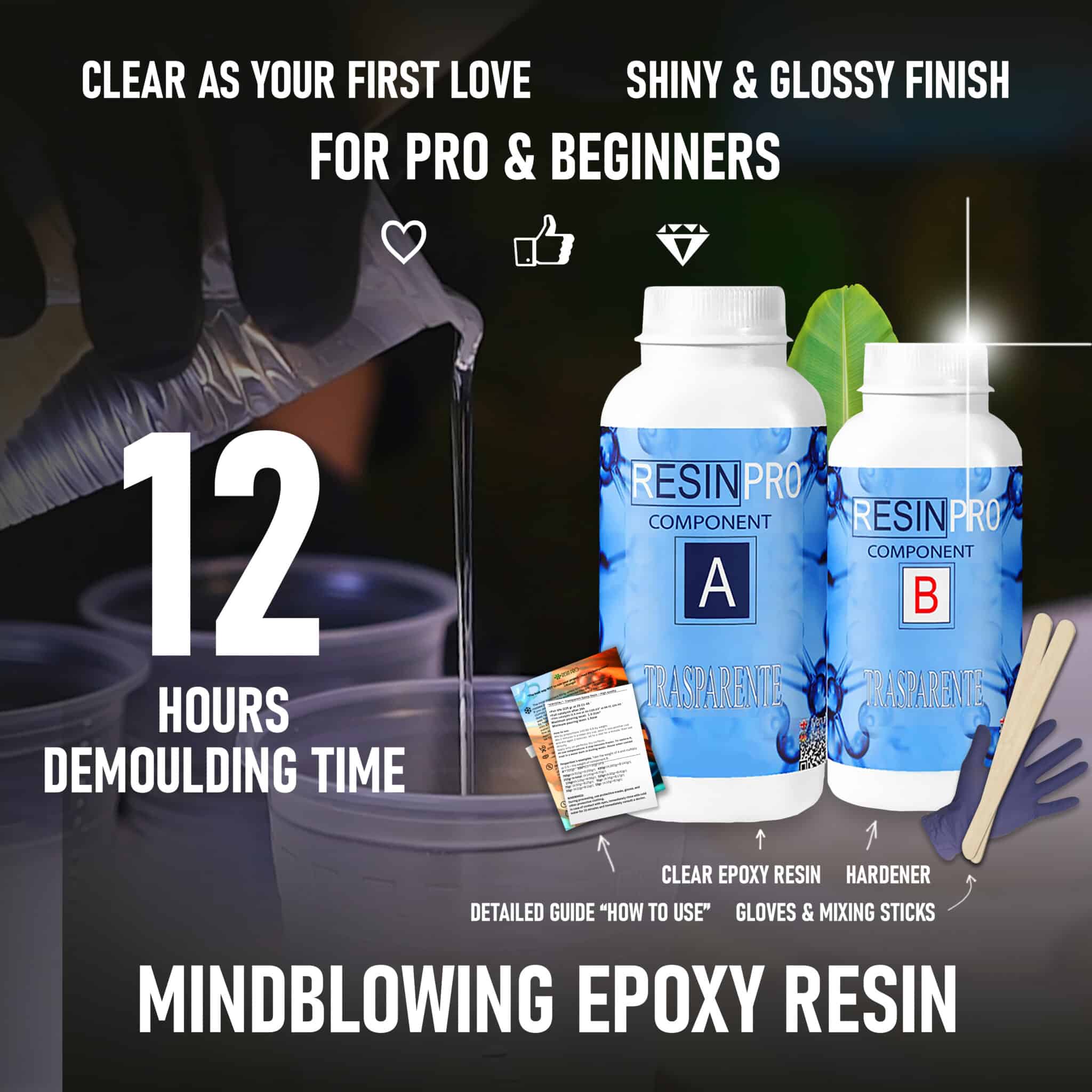
- Phosphorescent Pigment – Glow-in-the-Dark Additive for Resin, Paint, and VarnishPrice range: £7.75 through £12.85Phosphorescent Pigment is designed to add glow-in-the-dark effects to resins, paints, and varnishes for decoration and DIY projects.
- "Trasparente" Epoxy Resin Kit 800g + Mica Powder 10g – 10 Colour Variations£19.85"Trasparente" epoxy resin kit includes pigment powder and is suitable for casting and DIY in projects such as tables and artistic creations.
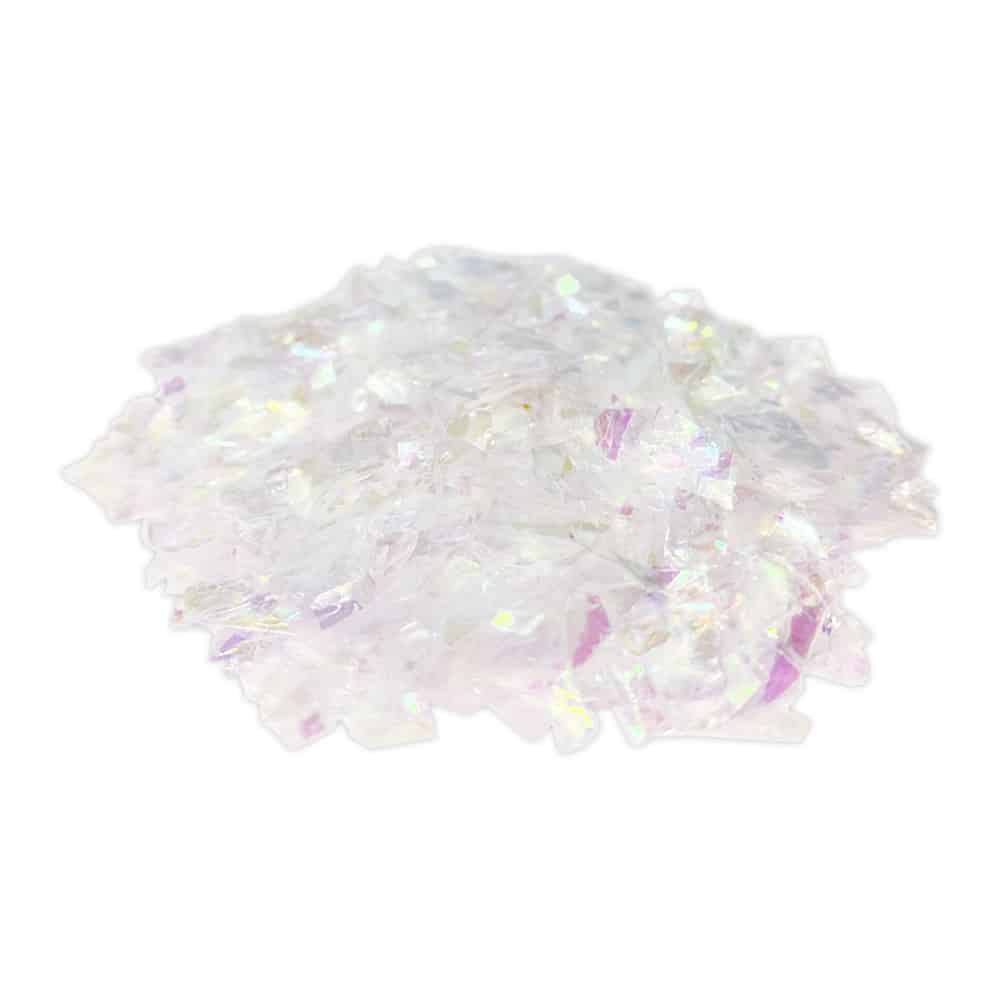 Metallic Pearl Glitter for Crafts and DIY, 10g£2.85Metallic Pearl Glitter adds subtle sparkle to resin projects, suitable for crafts and DIY under the theme of colouring polyester resin.
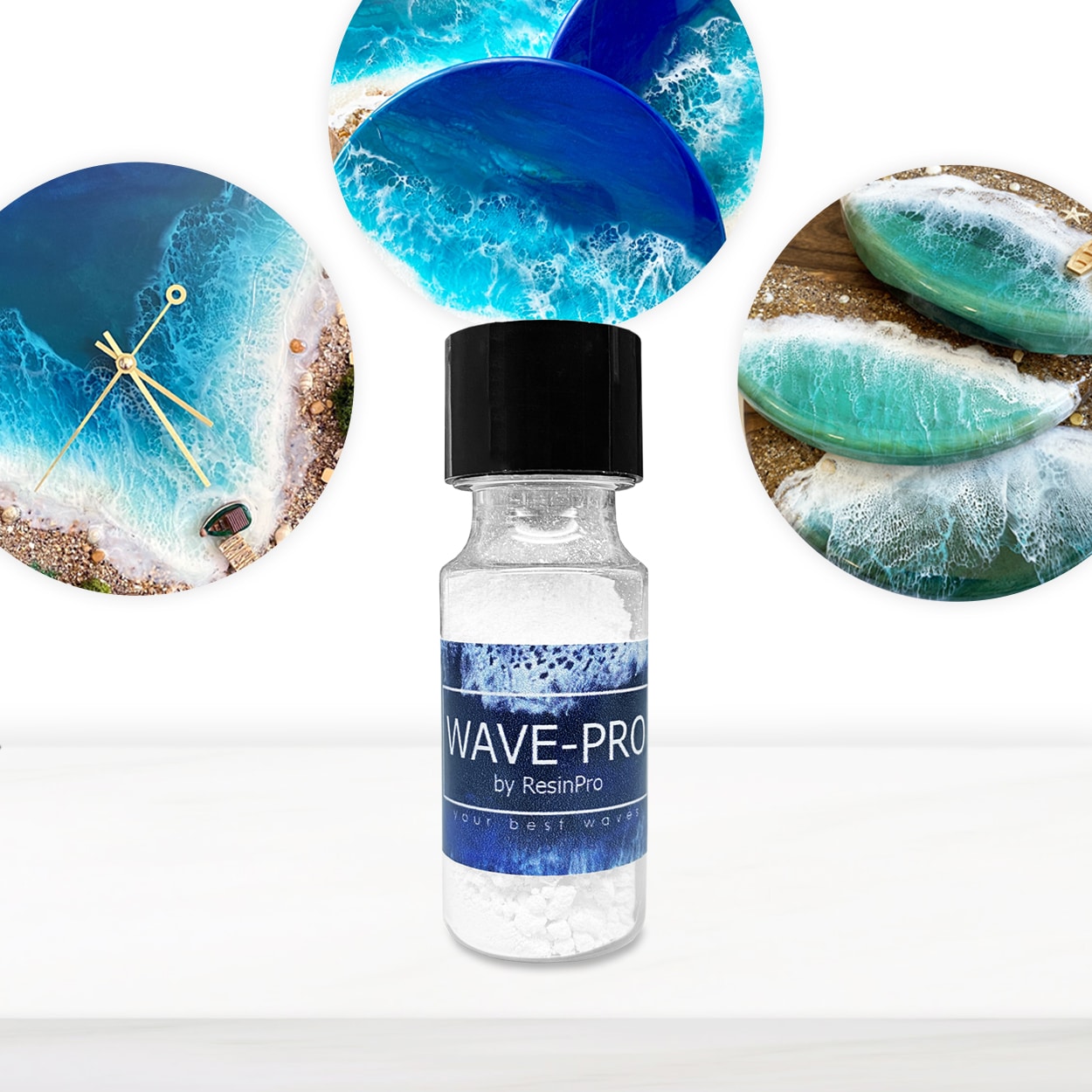 "Wave-Pro" – Pigment Additive for Sea Wave Effect in Epoxy ResinPrice range: £4.15 through £10.85Wave-Pro pigment additive creates lifelike cells and wave patterns in epoxy resin using a safe, non-toxic formula suitable for ocean art.
Frequently Asked Questions
Which pigments work best for colouring polyester resin?
Resin-compatible pigments and glitters specifically labelled for resin use offer the best results and reliable curing.
How much pigment should I use in polyester resin?
Start with a small amount, such as a pinch per 100g of resin, and increase gradually. Too much pigment can inhibit curing.
Can I mix different pigments together?
Yes, you can combine compatible pigments for custom colours and finishes. Always test a small batch first.
Will pigment affect how polyester resin cures?
Excess pigment may slow or prevent proper curing. Mix carefully and follow pigment usage recommendations.
How do I avoid bubbles in coloured resin projects?
Mix slowly, allow the resin to rest so bubbles rise, and pop any remaining bubbles before pouring for a clear finish.
What are the best safety practices for colouring polyester resin?
Wear gloves, work in a ventilated area, and avoid skin and eye contact. Dispose of leftovers responsibly.