 Free shipping on orders over £29,85
  Shipping Tracking!


 Google
 Facebook
← Back to How to create liquid silicone rubber?
Creating flawless silicone moulds often comes down to how well you control air bubbles in your mix. A few practical adjustments can help you achieve smooth, professional-quality results with every pour.
Gentle Mixing for Fewer Bubbles
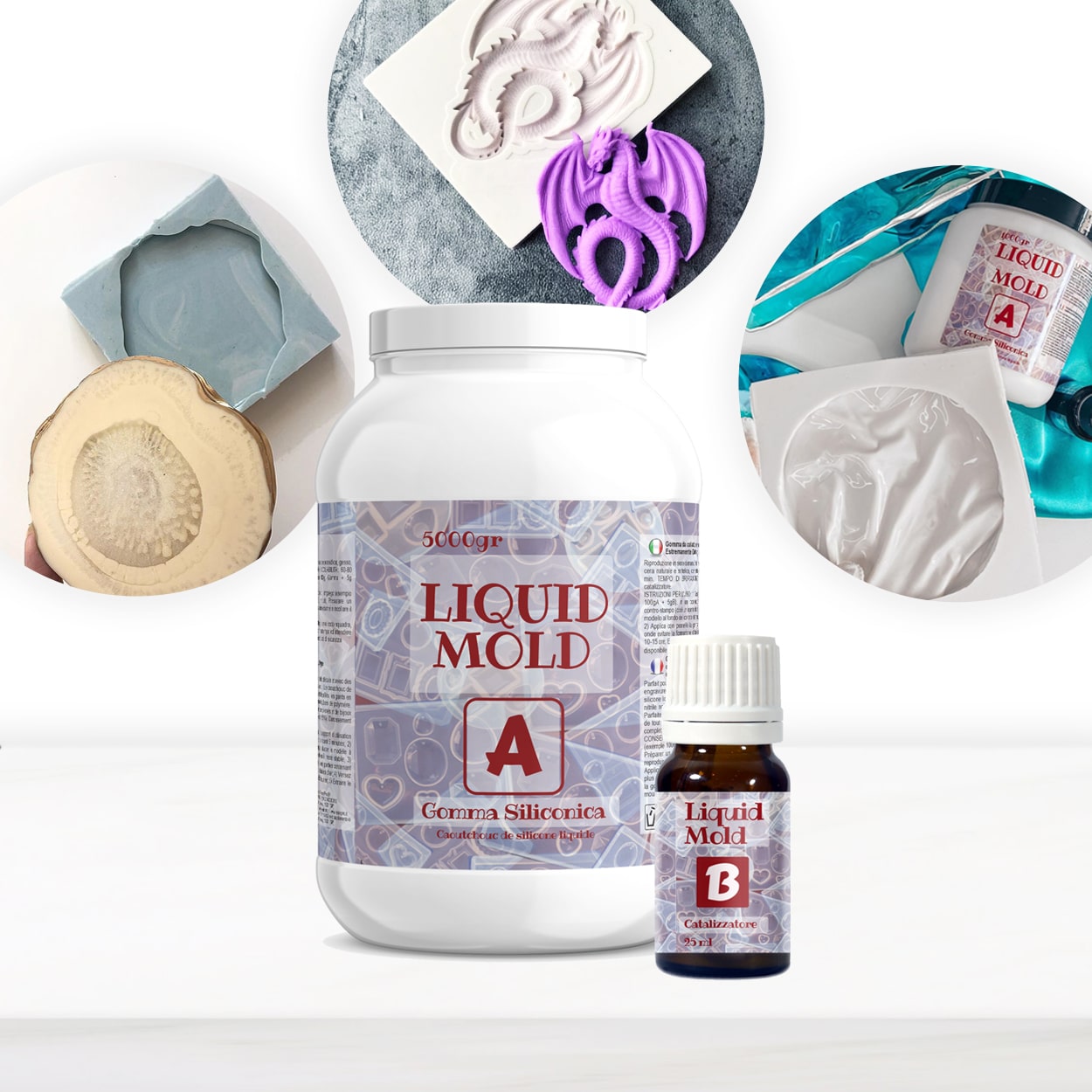
Take your time mixing the silicone and catalyst, using a slow, steady motion. Vigorous stirring introduces unnecessary air and increases the risk of bubbles becoming trapped. Scrape the sides and bottom of your container to ensure a thorough blend, but always keep movements gentle. For added ease, bi-component products like “Liquid Mould” Casting Liquid Silicone Rubber offer excellent flow and detail reproduction—meaning less need for heavy mixing.
Pouring Techniques to Reduce Entrapment
Once mixed, pour the silicone in a thin, narrow stream and from a height above the mould box. The slim stream allows air beneath the flow to escape as it hits the surface and works its way around the object. Start pouring at one corner, allowing the silicone to naturally cover your model and rise evenly. This careful pouring will further reduce bubbles trapped against fine details.
Vacuum and Pressure Solutions for Critical Casts
For moulds demanding exceptional clarity and detail—such as those made with translucent options like “Pure Mould”—using a vacuum chamber or pressure pot is often worthwhile. A vacuum chamber pulls air from the liquid silicone, while a pressure pot compresses bubbles so they are no longer visible in the cured mould. Although not essential for all applications, these tools are highly recommended for professional or highly detailed projects where bubble-free results matter most.
Related products
Related guides
Minimising air bubbles not only improves the look of your silicone moulds but is also key to achieving crisp reproductions. For more on the full mould-making process, see our guide on how to create liquid silicone rubber.