 Free shipping on orders over £29,85
  Shipping Tracking!


 Google
 Facebook
How to create resin floors?
Step-by-step instructions for durable resin flooring projects

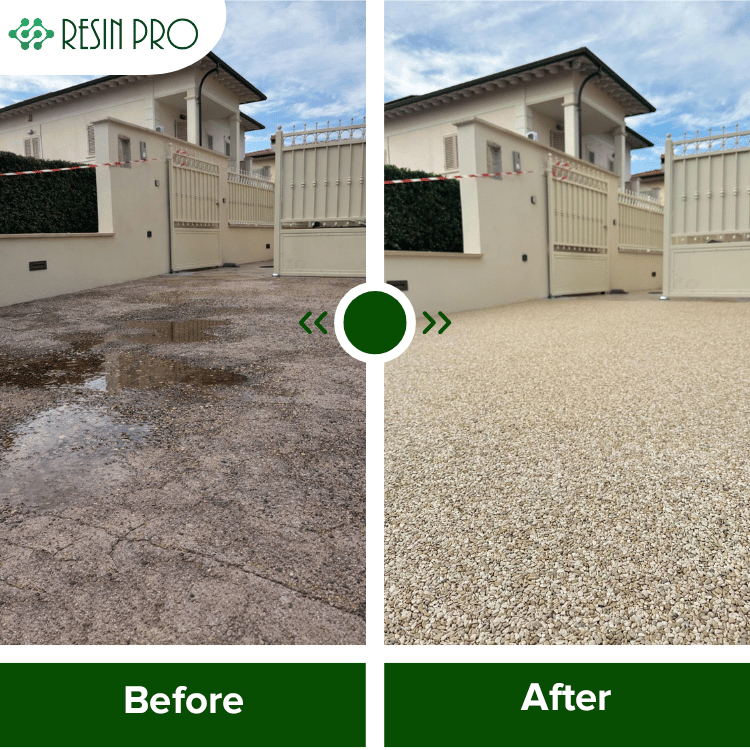
Resin floors offer a seamless, highly durable, and contemporary flooring solution suitable for both indoor and outdoor applications such as driveways, patios, or stylish interiors. This guide takes you through each step of the process, from surface preparation to final finishing, so you can achieve a professional-grade resin floor whether you are a DIY enthusiast or an experienced installer.
What You’ll Need
- “Epoxyprimer” – Universal Water-Based Two-Component Epoxy Floor Primer: For maximising adhesion to concrete, tile, screed or timber substrates.
- “Trasparente” – Epoxy Binder for Coloured Pebbles and Grits: Recommended for use with coloured/dark pebbles or grits when creating decorative resin surfaces.
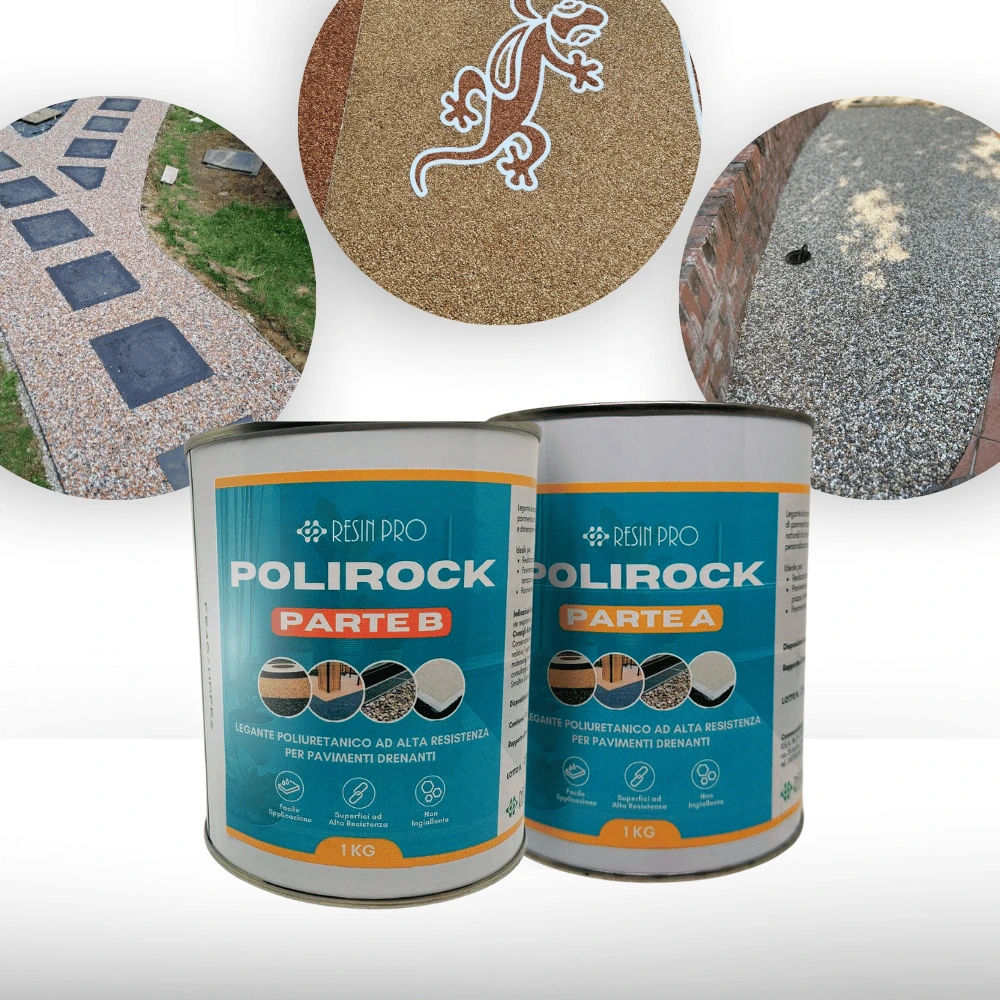
- “Polirock” – Polyurethane Binder for White Stones, 2kg Two-Component Kit: Essential for white or natural stones needing a non-yellowing binder for long-term clarity.
- “Flowstone” – Complete Permeable Floor Kit with Pebbles and Resin: Convenient kit for outdoor permeable pebble finishes including all required components.
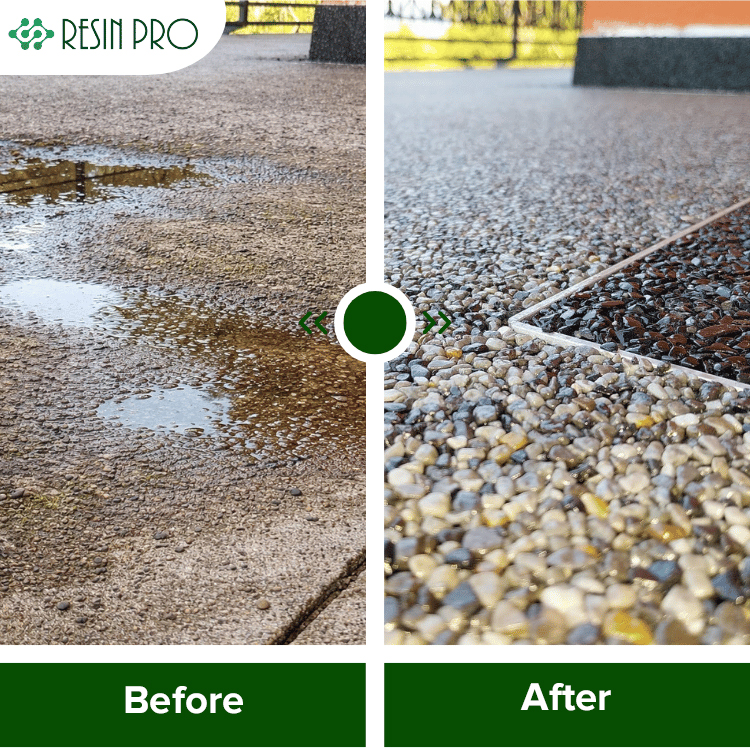
Visual Guide: Preparation and Priming
See examples of substrate cleaning, priming, and the importance of proper surface preparation for resin flooring projects. Preparation is the key to long-lasting results in any resin floor install.
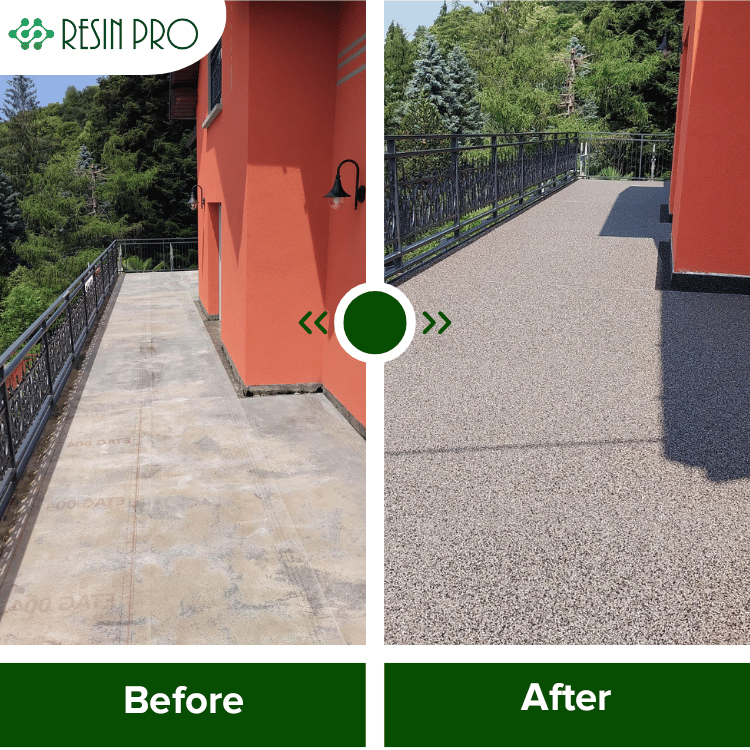
Step 1: Prepare the Surface
A strong, dry, and level substrate is critical for a flawless resin floor. Remove all previous floor coverings and thoroughly clean the base to eliminate dust, oil, or debris. Check for cracks, loose areas, or moisture—repair any defects and allow concrete to fully cure before proceeding. Surfaces such as tiles, screeds, or timber should be checked for movement, as instability may cause future cracking. For external applications, ensure that the area is properly drained and structurally sound to bear the intended load.
Always check substrate stability before applying resin. A poorly prepared base can lead to failures such as bubbling or delamination.
Step 2: Apply the Primer
Priming ensures maximum adhesion between the substrate and resin layer, reducing the risk of peeling or damp ingress. For most subfloors—including concrete, wood, or tiles—use “Epoxyprimer” – Universal Water-Based Two-Component Epoxy Floor Primer. Mix the two components in the correct ratio as directed. Use a roller or brush to apply an even layer, covering the entire surface. Allow 24–48 hours to cure, depending on temperature and ventilation. This crucial step boosts durability and prevents moisture from undermining the floor.
Apply primer and resin only to thoroughly dry and clean surfaces. Any moisture can compromise the result.
Step 3: Mix and Lay the Resin Aggregate System
The resin and aggregate must be combined seamlessly to ensure a permanent, attractive finish. Select your binder based on the stone type: use “Polirock” – Polyurethane Binder for White Stones for clear, non-yellowing results with white/natural stones, or “Trasparente” – Epoxy Binder for Coloured Pebbles and Grits for coloured or dark aggregates. In outdoor drainage applications, an all-in-one kit such as “Flowstone” – Complete Permeable Floor Kit with Pebbles and Resin simplifies the process.
Blend the resin and hardener according to the provided instructions, then add the washed and dried pebbles or grits, mixing thoroughly to coat every stone. Pour the mixture onto the primed surface and distribute evenly using a trowel or screed bar, working in manageable sections. Target the required thickness for intended use: thinner for footpaths, thicker for driveways or car parks.
Maintain correct mixing ratios to avoid curing issues. Incorrect mixes can lead to soft spots, discolouration, or poor bonding.

Step 4: Finish and Cure the Floor
Smooth out any unevenness with a steel trowel, taking care to maintain an even gradient for natural drainage if outdoors. Attention to finishing ensures a non-slip, aesthetically pleasing surface. Avoid walking on or disturbing the floor during the curing period. Most resin floors become touch-dry in 10 hours and fully cured within 24–48 hours, depending on temperature and humidity. For large or complex areas, plan your work by sections and monitor the working time closely to achieve seamless joints.
Plan for working times to prevent premature curing. Once mixed, resin will begin to set—the process cannot be reversed.
Tips and Common Mistakes
Resin floors are durable but can be tricky on damp or unstable substrates. Always wait for surfaces to dry and cure fully. Avoid over-trowelling, as excess force can bring resin to the surface and increase slipperiness. Never neglect personal safety: wear gloves and protective clothing, and ensure good ventilation if working indoors. If bubbles or cloudiness appear, these may indicate moisture or incorrect mixing—remove affected sections and repair promptly.
Curing times vary with temperature and humidity. Cool or damp conditions will slow the process and may compromise adhesion. Plan your project during stable weather if working outside.
Showcase: Resin Floor Finishes
Explore vibrant resin floor styles and detailed close-ups of pebble and resin combinations in completed UK projects. Get inspired for your next resin flooring job with these real-life applications.
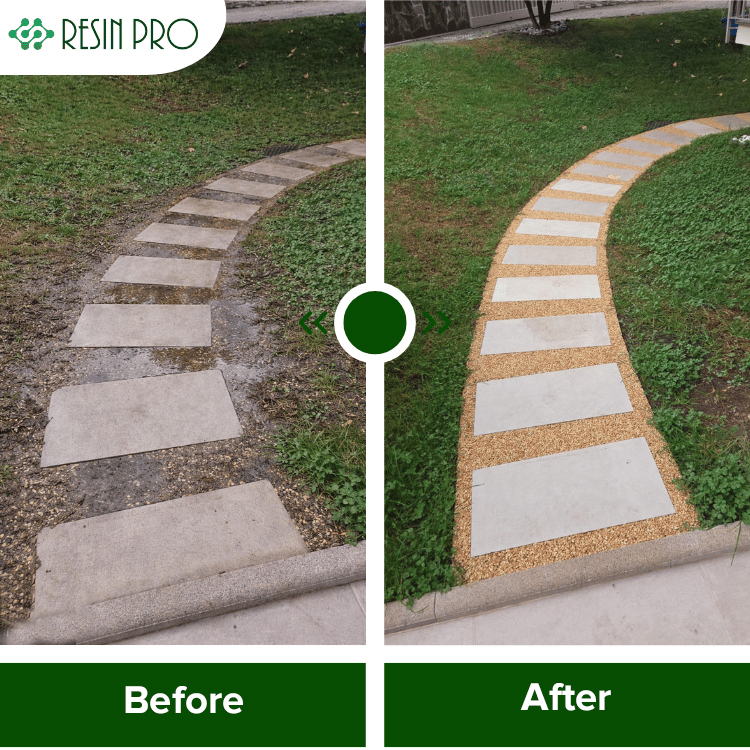
- "Flowstone" – Complete Permeable Floor Kit with Pebbles and ResinPrice range: £42.85 through £3,389.85Flowstone kit provides a permeable, decorative pebble and resin floor system for outdoor spaces with easy application and resin guidance.
- "Polirock" – Polyurethane Binder for White Stones, 2kg Two-Component Kit£58.85POLIROCK is a two-component polyurethane binder for durable, clear, and decorative outdoor stone surfaces suited to resin floor creation.
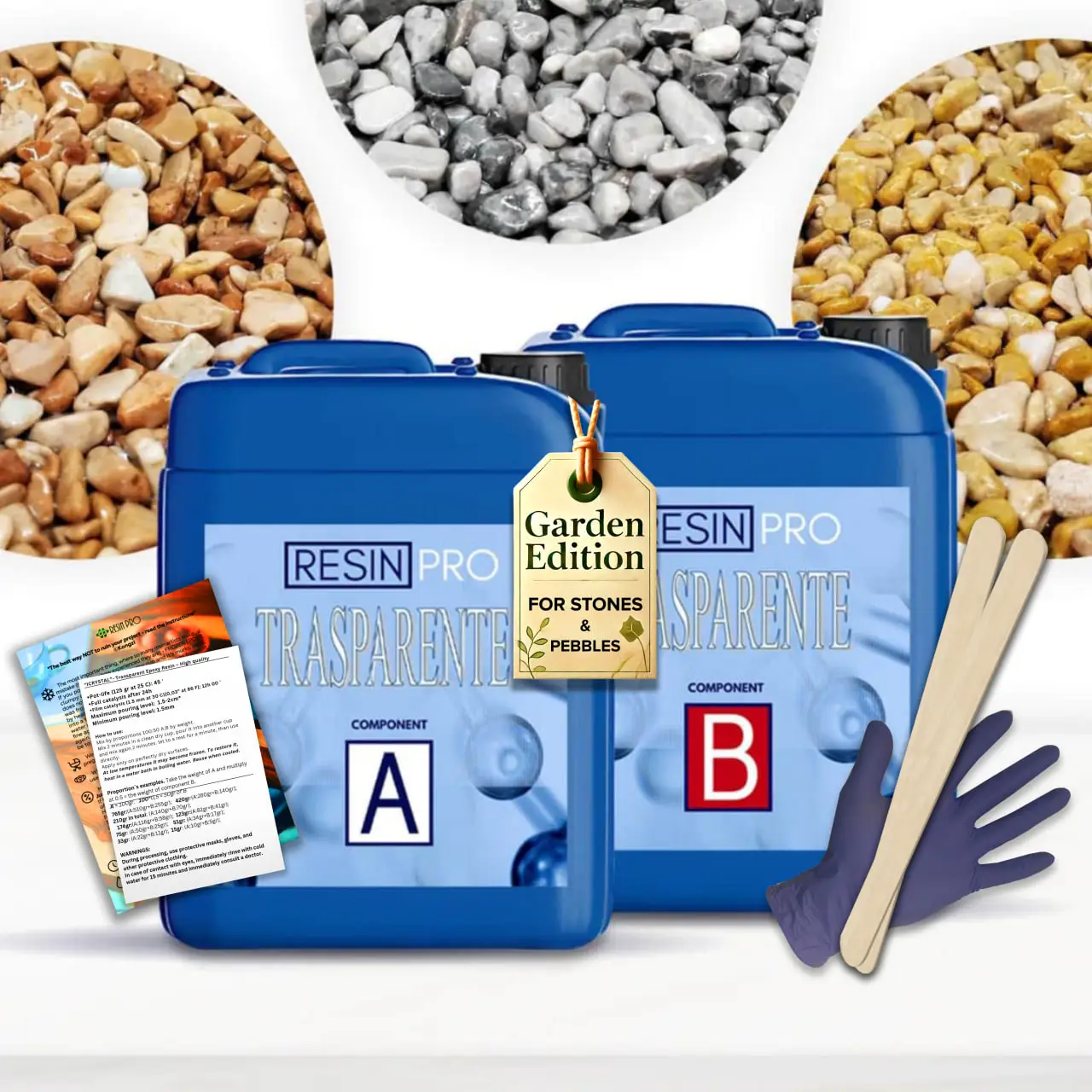 "Trasparente" – Epoxy Binder for Coloured Pebbles and GritsPrice range: £31.85 through £948.85"Trasparente" provides a clear, bubble-free epoxy binder designed for coloured pebbles and grits with UV resistance suited for resin flooring.
 "Epoxyprimer" – Universal Water-Based Two-Component Epoxy Floor PrimerPrice range: £148.84 through £272.45Epoxyprimer is a water-based epoxy primer suitable for concrete, timber, and tiles, designed to support adhesion in resin floor preparation.
Frequently Asked Questions
What substrate is best for resin floors?
Stable, dry, and level substrates such as concrete, screeds, tiles, or timber are suitable. Ensure any surface is cured and fully free from moisture.
Should I always use a primer on concrete?
Yes, priming helps resin adhere strongly to concrete and prevents bubbles or delamination caused by substrate porosity.
Which resin binder matches my chosen stone?
Use polyurethane binder for white stones and epoxy binder for coloured pebbles or grits to ensure non-yellowing, clear finishes.
How long does resin flooring take to fully cure?
Touch dry in around 10 hours, but allow 24–48 hours for full cure. Times vary by product, temperature, and humidity.
Is DIY resin floor installation possible?
Yes, with careful preparation and decent tools, most resin floor projects are suitable for DIYers following instructions closely.
What are the basics for resin floor care?
Regularly sweep and clean with gentle detergents. Avoid harsh abrasives and repair scratches or chips promptly to maintain the finish.