 Free shipping on orders over £29,85
  Shipping Tracking!


 Google
 Facebook
← Back to How to make moulds for epoxy resin?
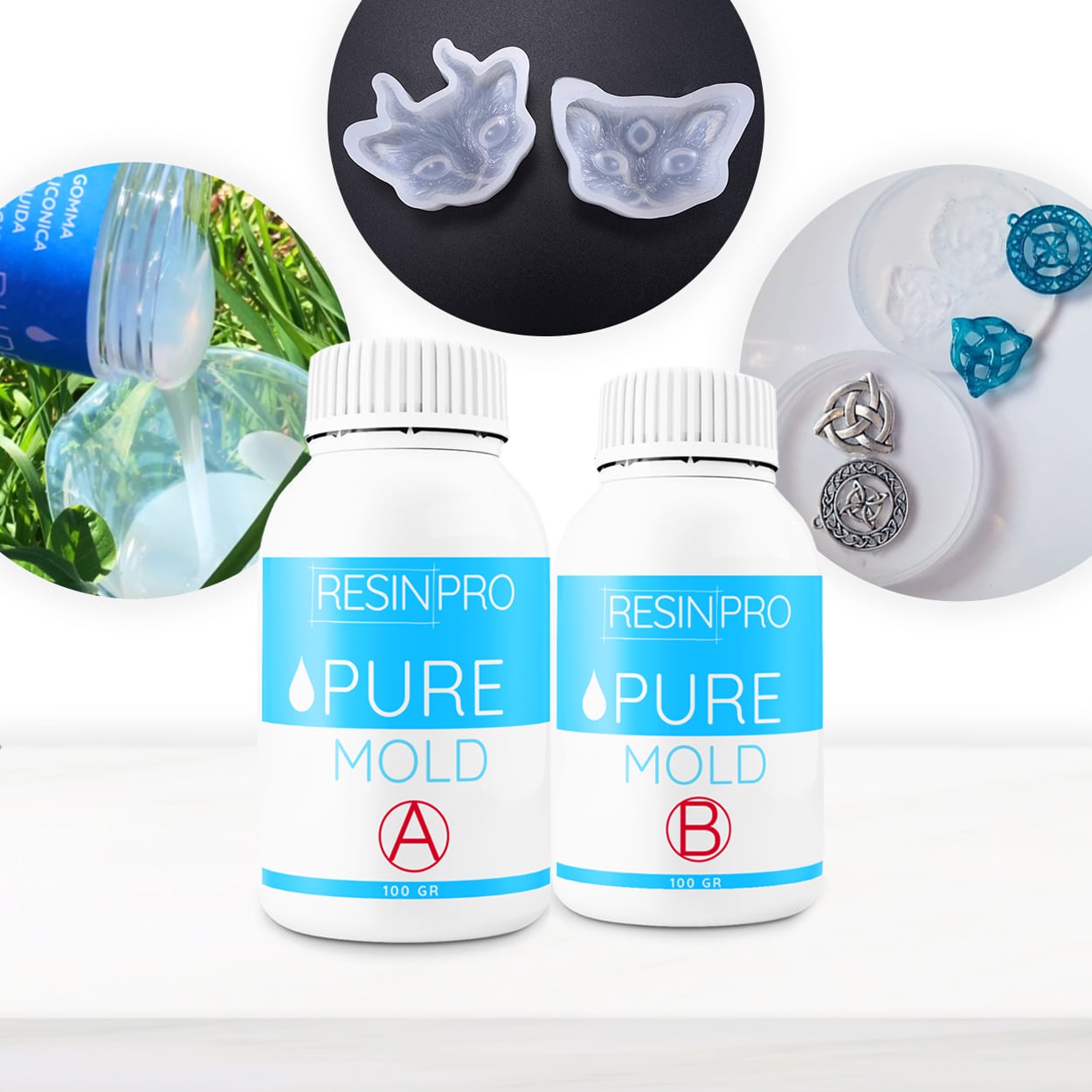
When casting with epoxy resin, a frequent question is whether a release agent is necessary if you’re using silicone moulds. The answer depends on both the mould material and the specific resin being used, but for most epoxy-friendly silicones, it’s simpler than you might think.
Why Most Silicone Moulds Don’t Require Release Agent
For high-quality, platinum-based silicone moulds—such as “Pure Mould” liquid silicone rubber—release agents are generally not required when working with epoxy resins. Silicone’s natural non-stick properties make it ideal for effortless demoulding, saving you time and removing the need for additional chemicals.
When Might You Need a Release Agent?
There are certain scenarios to consider:
- If a product specifically states otherwise in its instructions, always follow those recommendations.
- Frequent use or very intricate moulds can sometimes benefit from a light application of release agent to help prolong mould life or with stubborn designs.
- If you’re working with materials other than epoxy or the mould surface shows signs of wear, a release agent could be helpful.
Choosing the Right Products for Easy Demoulding
Opt for silicones designed for effortless release. Both “Liquid Mould” – Casting Liquid Silicone Rubber and “I–Gum” Non-Toxic Silicone Putty are formulated for direct use with resins, saving you hassle and ensuring a smooth finish.
When This Matters
For hobbyists and professionals alike, knowing when you can skip a release agent speeds up your epoxy resin workflow and avoids unexpected issues. Trusting the properties of dedicated silicone products can help you achieve reliable results each time.
Related products
Related guides
Understanding when release agents are necessary streamlines the mould making process for epoxy resin projects. For more tips and expert product choices, check out our main guide on how to make moulds for epoxy resin.