 Free shipping on orders over £29,85
  Shipping Tracking!


 Google
 Facebook
How to make moulds for epoxy resin?
Your step-by-step guide to durable, detailed resin casting moulds
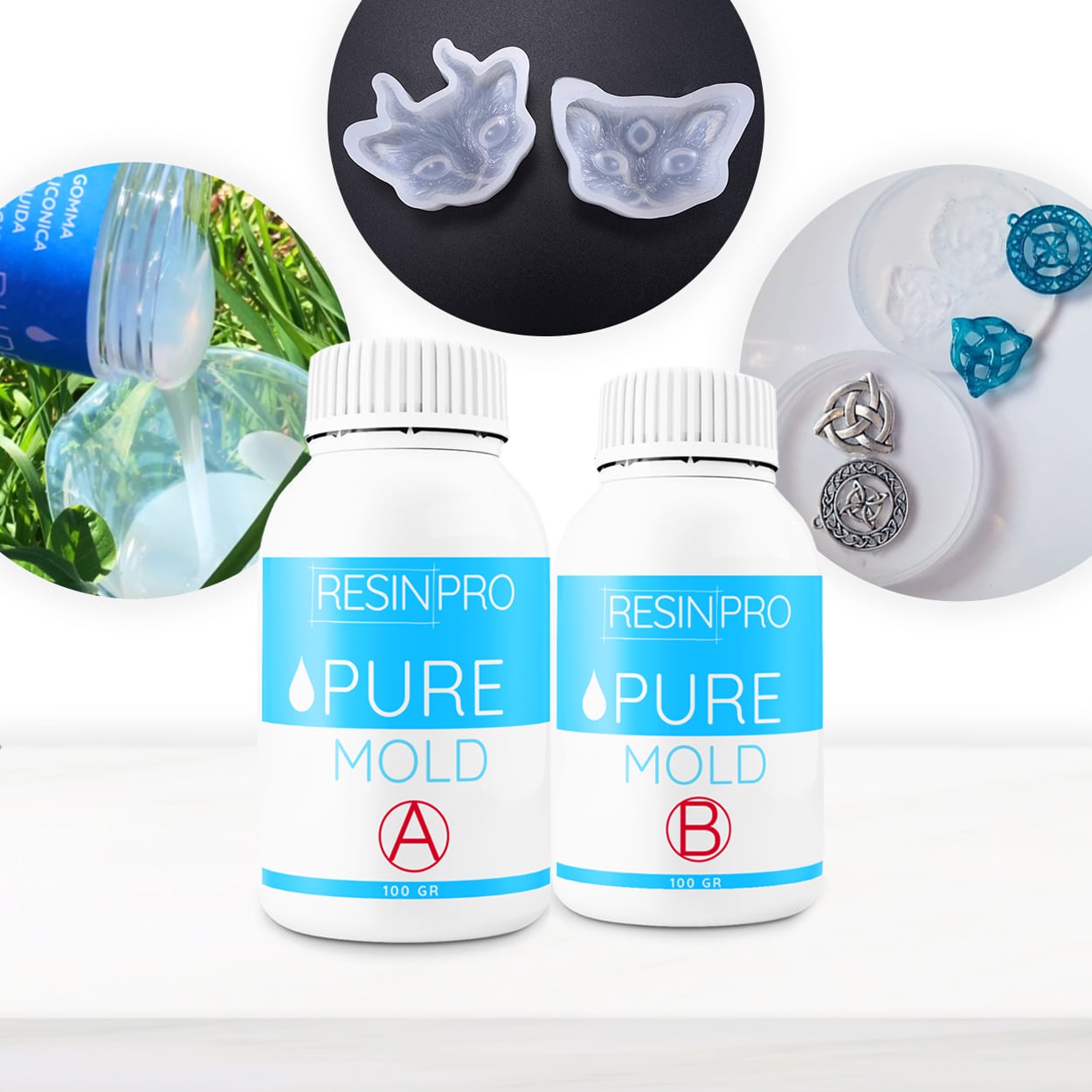
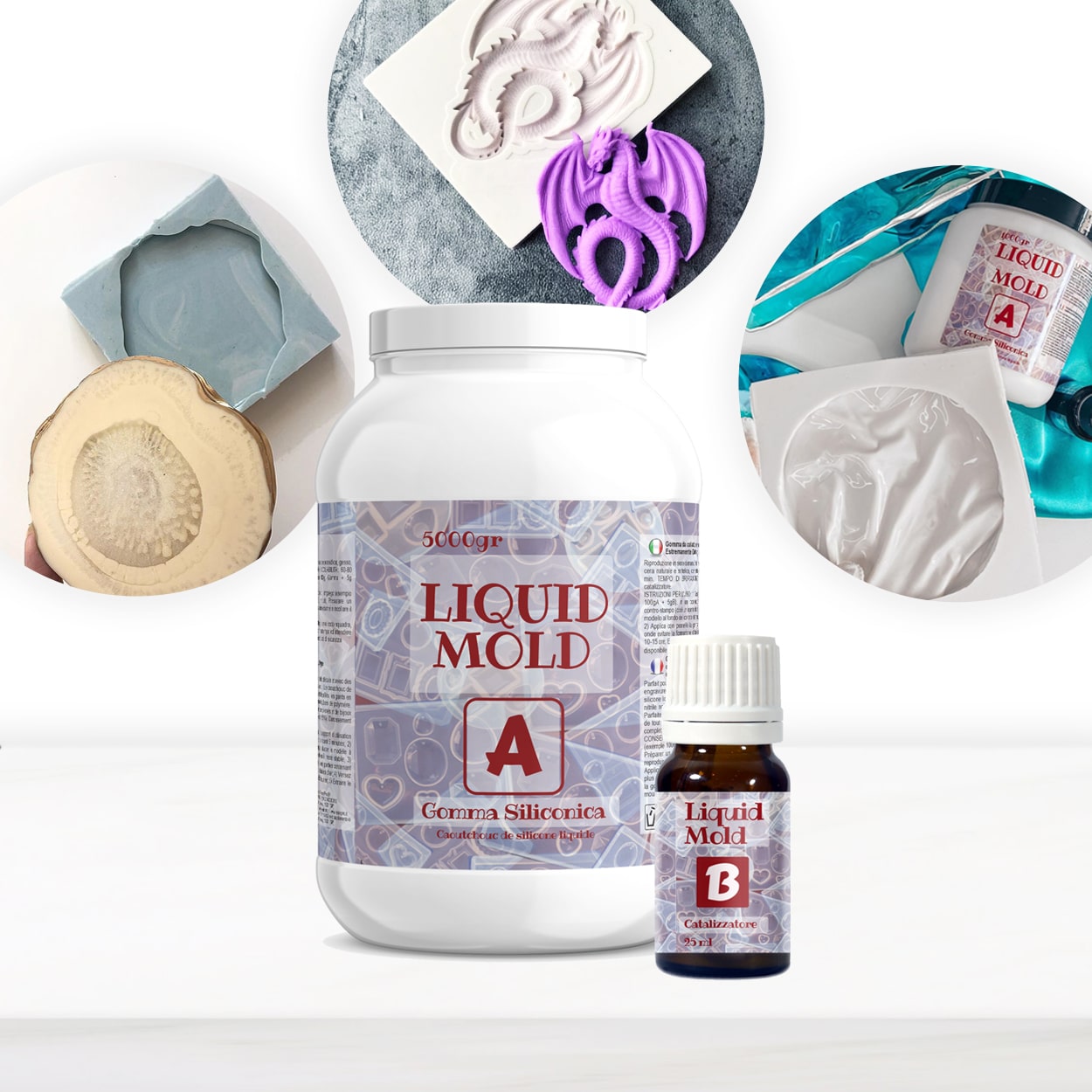
Creating your own moulds for epoxy resin allows you to produce unique jewellery, artistic decorations, or functional castings that are truly one-of-a-kind. This guide explains each step of the process so that hobbyists and professionals alike can achieve crisp, bubble-free results and extend the lifespan of their moulds. Avoiding common mistakes from the start will improve every resin casting project you tackle.
What You’ll Need
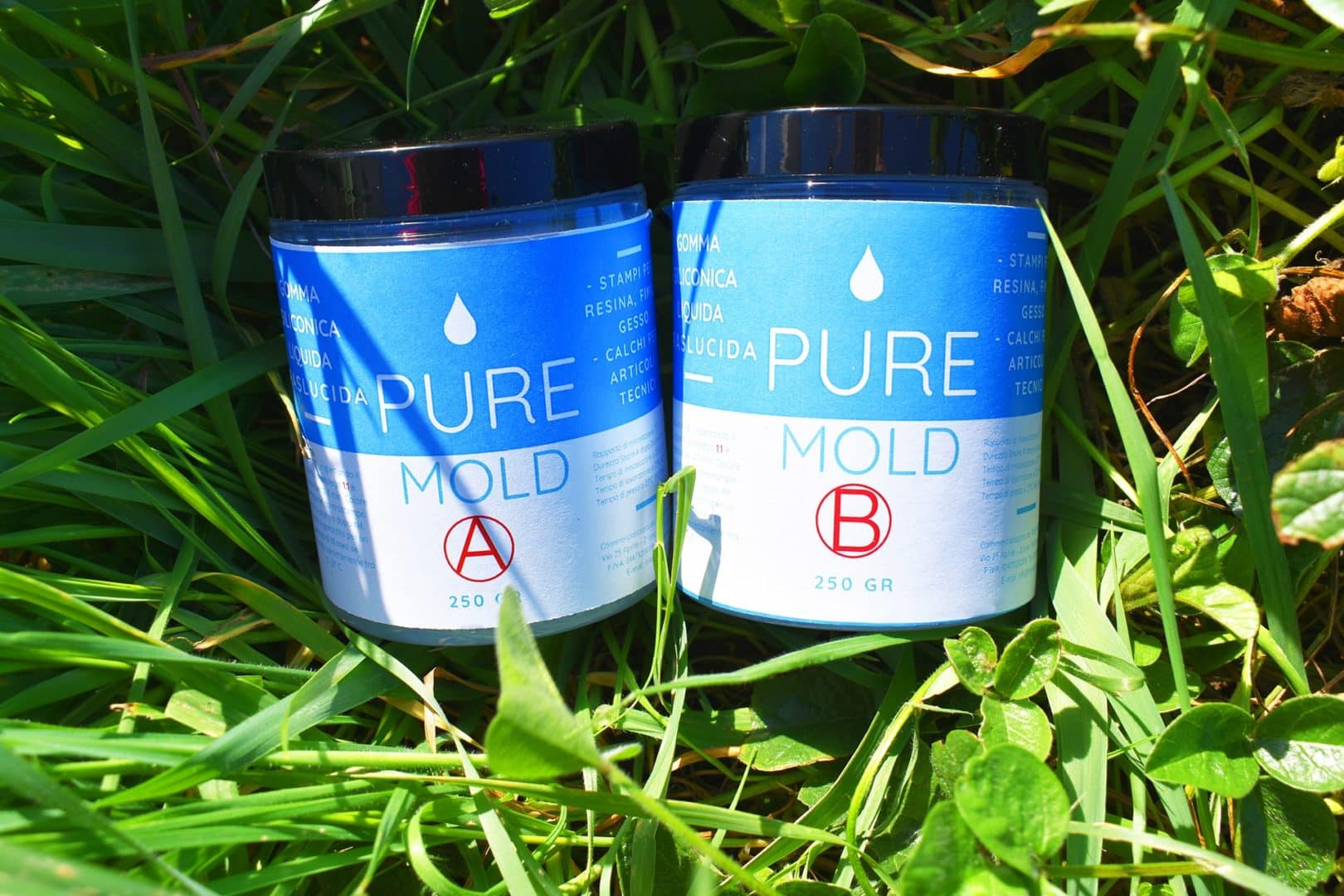
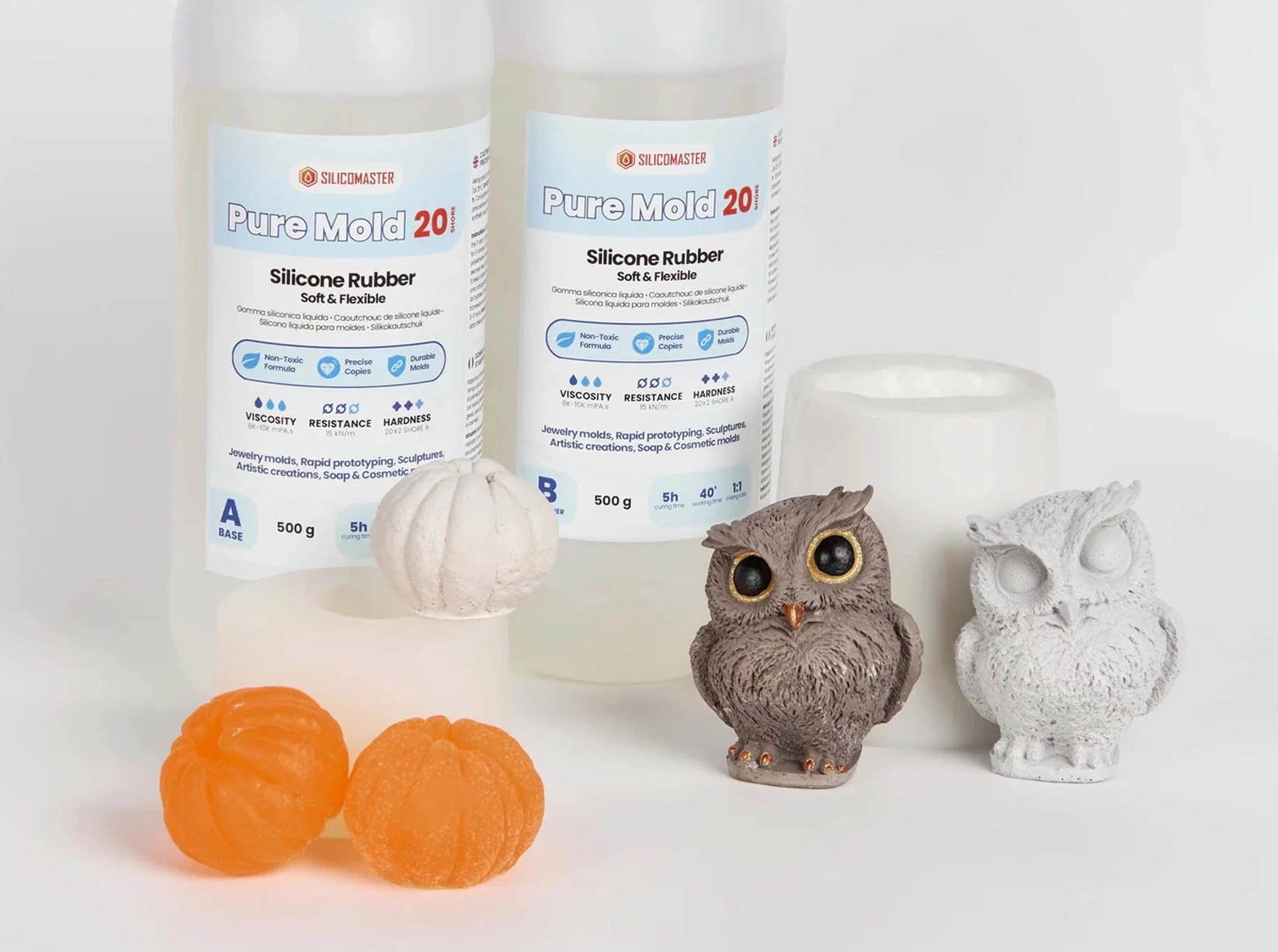
- “Pure Mould” – Translucent Liquid Silicone Rubber for Mould Making – ideal for projects demanding high detail and observation during curing.
- “Liquid Mould” – Casting Liquid Silicone Rubber, 5-40 Shores, Bi-Component A+B – great for intricate models and multiple reproductions.
- “I–Gum” – Non-Toxic Silicone Putty for Mould Making – convenient for small or custom shapes, and quick setups.
- Model or item to create a mould of (ensure it is clean and dry).
- Mould box or container (for liquid silicone moulds).
- Mixing tools and containers.
- Digital scales or measuring spoons (according to mixing requirements).
- Protective gloves and surface covering.
Key Features of Silicone Mould Making Materials
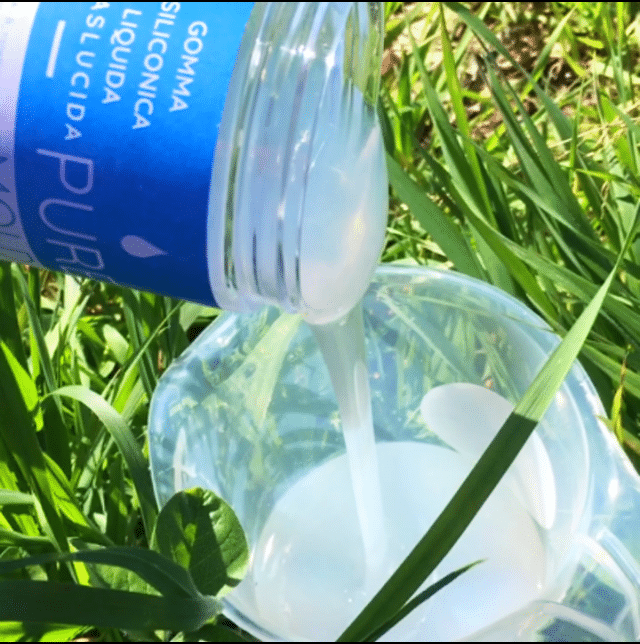
Translucent formulas help you observe bubble formation and placement accuracy. Adjustable hardness (shore) lets you tailor the mould’s flexibility or rigidity for different casting projects. All featured products are cruelty-free and vegan friendly for responsible crafting.
Step 1: Plan and Set Up Your Workspace
Think about the type of mould you want to make. The shape, level of detail, and intended use will determine the best silicone solution for your project. Choose your mould making silicone based on project size and detail. Plan to work in a well-ventilated area, on a flat, protected surface, and lay out all your materials in advance. Measure your model and ensure your mould container is large enough to accommodate it with space on all sides for adequate silicone coverage.
Ensure the workspace is clean and dry to prevent debris or moisture from interfering with the mould curing process. Place your model securely in the mould box, using an adhesive if necessary to stop it moving when you pour the silicone.
Step 2: Mix the Silicone Components
Always read your product’s instructions first to confirm the mixing ratio and working time. For example, “Pure Mould” – Translucent Liquid Silicone Rubber for Mould Making uses a convenient 1:1 ratio. For intricate or small objects, “Liquid Mould” – Casting Liquid Silicone Rubber, 5-40 Shores, Bi-Component A+B is perfect due to its detailed reproduction capability. If you are working with small items or need a quick impression, “I–Gum” – Non-Toxic Silicone Putty for Mould Making can be shaped directly by hand.
Mix the components thoroughly but gently to avoid introducing excess air bubbles. Use a clean mixing container and stir the two parts together until the colour is uniform.
Step 3: Pour or Apply the Silicone Mould Material
For liquid silicone products, pour from one corner in a steady stream to allow the liquid to gradually rise and envelop the model, which helps reduce air pockets. If using a putty like “I–Gum”, mould it around your object, ensuring all surfaces are fully covered, and press firmly to capture detail.
With extremely intricate designs or items with undercuts, tap the mould container gently or use a vibrating surface to encourage trapped bubbles to escape to the surface. Take care not to dislodge your model during this stage.
Step 4: Allow the Silicone to Cure
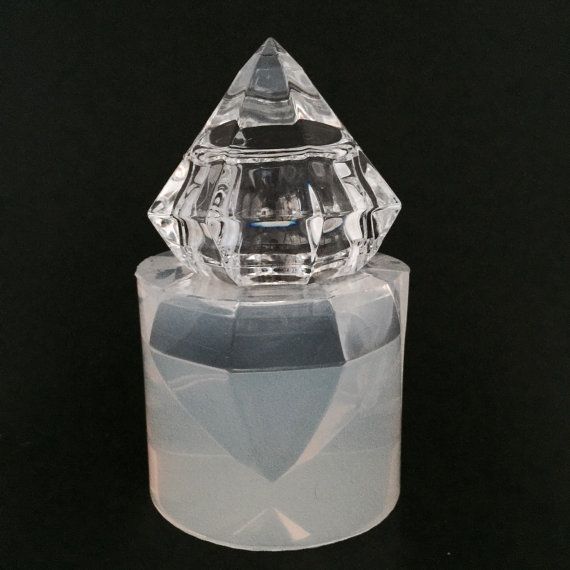
Follow the product-specific curing times for best results. “Pure Mould” silicone typically sets in about 3 to 8 hours, while other options may require a longer or shorter wait, depending on ambient conditions and batch size. Leave to cure for the full recommended time; rushing this stage can cause deformation or tearing when demoulding.
Once cured, gently remove the silicone from its container and then carefully extract your original master model. Test for flexibility and detail reproduction. Clean up any sharp edges if necessary.
Tips, Common Mistakes, and Troubleshooting
Check for trapped air on complex surfaces. Applying a thin initial layer of silicone with a brush before pouring the bulk material helps to avoid bubbles. Always use clean tools and accurate measurements for the mixing ratio as this dramatically influences strength and longevity of your mould.
Avoid using silicone with materials not specified by the manufacturer—for epoxy resins, ensure the moulding material is fully compatible. Never demould before the stated curing time is up to prevent tears. Store finished silicone moulds flat and out of direct sunlight to maintain their properties for future use.
Maintaining and Using Your Silicone Moulds
Clean your moulds gently after use, store in a cool place, and avoid excessive heat. Quality silicones ensure repeat use without shrinkage, while detailed formulas provide crisp results even after multiple castings.
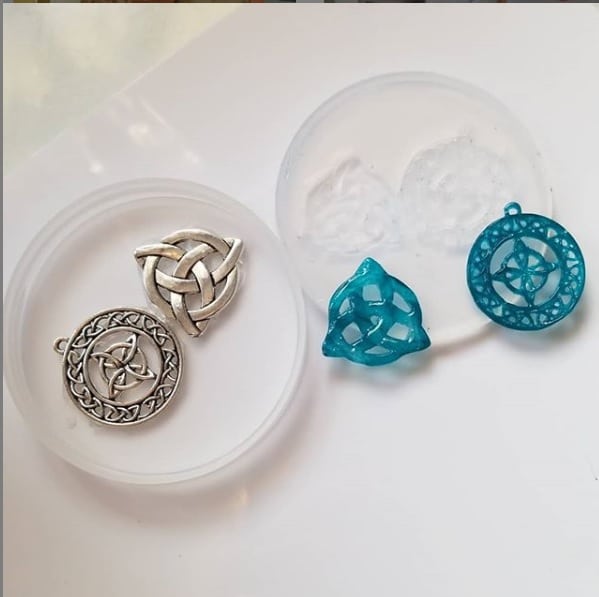
- "Pure Mould" – Translucent Liquid Silicone Rubber for Mould MakingPrice range: £22.85 through £158.85"Pure Mould" is a translucent liquid silicone rubber designed for making detailed moulds suitable for resins and compatible materials.
- "Liquid Mould" – Casting Liquid Silicone Rubber, 5-40 Shores, Bi-Component A+BPrice range: £13.45 through £368.85"Liquid Mould" is designed for making highly detailed silicone moulds compatible with resin and other pastes.
 "I–Gum" – Non-Toxic Silicone Putty for Mould MakingPrice range: £22.85 through £99.85"I–Gum" is a non-toxic silicone putty designed for mould making with epoxy resin. It features easy 1:1 mixing and a long working time.
Frequently Asked Questions
What silicone is best for making epoxy resin moulds?
Select a platinum-based or casting silicone compatible with epoxy resin for best flexibility, detail, and durability.
How long does silicone take to cure before using with resin?
Depending on the product, cure times range from 20 minutes to about 8 hours. Always follow the manufacturer's instructions.
Can I reuse silicone moulds for epoxy resin projects?
Yes, high-quality silicone moulds may be reused multiple times if they are cleaned and stored properly.
How do I avoid air bubbles when making epoxy resin moulds?
Mix gently, pour slowly from one side, and if possible, brush a thin initial layer to prevent air pockets.
What materials can I cast in these silicone rubber moulds?
Epoxy, polyester, polyurethane, acrylic resins, waxes, cements, and plasters are suitable for compatible silicone moulds.
Are silicone moulding materials safe and non-toxic?
Selected products, such as I–Gum and Pure Mould, are non-toxic and safe for handling as directed.
Is a release agent required when using these silicones?
For most epoxy-compatible silicone moulds, a release agent is not needed unless specified by the product.