 Free shipping on orders over £29,85
  Shipping Tracking!


 Google
 Facebook
← Back to How to make moulds for epoxy resin?
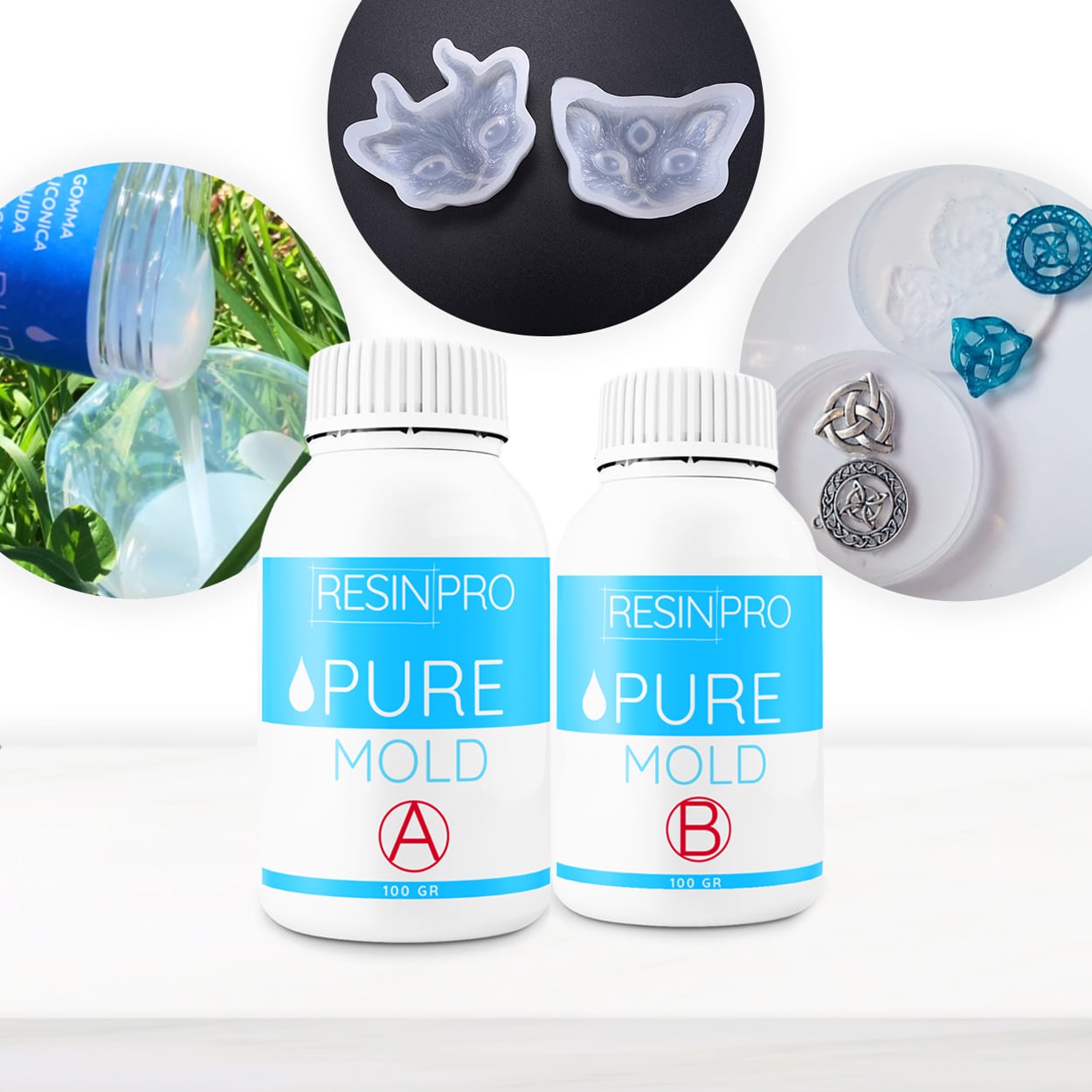
Trapped air bubbles can be a significant issue when creating epoxy resin moulds, especially when working with detailed and intricate surfaces. Understanding how to check for and minimise these bubbles is essential for a flawless cast.
Why Air Gets Trapped in Complex Surfaces
Complex moulds, featuring sharp angles, deep crevices or intricate patterns, are prone to air pockets. As epoxy resin or silicone is poured, air can become trapped in these spaces before rising to the surface, often resulting in visible bubbles or voids in your finished piece.
Tips for Spotting and Reducing Trapped Air
- Slowly pour your mixed silicone or epoxy along one edge and allow it to flow naturally, reducing the chances of air entrapment.
- If using transparent silicone, such as Pure Mould, visually inspect the mould for trapped air as it cures.
- Use a thin brush to coat detailed areas of the master model before the main pour, ensuring tight spaces are filled.
- Tap the sides gently or use a vibrating table to dislodge any bubbles clinging to complex recesses.
- Where possible, apply vacuum or pressure casting techniques for intricate shapes.
Material Choice for Best Results
The flow characteristics of your chosen moulding material can make a difference. For detailed designs, consider Liquid Mould silicone rubber, which is formulated to capture fine detail and navigate undercuts. For smaller projects or when ease of handling is vital, I–Gum Silicone Putty offers flexibility for working into intricate areas by hand.
When This Matters Most
Meticulous bubble checking is crucial for jewellery, model parts, and other items where surface quality and fine detail are paramount. Taking precautions at the mould-making stage prevents time-consuming corrections later.
Related products
Related guides
Minimising trapped air is a key part of creating professional-grade epoxy resin moulds. For more on successful mould making, see our main guide on how to make moulds for epoxy resin.