 Free shipping on orders over £29,85
  Shipping Tracking!


 Google
 Facebook
← Back to how to create a resin mould for polyurethane
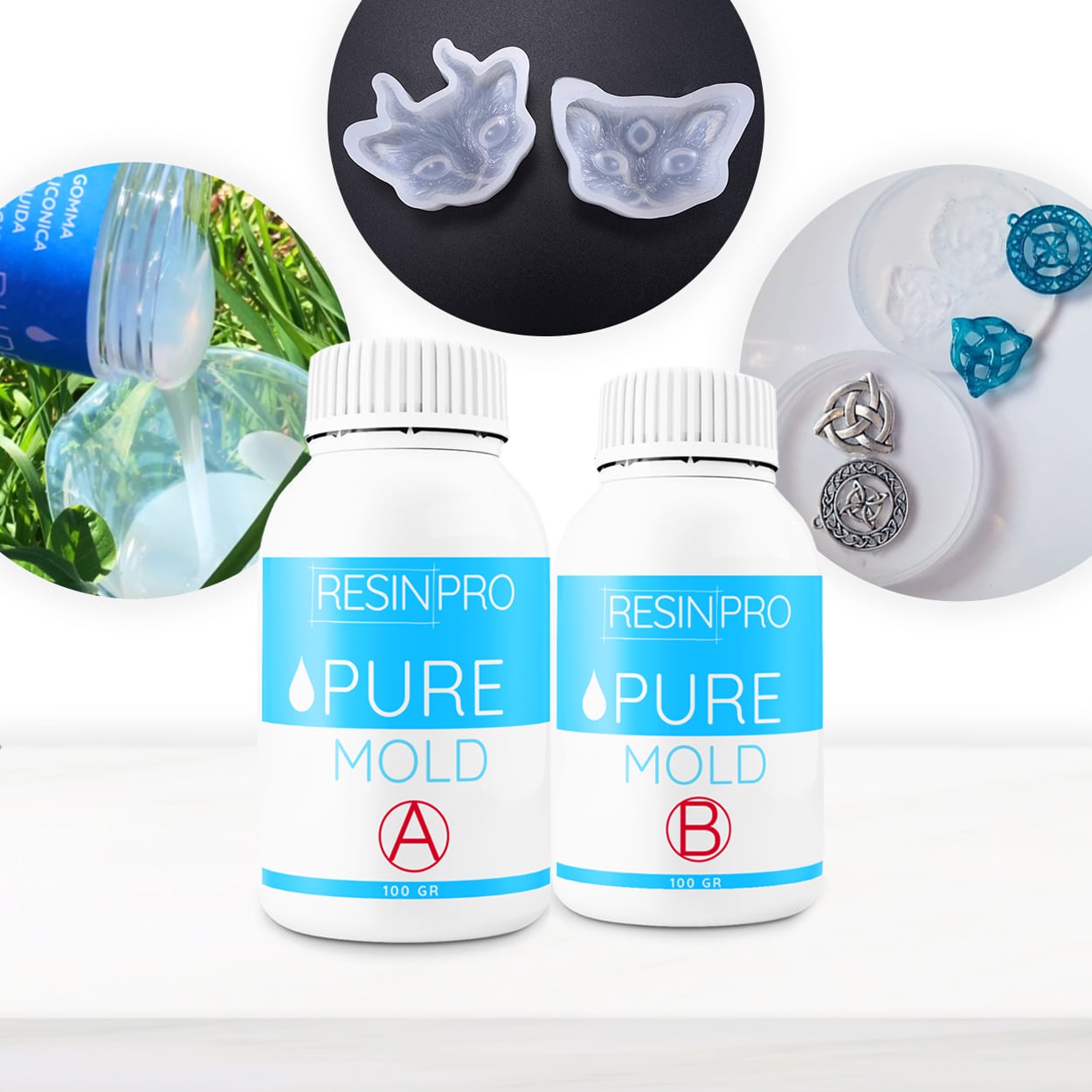
Choosing the right silicone for mould making is essential when working with polyurethane resin. Your selection determines both the ease of use and the level of detail you can achieve in your casts.
Platinum-Cure Translucent Silicone: The Go-To Choice
For most polyurethane resin projects, platinum-cure translucent silicone offers excellent results. This type of silicone sets quickly and provides high fidelity in detail reproduction, making it perfect for detailed pieces and professional finishes. The translucent nature helps you monitor the mould as it cures, reducing the risk of hidden bubbles or voids.
A reliable choice is the “Pure Mould” Liquid Silicone Rubber, featuring an easy 1:1 mix ratio, minimal shrinkage, and compatibility with various resins including polyurethanes.
Bi-Component Silicone for Versatility
If you need more control over the hardness or are tackling objects with deep undercuts or complex shapes, a bi-component (two-part) silicone system is worth considering. Adjustable shore hardness allows you to tailor the flexibility of your mould, which is particularly useful for small, intricate, or multi-part castings. The “Liquid Mould” Bi-Component Silicone Rubber is designed to capture fine details and works well for repeated casting of polyurethane resin objects.
Practical Considerations and Usage Tips
- Ensure your workspace is clean and free from dust, as silicone is highly sensitive to contaminants.
- Thoroughly mix the components following the manufacturer’s guidelines to achieve consistent curing and detail.
- Using a suitable release agent, such as “Global A2” Release Wax, prolongs mould life and reduces the risk of sticking.
When This Matters
Selecting the correct silicone is especially important if your project involves highly detailed, professional-grade, or repeated polyurethane castings. Those working on model making, artistic reproductions, or prototypes will benefit from matching the silicone’s performance to their project’s needs.
Related products
Related guides
Finding the best silicone type is a key step in the process of crafting successful polyurethane resin moulds. For more guidance on the full mould-making workflow, see our main page on how to create a resin mould for polyurethane.