 Free shipping on orders over £29,85
  Shipping Tracking!


 Google
 Facebook
← Back to how to create a resin mould for polyurethane
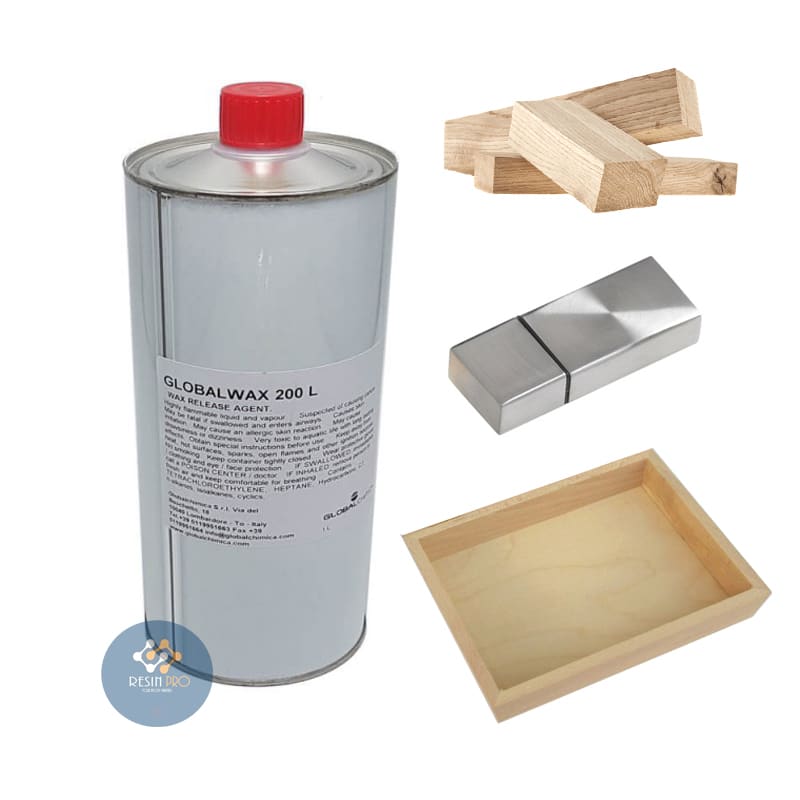
Using release wax is a crucial step when making resin moulds for polyurethane casting, as it ensures smooth demoulding and maintains the mould’s longevity. Whether you’re crafting intricate details or larger models, proper wax application prevents sticking and reduces the risk of mould damage.
Why Release Wax Matters
Release wax creates a non-stick barrier between the mould and the resin. This simple step not only helps your finished pieces come out cleanly but also prolongs the life of your mould. The “Global A2” Release Wax is designed for epoxy and polyurethane resins, offering reliable separation even under heat up to 180°C.
How to Apply Release Wax Effectively
- Ensure your mould is clean and dry before applying wax.
- Using a brush or a soft cloth, apply a generous, even layer to the entire mould surface, especially in any fine details or undercuts.
- Allow the wax to dry for 2–3 minutes; it will quickly form a protective film.
- For new or unconditioned moulds, consider applying two coats for added protection, allowing each layer to dry fully.
Remember to refresh the release wax with each casting session for continued ease of demoulding and to keep your mould in good condition.
When an Effective Release Agent Matters Most
It’s particularly important to use a reliable release wax when working with detailed, custom, or expensive moulds. Generous application prevents accidental mould damage and helps when casting pieces with complex shapes or deep undercuts, where sticking is more likely.
Related products
Related guides
Properly applying release wax is essential for any resin or polyurethane mould project, making demoulding effortless and safeguarding your tools. To learn more about the whole process, see our main guide on how to create a resin mould for polyurethane for further tips and step-by-step instructions.