 Free shipping on orders over £29,85
  Shipping Tracking!


 Google
 Facebook
← Back to How to differentiate mould resin?
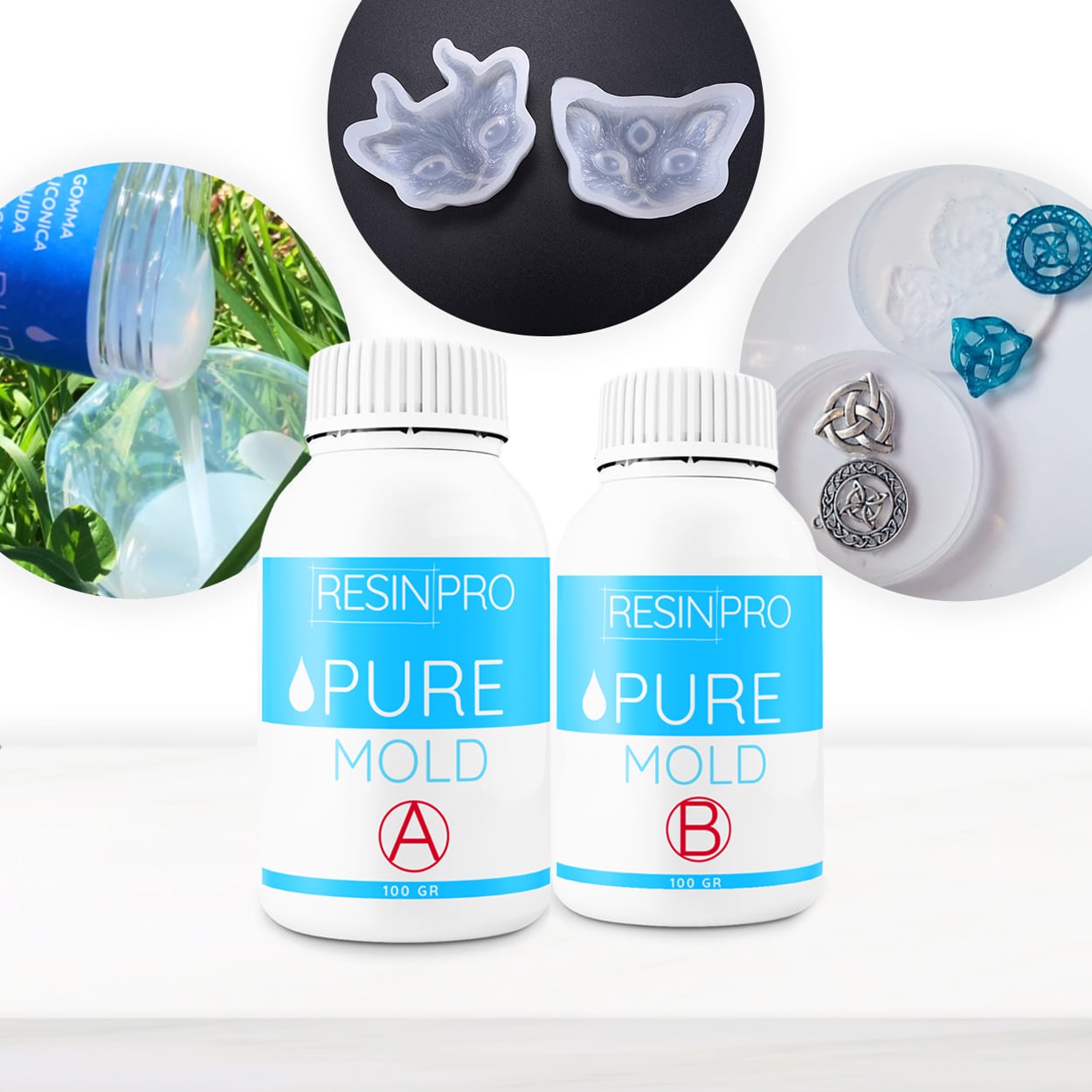
If you’re using mould resins for crafts, art projects or home DIY, understanding their safety profile and any certifications is essential. Here’s what you should know before you get started.
Certified Non-Toxic & Solvent-Free Options
Many modern mould resins, such as the “Pure Mould” silicone rubber and the “Trasparente” epoxy resin, are certified non-toxic and free from solvents. This makes them a safer choice for both home and workshop use, reducing exposure to harmful fumes or residues during mixing and casting. Always check the product details to confirm certification before use.
Safe Working Practices for Resin Use
Even certified non-toxic resins should be handled with care. Work in a well-ventilated area, wear gloves to prevent skin contact, and follow the manufacturer’s safety guidance on mixing and curing times. Keep products out of reach of children and pets, and take care when disposing of leftover material and containers. Adhering to instructions ensures safe, reliable results every time.
When This Matters Most
Choosing non-toxic, solvent-free mould resins is particularly important if you’re working indoors or in spaces with limited ventilation. It’s also vital for projects involving frequent handling or for items intended as keepsakes or gifts. Prioritising certified resins adds peace of mind to creative work.
Related products
Related guides
For anyone looking to make informed decisions about mould resins, knowing about their safety certifications is a key part of differentiating the best product for your needs. For more on selecting the right mould resin, see the full guide on how to differentiate mould resin.