 Free shipping on orders over £29,85
  Shipping Tracking!


 Google
 Facebook
How to differentiate mould resin?
Identify the ideal resin for every mould making project

Choosing the right mould resin is essential for achieving precision, durability and the best finish in your casting or mould making projects. Whether you are working on small, highly detailed items, creative artworks, or robust deep-pour tables, differentiating between types of mould resin will help you select the perfect match for your needs. This guide is designed for makers, artists, and professionals who want clarity on mould resin varieties and their ideal uses.
Comparing Mould Resins: The Essentials
Mould resins are not all created equal. Key factors that distinguish one resin from another include transparency, cure time, flexibility, compatibility with other materials, maximum casting thickness, and intended end-use. Silicone mould rubbers, for example, excel at capturing fine detail and offer excellent flexibility, while epoxies are prized for their clarity and hardness—features that suit decorative and functional castings alike. Understanding these differences is crucial for a successful project outcome.
Visual Guide to Mould Resin Varieties
See the differences between clear epoxy resins and flexible silicone mould rubbers in real-life projects. Our gallery showcases transparent pours, intricate model making, and large table castings to help you visualise resin choice in action. Observe how different materials lend themselves to specific applications, from precision art pieces to deep pour furnishings.
“Pure Mould” – Translucent Liquid Silicone Rubber for Mould Making
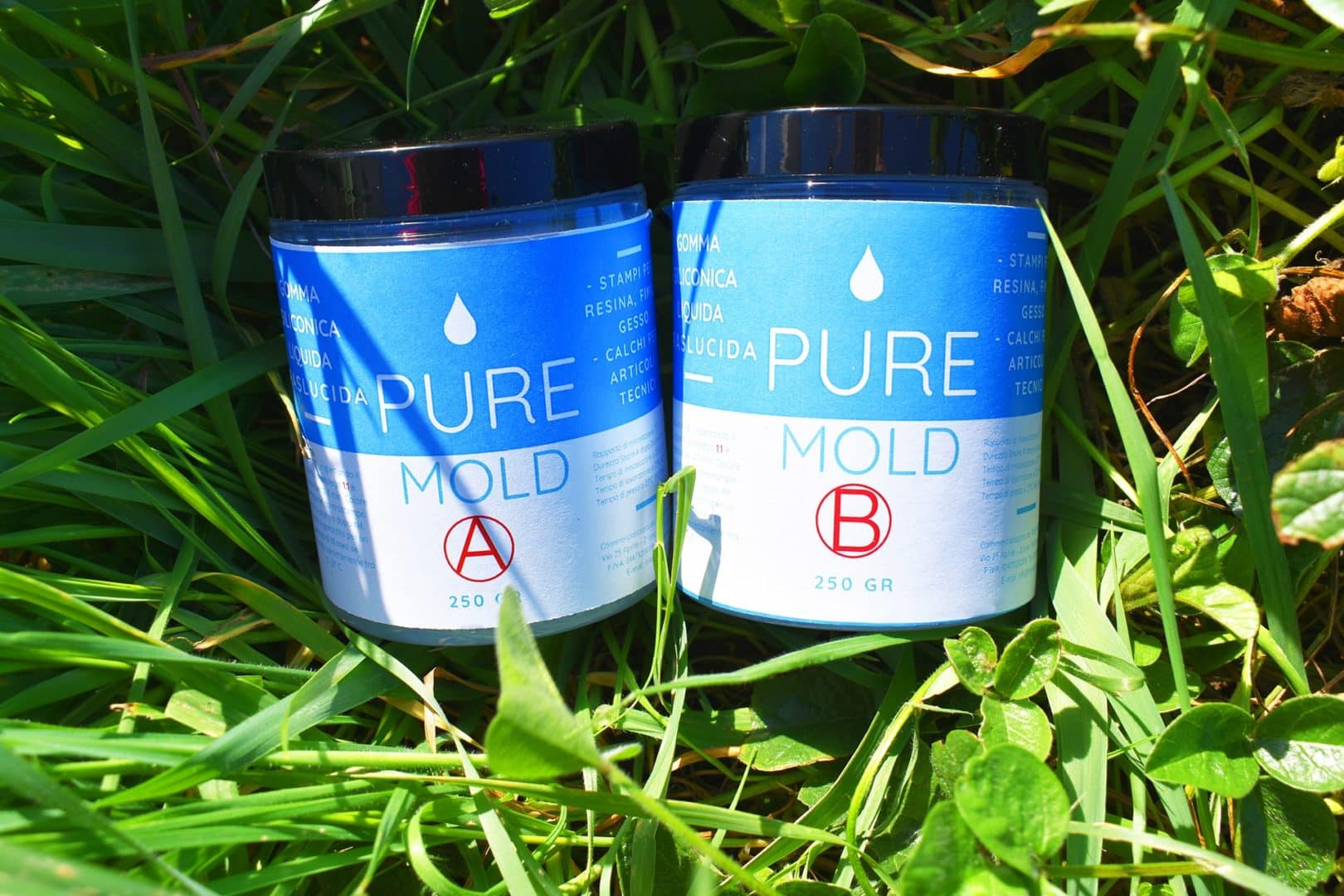
Pure Mould is a platinum-based, translucent silicone rubber designed for versatility and speed. With a balanced 1:1 mixing ratio and a curing time of just 3–8 hours, it is recognised for producing robust, detailed, and reusable moulds. Its standout feature is its compatibility with a broad range of materials—including epoxy, polyester, polyurethane, and acrylic resins, as well as plaster, cements, and hot waxes. The transparency helps in observing the casting process, while the low shrinkage and long service life make it ideal for repeated use by both professionals and enthusiasts. For those looking for certified safety and ease of use, this product is cruelty-free, vegan-friendly, and produced in Italy.
“Liquid Mould” – Casting Liquid Silicone Rubber for Detailed Replication
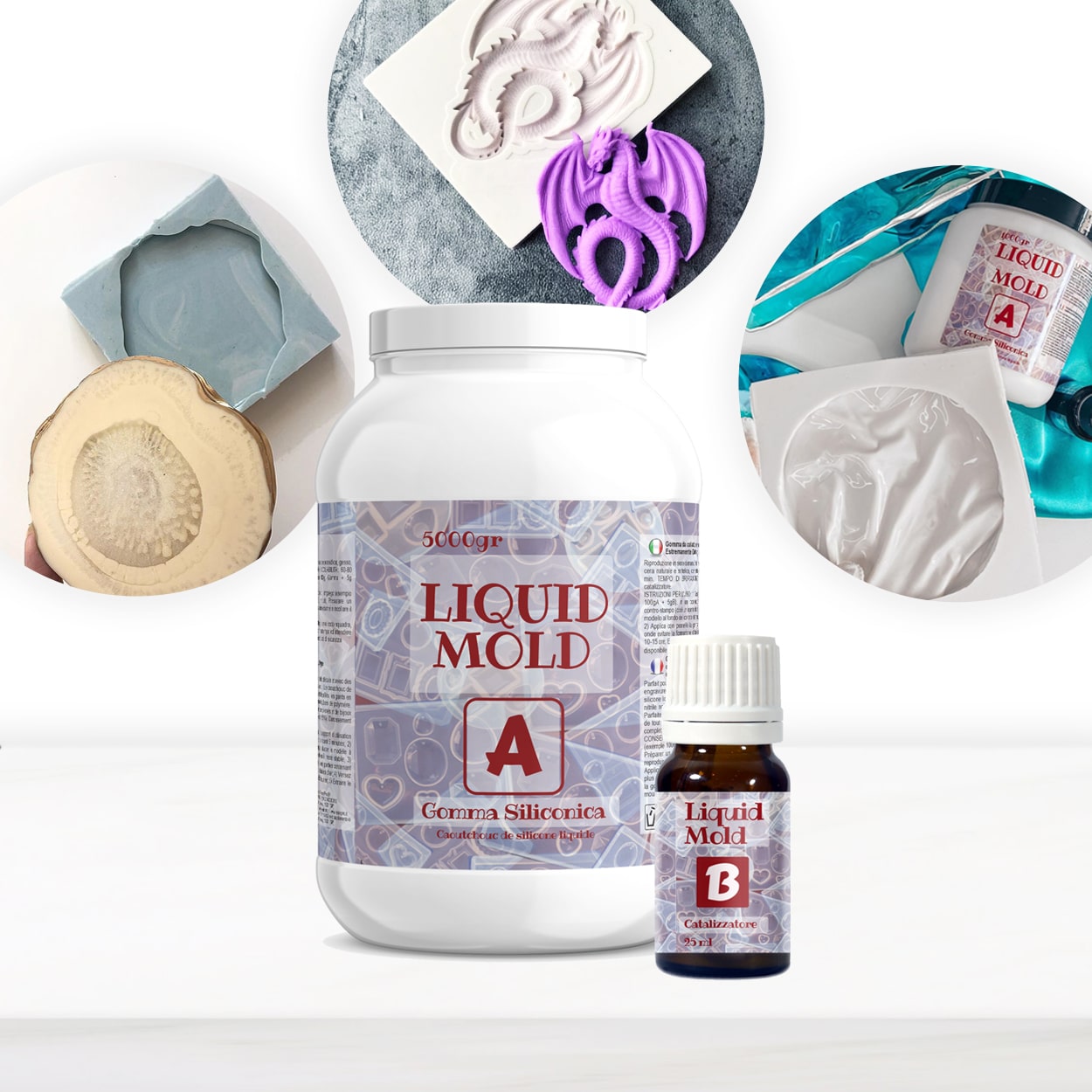
Liquid Mould offers high fluidity and is designed to capture minute details and undercuts, making it particularly suitable for jewellery, model making, and complex technical casts. This bi-component silicone requires catalyst addition and cures within 10–12 hours, producing flexible yet strong moulds for repeated use. It is compatible not just with various resins, but also with soap, polymer clays, wax, and plaster, broadening its usability for artists and technical creators alike. The product is also cruelty free and vegan friendly, maintaining a balance between performance and ethical standards.
“Trasparente” – Multipurpose Clear Epoxy Resin for Casting Up to 2cm
When your project calls for maximum clarity and a hard, glossy finish, Trasparente is the resin to consider. Ideal for castings up to 2cm, it is celebrated for ultra-clear results, excellent scratch resistance and integrated UV protection—ensuring your creations maintain their brilliance over time. It is best suited for producing art, jewellery, small decorative items, or shallow layers in woodworking. Its solvent-free composition and easy application process make it accessible for beginners and professionals alike, but it is not suitable for deep pours exceeding 2cm.
“Epoxytable 10-Ten” – Deep Pour Epoxy Resin for Large Castings
For river tables and significant artistic or functional pieces requiring a thick resin layer, Epoxytable 10-Ten is engineered for deep pours up to 10cm. Its low exothermic reaction prevents overheating and supports bubble-free, perfectly clear results even in large volumes. With robust UV resistance guaranteed for up to five years and heat resistance up to 70°C, it provides reliability for complex and demanding builds. The lengthy working time allows for careful manipulation, and its non-toxic, solvent-free formulation ensures user safety. This resin is not intended for shallow projects under 2cm but stands out for major, statement-making work.
Practical Tips: Matching Resin Type to Project Requirements
To choose the right mould resin, consider your project’s thickness, detail level, and final use. Silicone rubbers like Pure Mould and Liquid Mould are the best choice for flexibly removing delicate castings or for projects involving complex shapes with undercuts. For crystal-clear finishes or functional homeware—such as table tops or decorative objects—opt for epoxy systems, with Trasparente for shallow pours and Epoxytable 10-Ten for deeper applications. Remember, following proper mixing ratios and curing guidelines will maximise results and avoid common issues like shrinkage, bubbles, or incomplete curing.
Real-World Casting Examples
Explore project photos and user case studies demonstrating each resin’s strengths, from highly detailed silicone moulds through to impressive deep-pour tables. These visuals highlight technique tips, mixing and pouring differences, and the finished quality you can expect with properly selected mould resin.
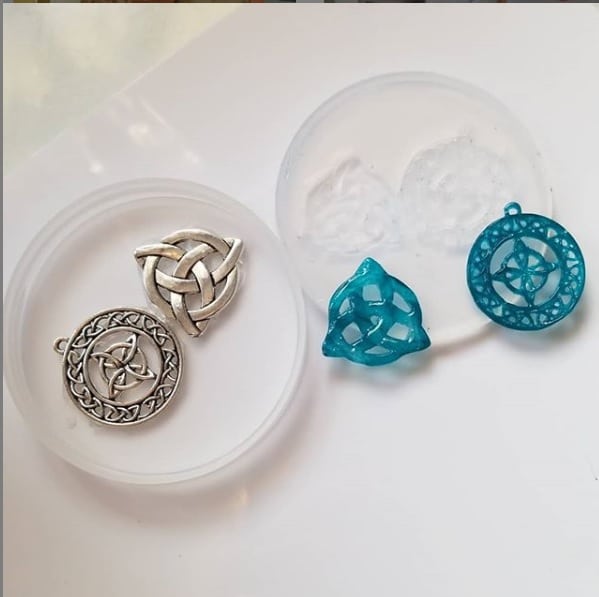
- "Pure Mould" – Translucent Liquid Silicone Rubber for Mould MakingPrice range: £22.85 through £158.85"Pure Mould" is a translucent liquid silicone rubber designed for mould making, suitable for various materials including resins and plaster.
- "Liquid Mould" – Casting Liquid Silicone Rubber, 5-40 Shores, Bi-Component A+BPrice range: £13.45 through £368.85"Liquid Mould" is a casting liquid silicone rubber designed for making highly detailed moulds and reproductions.
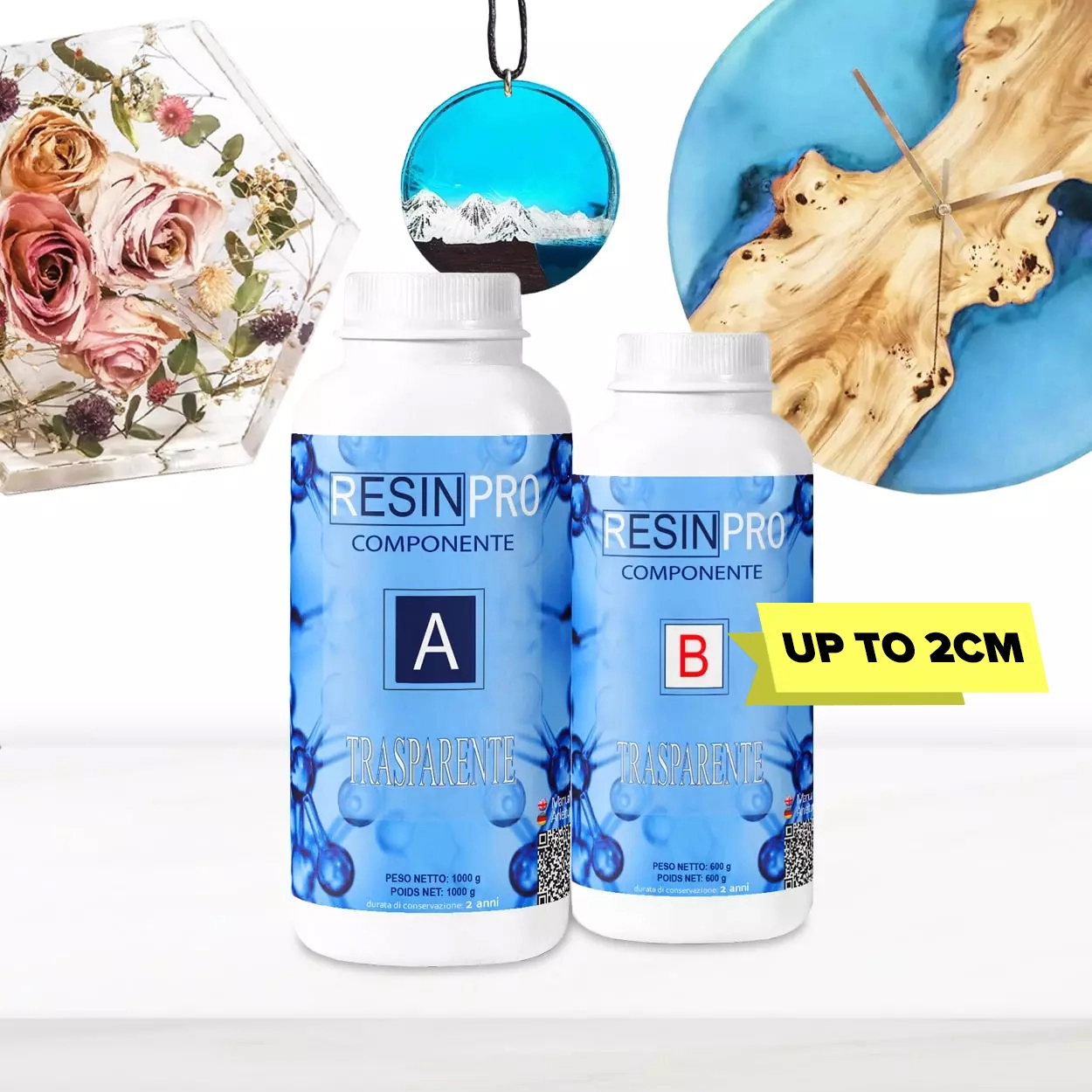 "Trasparente" – Multipurpose Clear Epoxy Resin for Casting – Up to 2cmPrice range: £8.45 through £948.85"Trasparente" is a clear casting epoxy resin designed for layers up to 2cm. It suits detailed castings and woodworking projects in this theme.
 “Epoxytable 10-Ten” – Deep Pour Epoxy Resin for Tables, Up to 10cm CastingPrice range: £33.85 through £334.85Epoxy resin designed for super-deep pouring up to 10cm, suitable for tables and large artistic castings.
Frequently Asked Questions
What is the best silicone for capturing fine details in mould making?
Liquid Mould casting liquid silicone rubber excels at replicating intricate details and undercuts, perfect for jewellery and figurine moulds.
Which epoxy resin should I use for deep versus shallow castings?
For thin layers up to 2cm, use Trasparente. For deep pours up to 10cm, Epoxytable 10-Ten is recommended for best clarity and safety.
When is silicone mould rubber preferable to epoxy resin?
Silicone mould rubbers are ideal when flexibility and high detail are required. Epoxy is best for clear, hard casts or deep pours.
What is the typical curing time for silicone mould rubbers?
Pure Mould silicone cures in 3–8 hours. Liquid Mould may require 10–12 hours, depending on conditions and catalyst used.
Is it possible to use Trasparente resin for castings over 2cm thick?
It is not advised. For pours above 2cm, use purpose-made deep casting epoxies like Epoxytable 10-Ten to avoid incomplete curing.
What resin should I choose for creating moulds that will be used with hot waxes, like candle making?
Both Pure Mould and Liquid Mould silicone rubbers are suitable for hot wax casting, offering temperature resistance and flexibility.
Are the mould resins safe for home and workshop use?
Pure Mould and Trasparente are certified non-toxic and solvent free. Follow product instructions and safety guidelines for best results.