 Free shipping on orders over £29,85
  Shipping Tracking!


 Google
 Facebook
← Back to How to make rubber using silicone glue?
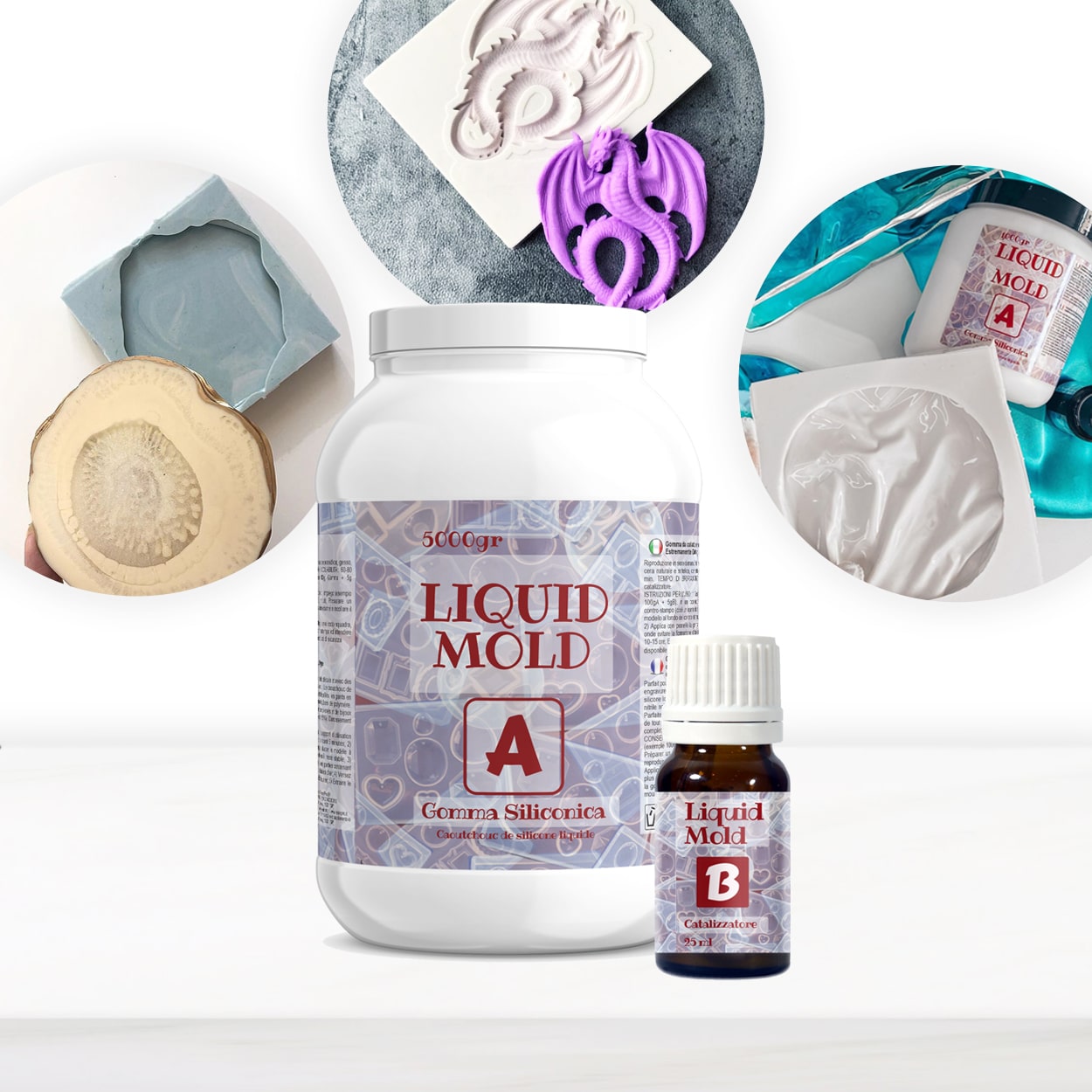
Ensuring silicone glue or liquid rubber doesn’t stick to your original model is key to perfect mould making. Using a proper release agent makes clean removal possible and helps retain every fine detail.
Choosing and Applying a Release Agent
Before you pour or mould with silicone, apply a compatible release agent to your model’s surface. This could be a specialist spray made for use with silicone rubbers, or in some cases, a thin layer of petroleum jelly or similar product if compatible with your materials. Ensure an even, thin coating—too much can obscure delicate details, while too little can fail to prevent sticking. Always check that your chosen release agent suits the silicone product you’re using, as some can react or inhibit curing.
Techniques for Trouble-Free Demoulding
Prepare your model by cleaning away dust or oils. Once your release agent is applied, mix and pour your silicone as usual—products like “Liquid Mould” casting liquid silicone rubber are designed to capture fine details when used with an appropriate release. After curing fully, gently flex or separate the silicone mould from the model, taking care around complex details. If any part feels resistant, pause and check for missed spots or excess undercuts.
When This Matters Most
- If you’re moulding intricate patterns, delicate items, or using precious originals, proper release is vital to prevent breakage or moulding mishaps.
- For repeated mould making, consistent use of release agent helps your silicone moulds last longer and produce sharper results.
Related products
Related guides
Mastering release techniques makes silicone mould making smoother and more reliable. For further insights and step-by-step mould creation with silicone glues, revisit our main guide: How to make rubber using silicone glue?