 Free shipping on orders over £29,85
  Shipping Tracking!


 Google
 Facebook
← Back to How to make rubber using silicone glue?
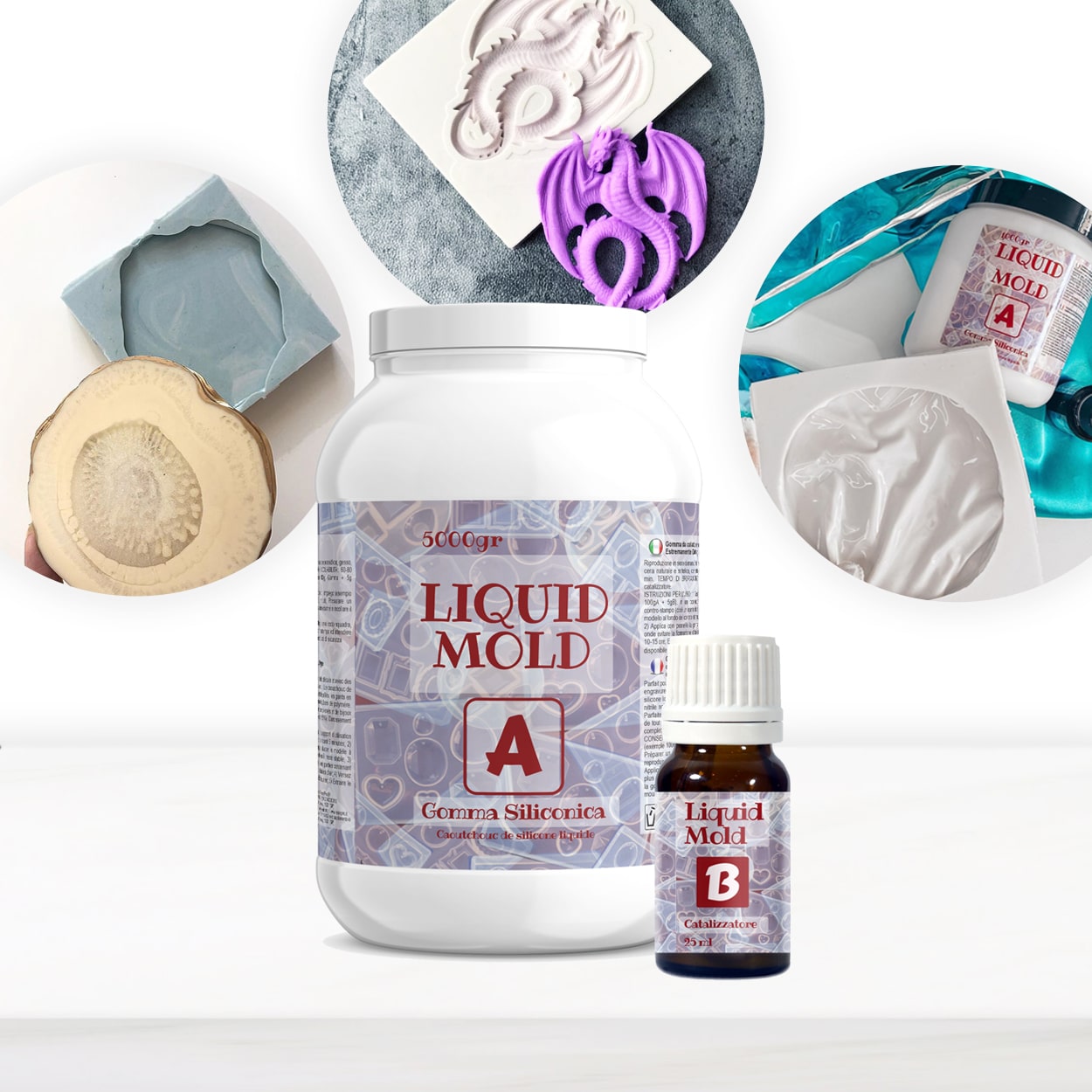
Finding sticky or soft patches on your cured silicone rubber can be frustrating, particularly when you’re aiming for crisp and reliable moulds. Let’s take a closer look at what might be causing this, how to avoid it, and what steps you can take next.
Main Causes of Sticky or Soft Spots
Sticky patches on cured silicone are most often caused by incomplete mixing or the incorrect ratio of parts A and B. If the two components are not measured and blended correctly, the chemical reaction needed for complete curing doesn’t occur, leaving some areas unreacted and tacky to the touch. Using dirty or contaminated mixing tools may also contribute to an improper cure.
How to Prevent Sticky Patches
- Measure accurately: Always use digital scales or graduated cups to achieve the right ratio as stated in the product instructions. Some products, like “Pure Mould” Translucent Liquid Silicone Rubber, require a 1:1 ratio, while others may differ.
- Mix thoroughly: Scrape the sides and bottom of your mixing container several times to ensure no unmixed material remains.
- Use clean tools: Avoid contamination by cleaning tools between uses and working in a dust-free environment.
When This Matters Most
If you’re making detailed or multi-use moulds—such as for resin casting, soaps, or waxes—even minor stickiness can ruin both the mould and your finished objects. Correct measuring and mixing are especially important for intricate pieces requiring clean, crisp detail.
Related products
Related guides
By focusing on accurate measurement and careful mixing, you’ll achieve consistent, fully cured silicone rubber without soft spots. For further details on proper mixing techniques and mould making advice, see our main guide on how to make rubber using silicone glue.