 Free shipping on orders over £29,85
  Shipping Tracking!


 Google
 Facebook
← Back to How to make rubber using silicone glue?
Keeping your leftover silicone glue and casting components in good condition is essential if you want to achieve consistent moulding results and avoid waste. Correct storage extends shelf life and preserves quality for future projects.
Where and How to Store Silicone Glue
Unused silicone glue, as well as the bi-component bases or putties for mould making, should always be stored in airtight containers. Exposure to air, even in small amounts, may begin the curing process or introduce unwanted moisture.
- Keep sealed tightly between uses
- Store at standard room temperature to avoid hardening or separation
- Avoid keeping containers near direct sunlight or sources of heat
Protecting Your Components from Moisture and Sunlight
Dampness can compromise both silicone glues and their catalysts or activators. Always ensure lids are secure and containers are stored in a dry place. Direct sunlight can degrade the quality and consistency, so choose a shaded cupboard or shelf away from windows. For extra peace of mind, you can use silica gel packets to reduce residual humidity inside your storage container.
When Careful Storage Matters Most
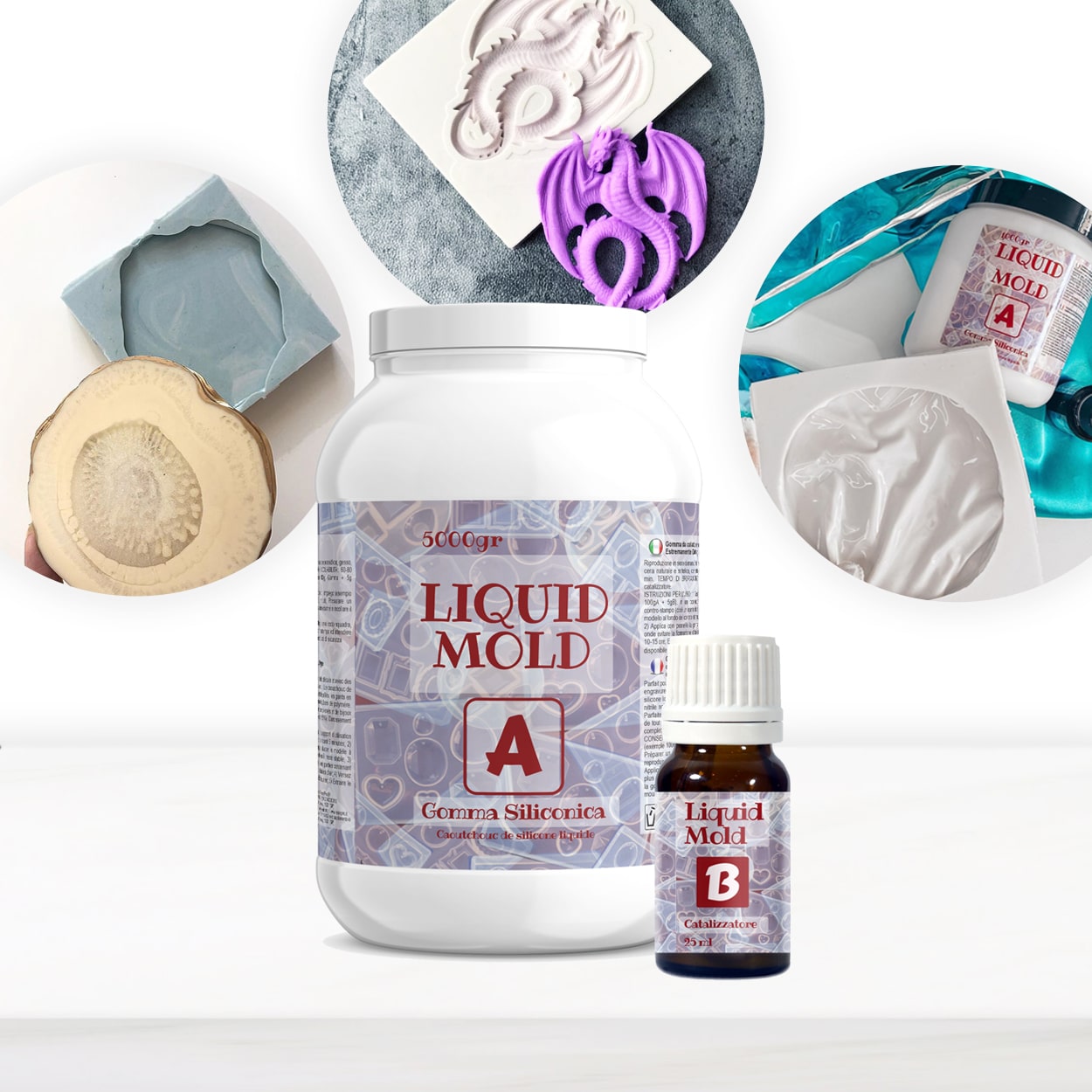
Careful storage is particularly important if you purchase silicone in larger quantities, such as with the “Liquid Mould” Casting Liquid Silicone Rubber, or if your workshop is subject to temperature or humidity changes. Consistent storage practice helps prevent premature curing and ensures your materials remain easy to mix and pour when needed.
Related products
Related guides
Taking a moment to store your silicone glue and rubber components correctly helps you get the best from every moulding project. To explore the right products for your next creation, return to our main guide on making rubber with silicone glue.