 Free shipping on orders over £29,85
  Shipping Tracking!


 Google
 Facebook
← Back to How do you make closed moulds for model-making resin?
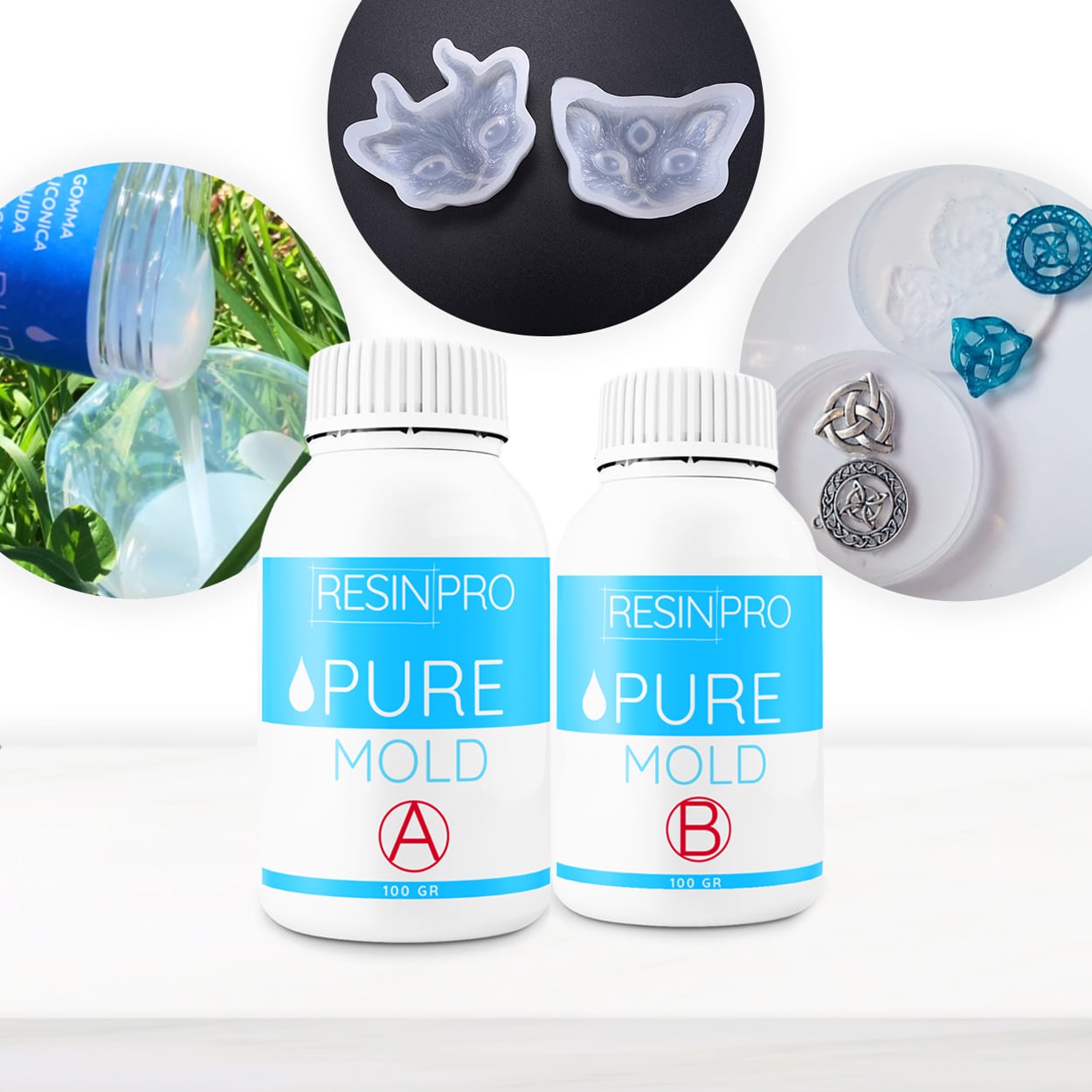
Air bubbles are a common challenge when making closed moulds for model-making resin. With a few thoughtful techniques, you can dramatically improve the clarity and detail of your finished castings.
Careful Pouring Methods
To minimise trapped air, always pour your mixed silicone rubber into the mould box slowly and from one corner. This allows the material to gently rise and cover the model, enabling trapped air to escape ahead of the advancing silicone. Avoid pouring directly onto the model, as this tends to encapsulate air around detailed or vertical surfaces. For products like the Pure Mould Translucent Liquid Silicone Rubber, the excellent flow helps pick up fine details while encouraging air to migrate upward and away from the working area.
Using Pressure Chambers and Additional Techniques
For highly detailed pieces or professional-quality castings, consider using a pressure chamber to crush micro bubbles during silicone curing. This step is especially valuable for miniatures or intricate jewellery masters. Alternatively, gently agitate the mould box after pouring to raise visible bubbles to the surface before the silicone sets. Tapping the sides can also free bubbles clinging to textured areas.
When Minimising Bubbles Matters Most
- When casting transparent or translucent resin pieces where clarity is crucial
- For fossil, jewellery, or miniature models with fine textures
- If using fast-setting or highly viscous silicones where bubbles may become trapped more easily
Related products
Related guides
Reducing bubbles in your closed silicone moulds ensures crisp detail and minimal finishing work on your casts. For more insights on successful resin model mould-making, visit our main closed moulds for model-making resin guide.