 Free shipping on orders over £29,85
  Shipping Tracking!


 Google
 Facebook
← Back to How do you make closed moulds for model-making resin?
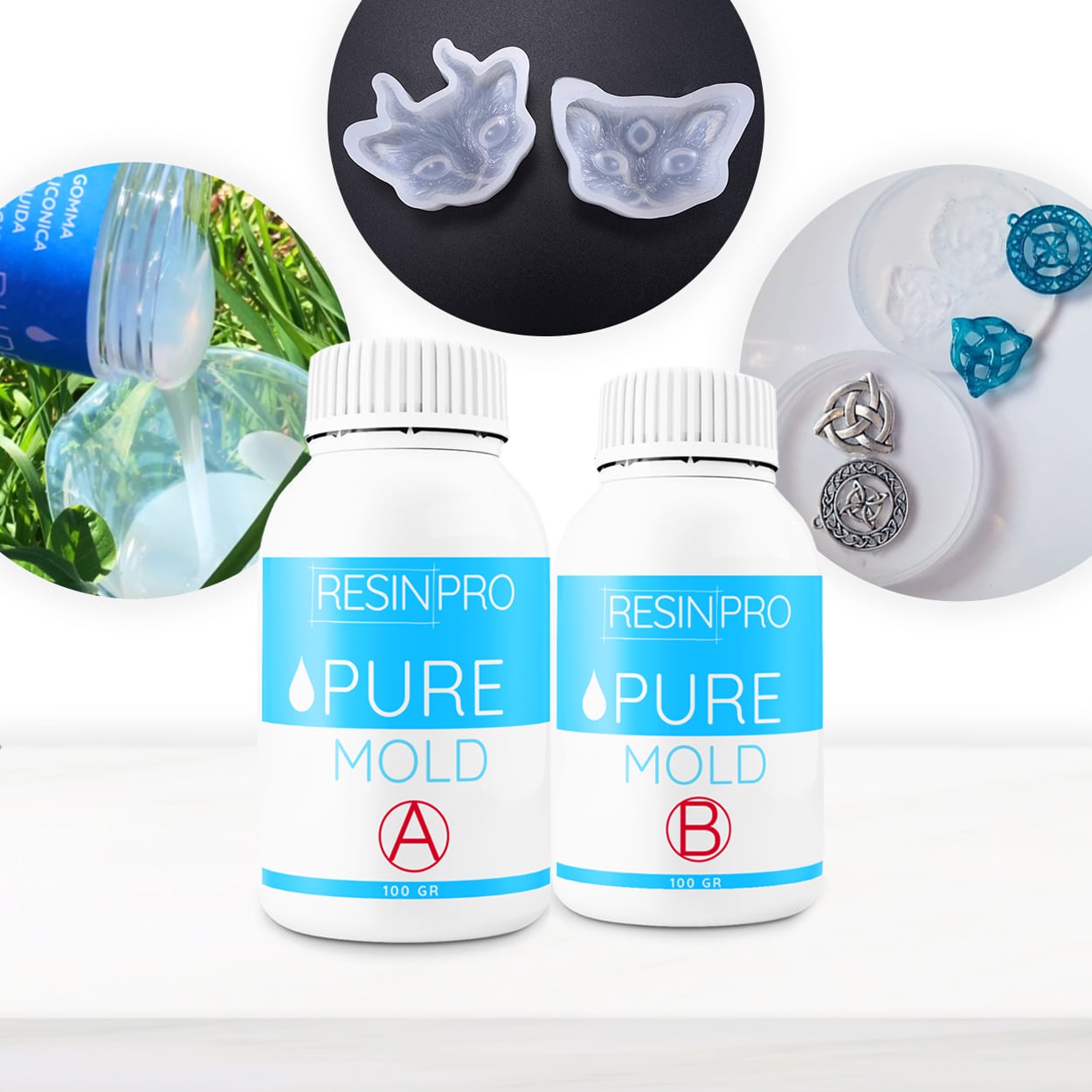
Choosing between a flowable liquid silicone and a silicone putty can make all the difference in the quality and ease of your model-making project. Each has its strengths and is best suited for certain moulding needs.
Flowable Liquid Silicone: Best for Intricate and Deep Moulds
Liquid silicone is ideal when you need to capture fine details, delicate textures, and features such as deep cuts or undercuts in your models. Its runny consistency allows it to flow into every nook and cranny, ensuring an accurate reproduction. This makes it especially suitable for sculpted miniatures, jewellery prototypes, and items with complex or layered surfaces.
- Provides a smooth and precise finish
- Best for objects with intricate design or depth
- Handles noticeable undercuts without tearing
If your project calls for these qualities, consider using a specialist product like “Pure Mould” – Translucent Liquid Silicone Rubber for Mould Making, designed for clarity and detail.
Silicone Putty: Simple and Fast for Basic Moulds
Silicone putty offers speed and convenience for moulding small, flat, or simply shaped objects. Its dough-like texture makes it easy to mix and apply directly by hand, often with minimal mess. It’s ideal for crafts, simple shapes, and projects where high detail isn’t essential.
- Quick hand-mixing (often a 1:1 ratio)
- Best for coasters, flat pendants, coins, or medallions
- No need for complex mould boxes or containment
When to Choose One Over the Other
Opt for liquid silicone if your model has deep reliefs, difficult angles, or you need to capture fine textures. Use putty for straightforward projects or when a quick mould is required with minimal setup. Consider the size, shape, and required detail before deciding.
Related products
Related guides
Understanding your model’s complexity helps you select the most suitable mould-making material. To dive deeper into closed mould techniques for model-making resin, see our main guide for more tips and product recommendations.