 Free shipping on orders over £29,85
  Shipping Tracking!


 Google
 Facebook
how to make repairs with resin
Step-by-step guide for practical and lasting resin repairs

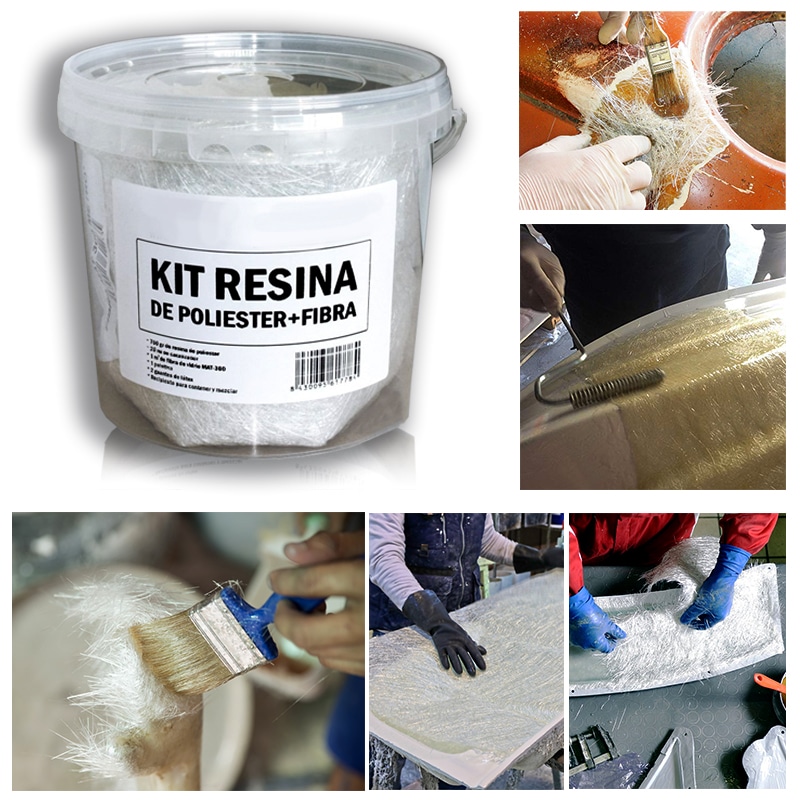
Discover how to restore and reinforce a variety of materials using resin. Whether you’re repairing fibreglass, wood, or composite surfaces, mastering resin repairs ensures your fixes are durable, waterproof, and long-lasting.
What You’ll Need
- Resin Fibreglass Repair Kit – Complete Polyester Resin and Hardener Set: A complete kit for waterproof and impact-resistant repairs using polyester resin and fibreglass matting.
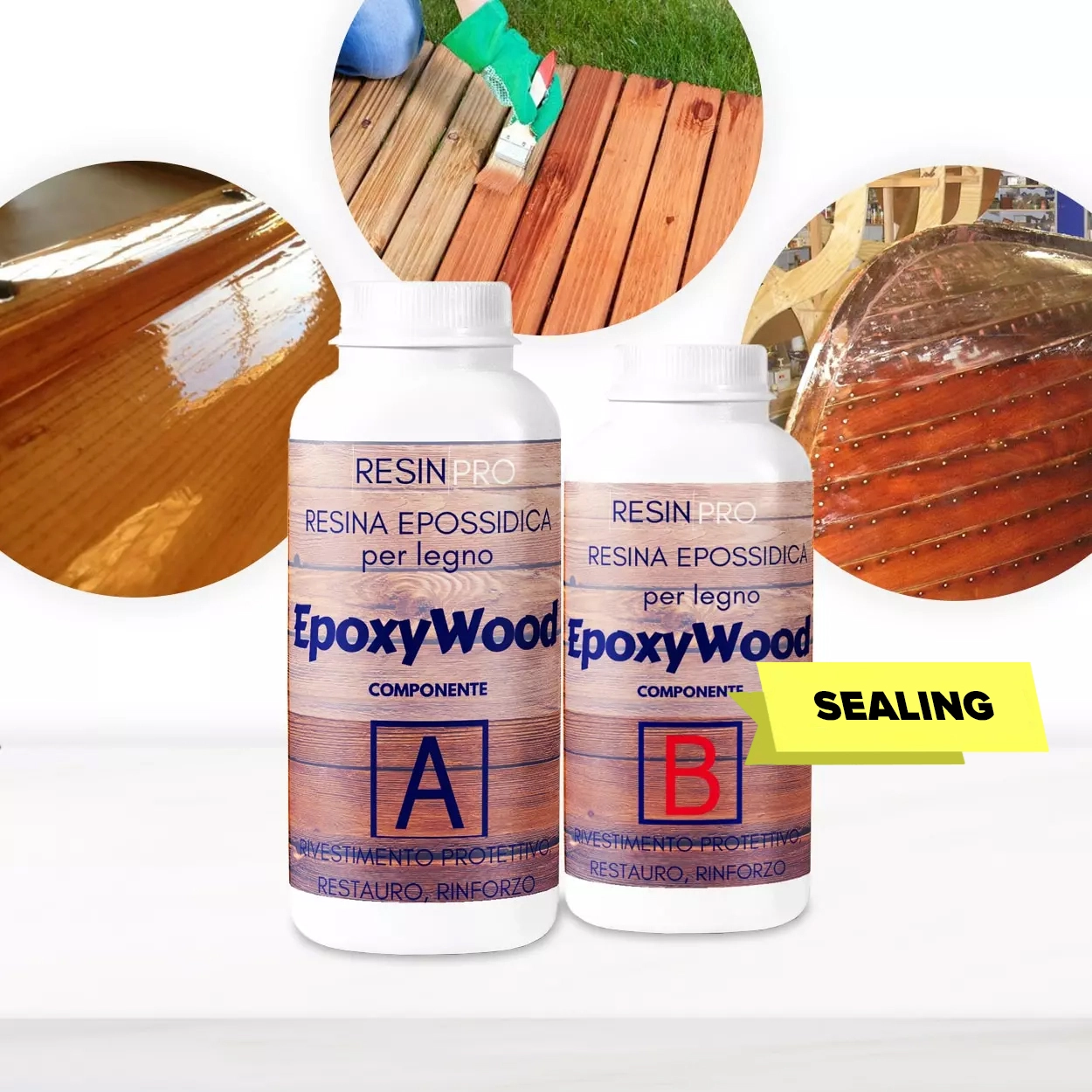
- “EpoxyWood” – Wood Restoration Epoxy Resin for Deep Penetration and Waterproofing: Designed for reinforcing and waterproofing wooden surfaces with a natural, warm finish.
- “Trasparente” – Multipurpose Clear Epoxy Resin for Casting – Up to 2cm: A multipurpose clear epoxy resin designed for casting layers up to 2cm with high clarity and UV protection.
- Protective gloves, mixing containers, and application tools (often included in repair kits)
- Sandpaper (various grits for prepping and finishing the surface)
- Cloths and cleaning solution (for removing dust, grease, and dirt)
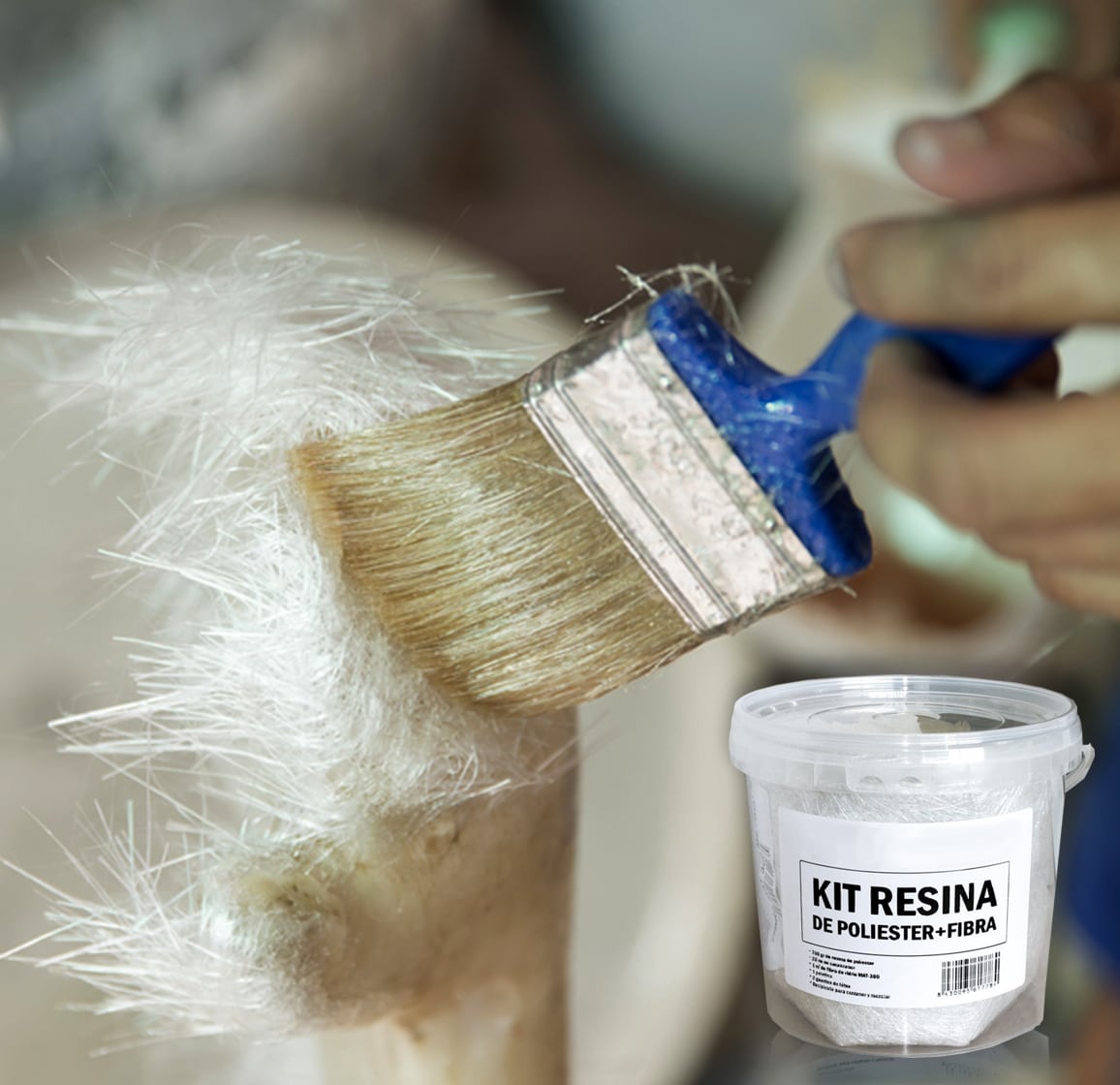
Visual Preparation Examples
See how a clean, sanded surface makes all the difference in resin repairs. Preparation is key — take a moment to visualise spotless wood grain or a well-scuffed fibreglass patch before starting your repair project.
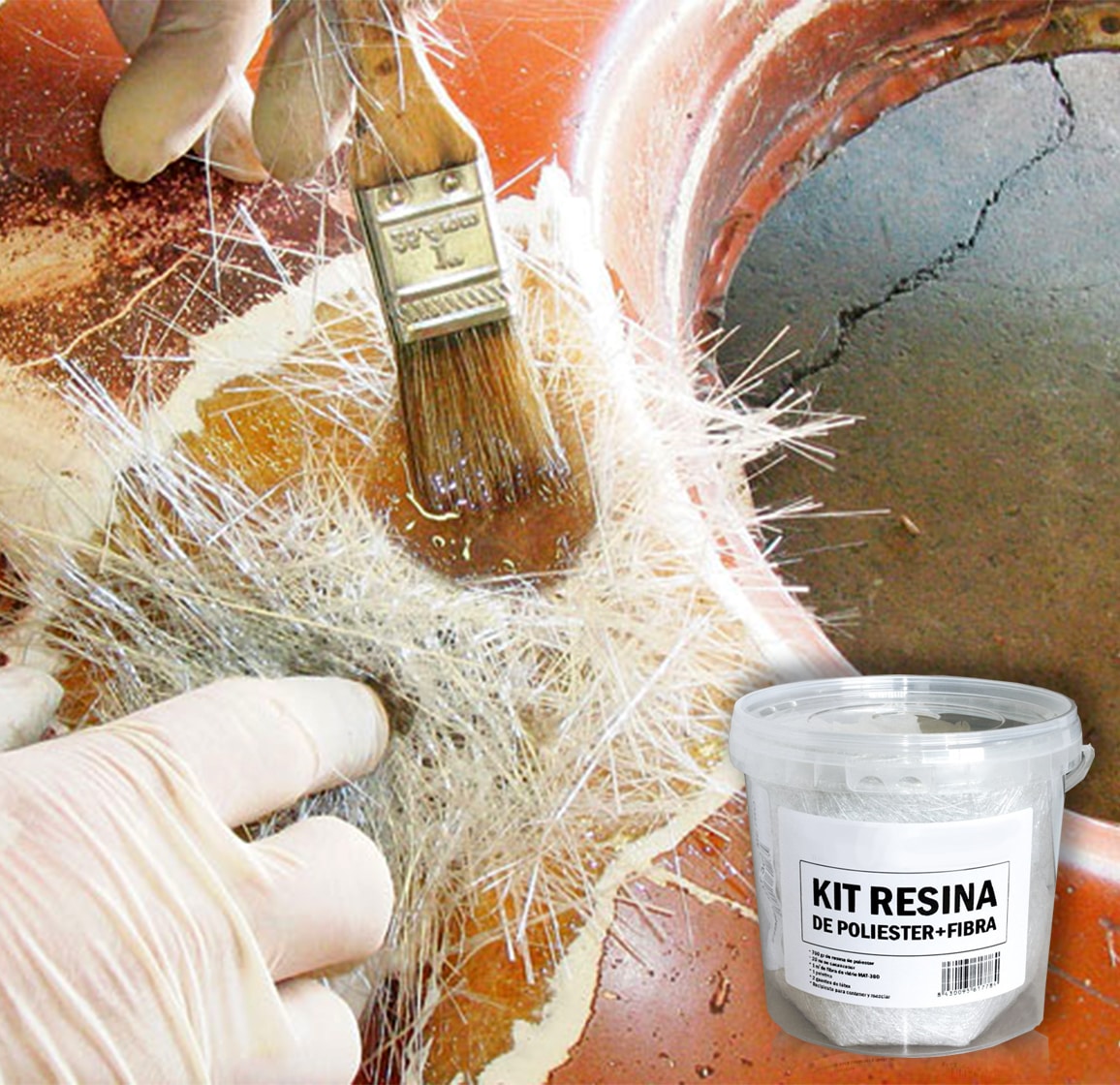
Step 1: Prepare and Clean the Surface
Always wear gloves and work in a well-ventilated area for safety. Begin by thoroughly cleaning the damaged surface using a suitable cleaning solution. Remove any dust, grease, or old paint to improve adhesion. For wood and fibreglass, lightly sanding the area creates a better bonding surface for the resin. Ensure the damaged area is clean, dry, and free of loose debris before applying resin, as contaminants can compromise the repair’s strength.
Step 2: Mix the Resin Correctly
Mix your resin accurately according to the product instructions. Different resins—such as polyester or epoxy—require specific hardener ratios and thorough blending for optimum results. For structural fibreglass or composite repairs, the Resin Fibreglass Repair Kit – Complete Polyester Resin and Hardener Set includes a pre-calculated amount of hardener and all necessary mixing tools, making this step straightforward. Pay careful attention to mixing time and temperature, as improper mixing might prevent complete curing.
Step 3: Apply the Resin to the Repair Area
Once mixed, apply the resin methodically to completely cover the repair. If using fibreglass matting, saturate the mat with resin and layer it smoothly over the repair zone, pressing out any bubbles for maximum adhesion. For wood restoration or waterproofing, products like “EpoxyWood” – Wood Restoration Epoxy Resin for Deep Penetration and Waterproofing allow deep penetration—apply generously, letting the resin soak in and reinforce the structure from within. For clear or cosmetic repairs, use “Trasparente” – Multipurpose Clear Epoxy Resin for Casting – Up to 2cm in thin, controlled layers up to the recommended thickness.
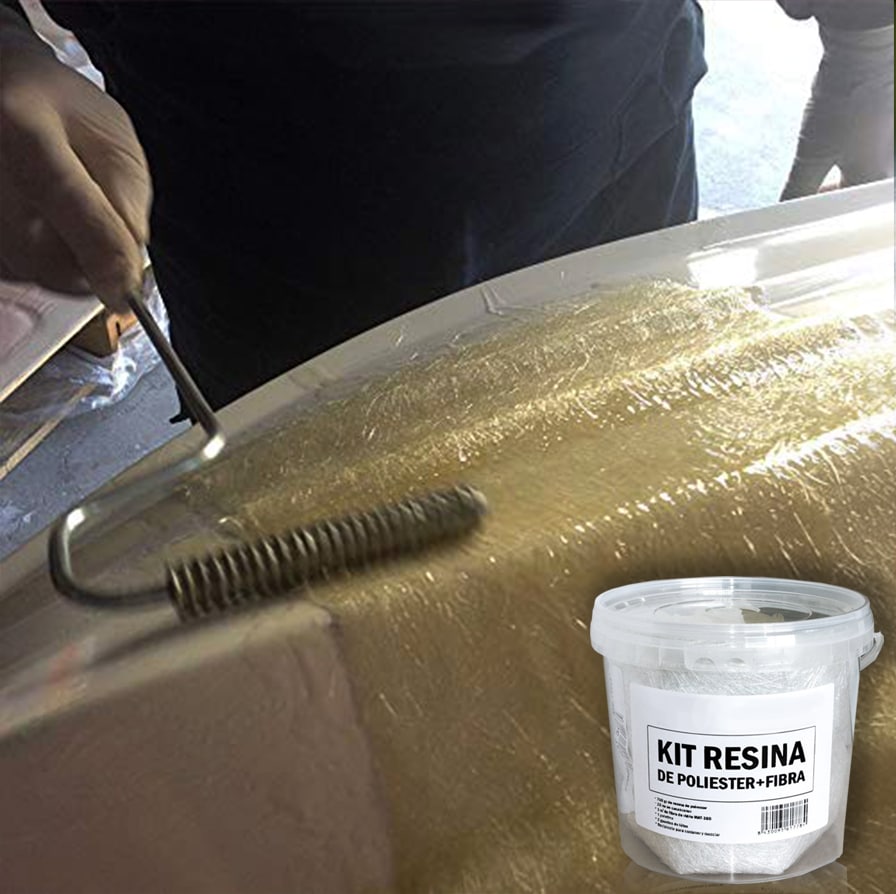
Step 4: Finish, Level, and Cure the Repair
Carefully smooth out the resin to ensure even coverage and a seamless look. Remove any excess material, and repeat the coating process if extra strength or thickness is needed. Allow sufficient curing time as recommended for your chosen resin. Avoid moving or stressing the repair area during this period. Once cured, sand and polish if necessary for a professional finish that blends with the surrounding material.
Tips and Common Mistakes to Avoid
Resin repairs require attention to detail. Over-applying resin or failing to remove loose material before repair can weaken the bond. Work within the recommended temperature range for your specific resin, and do not rush the mixing or curing stages. Always pretest on a small area if working with unfamiliar surfaces. Store leftover resin as instructed to avoid spoilage for future repairs.
See Mistakes and Perfect Results Side-by-Side
Notice the clear difference between a poorly prepared resin repair and one finished with attention to detail. Proper surface prep, accurate mixing, and careful application lead to crisp, nearly invisible repairs that last.
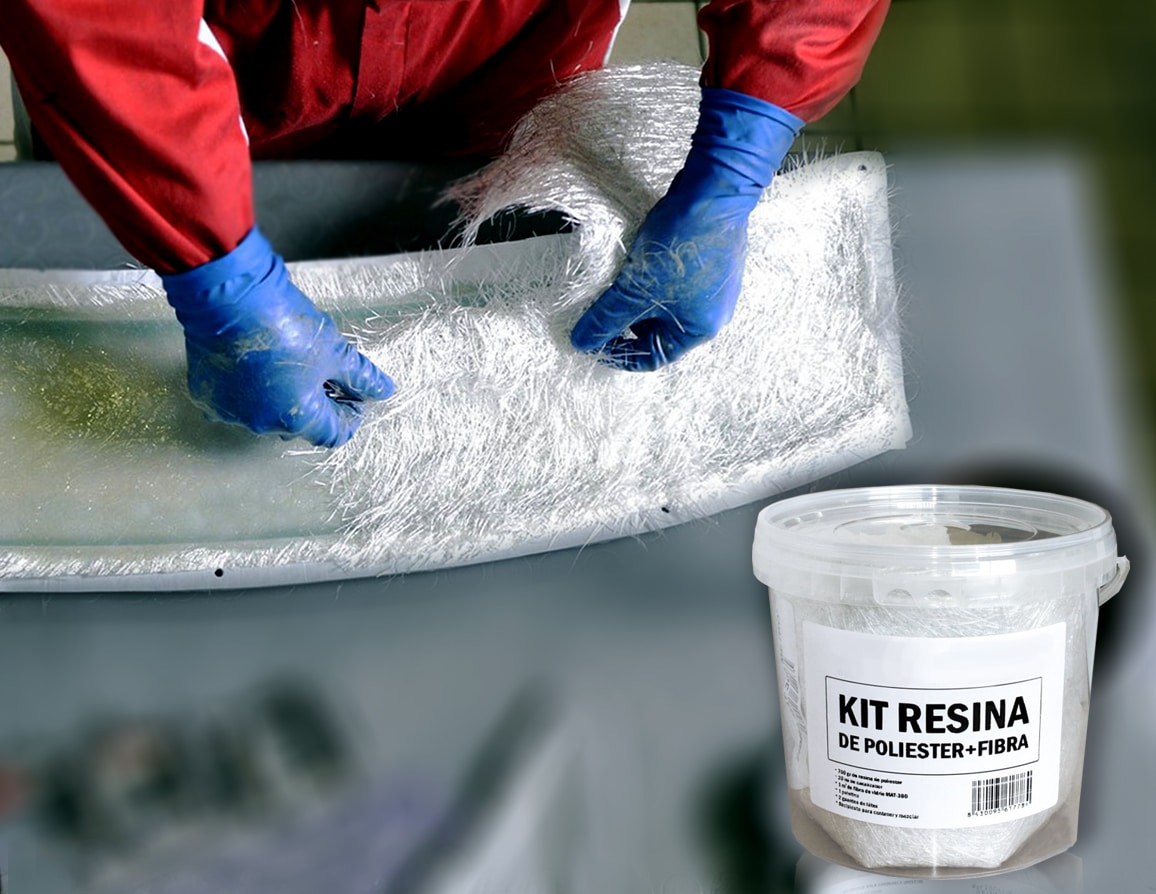
- Resin Fibreglass Repair Kit – Complete Polyester Resin and Hardener SetPrice range: £13.85 through £22.85The Resin Fibreglass Repair Kit is designed for repairs using resin with easy instructions and a complete fibreglass kit for structural reinforcement.
- "EpoxyWood" – Wood Restoration Epoxy Resin for Deep Penetration and WaterproofingOriginal price was: £64.00.£39.85Current price is: £39.85.EpoxyWood is suited for repairs with resin on wooden surfaces, providing deep penetration and waterproofing with a natural finish.
 "Trasparente" – Multipurpose Clear Epoxy Resin for Casting – Up to 2cmPrice range: £8.45 through £948.85"Trasparente" offers a clear, scratch-resistant finish for repairs requiring up to 2cm layers, suited for artistic and restorative uses.
Frequently Asked Questions
How do I choose the right resin for my repair?
Match the resin to the material—use polyester for fibreglass, penetrating epoxy for wood, and clear epoxy for cosmetic or shallow fixes.
How long does resin need to cure?
Cure time varies, but most resins require at least 12–24 hours undisturbed for a strong, reliable bond.
What safety measures should I take with resin repairs?
Always wear gloves, work in a ventilated area, and avoid skin contact or inhalation of fumes.
What are common mistakes to avoid when using resin for repairs?
Insufficient surface cleaning, inaccurate mixing, and rushing curing can all lead to weak repairs or poor appearance.
Is resin repair suitable for beginners?
Yes, most kits include clear instructions and are user-friendly. Start with small areas to build confidence.
Which surfaces can I repair with resin?
You can repair fibreglass, wood, metal, rigid plastics, and some ceramics as long as surfaces are properly prepared.