 Free shipping on orders over £29,85
  Shipping Tracking!


 Google
 Facebook
How to Make a Resin Bath
Transform your bathroom with a stunning, bespoke resin bath. This guide covers every stage of the process, from setting up the formwork to achieving a flawless, glass-like finish. Whether you are a DIY enthusiast or an advanced crafter, these steps will help you create a beautiful and durable resin bath for your home.
Step-by-step instructions for a glossy, lasting finish

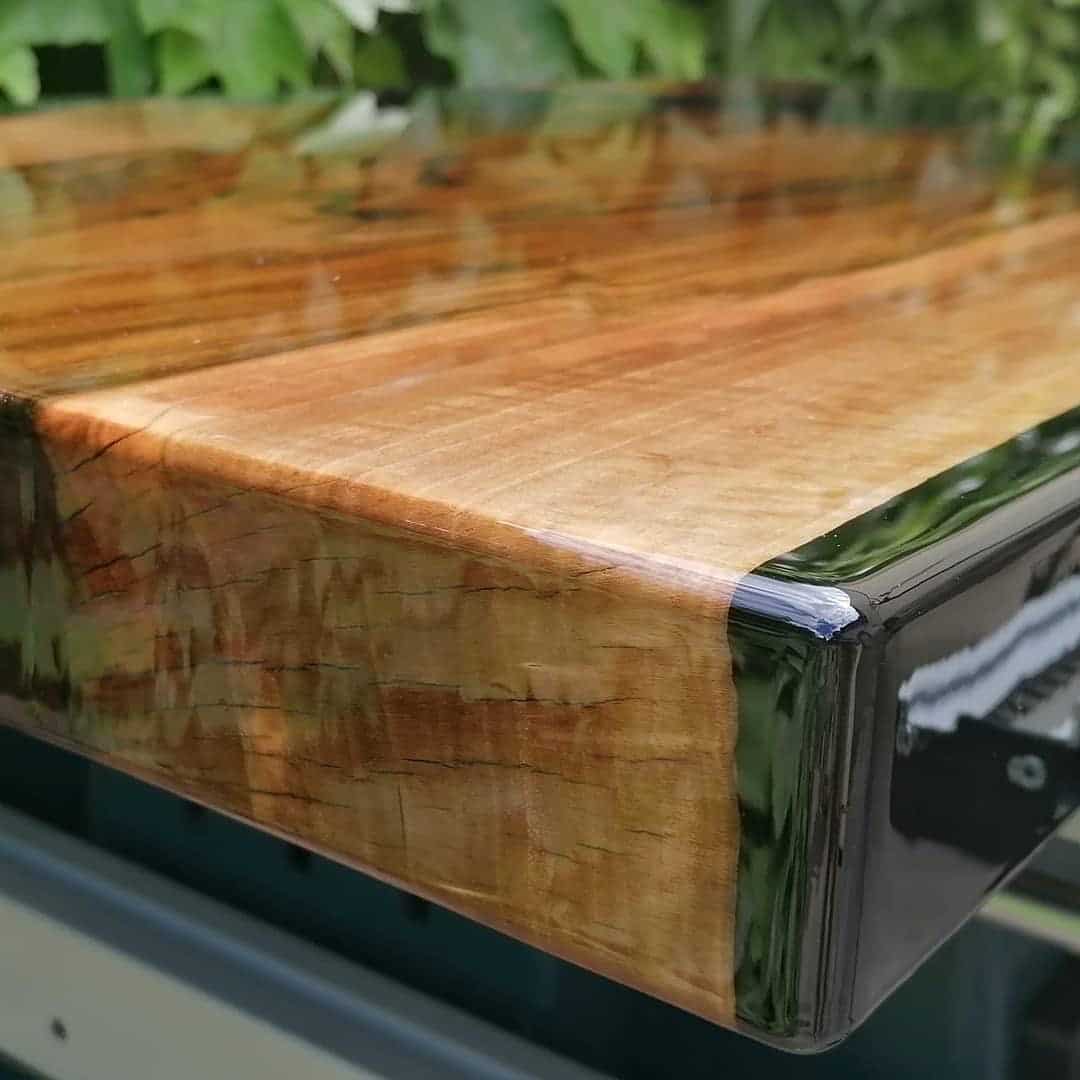
What You’ll Need
- “Epoxytable 10-Ten” – Deep Pour Epoxy Resin for Tables, Up to 10cm Casting: Ideal for deep pour areas and creating seamless surfaces.
- “EpoxyTable 5-Five” – Deep Pour Epoxy Resin for Tables and Large Projects – Up to 5cm: Suitable for layers up to 5cm, perfect for multi-pour approaches.
- “River-Table” – Complete Kit for Creating Your First Epoxy Resin Table: Helpful for beginners, including sealing and polishing accessories.
- “Trasparente” – Multipurpose Clear Epoxy Resin for Casting – Up to 2cm: For detailing, decorative inlays or thin layers.
- Mould/frame for the bath structure
- Release agent or film
- Personal protective equipment (gloves, goggles, mask)
- Mixing jugs and stirrers
- Heat gun or torch (for bubbles)
- Sandpaper and polishing accessories

Essential Materials for a Flawless Finish
Select the right epoxy resin and ensure tools are organised before you start. Good preparation is the key to achieving a perfect, glossy resin bath with long-lasting durability.
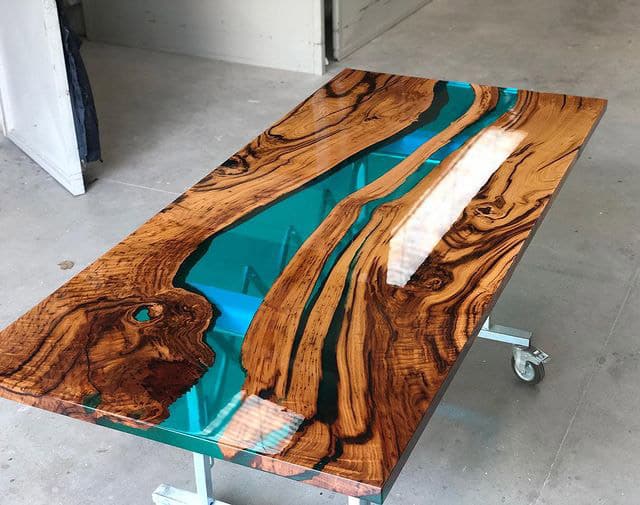
Step 1: Prepare the Mould and Work Area
Carefully prepare your bath mould or framework by ensuring it is smooth, level, and fully sealed. A clean, dust-free environment is essential to avoid imperfections in your resin surface. Use a suitable release agent or a specialised release film to line the mould, making demoulding far easier and preventing the resin from adhering to surfaces where it should not.
Double-check water-tightness of the framework—any leaks could ruin the pour. Set up your project in a well-ventilated, temperature-controlled area, away from direct sunlight and moisture.
Step 2: Mix and Prepare Your Resin
Always wear protective gloves and eyewear when handling resin chemicals. Depending on the layer thickness required, select an appropriate resin type: use “Epoxytable 10-Ten” – Deep Pour Epoxy Resin for Tables, Up to 10cm Casting for thick single pours and larger surfaces, or opt for “EpoxyTable 5-Five” – Deep Pour Epoxy Resin for Tables and Large Projects – Up to 5cm when pouring multiple thinner layers. Measure your resin and hardener according to the manufacturer’s instructions.
Mix your resin thoroughly but gently to combine both parts without introducing excess air. For very large pours, mix in batches and pour sequentially to minimise heating and potential exothermic reactions. If adding colour pigments, blend them in after the resin and hardener are fully mixed.
Step 3: Pour and Cure the Resin Bath Layers
Avoid pouring layers thicker than your resin allows, as exceeding recommended thickness can cause overheating, discolouration or warping. Pour the resin slowly into the mould, starting with the deepest part first. Use a heat gun or torch to release trapped air bubbles on the surface as you go.
When layering, allow each pour to partially cure according to product guidance before starting a new one. “River-Table” – Complete Kit for Creating Your First Epoxy Resin Table can assist with sealing edges or polishing between layers. Maintain steady room temperature throughout, as this helps with bubble release and consistent curing.
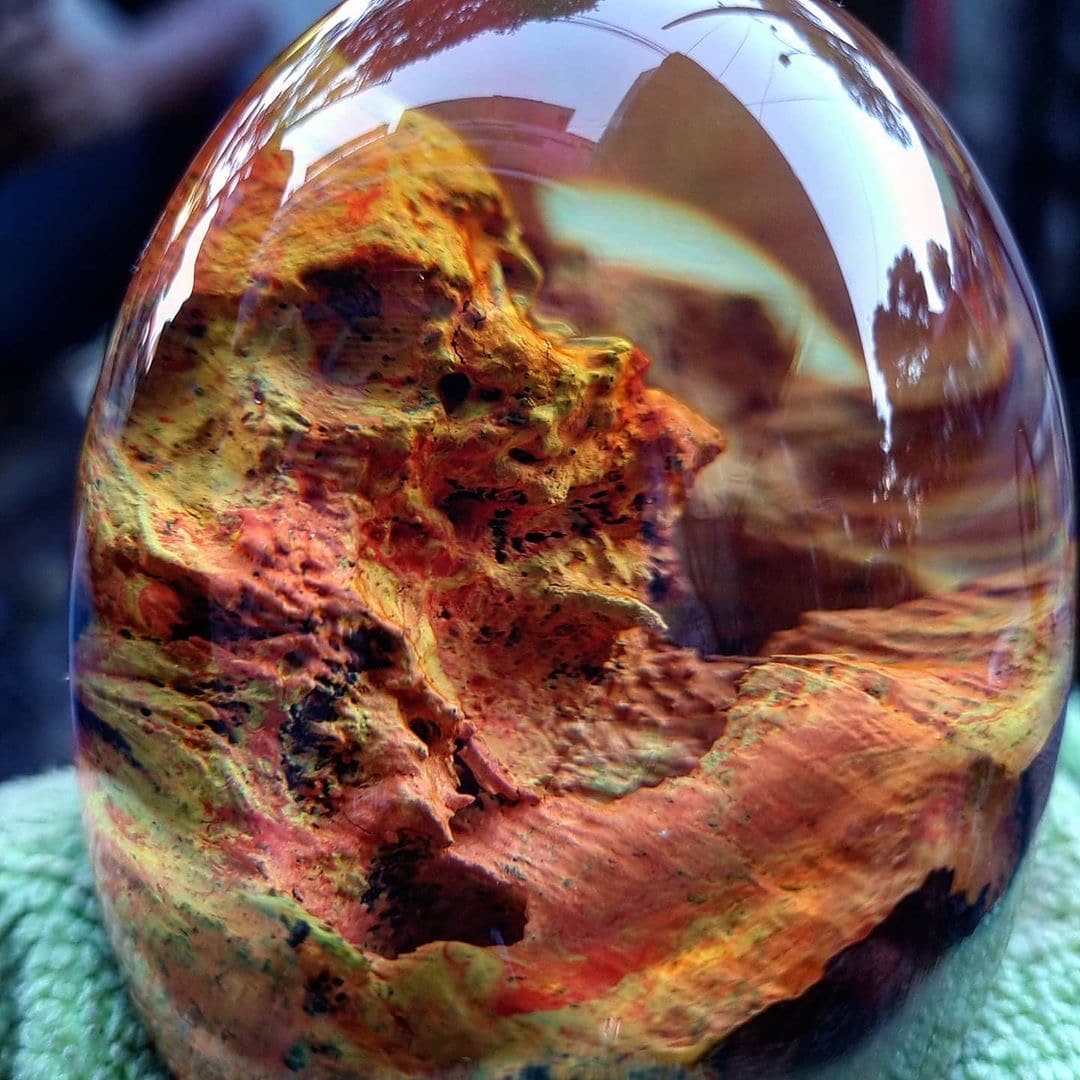
Step 4: Demould, Finish, and Polish
Once the resin is fully set, gently remove your bath from the mould, taking care not to damage edges. Sand down any rough or uneven areas, working through progressively finer grits to achieve a smooth finish. For a high-gloss result, polish the resin using suitable pads and cream, such as those included in the “River-Table” kit, or a purpose-made resin polish.
Allow full curing before moving or using the bath. Complete curing can take several days, depending on the resin type and layer thickness. Only install and use the bath once it feels firm, non-tacky, and stable.
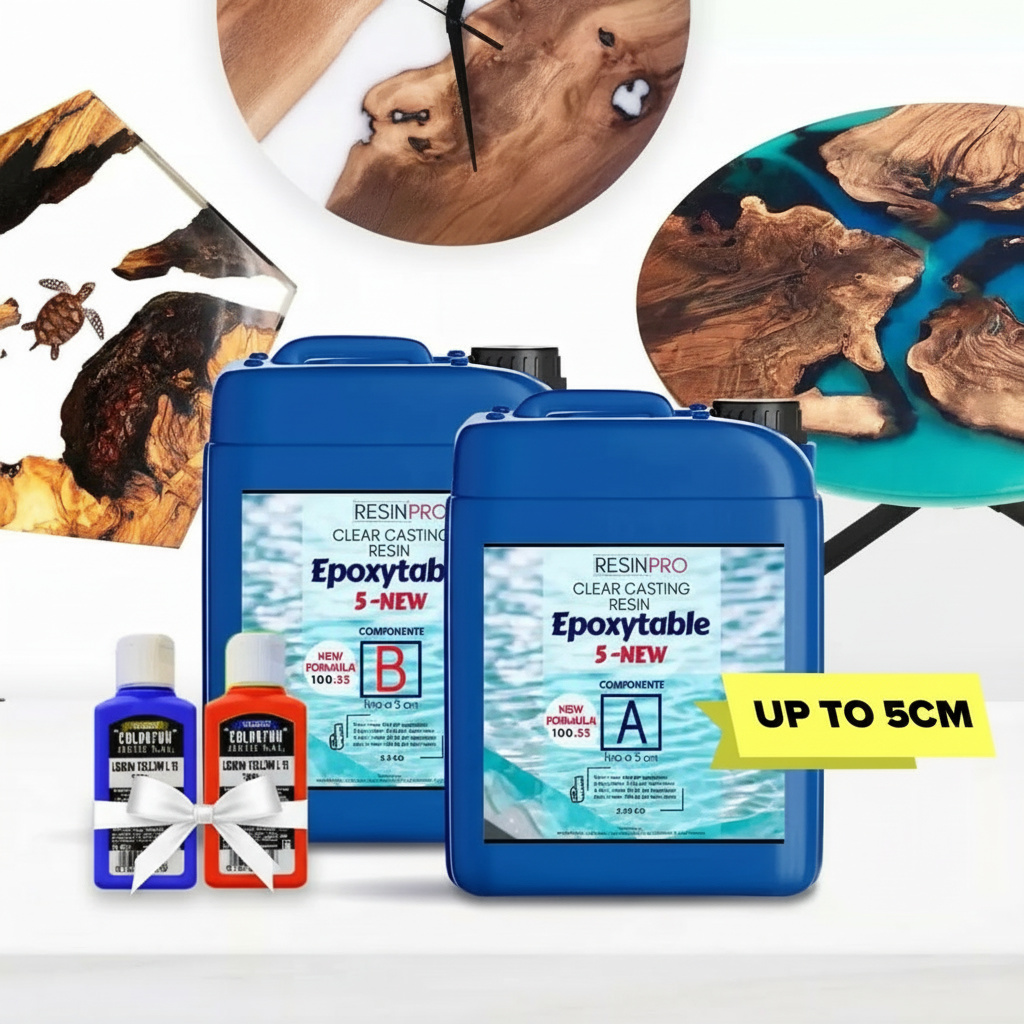
Tips, Common Mistakes and Troubleshooting Resin Baths
Work patiently; rushing any step can lead to bubbles, uneven curing, or delamination. Always choose a resin formulated for your intended layer thickness—do not exceed this limit. Test pigments and embedding décor on a sample first, as some additives can hinder curing or clarity. For patching small flaws or pinholes, use a thin coat of “Trasparente” – Multipurpose Clear Epoxy Resin for Casting – Up to 2cm as a finishing layer.
Expert Tips for Perfecting Your Resin Bath
Keep temperature consistent, avoid direct sunlight while curing, and allow extra time for thicker pours to set. These steps help prevent yellowing, cracking, and surface flaws in your finished bath.

- “Epoxytable 10-Ten” – Deep Pour Epoxy Resin for Tables, Up to 10cm CastingPrice range: £33.85 through £334.85Epoxy resin designed for super-deep pouring up to 10cm, suitable for tables and large artistic castings within a resin bath theme.
- "EpoxyTable 5-Five" – Deep Pour Epoxy Resin for Tables and Large Projects – Up to 5cmPrice range: £16.85 through £1,099.85"EpoxyTable 5-Five" is designed for deep pouring in tables and large projects up to 5cm. It features non-yellowing UV filters and a scratch-resistant…
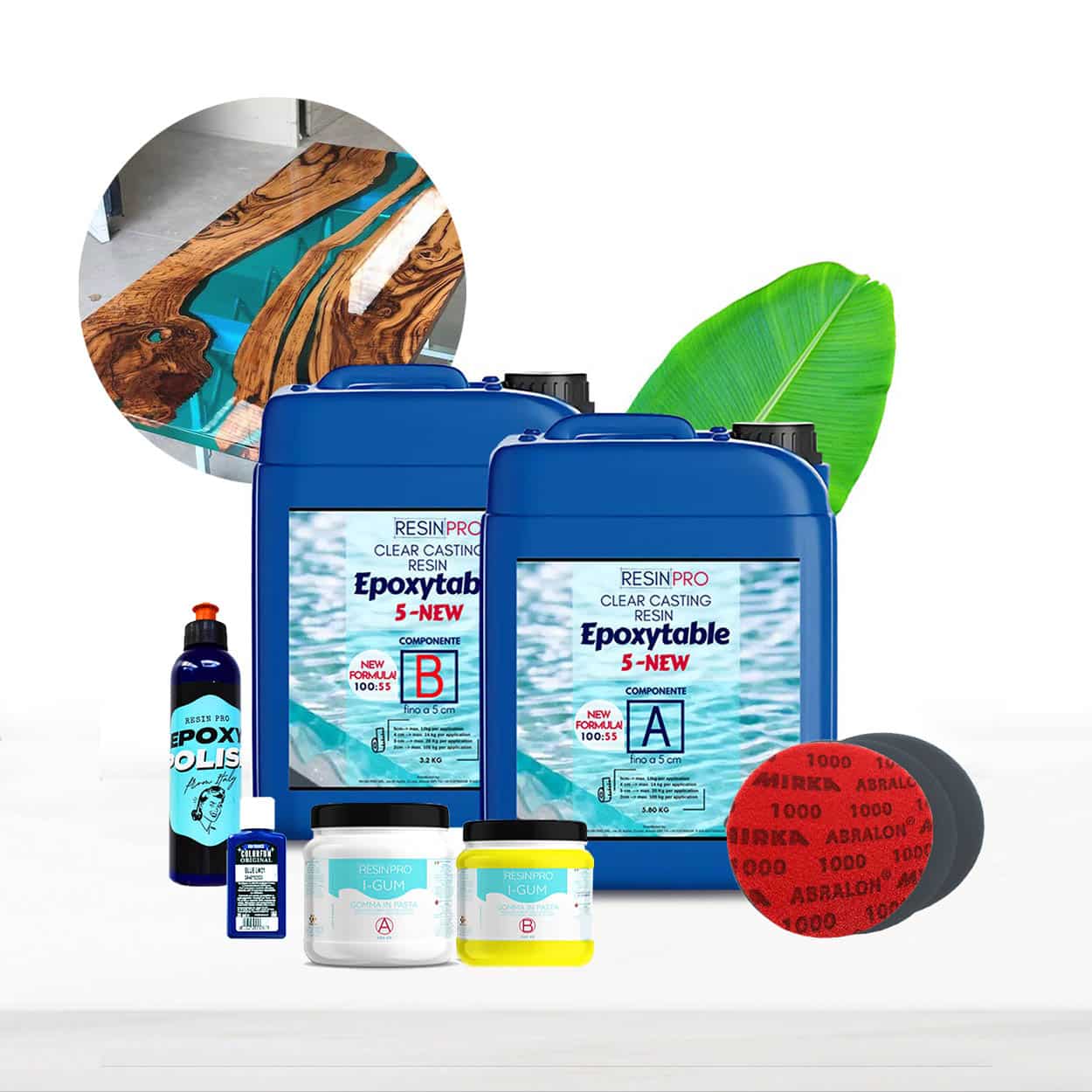 "River-Table" – Complete Kit for Creating Your First Epoxy Resin TablePrice range: £188.85 through £444.85"River-Table" kit includes materials and instructions to create a resin and wood table as part of the How to Make a Resin Bath theme.
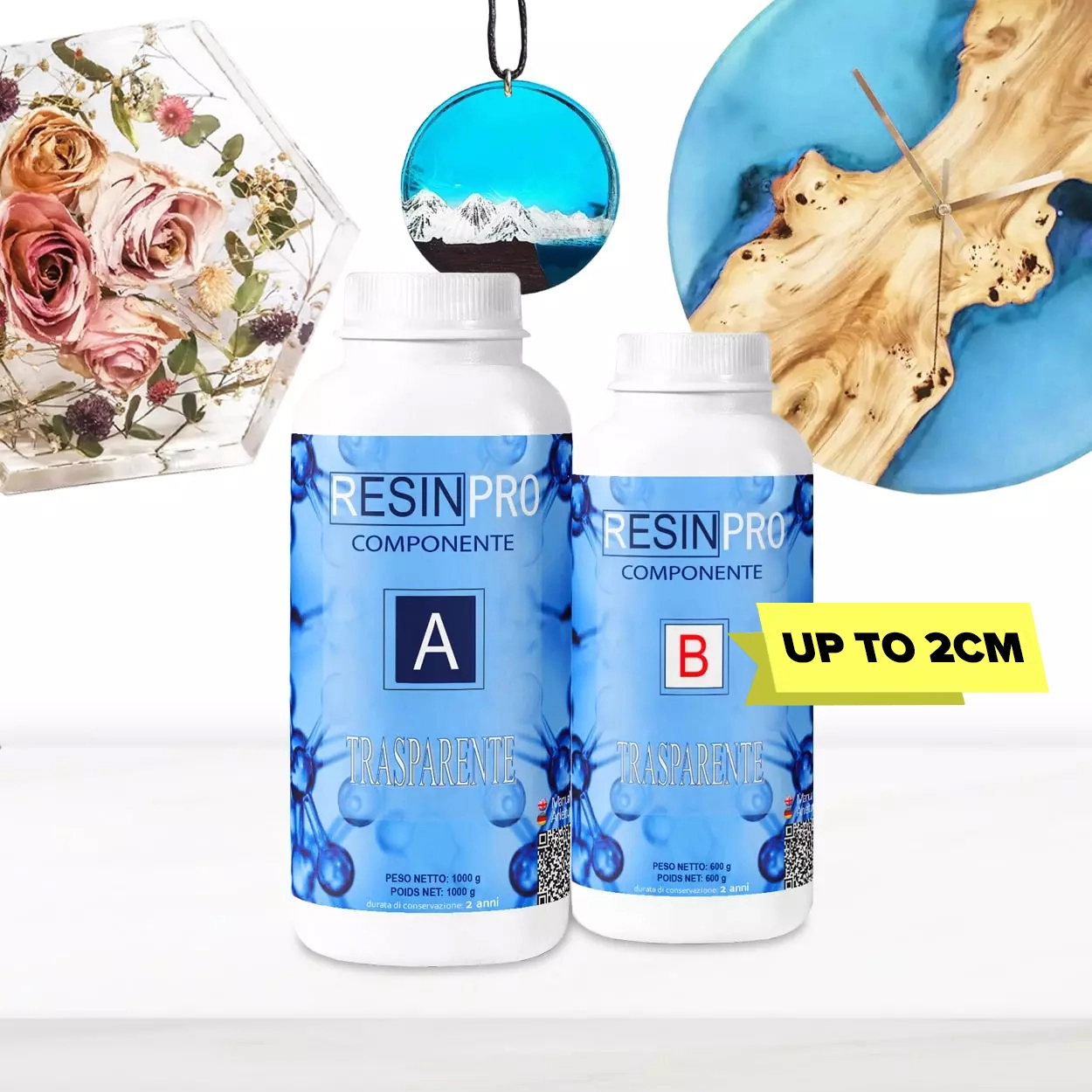 "Trasparente" – Multipurpose Clear Epoxy Resin for Casting – Up to 2cmPrice range: £8.45 through £948.85"Trasparente" delivers an ultra-clear, glossy finish for casting layers up to 2 cm, suitable for woodworking, art, and restoration projects.
Frequently Asked Questions
What is the best resin for deep pour bath projects?
For a resin bath requiring deep pours, “Epoxytable 10-Ten” is recommended for thicknesses up to 10cm in a single application.
Can I add pigments or colours to my resin bath?
Yes, you can add resin-safe pigments during mixing for custom colours. Always test on a small sample first for compatibility.
How can I avoid bubbles in my resin bath?
Pour resin slowly and use a heat gun or torch on the surface. Thoroughly mix both parts without whipping in excess air.
Can I repair mistakes or imperfections in a resin bath?
Most minor flaws can be sanded and recoated with a thin layer of resin for a seamless finish once fully cured.
How long does a resin bath take to fully cure?
Full curing takes from two days to a week, depending on resin type and pour depth. Wait until it's completely hard before use.
What are the key safety tips for making a resin bath?
Always wear gloves, goggles, and a mask in a ventilated area. Follow all instructions carefully for safe handling.