 Free shipping on orders over £29,85
  Shipping Tracking!


 Google
 Facebook
← Back to how to make molds for high-temperature resin casting
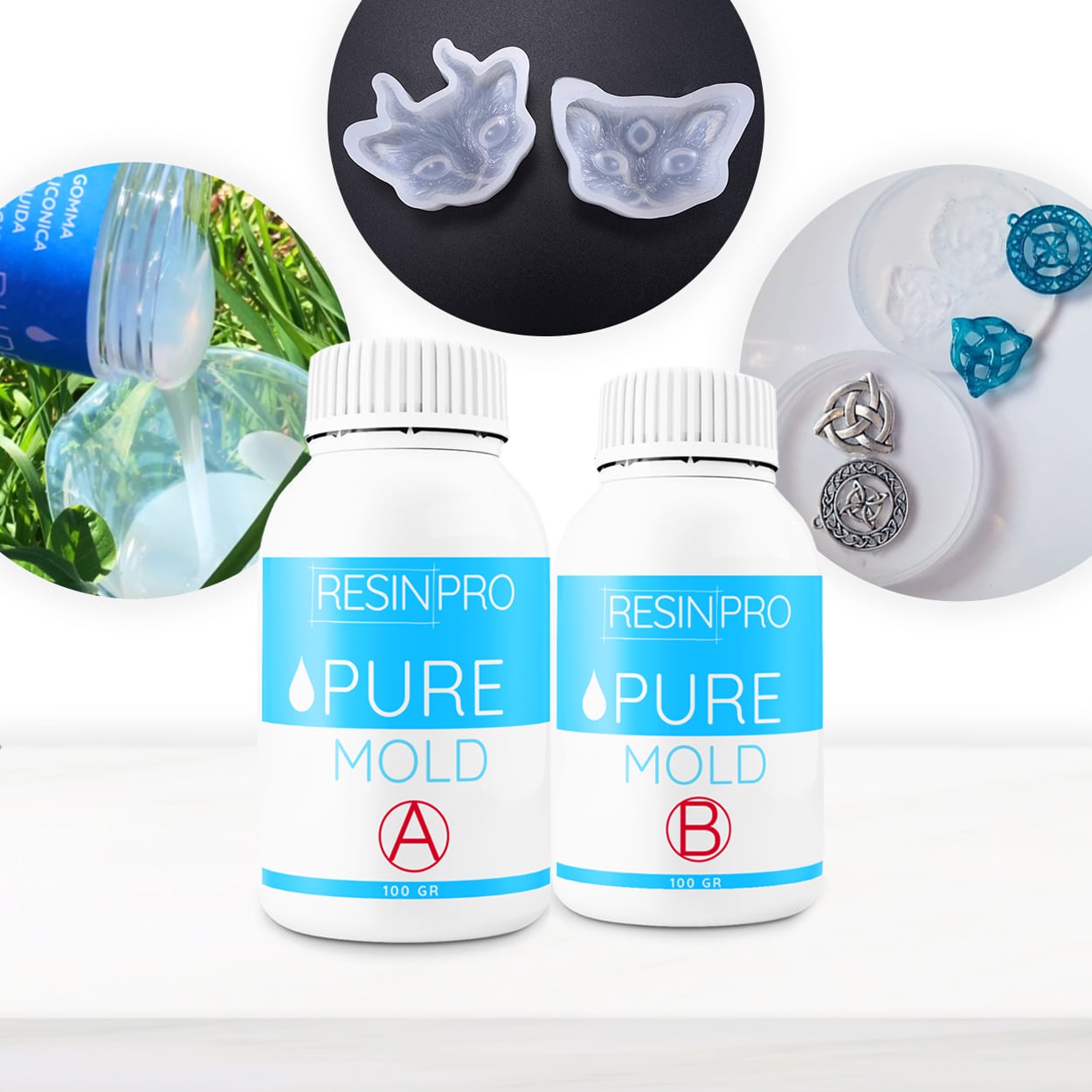
Knowing if and when to use a release agent in mould making is key to achieving clean, undamaged results—especially when working with high-temperature resin casting projects. The correct use of release agents preserves delicate details and prevents your template from bonding with the mould material.
When Is a Release Agent Needed?
Release agents are not required for every moulding scenario. If you are using silicone-based templates or masters, these are usually self-releasing due to their non-stick properties. However, for templates made from wood, plastic, metal, or any material other than silicone, applying a release agent is strongly recommended. This step ensures the moulding material separates easily from your master without tearing, sticking, or losing intricate detail.
Selecting the Right Release Agent and Application Tips
Choose a release agent compatible with both your template material and the moulding compound. For most non-silicone masters, a specialist mould release spray or a thin layer of petroleum jelly works well. Apply it evenly with a soft brush or a lint-free cloth, making sure all surfaces—including fine nooks and textures—are well coated but not overloaded. Overapplication can obscure delicate features, so use a light hand.
If you’re using products like Pure Mould silicone rubber for mould making, a release agent is crucial if your master isn’t silicone, as this helps ensure crisp demoulding and protects surface details.
When This Matters Most
- Working with masters that have deep undercuts or extremely fine details
- Using templates made from porous or textured materials
- Needing repeated use of the same mould or template without damage
Related products
Related guides
Knowing when to use a release agent safeguards both your project and your master, making it an essential part of quality mould making. For more resin casting tips and guides, visit the main high-temperature resin mould making page.