 Free shipping on orders over £29,85
  Shipping Tracking!


 Google
 Facebook
how to make molds for high-temperature resin casting
Step-by-step guide for safe, robust, and heat-resistant moulds
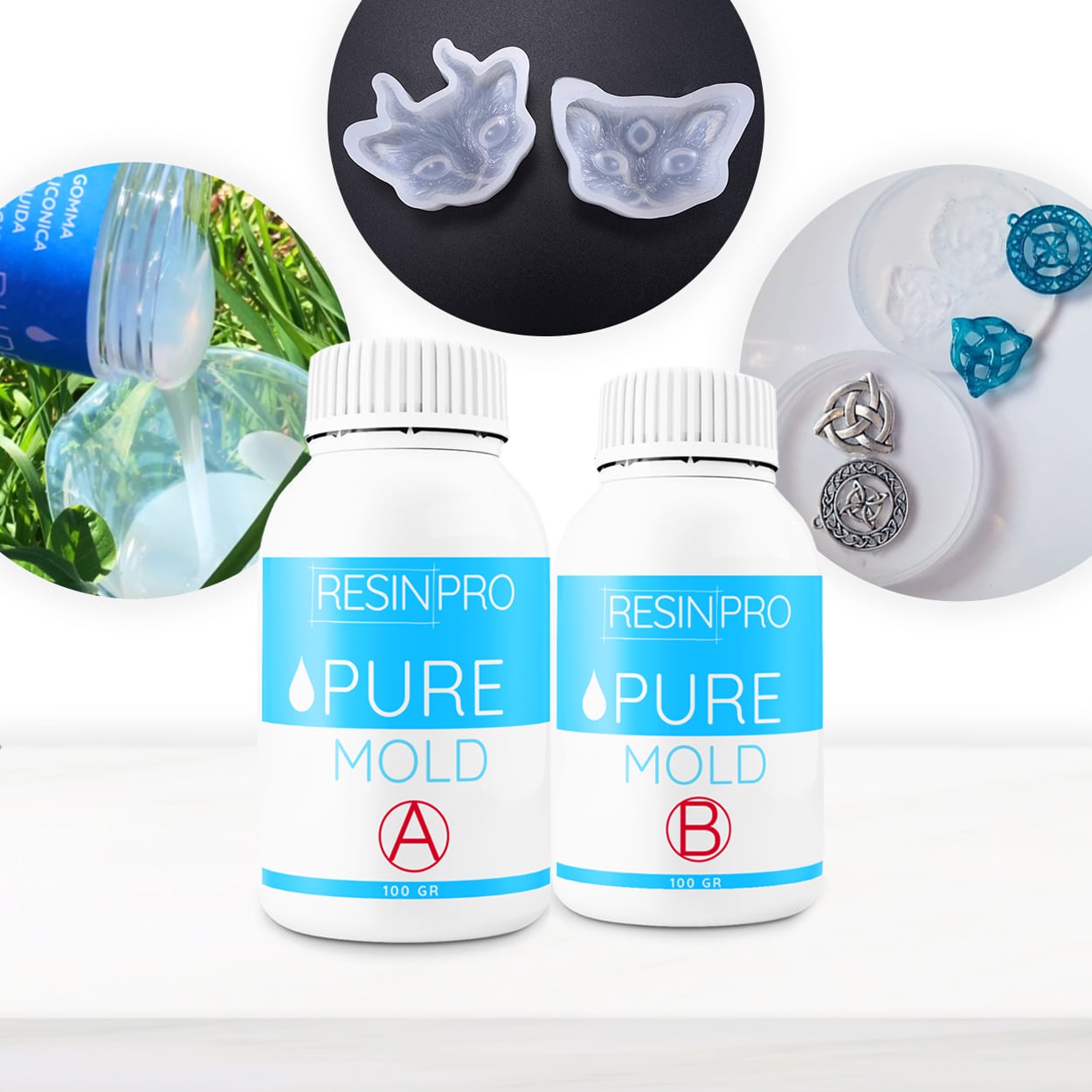
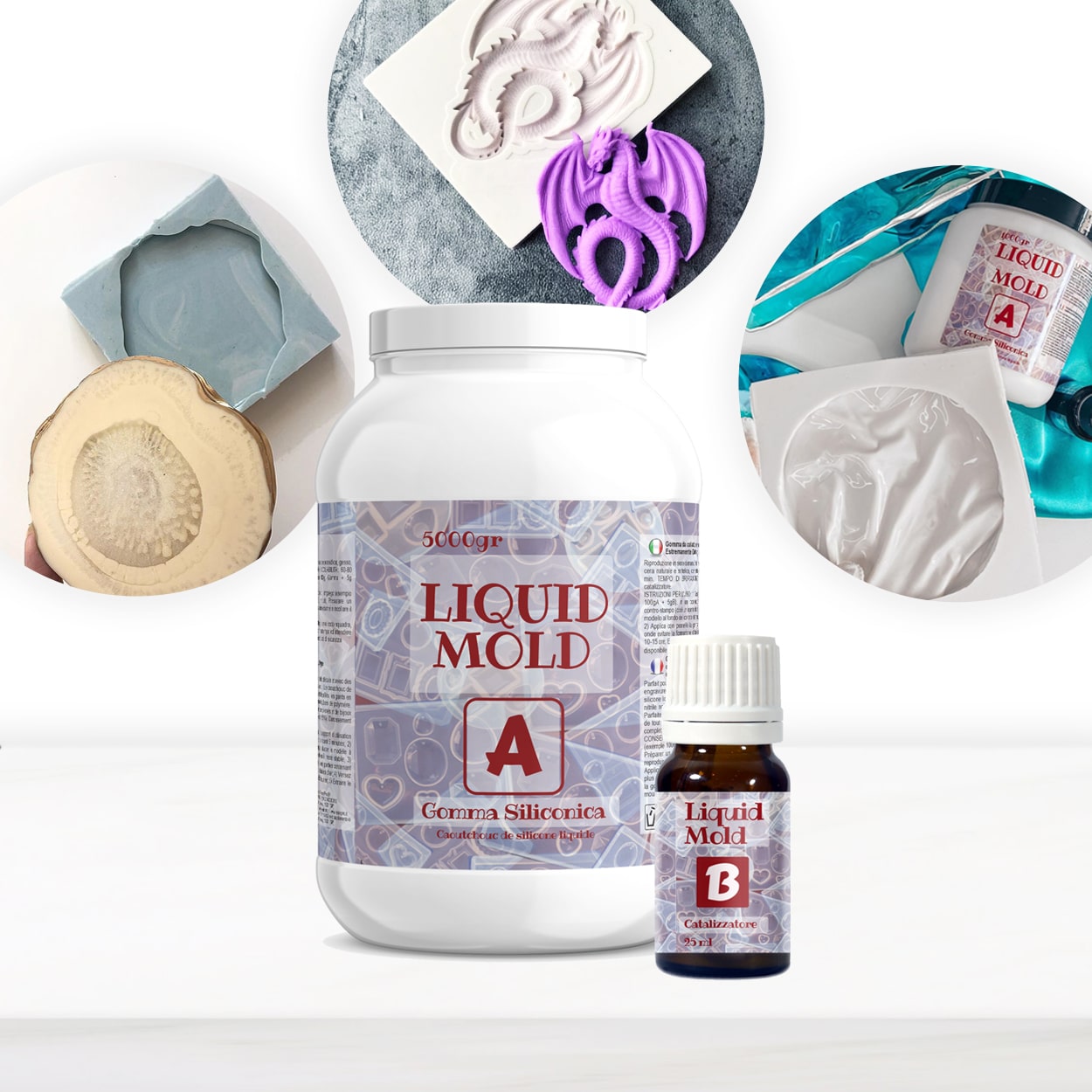
Mould making for high-temperature resin casting is an essential skill for creators aiming to produce durable, detailed, and heat-resistant parts, prototypes, or artwork. This guide walks you through every step, from planning and material selection to finishing your heat-resistant mould—helping you achieve successful results whether you are a beginner or looking to refine your technique for advanced casting projects.
What You’ll Need
- “Pure Mould” – Translucent Liquid Silicone Rubber for Mould Making: Translucent silicone ideal for robust, detailed moulds compatible with various resins and withstands heat.
- “Liquid Mould” – Casting Liquid Silicone Rubber, 5-40 Shores, Bi-Component A+B: Flexible silicone suited for capturing fine details and undercuts.
- Mixing sticks, disposable mixing containers, gloves, and a clean work surface
- A suitable template/master object for your intended shape
- Mould container (e.g., plastic box or custom-made enclosure)
- Release agent (optional, for non-silicone masters)
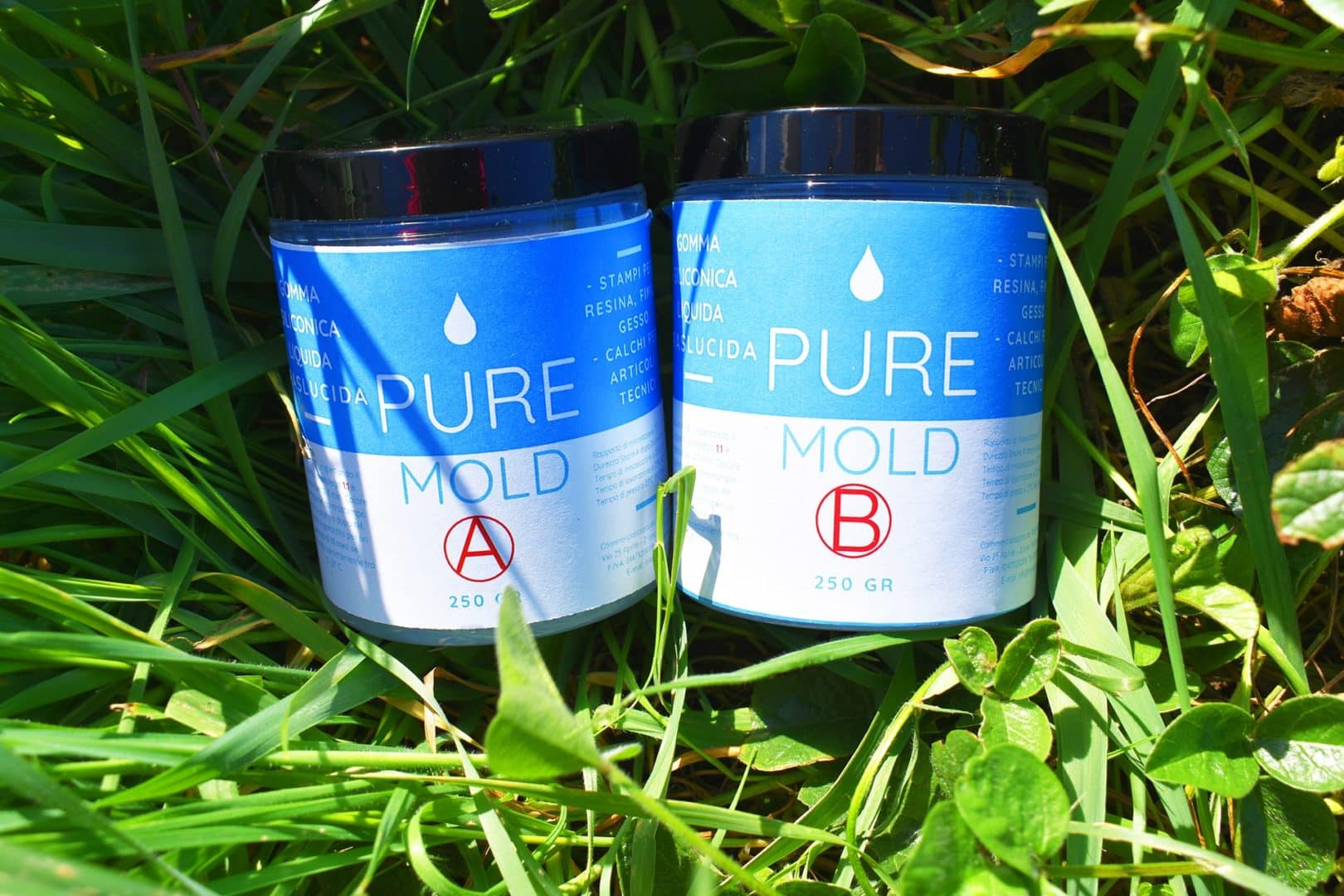
See Examples of Professional Mould Making
Explore our gallery featuring step-by-step images of high-temperature silicone mould production, from initial planning to resin casting, to inspire your next project. Witness the clarity, flexibility, and durability achievable with specialist silicone rubbers in demanding applications.
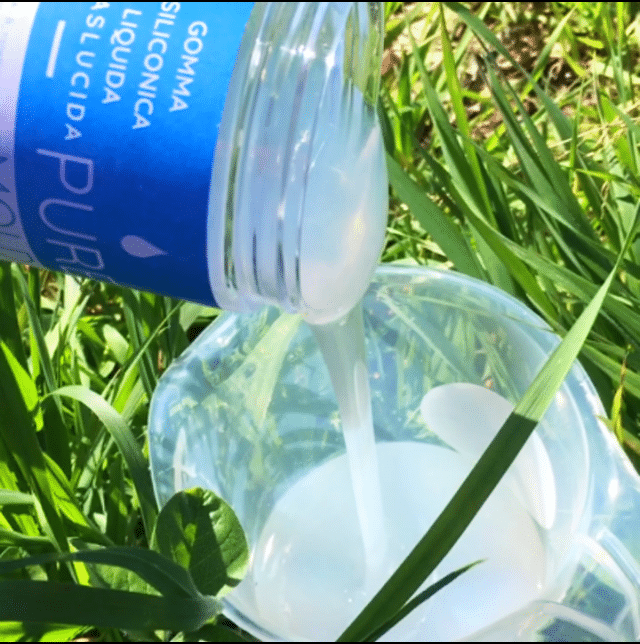
Step 1: Plan Your Project and Safety Measures
Careful planning helps you avoid common pitfalls and ensures the best end result. Start by considering the temperature requirements of your resin casting—high-temperature resins may exert more stress on the mould, so choose your master and container accordingly. Prepare your workspace by laying down protective coverings and ensuring good ventilation. Wear gloves and eye protection when working with silicone compounds and resin hardeners to prevent skin or eye contact.
Plan your project and safety measures before proceeding, noting down the size, complexity, and expected heat exposure of your final cast.
Step 2: Choose the Right Mould Material
The heart of successful high-temperature resin casting lies in selecting a silicone rubber that will hold detail and resist the heat of your casting process. For robust, translucent moulds that allow you to monitor resin flow and work well with hot waxes and high-temperature resins, “Pure Mould” – Translucent Liquid Silicone Rubber for Mould Making is an excellent choice. If your object features intricate details or demanding undercuts, “Liquid Mould” – Casting Liquid Silicone Rubber, 5-40 Shores, Bi-Component A+B provides superior flexibility and definition.
Choose the right mould material based on the detail and strength you need for repeated high-temperature pours.
Step 3: Build or Prepare Your Mould Container
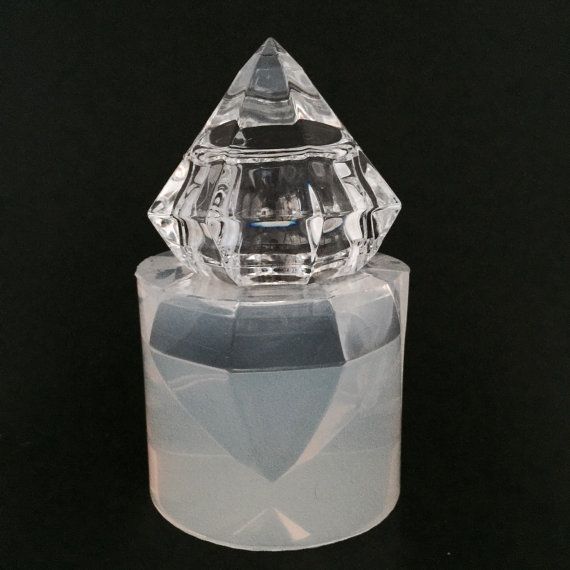
Select a container that leaves at least 1–2 cm of space around your template so the mould will be durable enough to withstand repeated use. Common choices include plastic food tubs, custom-built wood boxes sealed with tape, or even acrylic panels glued together. Ensure your master object is secured at the base—using adhesive or plasticine to avoid leaks or floatation.
If your template is not made of silicone, consider applying a release agent to its surface to prevent sticking and preserve details. Build or prepare your mould container with care, as any gaps or poor sealing can lead to leaks or an imperfect mould surface.
Step 4: Mix and Pour Your Silicone
Weigh your silicone and catalyst (or mix parts A and B, as required by your chosen silicone) according to the manufacturer’s ratios. For example, “Pure Mould” silicone simplifies mixing with a 1:1 ratio by weight. Mix thoroughly but gently to minimise air bubbles—scrape sides and base of your container frequently.
Carefully and slowly pour the mixed silicone into one corner of your container, allowing it to flow around the object and fill every nook. If working with detailed objects, tapping or lightly vibrating the container can help release trapped bubbles.
Mix and pour your silicone with patience, aiming for an even fill that captures every feature of your template.
Step 5: Demould and Finish Carefully
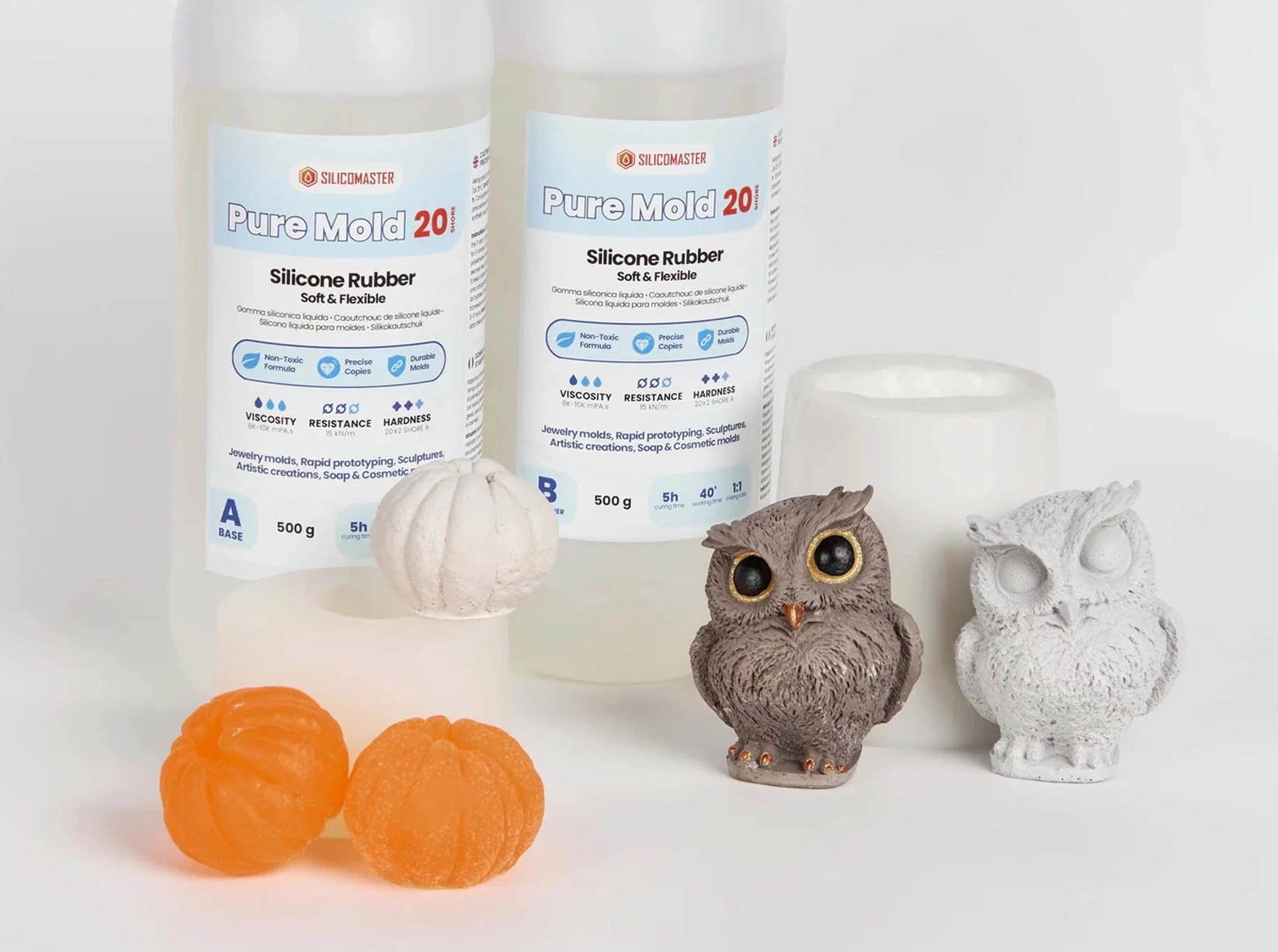
Allow the silicone mould to fully cure—refer to the product’s instructions, typically 3–8 hours for fast-setting products or up to 12 hours for bi-component systems. Once cured, gently ease the mould out of the container and extract your master. Inspect for any tears or thin spots.
Trim any silicone excess or flashing with sharp scissors. Your mould is now ready for high-temperature resin casting. Demould and finish carefully; patience at this stage will reward you with a more durable and detailed end product.
Tips, Common Mistakes, and Troubleshooting
Always follow correct ratios and curing times for your silicone product—improper mixing often leads to sticky or soft moulds. Consider heat resistance and mechanical stress in both your silicone selection and template design to avoid premature wear or distortion under repeated high-temperature use.
To avoid air bubbles, pour silicone in a thin stream from a height and consider using a pressure pot for very detailed moulds. Avoid under-mixing silicone compounds—even minor unmixed sections can ruin an entire casting cycle.
Troubleshooting and Advanced Moulding Techniques
Discover practical solutions for bubble-free casting and achieving pristine surface detail. Learn how expert makers master both simple and complex shapes while maintaining performance during repeated high-temperature resin casting cycles.
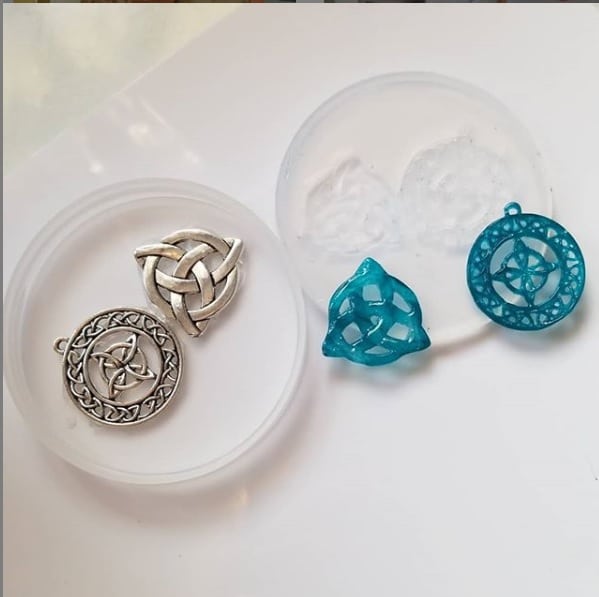
- "Pure Mould" – Translucent Liquid Silicone Rubber for Mould MakingPrice range: £22.85 through £158.85Pure Mould silicone rubber is translucent and fast setting, suitable for making detailed moulds with various resins and plaster.
- "Liquid Mould" – Casting Liquid Silicone Rubber, 5-40 Shores, Bi-Component A+BPrice range: £13.45 through £368.85"Liquid Mould" is a casting liquid silicone rubber designed for detailed moulds suitable for resin and other materials.
 “Epoxytable 10-Ten” – Deep Pour Epoxy Resin for Tables, Up to 10cm CastingPrice range: £33.85 through £334.85“Epoxytable 10-Ten” offers low exothermic reaction and strong UV filters for deep pouring up to 10cm, suitable for mold making in high-temperature…
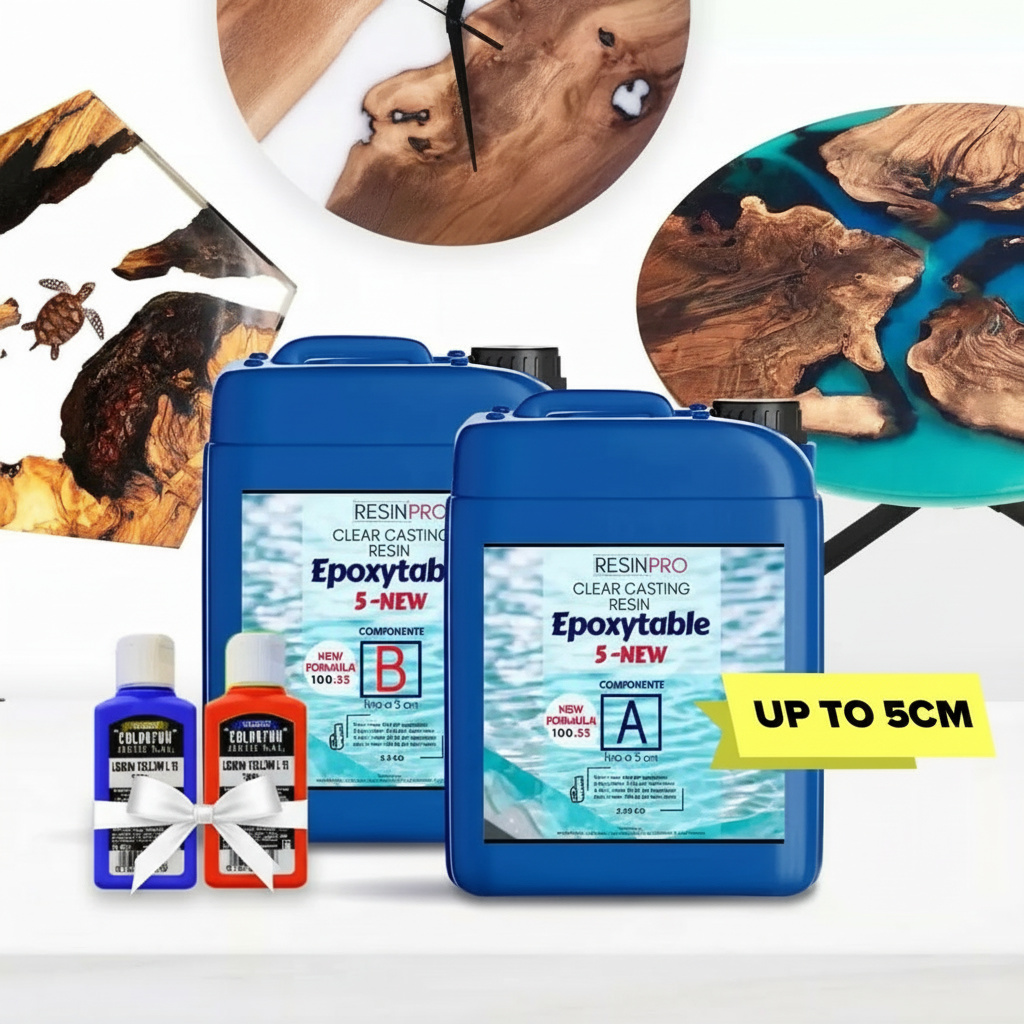 "EpoxyTable 5-Five" – Deep Pour Epoxy Resin for Tables and Large Projects – Up to 5cmPrice range: £16.85 through £1,099.85EpoxyTable 5-Five is a deep pour epoxy resin suitable for tables and large projects up to 5cm thick, suitable for high-temperature casting molding.
Frequently Asked Questions
Which silicone rubber is best for high-temperature resin casting moulds?
Translucent or liquid silicone rubber designed for mould making are ideal for high heat. Choose based on your required detail and resin type.
How can I prevent air bubbles when pouring silicone?
Pour the silicone in a steady, thin stream from one corner and gently vibrate the filled container to help air escape.
How can I make my silicone moulds last longer under high temperatures?
Use silicones formulated for high mechanical resistance and follow care instructions. Avoid overstressing or overheating the mould.
Do I need a release agent for my template?
If your master pattern is not silicone, a release agent is recommended to ease demoulding and protect fine details.
How long does silicone take to cure before it can be demoulded?
Curing times vary from 3–8 hours for fast-cure types to about 10–12 hours for most liquid silicone rubber systems.
How do I ensure small features are accurately captured?
Choose a silicone with high flow and low viscosity, and apply de-gassing or a pressure pot for very fine or undercut details.