 Free shipping on orders over £29,85
  Shipping Tracking!


 Google
 Facebook
← Back to how to make molds for high-temperature resin casting
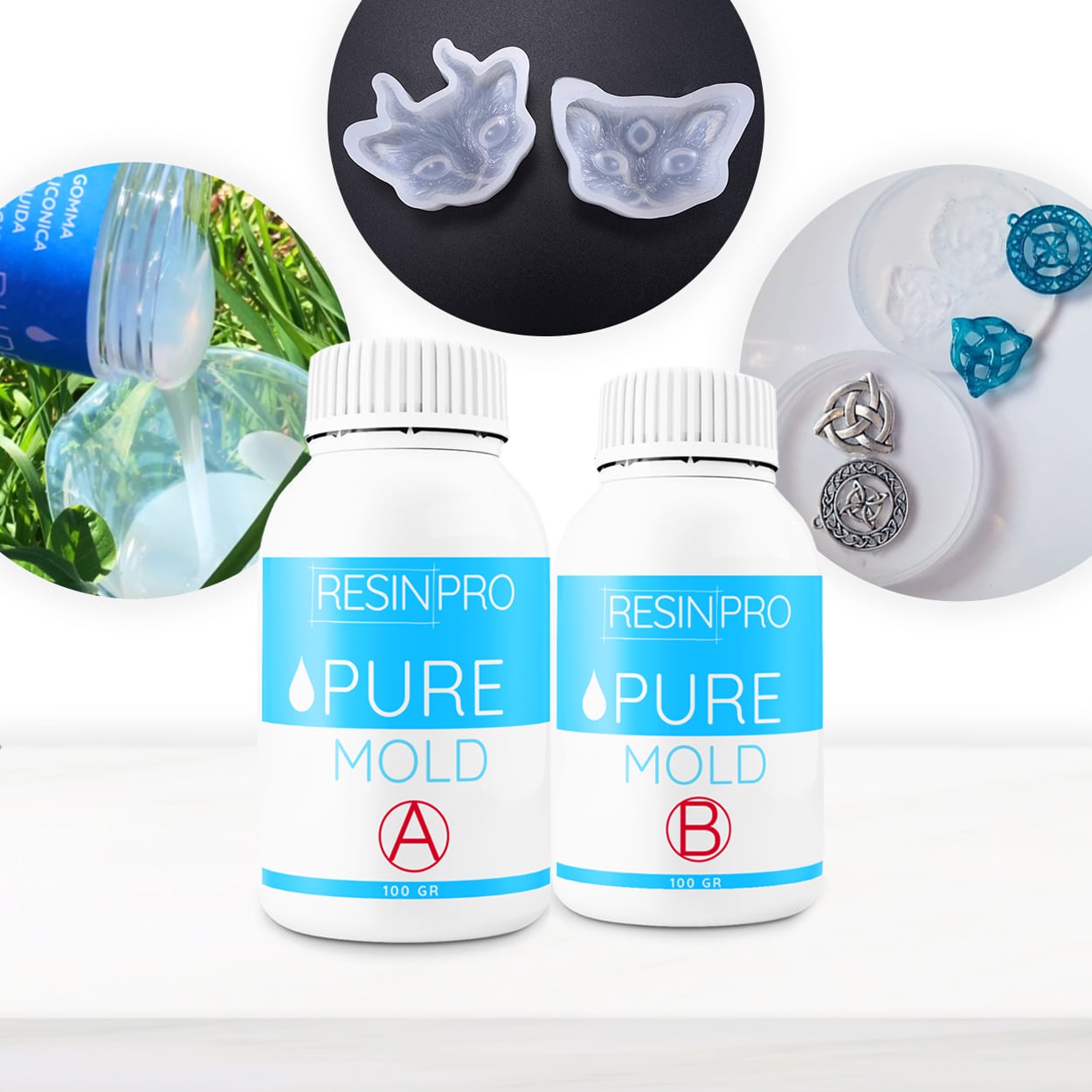
Selecting the appropriate mould material is fundamental to achieving reliable and detailed results in high-temperature resin casting. The choice affects everything from surface detail to mould longevity and performance when exposed to elevated temperatures.
Key Qualities in a Mould Material
When casting with high-temperature resins, you need a mould material that offers excellent heat resistance and the ability to capture fine detail. Silicone rubbers are a preferred option, as they maintain flexibility and stability even when exposed to higher temperatures. Look for platinum-based silicone rubbers, as these tend to be more robust in demanding casting environments and are suitable for both professional and hobby applications.
Practical Guidance: Choosing and Using Silicone Rubber
Products like “Pure Mould” silicone rubber are formulated for creating detailed, durable moulds. These silicones feature an easy 1:1 mixing ratio and fast curing times, making them ideal for various casting materials including epoxy, polyester, and polyurethanes. The transparent nature also allows you to see the material as it sets, helping to avoid imperfections. For intricate or small pieces, a lower shore hardness (such as 20 shore) is often recommended as it enables better removal of delicate casts with minimal risk of damage.
When This Matters Most
Choosing the right mould material becomes especially important when working with high-temperature resins or repeated moulding cycles. Using a material that lacks sufficient heat tolerance can lead to distortion, loss of detail, or premature mould breakdown—potentially ruining your project and wasting materials.
Related products
Related guides
The success of high-temperature resin casting starts with selecting a suitable mould material. For further insights into the mould making process and recommended products, visit our main guide on how to make moulds for high-temperature resin casting.