 Free shipping on orders over £29,85
  Shipping Tracking!


 Google
 Facebook
← Back to How to Make a Mold Using Silicone Rubber?
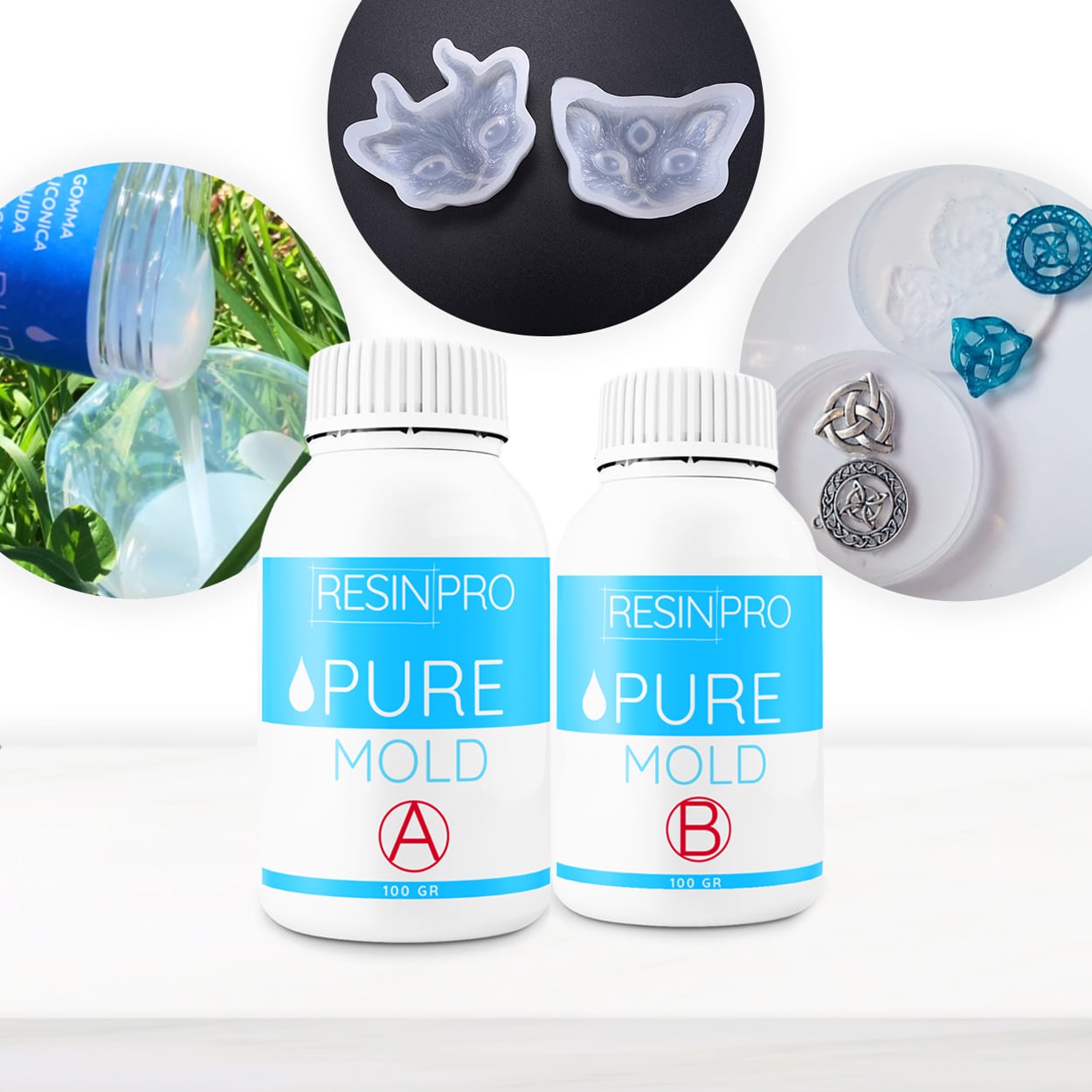
Getting crisp, professional detail from your silicone rubber mould means minimising or eliminating air bubbles. Here’s how to achieve consistently flawless results, whether you’re a beginner or creating more complex pieces.
Why Air Bubbles Are a Problem in Mould Making
Air bubbles that get trapped during mixing and pouring can ruin fine detail and cause weak spots in your finished mould. These blemishes may leave holes or distortions in your cast items, making bubble prevention an essential step for anyone aiming for sharp, accurate reproductions.
Top Tips for Preventing Air Bubbles
- Slow and Thorough Mixing: When preparing products like “Pure Mould” liquid silicone rubber, mix gently and methodically, scraping the sides of your container to ensure a uniform texture.
- Pouring Technique: Pour the silicone in a thin, continuous stream from a height of a few inches above your model. Aim for one spot and let the silicone flow around the subject, which helps push air away rather than trap it.
- Use a Vibrating Table or Pressure Pot: For finer work, especially with small or detailed models, a vibrating table can help air escape, while a pressure pot actively compresses bubbles, making them less likely to affect detail.
When This Matters Most
Bubbles have the biggest impact when capturing intricate details or making moulds for jewellery, miniatures, or any object with fine features. Taking extra care with bubble prevention in these cases ensures your finished results meet your expectations for clarity and sharpness.
Related products
Related guides
Avoiding air bubbles is key to achieving crisp detail with your silicone rubber moulds. For guidance on every stage of the mould making process, explore our full guide.