 Free shipping on orders over £29,85
  Shipping Tracking!


 Google
 Facebook
How to Make a Mold Using Silicone Rubber?
Mastering the technique of making a mould with silicone rubber opens up exciting creative possibilities, from replicating intricate jewellery to crafting durable prototypes. This guide walks you through every essential stage for reliable, professional-quality results, whether you are a hobbyist or producing multiple castings with fine details.
Step-by-step guide for detailed and reusable silicone rubber moulds.
What You’ll Need
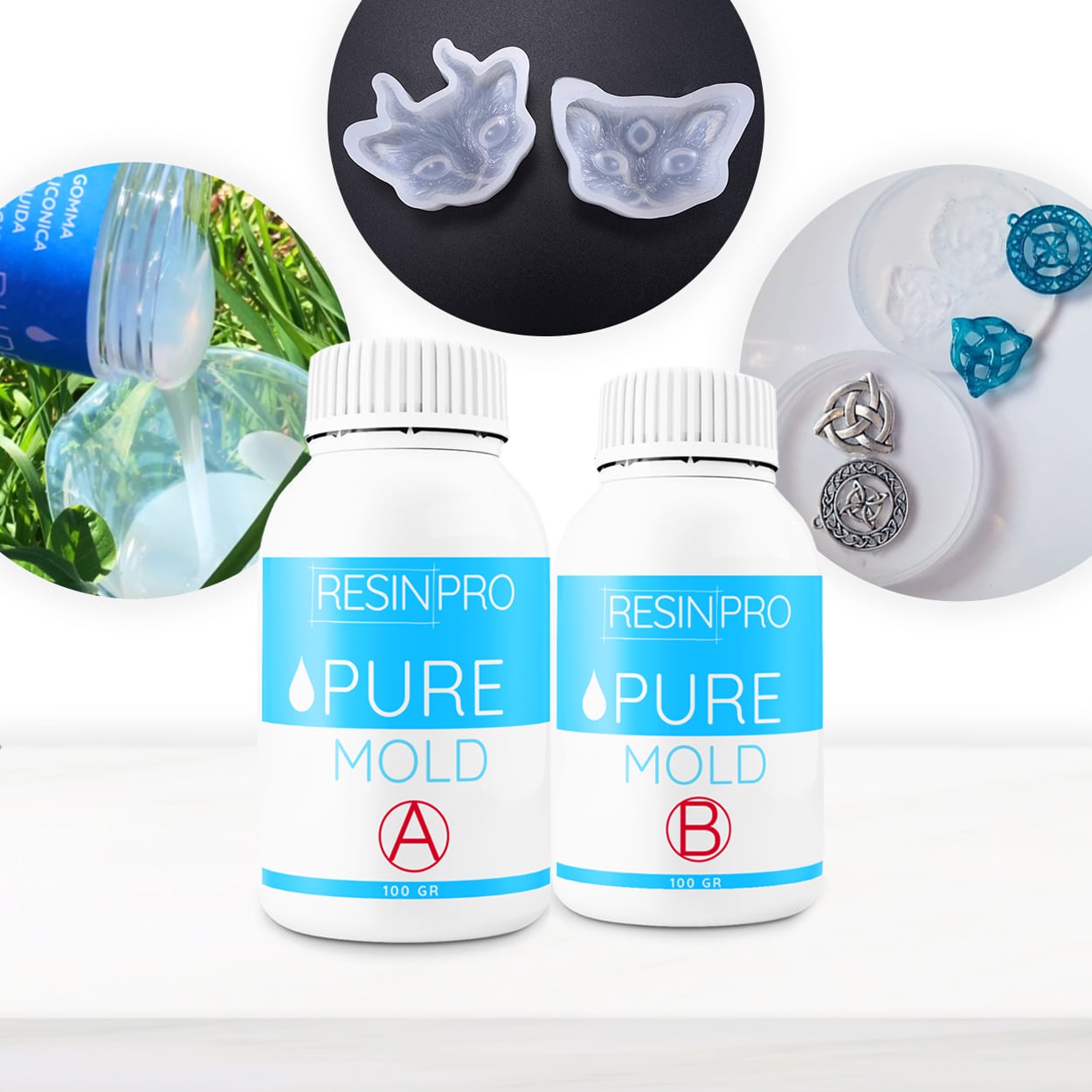
- “Pure Mould” – Translucent Liquid Silicone Rubber for Mould Making – Translucent liquid silicone for reliable, reusable moulds with excellent detail.
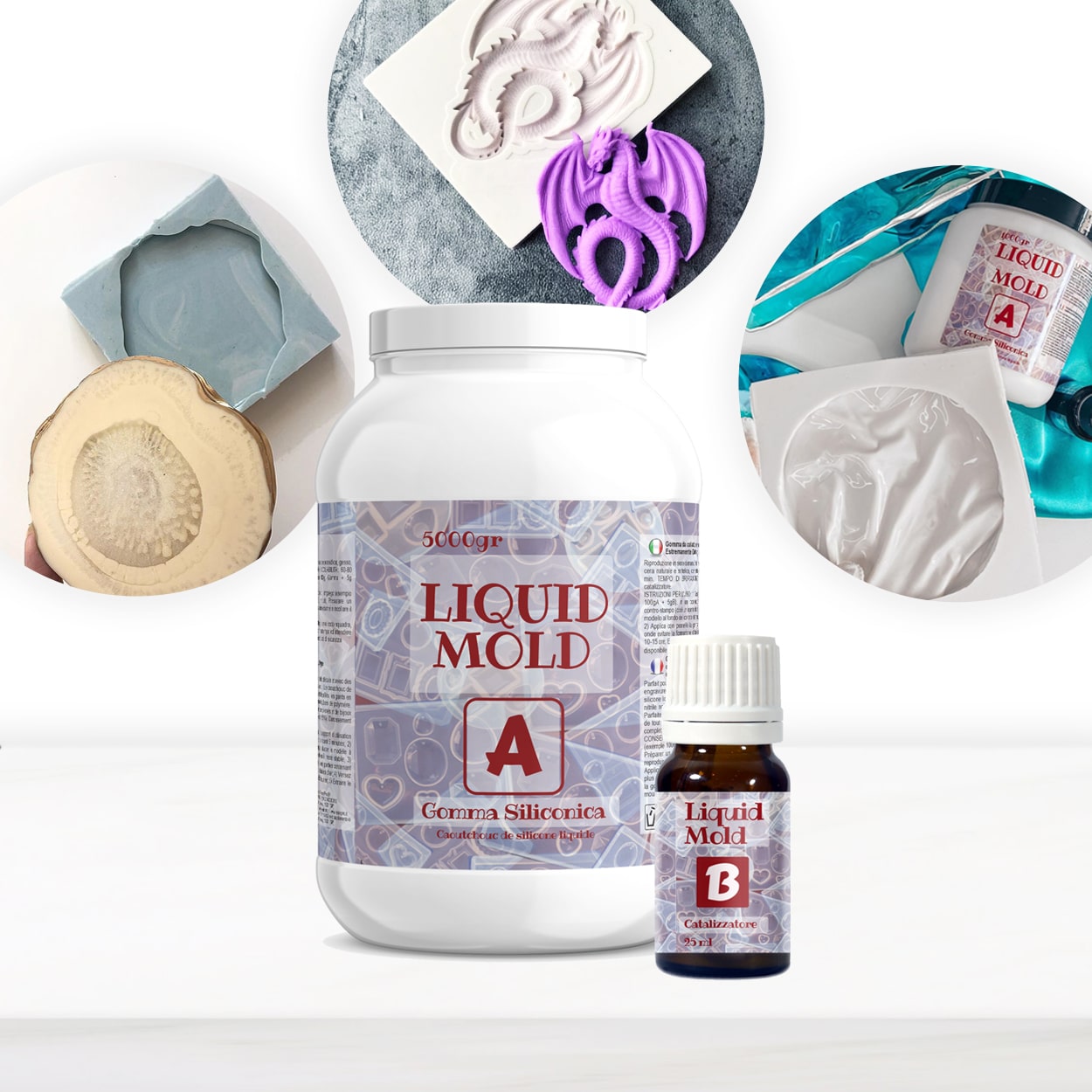
- “Liquid Mould” – Casting Liquid Silicone Rubber, 5-40 Shores, Bi-Component A+B – Perfect for capturing fine details and complex shapes.
- “I–Gum” – Non-Toxic Silicone Putty for Mould Making – Convenient for small, quick, non-toxic moulds or direct application on objects.
- Mould container or barrier (plastic cup, beaker, or cardboard frame)
- Mixing cups and spatulas
- Release agent (optional, but recommended for complex masters)
- Gloves (unless using a non-toxic putty)
- Weighing scales for precise measurements
- Your master/model (item to be replicated)
Choosing Between Liquid and Putty Silicone
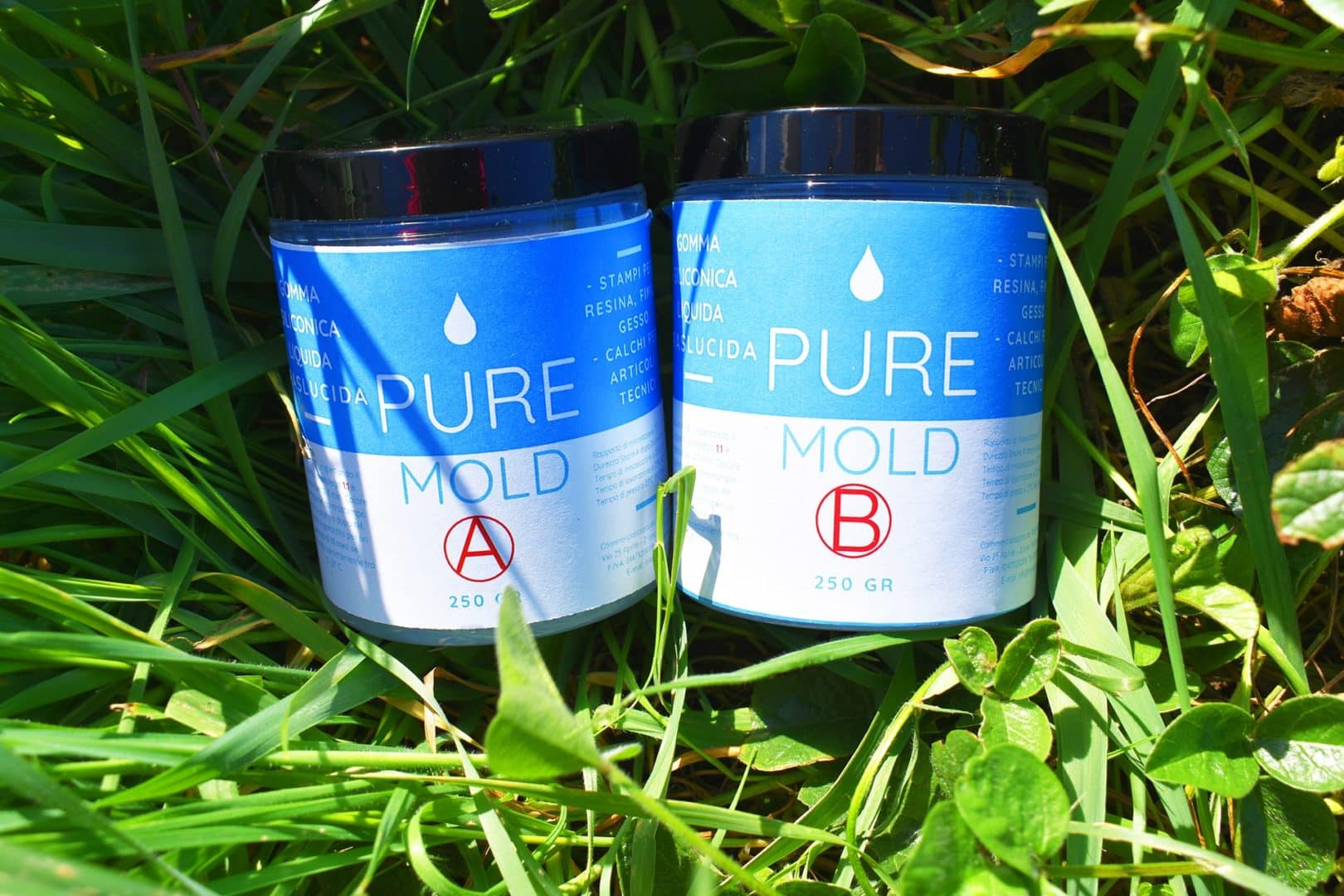
Liquid silicone rubber pours easily into detailed and complex moulds, ideal for objects with fine textures and undercuts. “Pure Mould” – Translucent Liquid Silicone Rubber for Mould Making and “Liquid Mould” – Casting Liquid Silicone Rubber, 5-40 Shores, Bi-Component A+B are excellent options when precise reproduction is key. Silicone putty such as “I–Gum” – Non-Toxic Silicone Putty for Mould Making is best for quick, small projects or where brush-on application is needed.
Step 1: Prepare Your Master and Workspace
Begin by selecting your master—the object you wish to replicate. Make sure it is clean, dry, and free from dust or oils, as any surface debris will be copied into your mould. Position the master in a container or create a simple frame around it with non-porous material, leaving a minimum 1 cm clearance around all sides for adequate silicone coverage. On especially intricate or porous items, apply a suitable release agent to ensure removal from the finished mould is effortless and minimises damage to both master and mould.
Arrange your workspace so everything you need is to hand, and work on a flat, stable surface to prevent spillage or uneven moulds. This stage is crucial for safety and for achieving crisp results.
Step 2: Mix and Prepare the Silicone Rubber
Following your chosen silicone’s package instructions, accurately weigh and mix the two components. Most liquid silicones like “Pure Mould” – Translucent Liquid Silicone Rubber for Mould Making use a 1:1 ratio, making precise measurement straightforward. For ultra-fine or complex details, “Liquid Mould” – Casting Liquid Silicone Rubber, 5-40 Shores, Bi-Component A+B is an ideal choice. If making very small or quick-application moulds, “I–Gum” – Non-Toxic Silicone Putty for Mould Making can be kneaded by hand (1:1) and applied directly to your master.
Mix slowly to minimise air bubbles, scraping the sides and bottom of your container to ensure complete blending. Inadequate mixing results in sticky or uncured spots, so take your time for a perfect consistency. Have your mould container ready as some products begin to cure quickly.
Step 3: Pour or Apply the Silicone Rubber
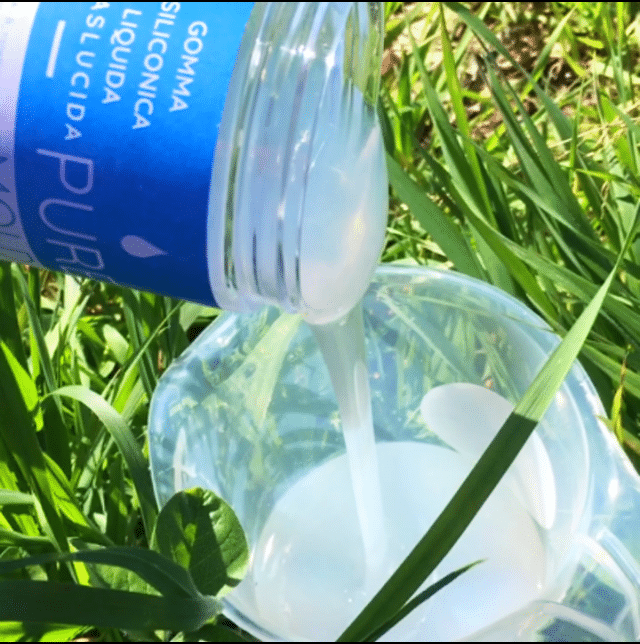
For liquid silicone rubber, pour slowly from one corner and allow the silicone to flow over and around your master. Pouring from higher up creates a thin stream, helping release trapped air. For putty, press and mould the silicone directly onto and around the master, making sure the coverage is even and there are no gaps.
Tapping or gently vibrating the mould container can encourage air bubbles to rise and escape before curing. Avoid pouring too quickly or moving the mould, which can distort the result.
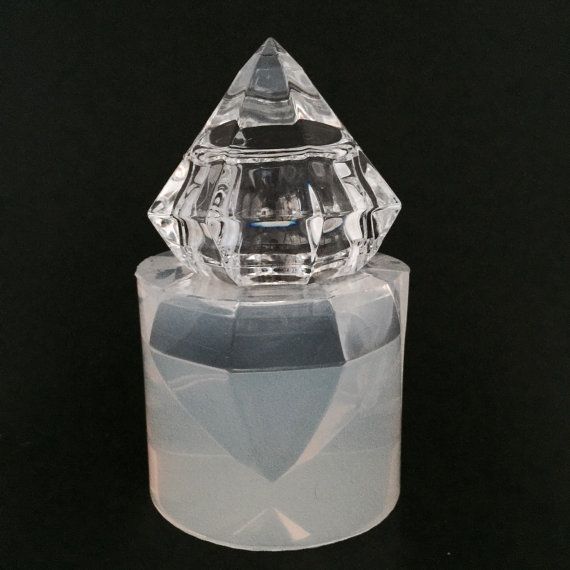
Step 4: Allow the Mould to Cure Fully
Leave the silicone mould undisturbed for the recommended cure time. Typical cure times range from 20 minutes (putty) up to 12 hours (liquid silicone), depending on your chosen product and room temperature. Avoid moving, poking, or demoulding before the silicone is completely set to maintain fine details and structural strength.
Do not attempt to accelerate curing with heat unless specifically recommended, as this can compromise flexibility or accuracy.
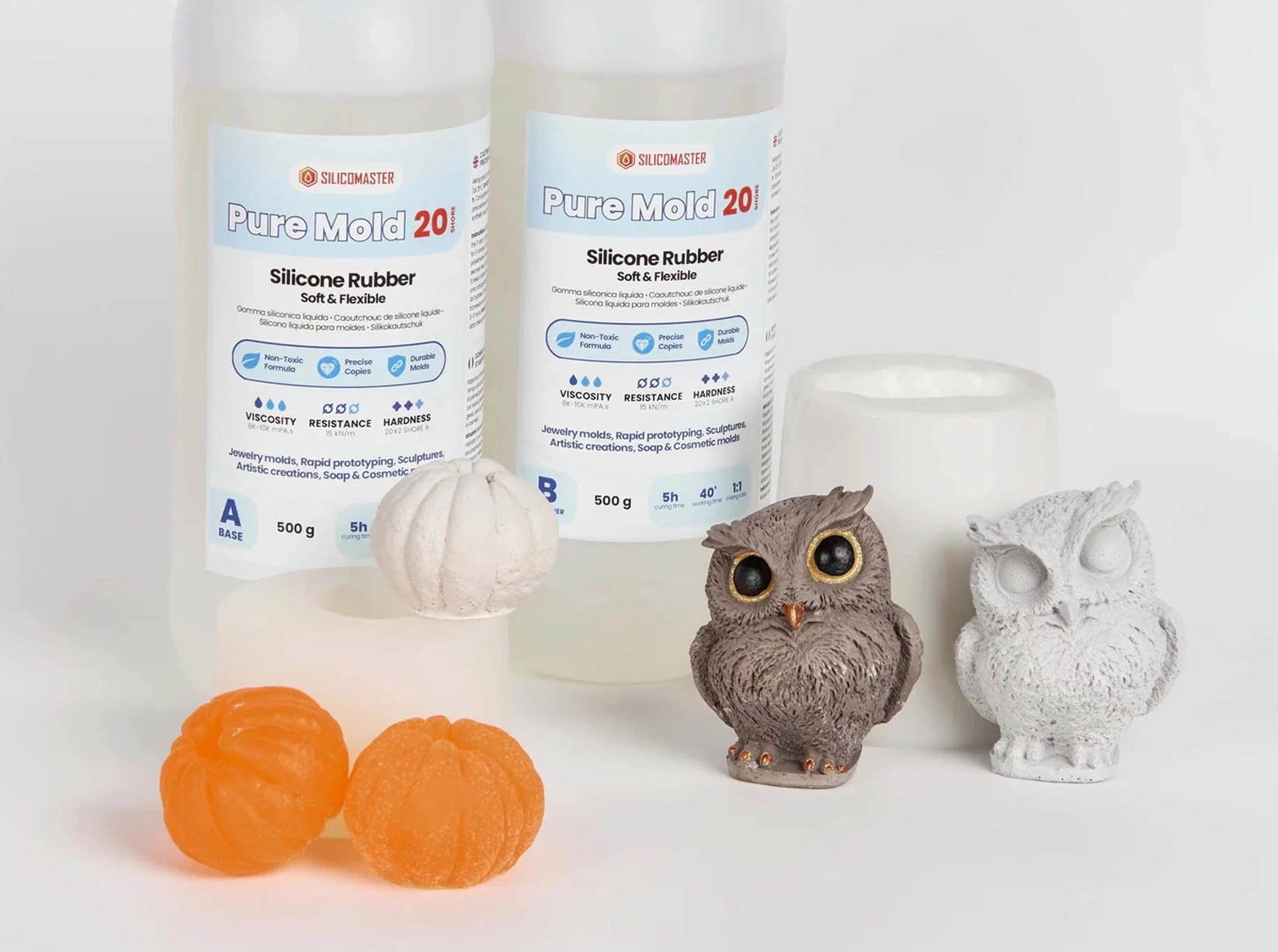
Step 5: Demould and Inspect Your Silicone Rubber Mould
Carefully remove the mould container walls or frame, then gently peel the mould away from your master item. Silicone’s flexibility enables easy demoulding even from undercuts, but take care with delicate models to avoid tearing. Inspect for bubbles, incomplete coverage, or surface imperfections before using your mould for further casting.
Your mould is now ready for use with resins, wax, plaster, or other casting materials.
Tips, Common Mistakes, and Troubleshooting
- Plan your mould before starting – Consider the master’s shape, undercuts, and how best to position your item for a clean pour and easy removal.
- Use release agent for easier demoulding – Especially important for intricate models or porous masters.
- Mix silicone thoroughly and precisely – Inaccurate ratios or poor mixing can result in sticky or weak moulds.
- Avoid air bubbles for crisp detail – Pour slowly, or use a pressure pot if professional bubble-free results are needed.
- Cure at the recommended temperature – Room temperature is best unless the silicone’s instructions suggest otherwise.
- Patience pays off: Rushing can ruin even the best-prepared mould.
Project Ideas for Your New Silicone Mould
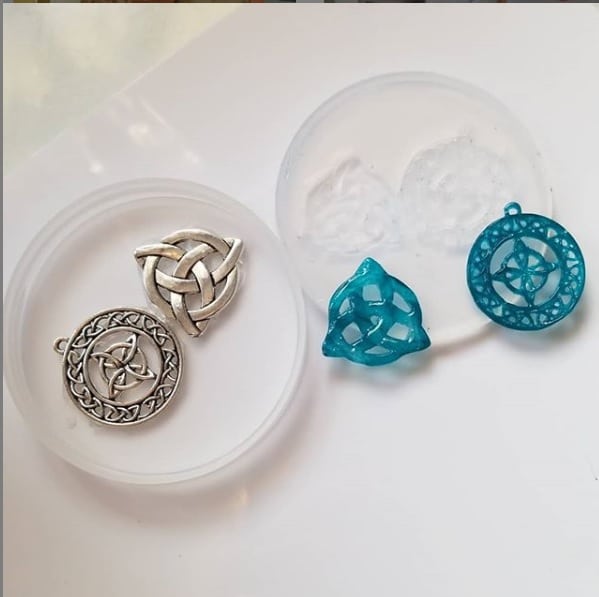
Experiment with different casting materials such as epoxy resin, plaster, or cement for jewellery, miniature models or homewares. Silicone rubber moulds are reusable and ideal for both one-off prototypes and small-batch production. Explore combining pigments or inclusions in resin for truly unique results.
- "Pure Mould" – Translucent Liquid Silicone Rubber for Mould MakingPrice range: £22.85 through £158.85"Pure Mould" is a translucent platinum-based liquid silicone rubber suitable for mould making compatible with resins, plaster and cement.
- "Liquid Mould" – Casting Liquid Silicone Rubber, 5-40 Shores, Bi-Component A+BPrice range: £13.45 through £368.85"Liquid Mould" is a casting liquid silicone rubber designed for making detailed moulds for small and complex shapes in line with the theme on mould…
 "I–Gum" – Non-Toxic Silicone Putty for Mould MakingPrice range: £22.85 through £99.85"I–Gum" is a non-toxic silicone putty designed for making moulds and frames when working with resin and similar materials.
Frequently Asked Questions
How long does it take silicone rubber moulds to cure?
Cure times range from 20 minutes for putty to 3-12 hours for liquid silicone, depending on the product and room temperature.
Do I need to use a release agent with silicone moulds?
Using a release agent is recommended for intricate or porous masters, though for smoother objects it might not be essential.
How can I prevent air bubbles in silicone moulds?
Pour silicone slowly in a thin stream and gently tap or vibrate the mould container. Professional users may use a pressure pot.
Can I use the same silicone mould for multiple casting materials?
Yes, silicone rubber moulds can be used with resins, plaster, cement, wax, and similar materials as long as the material is compatible.
What if my silicone mould did not cure properly?
Sticky or soft moulds are often due to incorrect mixing or ratios. Dispose and restart with precise measurements and thorough mixing.
Which type of silicone rubber is best for high detail?
Liquid silicone rubbers are ideal for fine details, while putty is best for quick moulds or less intricate items.
How do I store silicone moulds for longevity?
Keep your moulds clean, dry, and away from direct sunlight or extreme heat to maintain their flexibility and detail.