 Free shipping on orders over £29,85
  Shipping Tracking!


 Google
 Facebook
← Back to How to make a mould of an object using silicone rubber?
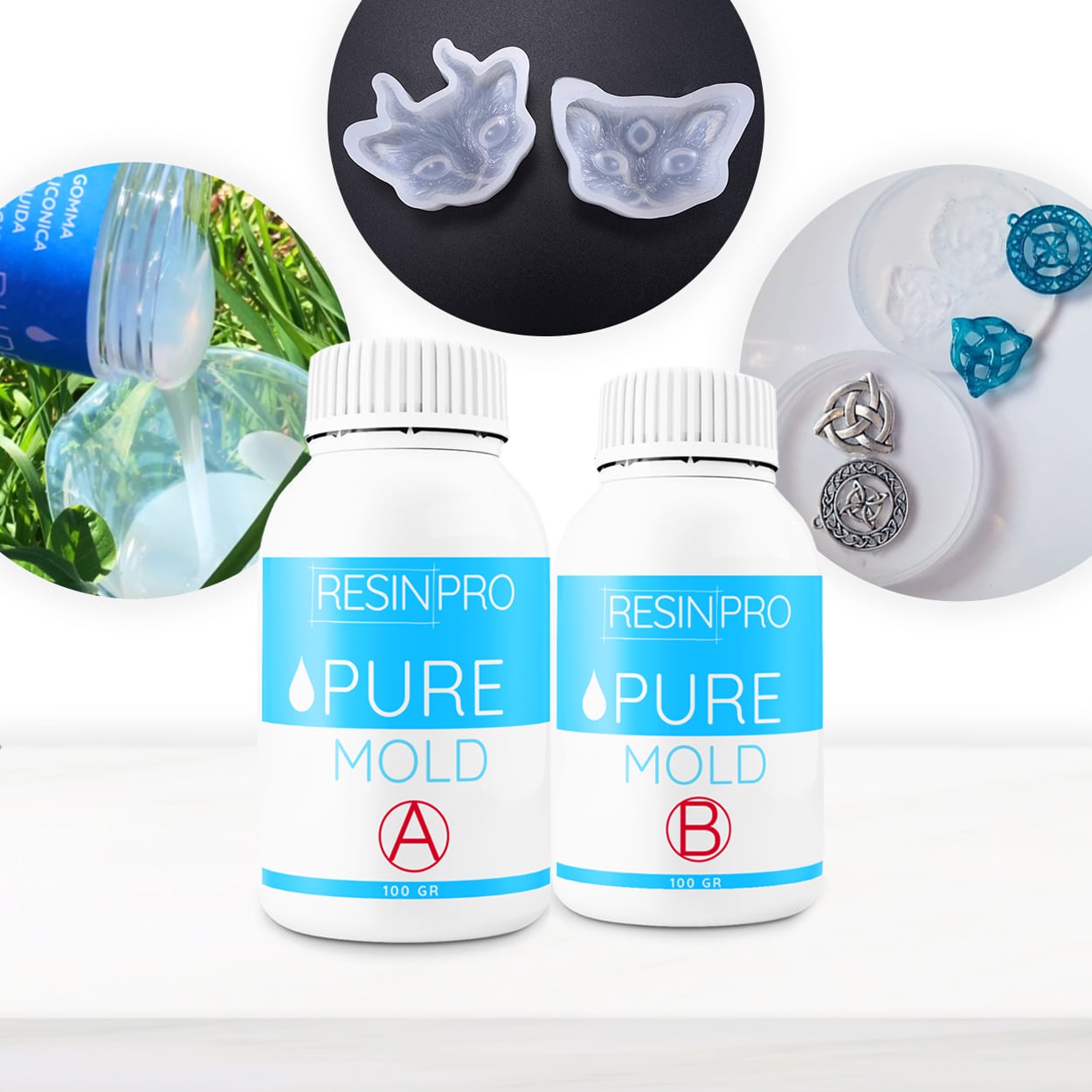
Selecting the right silicone is crucial for achieving the results you want when making a mould of an object. Different silicones suit different project needs, and a considered choice ensures your mould captures detail and remains durable.
Understanding Key Differences in Silicone Types
Silicones for mould making are available in both liquid and putty forms, with varying cure times and physical properties. Liquid silicones, like “Pure Mould” silicone rubber, are ideal for high-detail, intricate items, such as jewellery or small prototypes. These products are often translucent, allowing you to observe the object during curing and providing versatility for use with resins, plaster, and more. Putty-style silicones like “I–Gum” are less fluid and offer a quick, mess-free application, which is handy for simple shapes or objects requiring rapid setup.
Choosing the Right Silicone for What You’re Making
Consider the main material you will cast and the level of detail your project demands. For casting resins, wax or plaster objects with fine details and undercuts, a liquid silicone with a reliable 1:1 mix ratio and moderate shore hardness (such as “Pure Mould”) is often the best choice – it ensures accuracy and longevity of the mould. Putty silicones are convenient when you need to make fast, basic shapes or when portability and minimal setup are important. Always check the working and curing times, as these will affect both your workflow and the end result.
When This Matters: Project Size and Detail
Selecting between liquid and putty silicone matters most when dealing with delicate items or larger, more complex objects. Liquid silicones provide superior reproduction of detail, while putty versions are efficient for quick, straightforward moulds. Choosing the right type ensures you don’t compromise on either speed or surface finish.
Related products
Related guides
Finding the right silicone sets the foundation for successful mould making. If you’d like more guidance on moulding techniques and product selection, explore our main guide on how to make a mould of an object using silicone rubber.