 Free shipping on orders over £29,85
  Shipping Tracking!


 Google
 Facebook
How to make a mould of an object using silicone rubber?
A step-by-step guide for accurate mould making projects

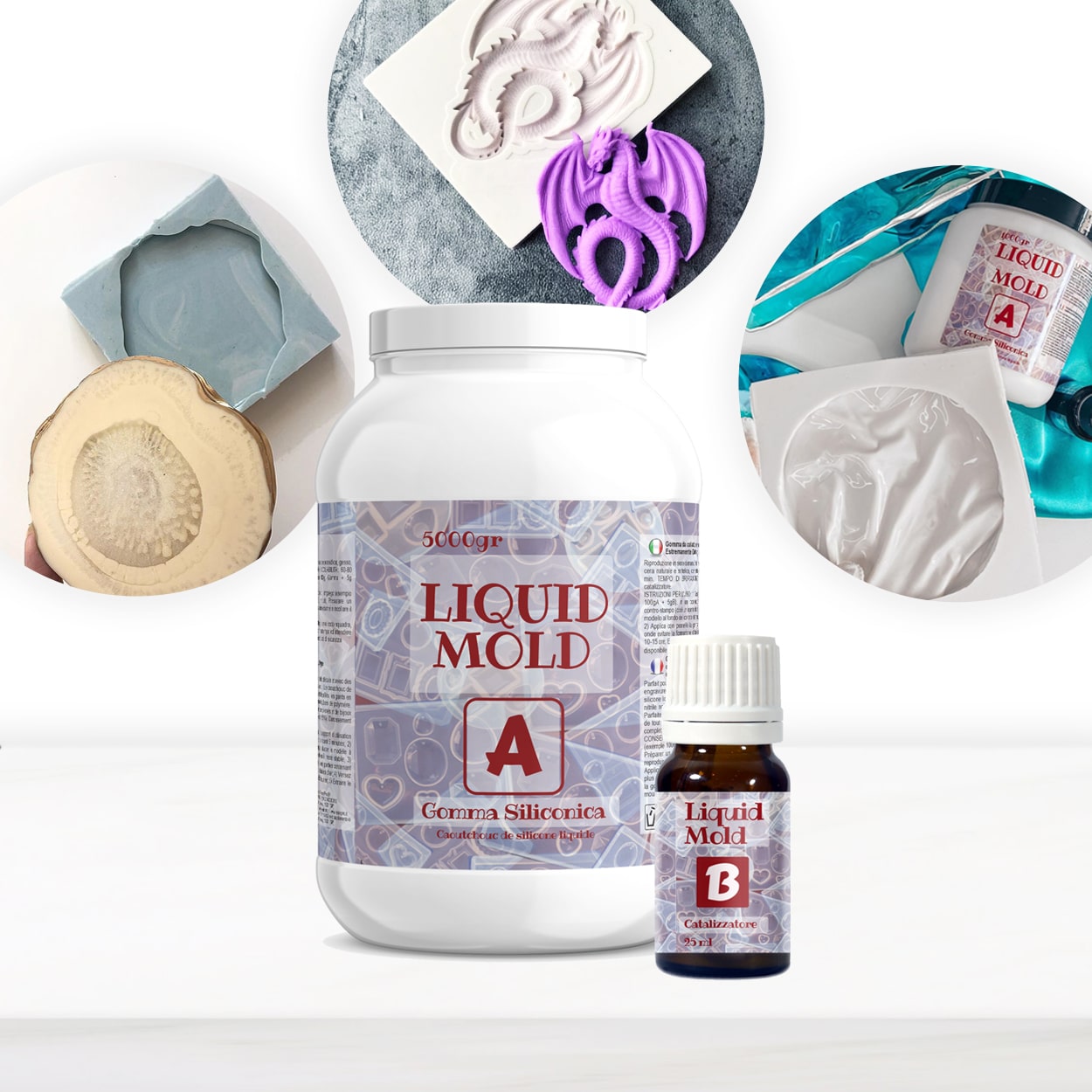
Making a precise mould of an object allows you to reproduce intricate details for a wide range of applications, from resin casting to artistic projects. This practical guide covers every step, offering essential tips on technique and troubleshooting to help you achieve professional results, whether you are a hobbyist or an experienced maker.
What You’ll Need
- “Pure Mould” – Translucent Liquid Silicone Rubber for Mould Making: Translucent silicone suited for rapid, detailed moulds.
- “Liquid Mould” – Casting Liquid Silicone Rubber, 5-40 Shores, Bi-Component A+B: For complex shapes and detail-rich items.
- “I–Gum” – Non-Toxic Silicone Putty for Mould Making: Ideal for small objects, coasters, and tray moulds.
- Mixing containers and stirrers
- Protective gloves (optional for some products)
- A suitable release agent (if required)
- Your object to be moulded
- A formwork or container to hold the object and silicone
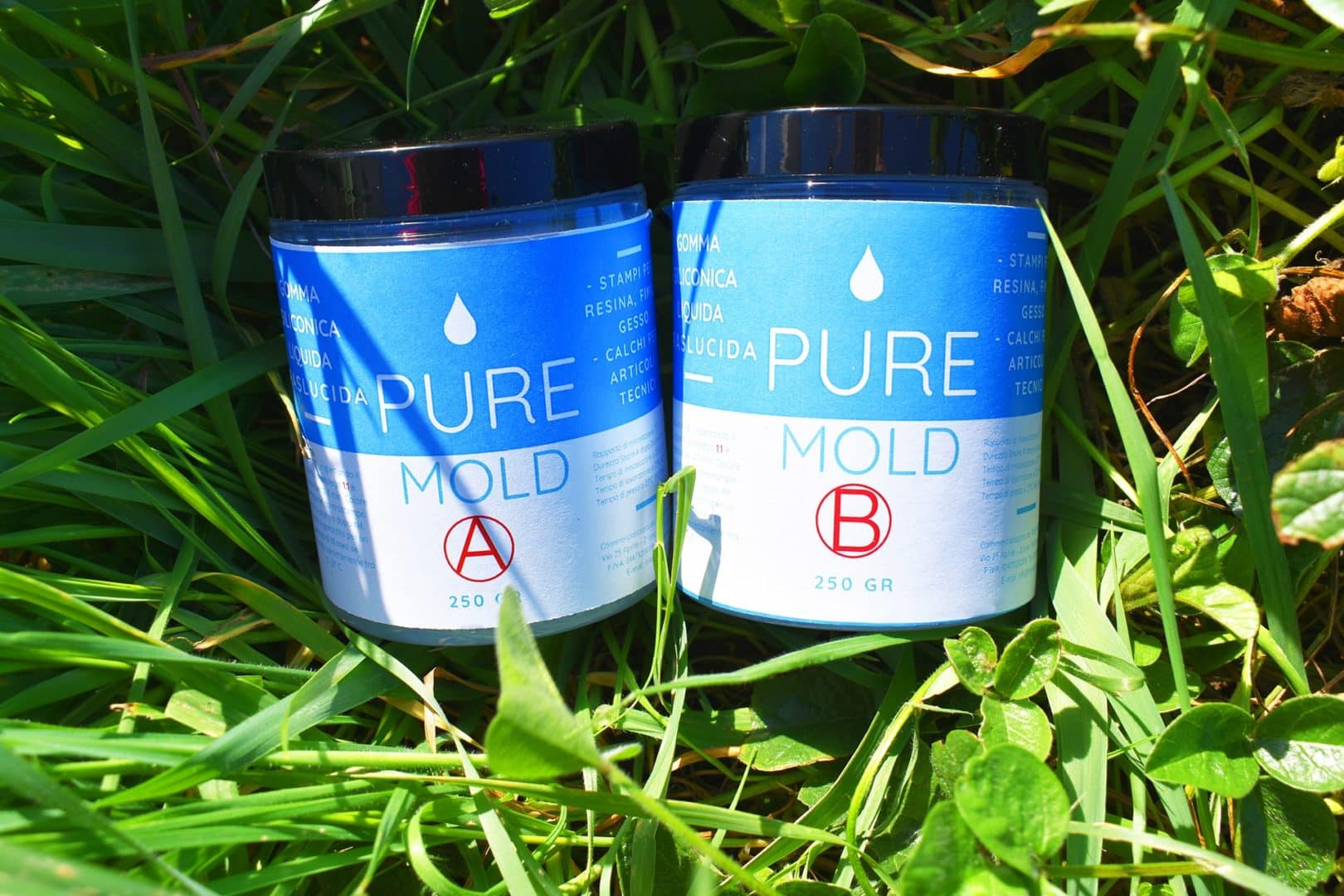
Essential Tools and Materials for Silicone Moulding
Gather all the necessary tools before you begin: silicone rubber, a clean object, formwork, stirrers, and release agent if needed. Preparation is key for a smooth mould making process.
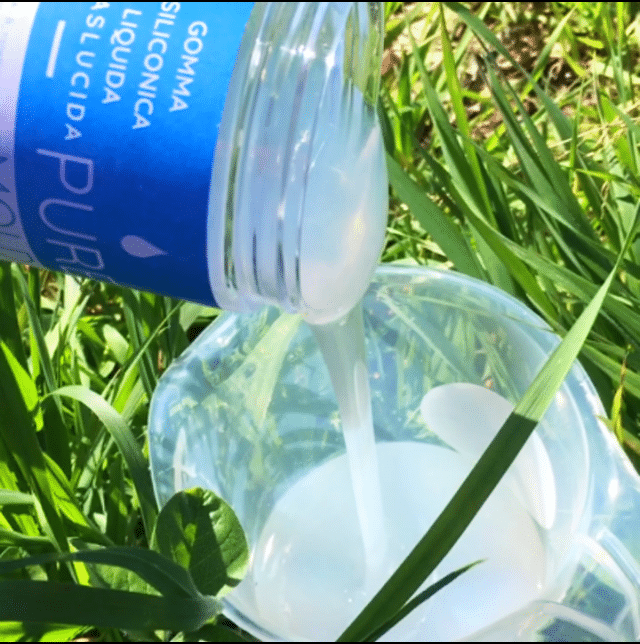
Step 1: Prepare the Object and Workspace
Begin by ensuring your object is clean and completely dry. Remove any dust or grease, as these can affect the final detail of your mould. Work in a clean, dust-free environment to prevent contaminates from embedding in your mould surface. If your object has fine texture or intricate recesses, use a soft brush to gently remove any debris. Secure the object in your chosen formwork or container, leaving enough space on all sides for the silicone to flow evenly.
Some objects may require a release agent—particularly porous materials like wood or plaster. Apply the release agent thinly and allow it to dry before proceeding.
Step 2: Mix and Prepare the Silicone Rubber
Carefully read and follow the instructions for your chosen silicone. For liquid silicone rubbers, such as “Pure Mould” or “Liquid Mould”, measure the required amounts of both components according to the product’s recommended ratio—often 1:1 by weight or volume.
Mix silicone thoroughly to eliminate streaks; any unmixed base or catalyst can lead to soft spots or incomplete curing. If you are using “I–Gum” silicone putty, knead equal amounts of the two components together until the colour is uniform. Once mixing starts, you have a limited working time before the silicone begins to set—work efficiently but carefully.
Step 3: Pour or Apply the Silicone Over the Object
Slowly pour the mixed silicone into one corner of the form, letting it flow around the object naturally. This minimises air bubbles and ensures even coverage, particularly for detailed or undercut areas. For vertical or awkward surfaces, you may brush a preliminary thin layer over the object before pouring the main mass to ensure all fine details are captured.
With putty-type silicones, such as “I–Gum”, press the kneaded putty firmly around the item, making sure to press into every detail. Shape additional putty as required to cover the entire object with a consistent thickness.
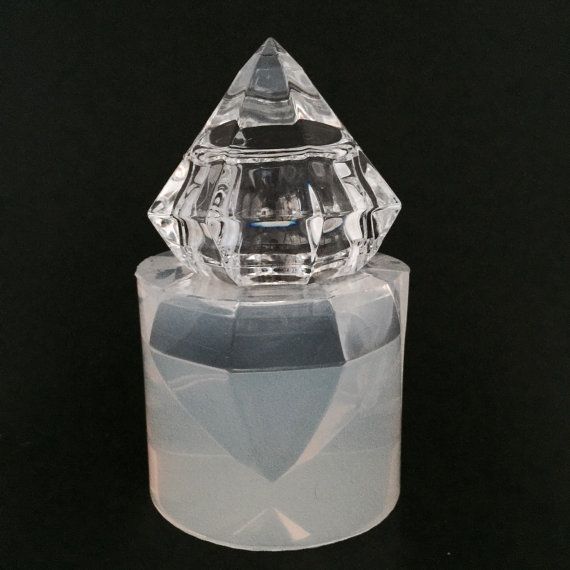
Step 4: Allow the Mould to Cure and Demould Carefully
Let the mould set for the time recommended by your chosen silicone product. Ensure adequate cure time for the best results; rushing this step can damage the mould or leave it sticky. Curing times may vary from around 20 minutes for putties up to several hours for liquid silicones.
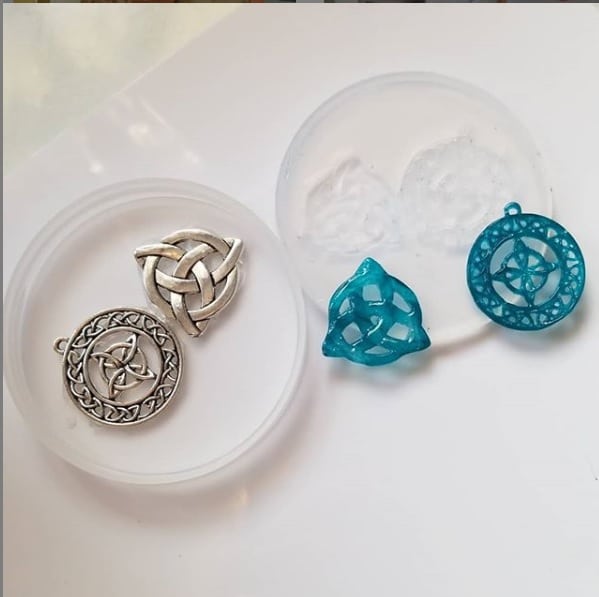
Once cured, gently flex the mould or the formwork to release the object. Avoid using excessive force so the mould’s detailed structure remains intact for casting or further use.
Tips, Common Mistakes and Troubleshooting
- Choose the right type of silicone for your project: Liquid silicones are better for detailed, complex forms, while putties are fast and easy for smaller items.
- Trapped air bubbles can be minimised by pouring slowly from one point and gently vibrating the mould or tapping the sides.
- Be patient. Most common issues arise from rushing cure times or inaccurate mixing.
- Use suitable release agents as needed: Certain items, particularly with porous or textured surfaces, need a release agent for easy demoulding.
- If parts of your mould remain sticky, the cause is usually under-mixing—double-check your material ratios and mixing technique next time.
Mastering Silicone Moulding Techniques
Experiment with small objects first to refine your technique. Taking time to learn proper mixing and application will help you consistently achieve crisp, reusable moulds for a variety of uses.
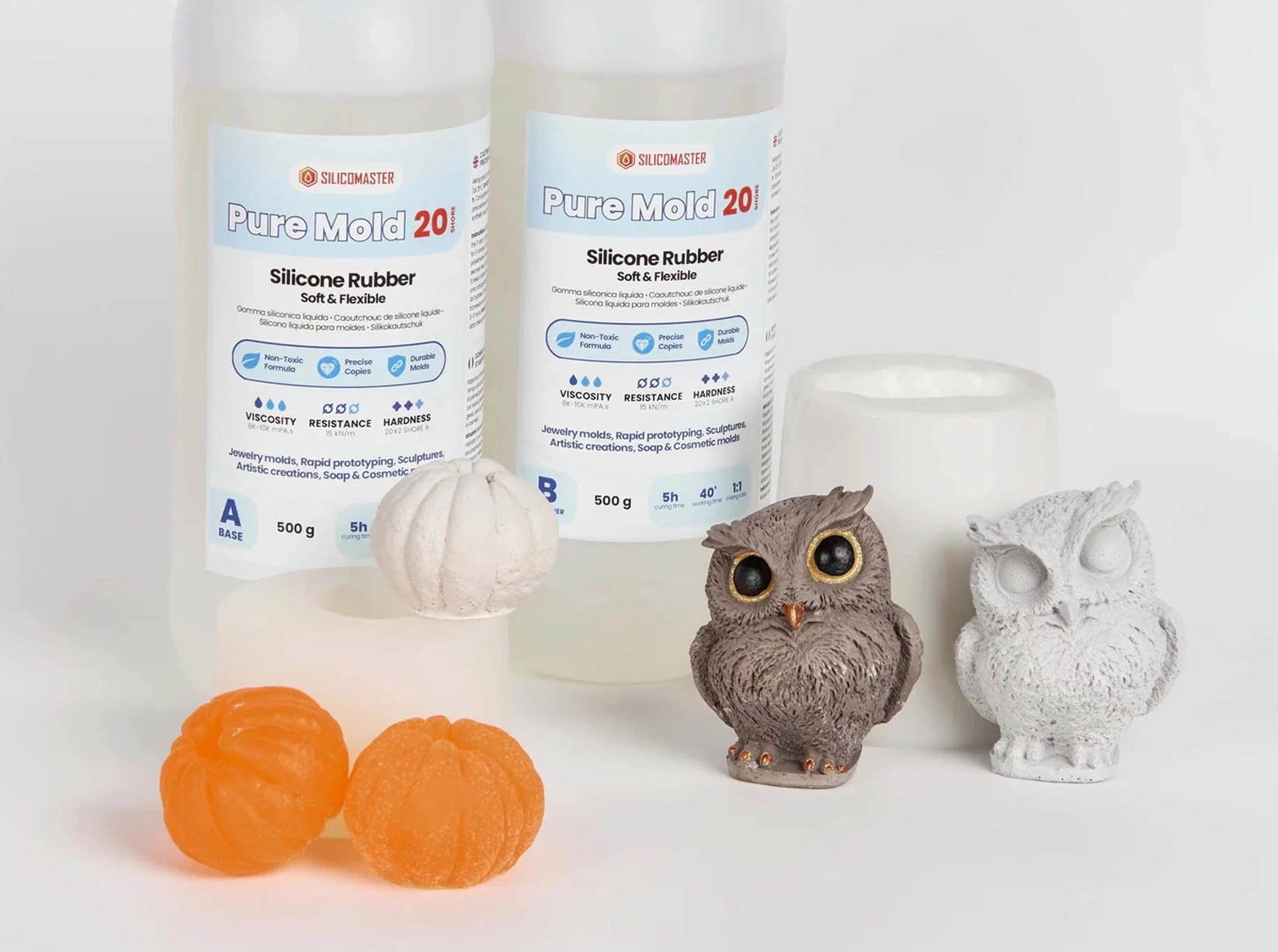
- "Pure Mould" – Translucent Liquid Silicone Rubber for Mould MakingPrice range: £22.85 through £158.85"Pure Mould" silicone rubber is a translucent, fast-setting product suited for mould making using various materials including resins and plaster.
- "Liquid Mould" – Casting Liquid Silicone Rubber, 5-40 Shores, Bi-Component A+BPrice range: £13.45 through £368.85"Liquid Mould" is liquid silicone rubber for making detailed moulds suitable for small and complex objects under the theme on making silicone rubber…
 "I–Gum" – Non-Toxic Silicone Putty for Mould MakingPrice range: £22.85 through £99.85"I–Gum" is a non-toxic silicone putty designed for making moulds suitable for resin and other materials.
Frequently Asked Questions
Which silicone is best for a highly detailed object?
Liquid silicone rubbers such as "Pure Mould" or "Liquid Mould" are ideal for capturing fine details and complex shapes.
Do I need to use a release agent on my object?
A release agent is recommended for porous or textured items, but many non-porous objects do not require it when using silicone rubber.
How long does silicone take to cure?
Cure times vary; silicone putty sets in about 20–40 minutes, while liquid silicones may take 3–12 hours depending on the product.
How do I prevent bubbles in silicone moulds?
Pour silicone slowly into one spot, allow it to flow over your object, and gently vibrate or tap the mould to release trapped air.
What is the difference between liquid silicone and silicone putty for moulds?
Liquid silicones are best for detailed or larger pieces; silicone putty is convenient and ideal for small items or rapid projects.
Why is my silicone mould soft or sticky?
Often, this is due to incorrect mixing ratios or inadequate mixing of the components. Check instructions and mix thoroughly.