 Free shipping on orders over £29,85
  Shipping Tracking!


 Google
 Facebook
how to make a silicone rubber mould video
Creating your own silicone rubber moulds opens up a world of creative casting, from resin art to bespoke homeware. If you’ve watched mould making videos and want to achieve professional results yourself, this comprehensive guide walks you through each stage—from preparation right through to perfectly cured moulds.
Step-by-step video guidance for perfect silicone rubber moulds


What You’ll Need
- “I–Gum” – Non-Toxic Silicone Putty for Mould Making: A reliable, easy-to-mix silicone putty for all levels.
- Free Step-by-Step Lesson “Kiwi Coasters” by Natalia Natirum: Helpful video reference for working with silicone putty and resin.
- Mixing tools (disposable spatula or stick)
- Gloves and protective workspace mat (optional, as putty is non-toxic)
- Your chosen model or original to copy

See the Mixing in Action
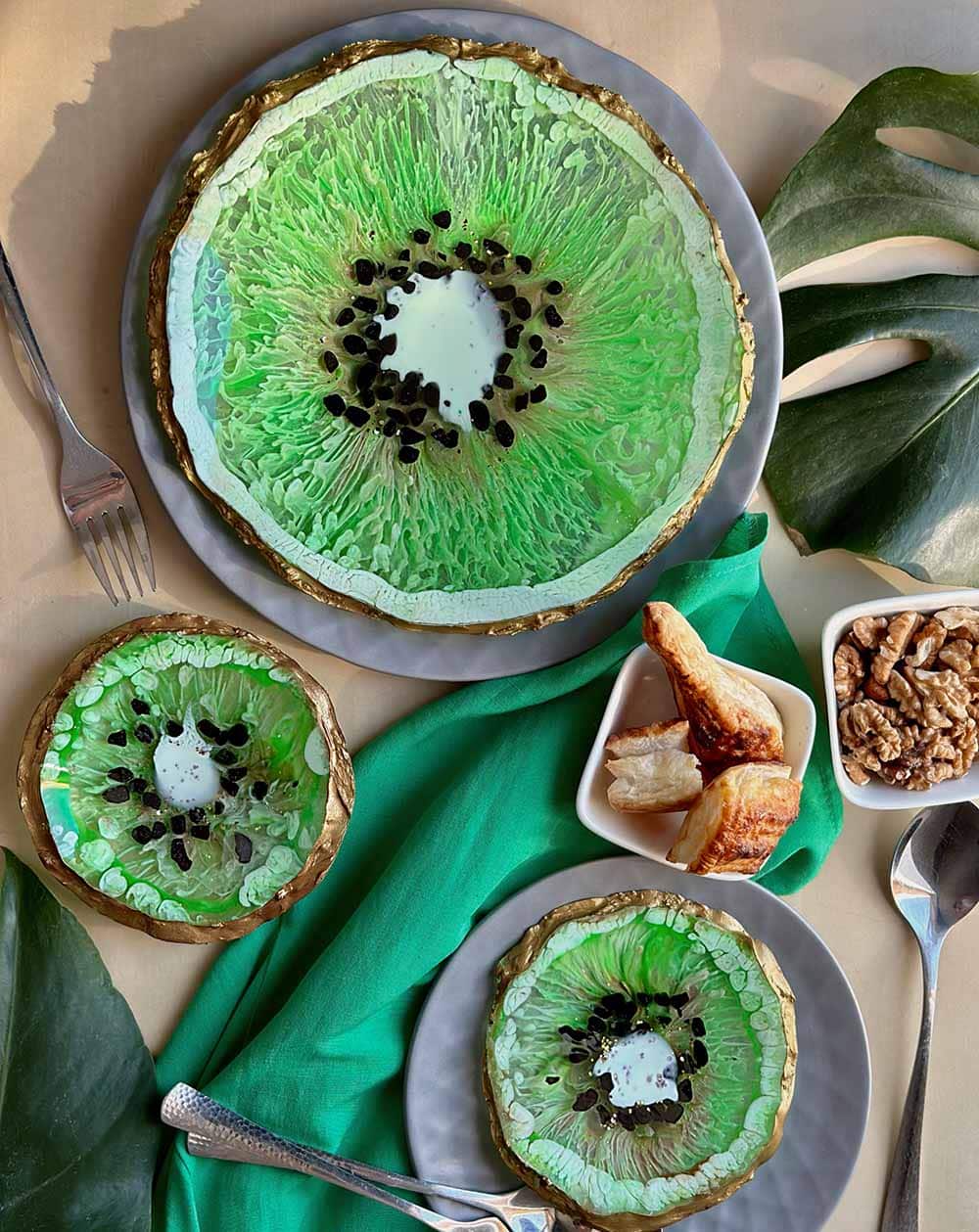
Watch a practical demonstration of silicone putty mixing in our free Kiwi Coasters video lesson. Visual step-by-step examples help you follow correct techniques and avoid mixing errors.
Step 1: Mix the Silicone Putty
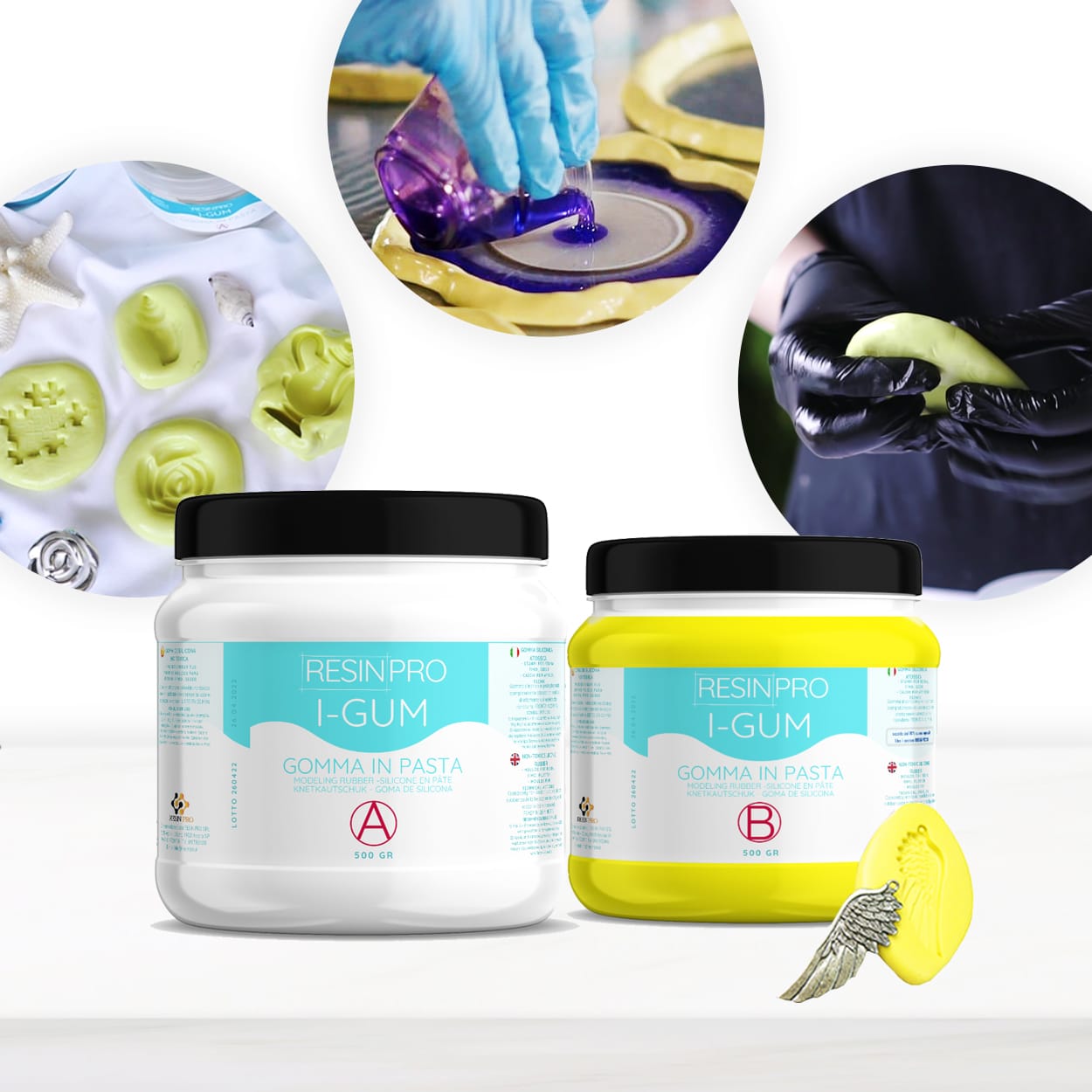
Begin by preparing your work surface and gathering your tools. With non-toxic silicone putties like I–Gum, gloves are optional due to its safe formulation, though you may wear them for comfort. Weigh out equal parts of part A and part B putty. Mix equal parts of both silicone putty components thoroughly until a uniform colour is achieved. Work briskly to make the most of your working time—usually about 20 minutes before the mixture starts to cure.
If you need a visual run-through, the Free Step-by-Step Lesson “Kiwi Coasters” demonstrates safe and efficient mixing techniques ideal for beginners and intermediates alike.
Step 2: Mould the Putty Around Your Object
Once the putty is ready, flatten a portion on your surface to act as a base. Place your cleaned and dry original object onto this base. Press your original object gently into the base layer, ensuring it is half-embedded and stable. Next, mould the remaining putty over and around the exposed surfaces, gently pressing to create a snug, detailed negative. Smooth the outside to avoid bubbles or folds that could distort your final mould.
Step 3: Allow to Cure Completely
Set the mould aside on a flat surface free from dust and vibrations. Pay close attention to the manufacturer’s curing guidelines—silicone putties such as I–Gum typically require about 20 minutes, but ambient temperature can influence this. Allow the silicone mould to cure fully before attempting removal, as premature demoulding can compromise surface detail or distort the shape.
Step 4: Demould and Inspect
Once cured, it’s time to separate your new mould from the master object. Demould slowly by peeling away the silicone, flexing gently to free delicate shapes. Inspect the cavity for bubbles or thin spots. For tougher shapes or complex originals, a tiny amount of release agent may help, though with I–Gum putty this is rarely necessary.
Tips and Troubleshooting for Silicone Mould Making
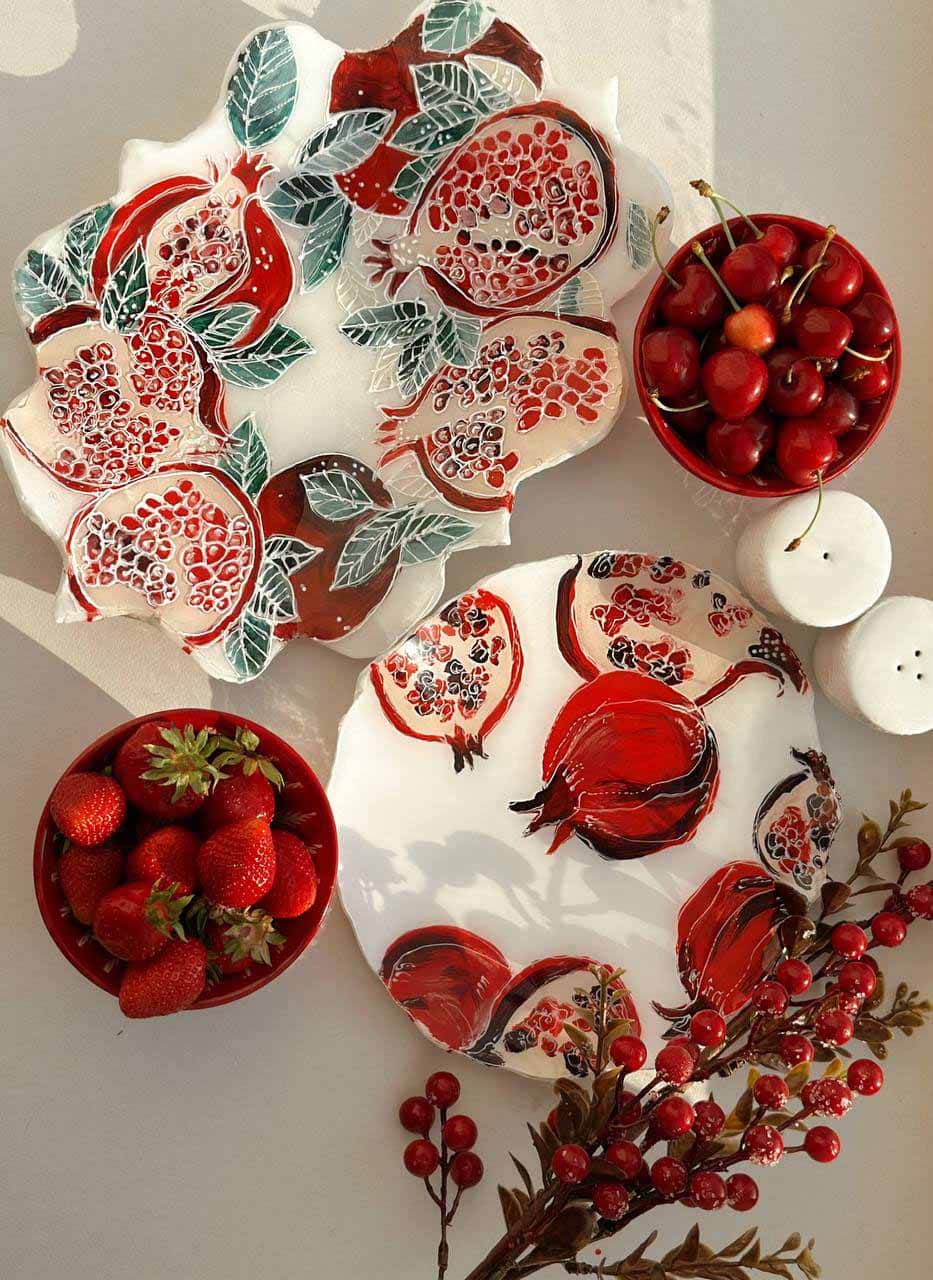
For long-lasting and reusable moulds, always clean both original and workspace thoroughly before starting. Avoid mixing components in unequal proportions—silicone may not set fully if the ratio is not exact. Store your finished silicone moulds away from direct sunlight and in a dust-free location to prevent premature aging. If your mould seems sticky or soft, allow extra curing time. For advanced tips or to troubleshoot issues, check out a step-by-step video like Natalia Natirum’s pomegranate tray lesson for visual pointers.
Visual Troubleshooting for Better Results
Our Pomegranate Trays lesson offers a video overview of possible pitfalls and expert advice on ensuring clean, bubble-free moulds. Use this as reference for your own projects.

- Online Video Course – Christmas Tree Decorations Masterclass (Instagram Access)£19.85Video course covering techniques for creating Christmas tree decorations with resin and coloured inks.
- Free Step-by-Step Lesson – "Pomegranate Trays" by Natalia NatirumOriginal price was: £99.00.£0.00Current price is: £0.00.Video tutorial on creating resin pomegranate trays with guidance on materials for silicone rubber mould making.
- Free Step-by-Step Lesson "Kiwi Coasters" by Natalia NatirumOriginal price was: £99.00.£0.00Current price is: £0.00.This free video tutorial explains how to create resin trays and coasters resembling kiwi, suitable for the theme how to make a silicone rubber mould…
- "I–Gum" – Non-Toxic Silicone Putty for Mould MakingPrice range: £22.85 through £99.85"I–Gum" is a two-component non-toxic silicone putty suitable for making moulds and forms, supporting resin and other materials.
Frequently Asked Questions
Is I-Gum putty suitable for beginners in silicone mould making?
Yes, I-Gum is non-toxic, easy to mix, and requires no specialist equipment, making it very accessible for beginners.
What is the correct mixing ratio for silicone rubber putties?
Most putties like I-Gum should be mixed in a 1:1 ratio by weight or volume for reliable curing.
How long do silicone rubber moulds take to cure?
Typical curing times are around 20 minutes at room temperature, but always check specific product guidelines.
How can I avoid bubbles in my silicone moulds?
Mix thoroughly and press putty carefully around objects to reduce air entrapment, following video tutorials for best practice.
How do I remove my object from a cured silicone mould?
Gently flex and peel the mould away, supporting delicate areas as you go, to avoid tearing or stretching.