 Free shipping on orders over £29,85
  Shipping Tracking!


 Google
 Facebook
How to make silicone rubber
Step-by-step guide for DIY and professional silicone moulds
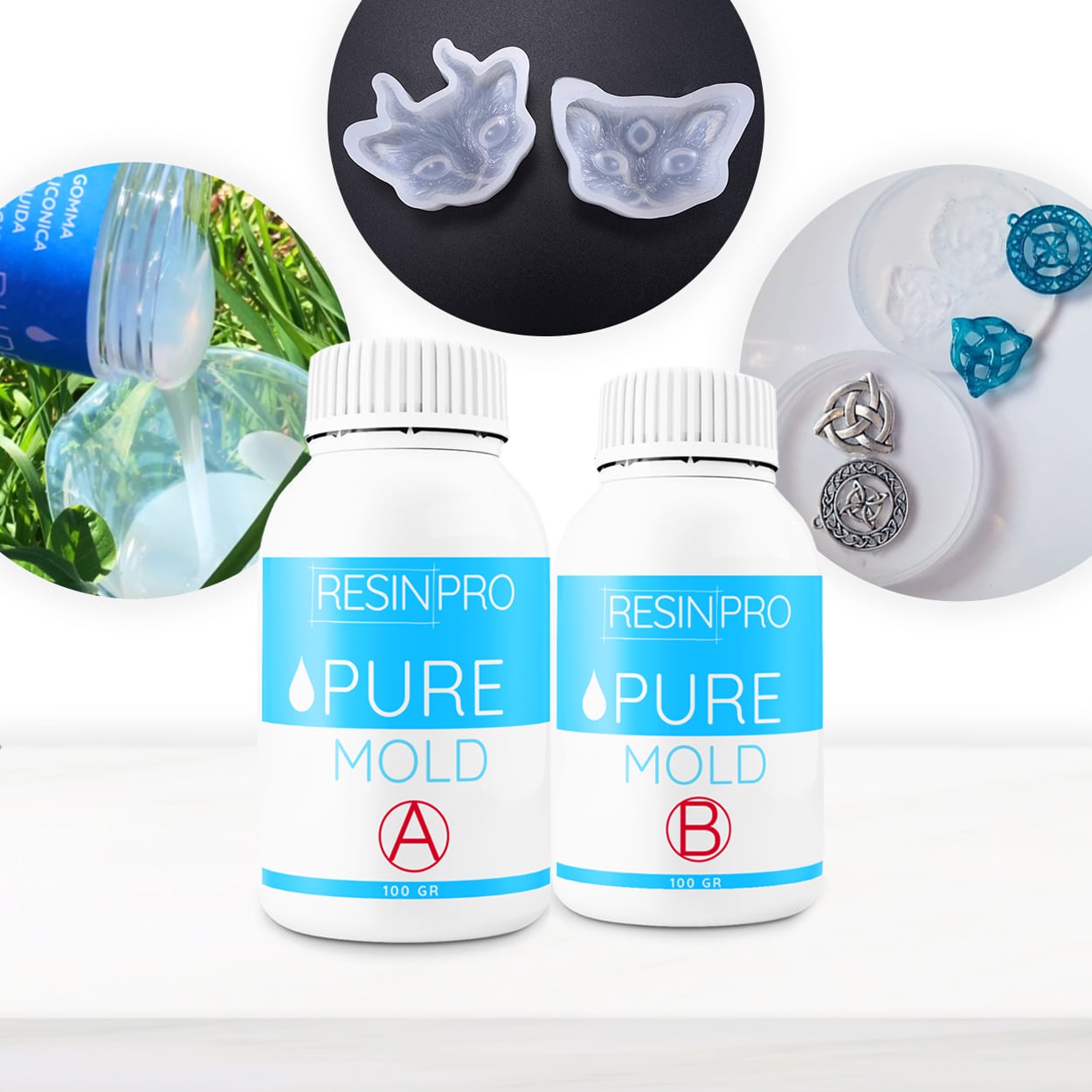
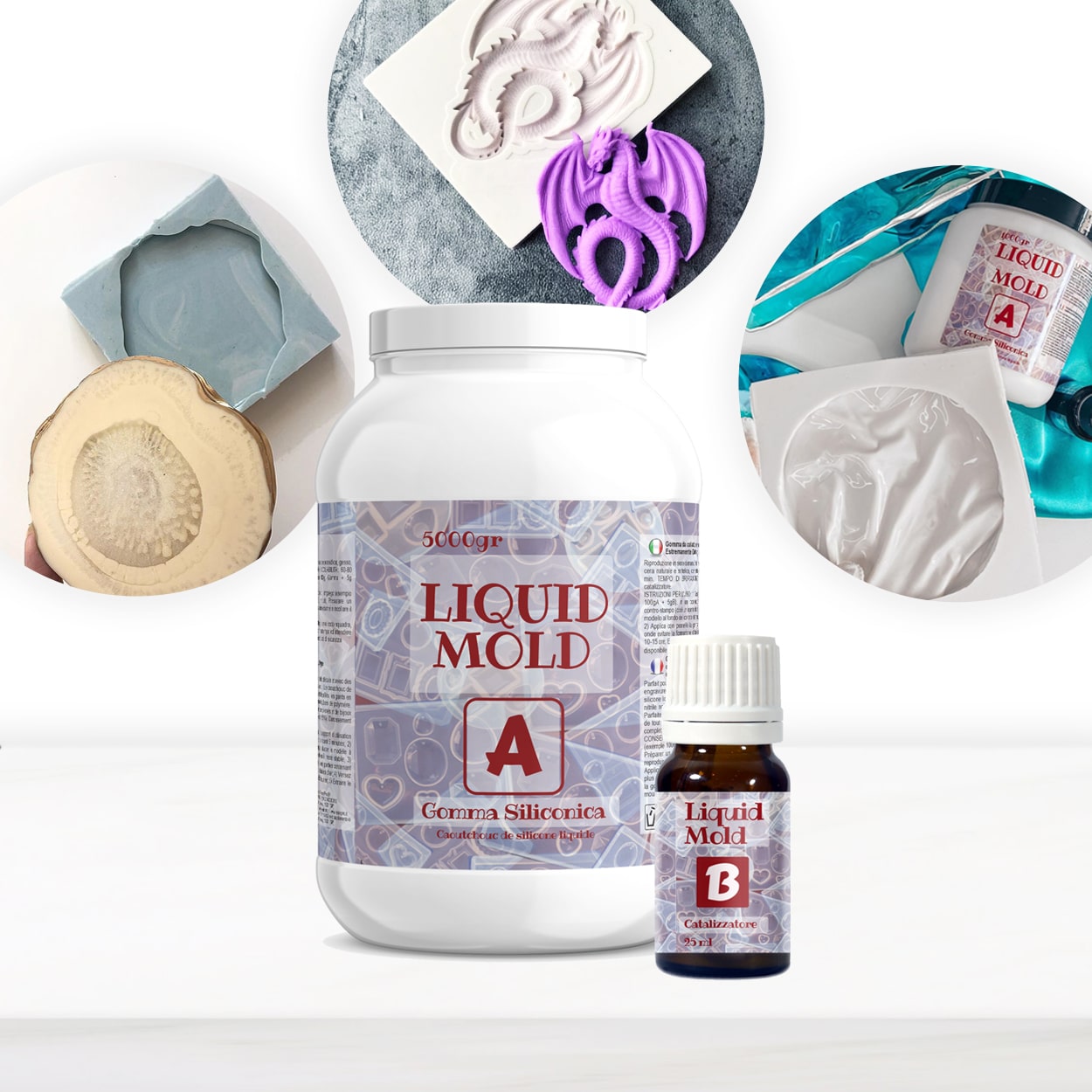
Silicone rubber is a versatile material widely used for creating flexible, durable moulds for resin casting, candle making, model duplication, and more. Whether you’re a hobbyist or tackling professional projects, understanding how to make silicone rubber is essential for achieving precise, reusable moulds. This guide walks you through each step, ensuring high-quality results every time.
What You’ll Need
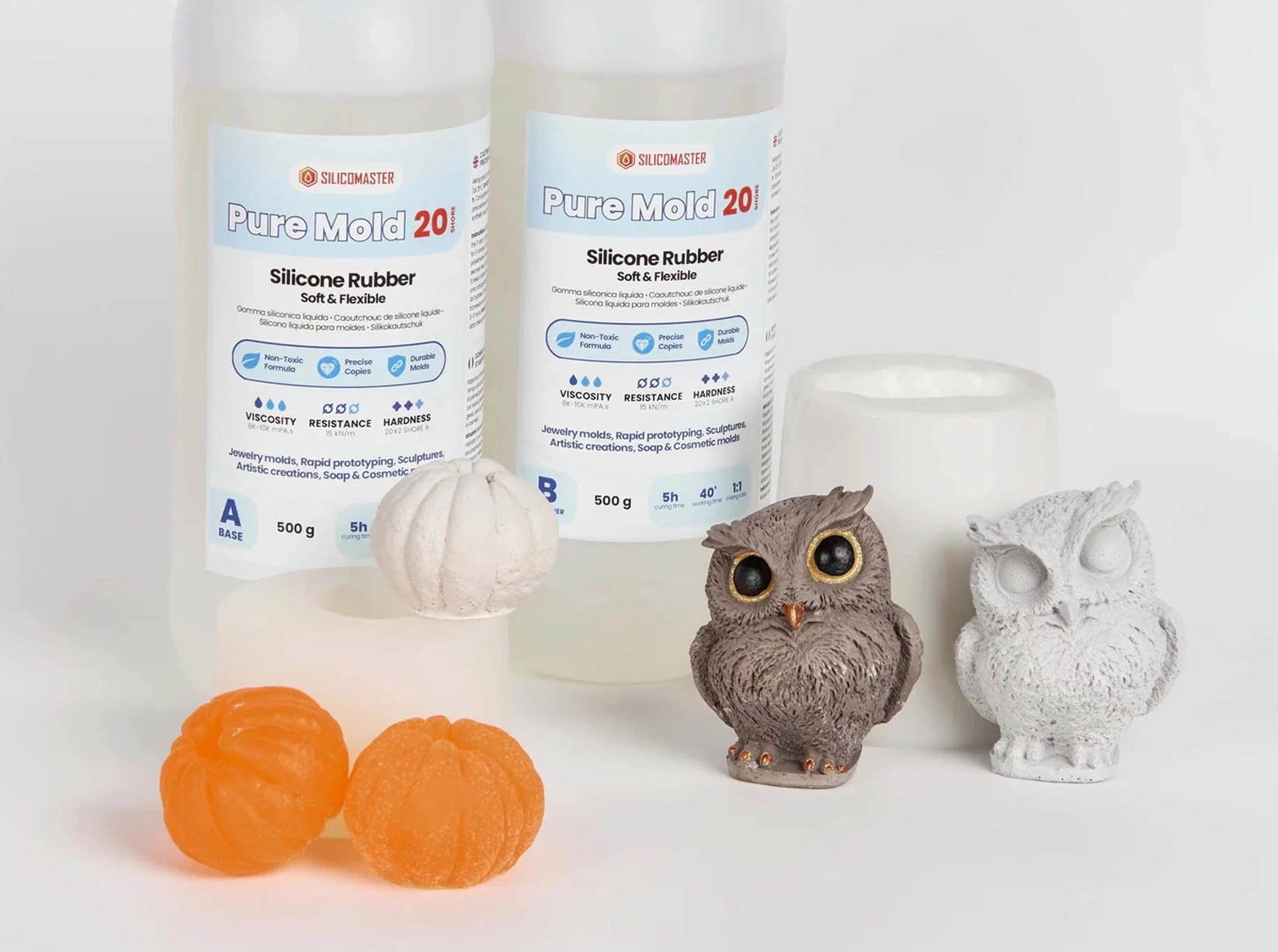
- “Pure Mould” – Translucent Liquid Silicone Rubber for Mould Making: Fast curing, ideal for detailed and durable moulds.
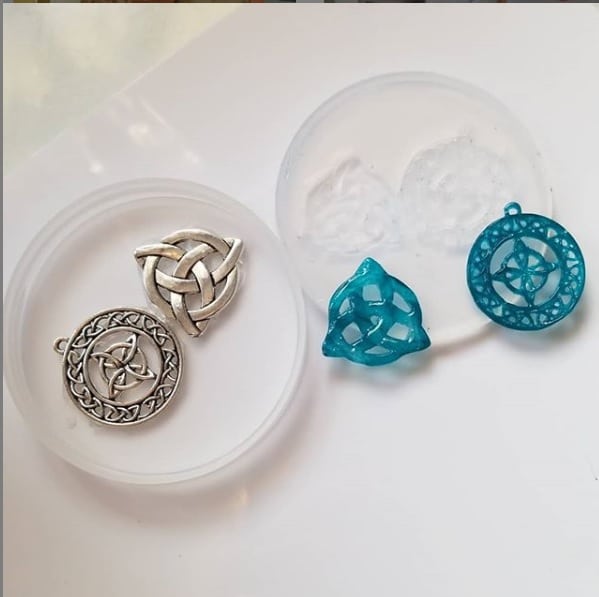
- “Liquid Mould” – Casting Liquid Silicone Rubber, 5-40 Shores, Bi-Component A+B: Suitable for small objects, jewellery, and models with intricate details.
- “I–Gum” – Non-Toxic Silicone Putty for Mould Making: Perfect for quick, easy moulds by hand for smaller or irregular items.
- Silicone Oil for Mould Protection and Easy Release – 15ml: Maintains flexibility and aids smooth demoulding.
- Mixing containers and stirrers
- Accurate digital scale or measuring cups
- Model or object to duplicate
- Release agent (if required)
- Protective gloves and workspace covering
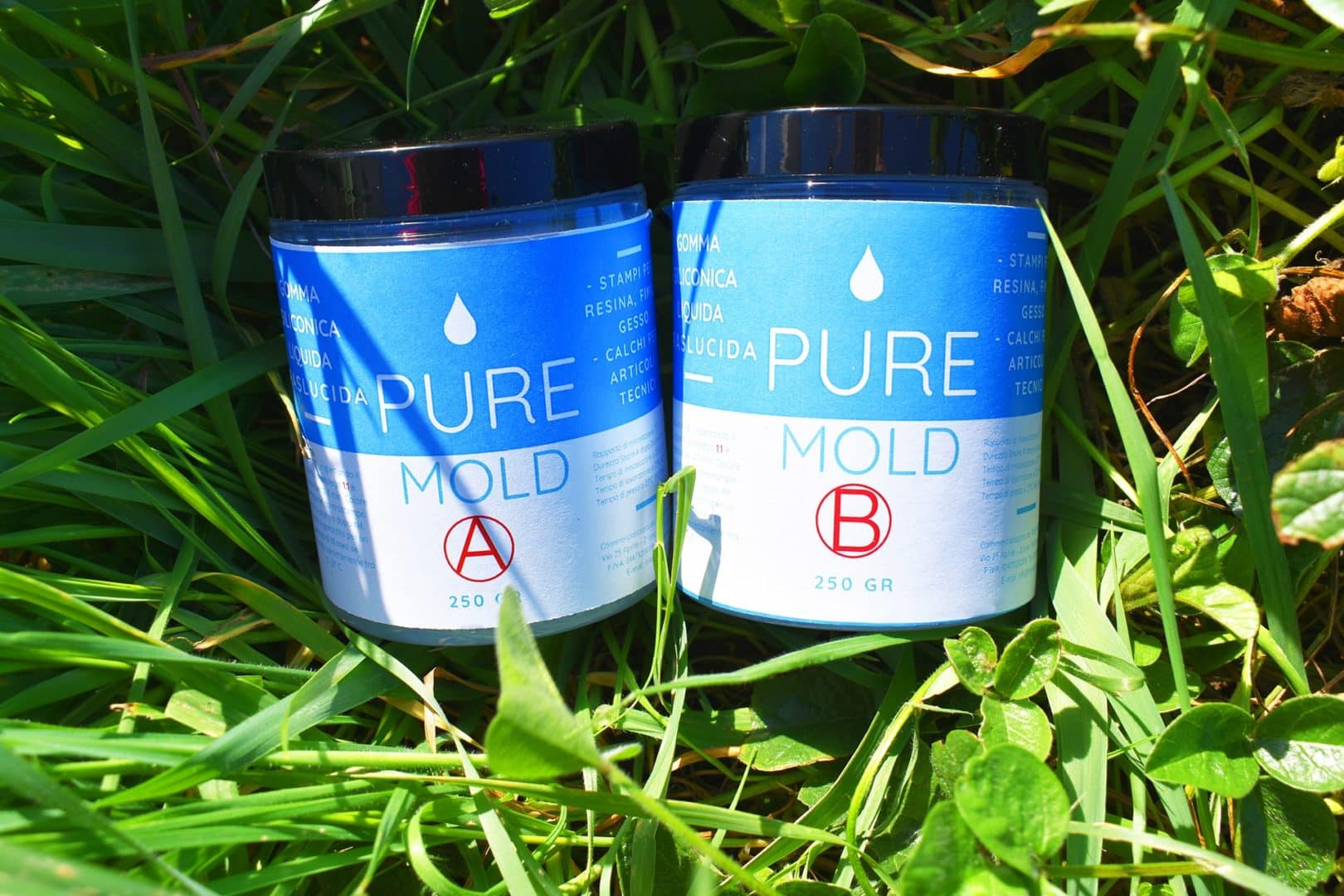
Essential Tools and Materials for Silicone Rubber Making
Before starting, gather your chosen silicone rubber and ensure you have suitable containers, measuring tools, and protective gloves. Preparing your workspace and materials in advance prevents delays and helps achieve a professional finish.
Step 1: Prepare Your Workspace and Model
Wear gloves and work in a ventilated area. Cover your work surface to guard against spills and choose a dust-free environment to avoid contamination of your silicone rubber. Clean your master object thoroughly so that no dust or oils interfere with the final mould’s accuracy. If your model is especially intricate or made from porous materials, consider applying a release agent to prevent adhesion.
Place your master in a container, leaving enough room for silicone rubber to surround it completely. For putty-based silicone, like “I–Gum” – Non-Toxic Silicone Putty for Mould Making, just flatten and press it evenly around your model.
Step 2: Measure and Mix the Silicone Components
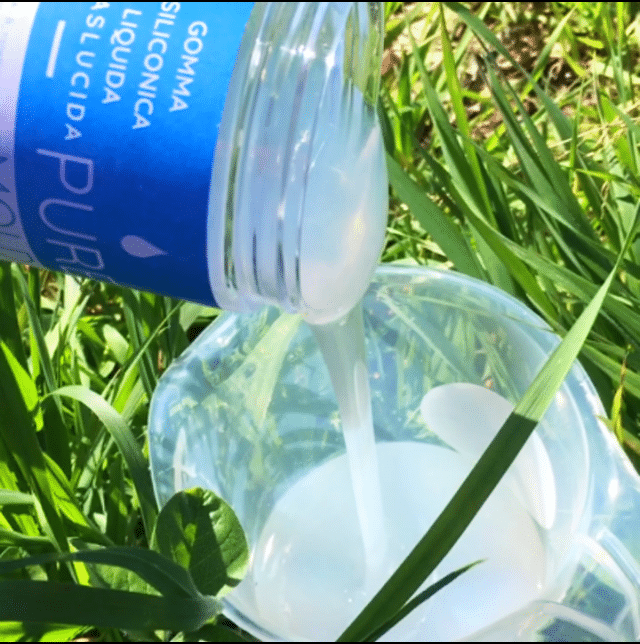
Consult the directions for your chosen silicone rubber. Accuracy when measuring and mixing is critical. Most liquid silicones, such as “Pure Mould” and “Liquid Mould”, require a 1:1 or specified ratio of base and catalyst. Use a precise scale or measuring jug to avoid errors that might cause curing issues or create a fragile mould.
Combine the two parts in a wide, clean mixing container. Eliminate all air bubbles by slow mixing. Mix gently but thoroughly, scraping sides and bottom to ensure complete homogeneity. For putty type silicones, knead the two parts together by hand until colour is uniform.
Step 3: Pour or Apply the Silicone Rubber
For liquid systems, slowly pour the mixed silicone rubber into the lowest point of your mould box, letting it rise and flow around the model. This helps trap fewer bubbles at the surface. Avoid pouring too rapidly; take your time to get an even fill. If you’re working with “I–Gum” putty, simply work it around the object so that no gaps remain.
Check for air bubbles around complex areas and gently tap or vibrate the container if possible. Some users employ a pressure pot for highly detailed work with “Liquid Mould”.
Step 4: Allow Proper Curing and Demould Carefully
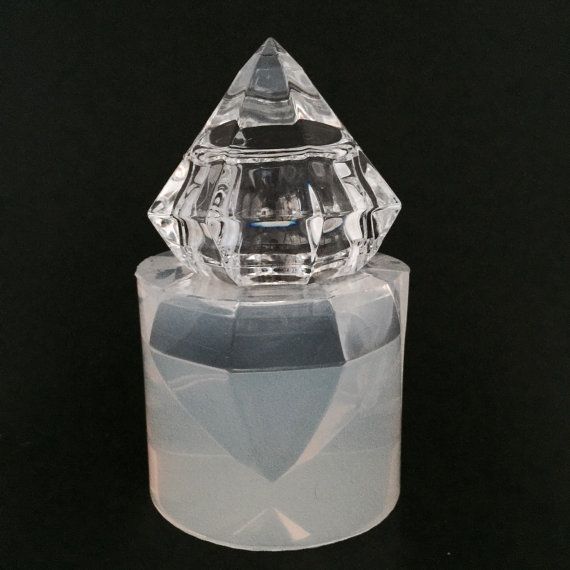
Refer to your silicone’s cure time—Allow full curing before demoulding. “Pure Mould” typically cures within 3-8 hours; others may take longer. Do not attempt to remove your mould too soon, as this can cause distortion or surface damage.
Once fully set, gently flex the sides of your mould container to loosen the silicone, then carefully remove both the mould and the master object. If a release agent was used or if you wish to further protect your mould, a light coating of Silicone Oil for Mould Protection and Easy Release – 15ml helps extend the life and maintains easy demoulding.
Tips, Common Mistakes, and Troubleshooting
- Mix only what you need—larger batches begin curing faster.
- Store silicone rubber in an airtight container. Exposure to moisture can affect shelf life and final mould properties.
- If the mould is too brittle, check your mix ratio and ensure you used both A and B components as directed.
- For fine details, pour silicone rubber from a height of about 15-20cm to help break surface tension and reduce bubbles.
- If demoulding is difficult, use a soft brush to lightly apply silicone oil before casting your objects.
Storage and Care for Long-Lasting Moulds
Avoid direct sunlight and excessive heat when storing completed silicone rubber moulds. Regularly applying silicone oil ensures flexibility and increases their lifespan for repeated use in resin or other casting projects.
- "Pure Mould" – Translucent Liquid Silicone Rubber for Mould MakingPrice range: £22.85 through £158.85This product is a translucent liquid silicone rubber designed for mould making with various resins, plaster, and cement.
- "Liquid Mould" – Casting Liquid Silicone Rubber, 5-40 Shores, Bi-Component A+BPrice range: £13.45 through £368.85Casting liquid silicone rubber designed for small detailed moulds and multiple reproductions in line with the theme of How to make silicone rubber.
 "I–Gum" – Non-Toxic Silicone Putty for Mould MakingPrice range: £22.85 through £99.85Non-toxic silicone putty designed for creating moulds and forms suitable for working with resin and other materials.
 Silicone Oil for Mould Protection and Easy Release – 15ml£5.15Silicone Oil for mould protection and easy release suitable for resin artists and crafters following the How to make silicone rubber theme.
Frequently Asked Questions
What type of silicone rubber is best for capturing fine details?
Use a high-quality liquid silicone such as "Pure Mould" for excellent detail, flexibility, and minimal shrinkage.
How long does silicone rubber take to cure before demoulding?
Most silicones cure within 3–12 hours, but always follow the specific instructions for the product you’re using.
Is it necessary to use a release agent with silicone rubber?
A release agent is recommended for porous models or to improve mould longevity, especially when using the mould repeatedly.
How can I avoid air bubbles when mixing or pouring silicone rubber?
Mix slowly and pour from a low height. For critical detail, use a pressure pot or tap the container gently to release trapped air.
How do I care for and maintain silicone rubber moulds?
Keep them clean, avoid sharp objects, and apply silicone oil after each use to maintain flexibility and prevent sticking.
Can I reuse silicone rubber moulds for multiple castings?
Yes, quality silicone moulds are designed for repeated use provided they are cleaned and cared for properly.