 Free shipping on orders over £29,85
  Shipping Tracking!


 Google
 Facebook
how to make a coffee table with wood and resin
Step-by-step guide to creating a unique resin coffee table
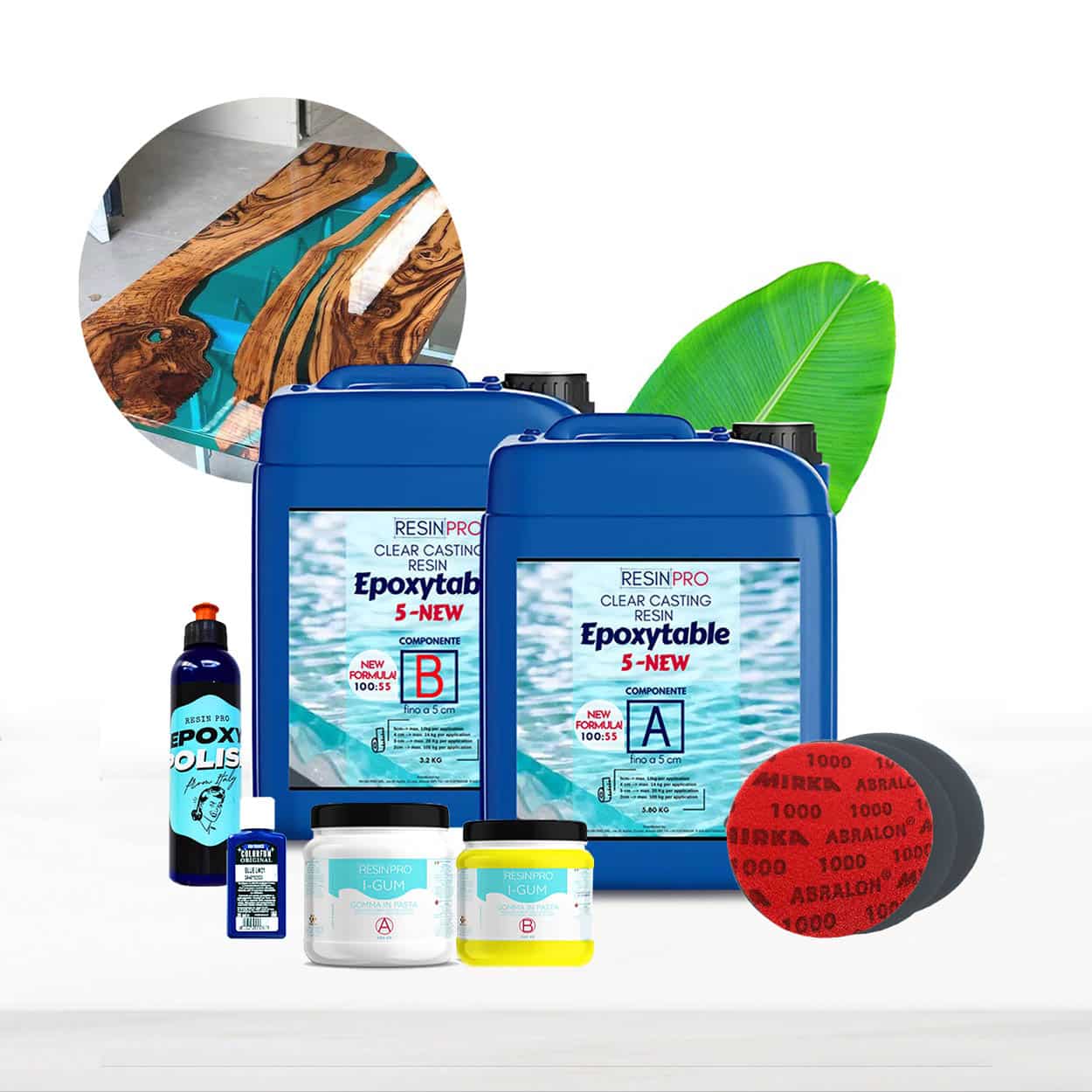
Creating a coffee table with wood and resin combines practical woodworking with modern design, resulting in a standout piece of furniture for any living space. Whether you’re an experienced maker or a first-time DIY enthusiast, this guide will walk you through the process – from selecting the right base to pouring and finishing your resin. You’ll learn essential steps, get advice on keeping surfaces bubble-free and durable, and discover tips to ensure your coffee table is both beautiful and lasting.
What You’ll Need
- “Geode O” – Large Wooden Board Table Base for Epoxy Resin Projects – Sturdy wood base, available in two convenient sizes for creative flexibility.
- “EpoxyTable 5-Five” – Deep Pour Epoxy Resin for Tables and Large Projects – Up to 5cm – Professional-grade deep pour resin for transparent layers up to 5cm thick, ideal for most coffee table pours.
- “Epoxytable 10-Ten” – Deep Pour Epoxy Resin for Tables, Up to 10cm Casting – For very deep pours beyond 5cm, use this resin for thick, artistic table designs.
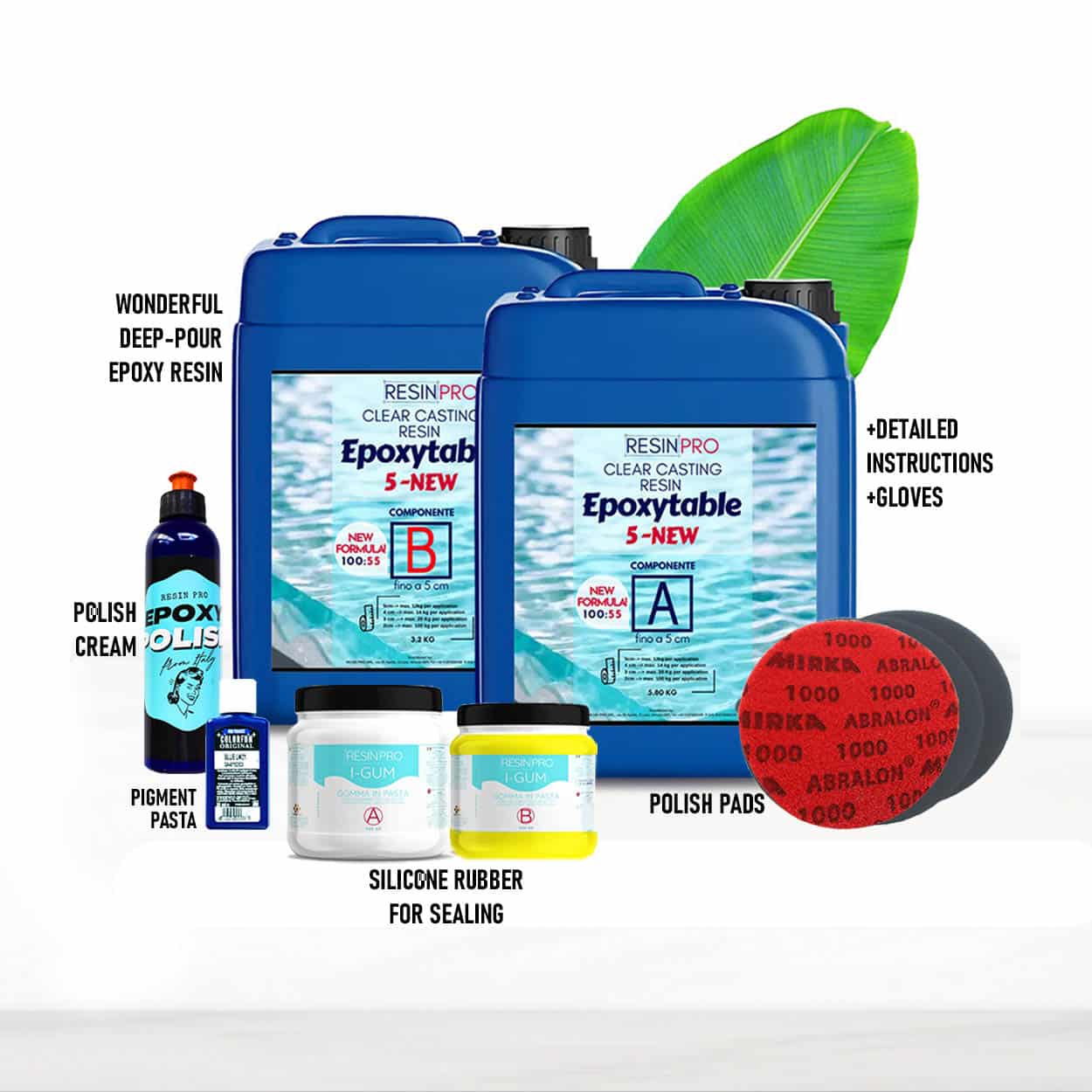
- “River-Table” – Complete Kit for Creating Your First Epoxy Resin Table – For absolute beginners, this all-in-one kit includes resin, pigments, and polishing accessories.

Materials Selection for Wood and Resin Tables
Choosing the correct materials is crucial for achieving a durable and visually appealing wood and resin coffee table. Select a table base with a stable, high-quality wood foundation that resists warping. For resin, use a formula designed for deep pours when creating substantial layers; this reduces the risk of bubbles and improves clarity. Beginners may benefit from all-in-one kits that include pigments and polishing aids for convenience and consistency.
Step 1: Prepare Your Wooden Table Base
Your starting point is a solid, dry wooden board such as the “Geode O” table base. Ensure your wooden surface is completely dry and free from oils or dirt. If necessary, give the wood a quick sand to remove any imperfections, and use a clean brush to sweep away dust. For tables with cracks, fill them with wood filler and sand smooth after curing. If you plan a ‘river table’ design, arrange your boards with an intentional gap for the resin channel.
Secure the wood inside a well-sealed formwork (often made of melamine, plastic, or with adhesive tape) to prevent any leaks during pouring. Double-check all seals for tightness, especially along the base and corners.
Step 2: Mix and Colour Your Resin
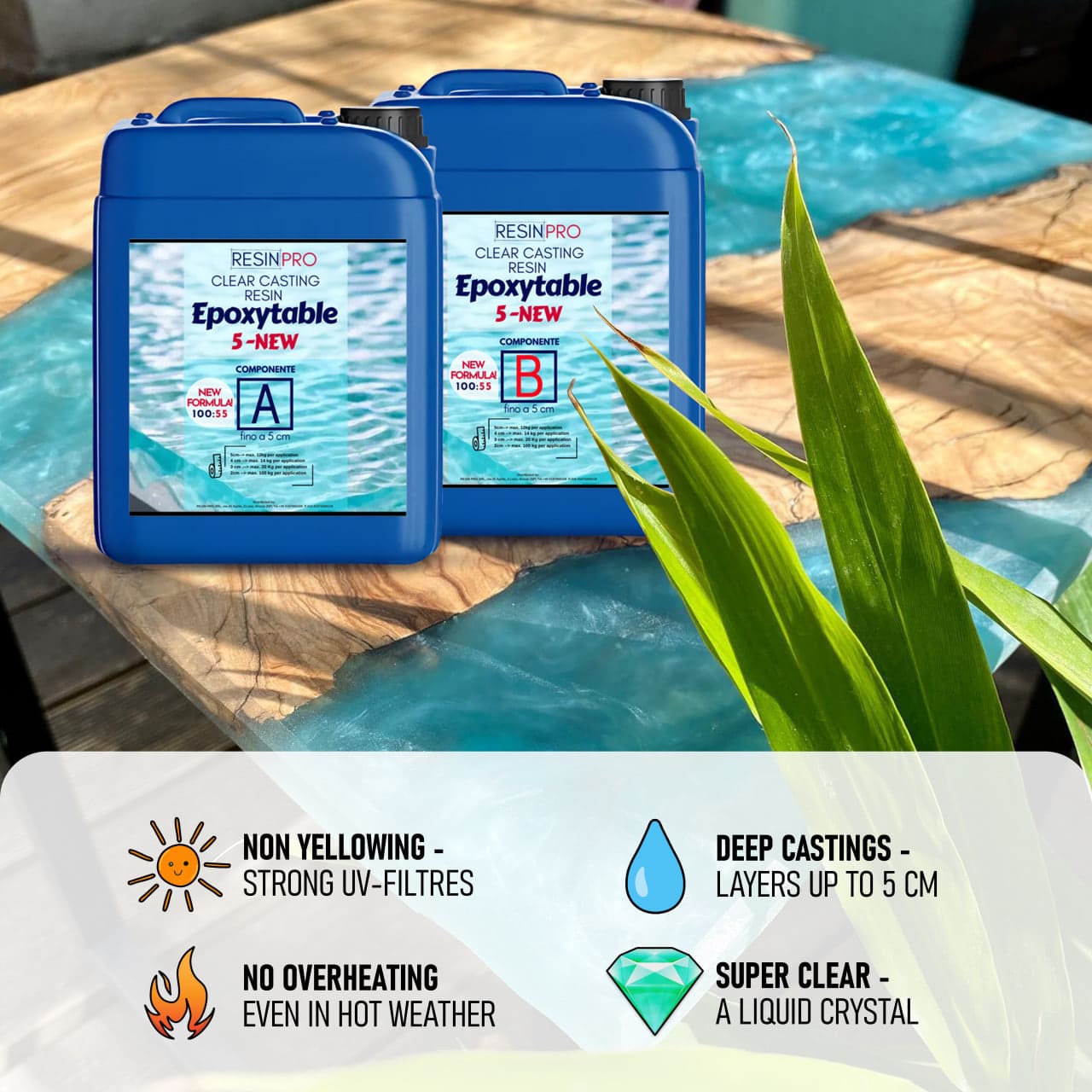
Before starting this stage, review the manufacturer’s instructions for your chosen resin. Always mix the resin and hardener by weight as directed. For standard pours up to 5cm, EpoxyTable 5-Five offers excellent clarity and controlled curing for fewer bubbles and minimal shrinkage. For projects requiring a pour deeper than 5cm, step up to Epoxytable 10-Ten instead.
Once measured, pour the hardener into the resin and mix slowly yet thoroughly for at least 3–5 minutes, scraping the sides and bottom of the container. If desired, add pigment powders or liquid dyes, mixing again for an even colour.
Step 3: Pour the Resin and Remove Bubbles
After mixing, carefully pour the resin into the prepared mould, guiding it gently to minimise trapped air. Pour resin slowly and in layers if necessary to avoid overheating. For projects with side lengths over 1 metre or very thick pours, consider multiple layers for safety and clarity; allow each to cure partially (typically 6–8 hours) before adding the next.
Use a heat gun or blowtorch briefly over the resin’s surface to help release air bubbles. Be careful not to scorch or burn the resin. Cover the poured table with a dust-proof cover while it cures to prevent debris or insects from settling on top.
Step 4: Sanding and Finishing Touches
When the resin has fully cured (often 24–72 hours depending on the formula), dismantle your mould and inspect the surface. Any rough patches, drips, or sharp edges should be smoothed using progressively finer sandpaper. Sand between resin layers for the smoothest finish. Wet sanding with water prevents overheating and creates a glassy result.
For a professional finish, polish the cured resin with a dedicated cream and polishing pad set. For beginners or those looking for a complete solution, the “River-Table” Complete Kit comes with all necessary polishing components and clear instructions on how to bring your coffee table to a glossy, flawless shine.

Tips and Common Mistakes to Avoid
- Protect your table from dust while curing. Even minor debris becomes permanently embedded in the resin if not prevented.
- Plan your pour volume and curing environment – too much heat or humidity can cause yellowing or cloudiness.
- Test colours and clarity on a small sample before committing to your full project.
- If layering, clean and gently sand between pours to help each new layer adhere perfectly.
- Always wear gloves and work in a ventilated area for safety.
Inspiration and Finishing Details
Experiment with pigment blends and wood shapes to make your coffee table truly unique. Explore complete kits or specialist resins for distinctive effects. Final finishing, including polishing and detailed sanding, will enhance longevity and showcase the clarity of your resin work — a few extra minutes spent on these steps can make a remarkable difference.

- "River-Table" – Complete Kit for Creating Your First Epoxy Resin TablePrice range: £188.85 through £444.85"River-Table" kit includes all necessary materials and instructions for making a wooden and resin table, suitable for beginners.
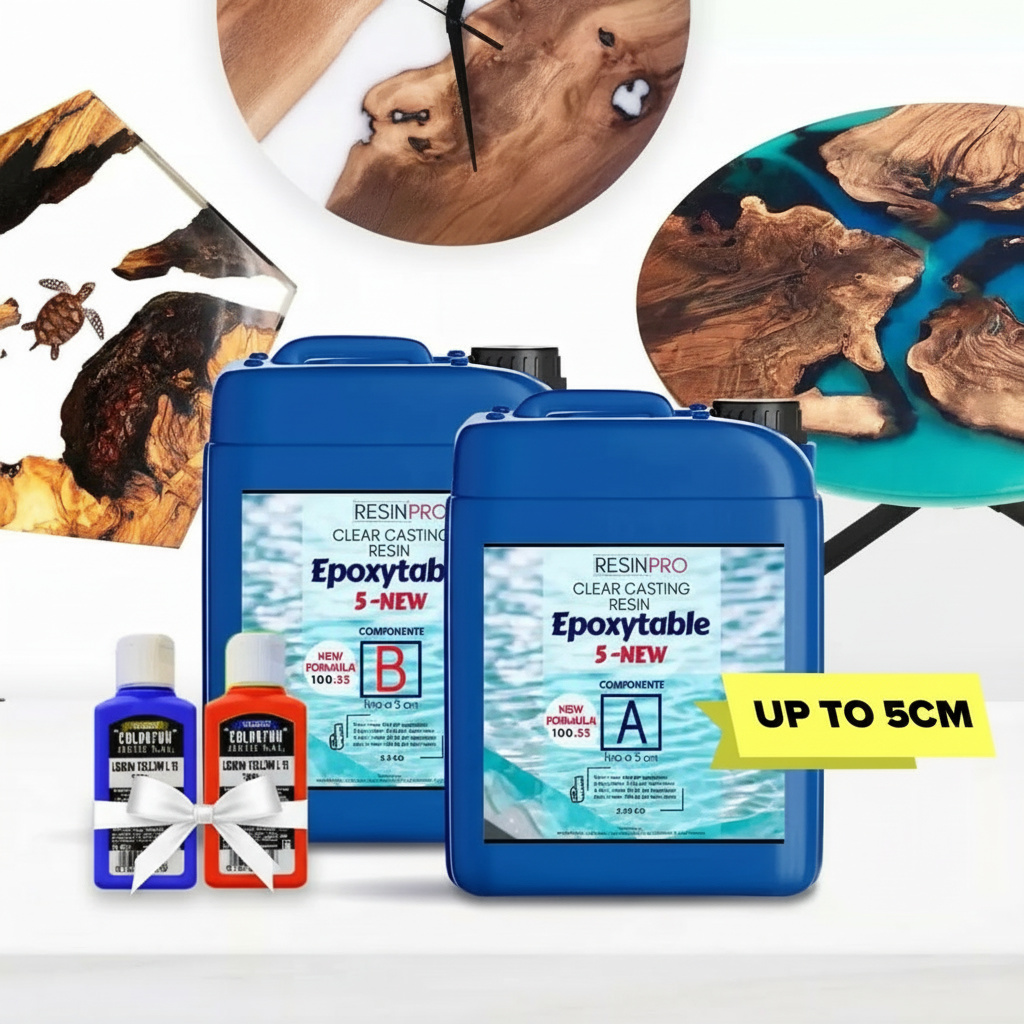 "EpoxyTable 5-Five" – Deep Pour Epoxy Resin for Tables and Large Projects – Up to 5cmPrice range: £16.85 through £1,099.85"EpoxyTable 5-Five" is designed for deep pour projects such as tables and large pieces, suitable for creative furniture and wood-resin applications.
 “Epoxytable 10-Ten” – Deep Pour Epoxy Resin for Tables, Up to 10cm CastingPrice range: £33.85 through £334.85“Epoxytable 10-Ten” is a clear epoxy resin suited for deep pours up to 10cm, designed for tables and artistic projects involving wood and resin.
 "Geode O" – Large Wooden Board Table Base for Epoxy Resin Projects – 90x60cm or 120x80cmA durable wooden table base designed for epoxy resin projects, suitable for various creative applications.
Frequently Asked Questions
What resin should I use for a wood and resin coffee table?
For pours up to 5cm, EpoxyTable 5-Five is ideal; choose Epoxytable 10-Ten for thicker layers or larger tables.
How do I prevent bubbles when pouring resin?
Mix resin slowly, pour in layers if thick, and use a heat gun over the surface directly after pouring to release trapped air.
What is the best base for a resin coffee table?
A stable, high-quality wooden base such as the Geode O is recommended for supporting resin and wood projects.
Is resin safe to use at home for tables?
When used according to safety instructions — wearing gloves, working in a ventilated area, and avoiding skin contact — epoxy resin can be safely used.
Why is the resin surface not clear or glossy?
Matte areas are usually due to sanding scratches or dust. Wet sanding with finer grits and proper polishing restores glossiness.
How do I create a river effect in my table?
Arrange two wooden boards with a gap in between, seal formwork carefully, then pour pigmented resin for a flowing river appearance.