 Free shipping on orders over £29,85
  Shipping Tracking!


 Google
 Facebook
How to make a resin ashtray
Step-by-step guide for casting a flawless, glossy resin ashtray

Creating a resin ashtray allows you to combine practicality with personalised artistic expression. Whether you want a sleek, modern look or wish to embed decorative items, the right techniques ensure a professional, durable result. This guide breaks down the process step by step, making it accessible for both beginners and more experienced crafters aiming for a flawless finish.
What You’ll Need
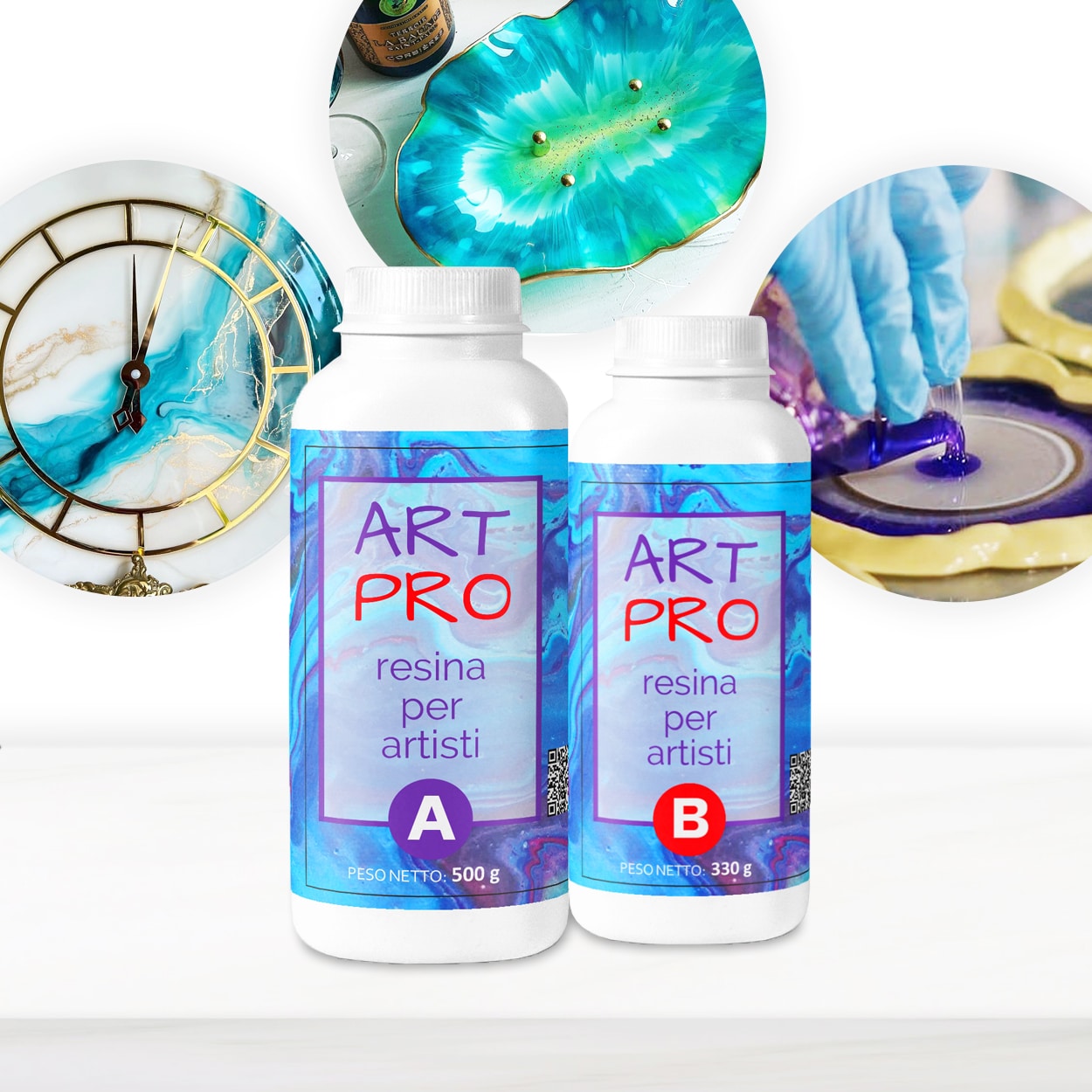
- “Art Pro” – Clear Epoxy Resin for Artists and Surface Coating: Perfect for decorative surface coatings and high-gloss finishes.
- “Trasparente” – Multipurpose Clear Epoxy Resin for Casting – Up to 2cm: Ideal for casting projects with detailed moulds up to 2cm thickness.
- “Art Pro Deluxe” – Ultra-High Viscosity Epoxy Resin for Artists: Excellent for crisp lines and finish layers requiring high scratch resistance.
- “Icrystal” – Clear Epoxy Resin – Odourless Formula – Up to 1.5cm: A user-friendly, clear resin for smaller, detailed ashtray moulds.
- Silicone ashtray mould
- Pigments, glitters or decorative inclusions (optional)
- Mixing cups and stirring sticks
- Protective gloves
- Level, dust-free workspace

Choosing the Right Resin for Your Ashtray Project
Project size, clarity, and layer thickness will guide your resin choice. For casting up to 2cm, “Trasparente” – Multipurpose Clear Epoxy Resin for Casting – Up to 2cm provides a brilliant, self-levelling finish. For high-gloss surface layers or intricate artistic designs, “Art Pro” – Clear Epoxy Resin for Artists and Surface Coating and “Art Pro Deluxe” – Ultra-High Viscosity Epoxy Resin for Artists excel due to their hardness and control over detail. For small, odour-sensitive indoor projects, “Icrystal” – Clear Epoxy Resin – Odourless Formula – Up to 1.5cm is recommended.

Step 1: Prepare Your Workspace and Materials
Set up your work area on a flat, protected surface in a well-ventilated room away from sunlight and dust. Organise all tools and materials before starting. Silicone moulds should be clean, completely dry, and free of grease or debris as these can mark your finished ashtray. Lay out protective sheets and always wear gloves to keep skin free of resin contact.
If you plan to use pigments or inclusions, have them ready and test placement ideas in the dry mould before mixing any resin.
Step 2: Mix and Colour the Resin
Measure resin and hardener precisely following the ratio recommended for your chosen product. For example, if using “Art Pro” – Clear Epoxy Resin for Artists and Surface Coating, use the specified 3:2 mixing ratio. Pour the two components into a clean mixing cup and stir slowly for several minutes, scraping the sides to ensure even blending. Slow mixing helps minimise air bubbles, resulting in better clarity.
Divide the mixture to add pigments, glitters, or decorative inclusions if you wish. Stir gently until the colour is uniform. Be careful not to over-mix and introduce excess bubbles. A thick resin like “Art Pro Deluxe” – Ultra-High Viscosity Epoxy Resin for Artists is especially suited for detailed colour effects since it prevents colours from bleeding together.
Step 3: Pour the Resin into the Mould
Pour the mixed resin slowly into the centre of the mould, allowing it to self-level and reach all the edges. Tap the mould gently to help release trapped bubbles. For deeper or multi-colour designs, pour in layers, letting each partially cure before adding the next. This method works best with resins like “Trasparente” – Multipurpose Clear Epoxy Resin for Casting – Up to 2cm, which is designed for thicker pours up to 2cm.
Use a toothpick or heat gun on a low setting to pop any surface bubbles. Avoid overfilling and check that all corners of the mould are evenly coated. Not all resins can be poured thickly at once—refer to product guidelines for maximum depth per pour, such as 1.5cm for “Icrystal” – Clear Epoxy Resin – Odourless Formula – Up to 1.5cm.

Step 4: Cure and De-mould the Ashtray
Allow the filled mould to cure undisturbed according to the resin’s specified time. Most resins require 12 to 24 hours for a surface cure and a full 24 to 48 hours for complete hardening. Avoid touching or moving the mould while it sets to prevent marks and dust settling onto the surface.
Once fully cured, gently flex the silicone mould to release the finished ashtray. Take care not to force or bend it abruptly. If you notice any soft edges, leave the piece to cure longer before handling. Wash moulds gently and dry completely before reuse.

Finishing Touches and Surface Polishing
Assess your ashtray for any sharp edges or small surface imperfections. These can be gently sanded with fine-grit paper and polished with a soft cloth. For a glass-like sheen, apply a resin-specific polish or pour a thin clear coating using “Art Pro” – Clear Epoxy Resin for Artists and Surface Coating to enhance gloss and surface protection.
Wait until the ashtray has fully cured before using it for hot objects. This helps ensure the resin reaches maximum durability and heat resistance as specified by the product label.
Tips and Common Mistakes
- Always mix resin slowly and evenly to reduce bubbles.
- Avoid pouring thick layers beyond the resin’s specification.
- De-mould gently to protect details and prevent surface marks.
- Wear gloves and work in a ventilated area for safety.
- If in doubt, do a small test pour to get familiar with curing times and resin handling.
- Do not remove the ashtray from the mould until it is fully hardened, as premature de-moulding can cause warping.
Resin Ashtray Inspiration and Finishing Techniques
Experiment with pigments, metallic flakes, or embedded items to create unique designs. Remember to seal dried inclusions or botanicals with a thin resin layer before the main pour for best clarity. For a perfectly smooth finish, lightly sand any rough edges, then apply a final resin coat or polish for lasting gloss and protection.

- "Art Pro" – Clear Epoxy Resin for Artists and Surface CoatingPrice range: £31.15 through £388.85"Art Pro" clear epoxy resin offers a non-toxic, durable finish suitable for artists and crafters creating decorative, glass-like surfaces.
- "Trasparente" – Multipurpose Clear Epoxy Resin for Casting – Up to 2cmPrice range: £8.45 through £948.85"Trasparente" is a clear epoxy resin designed for smooth, detailed castings up to 2cm thick, suitable for both beginners and professionals.
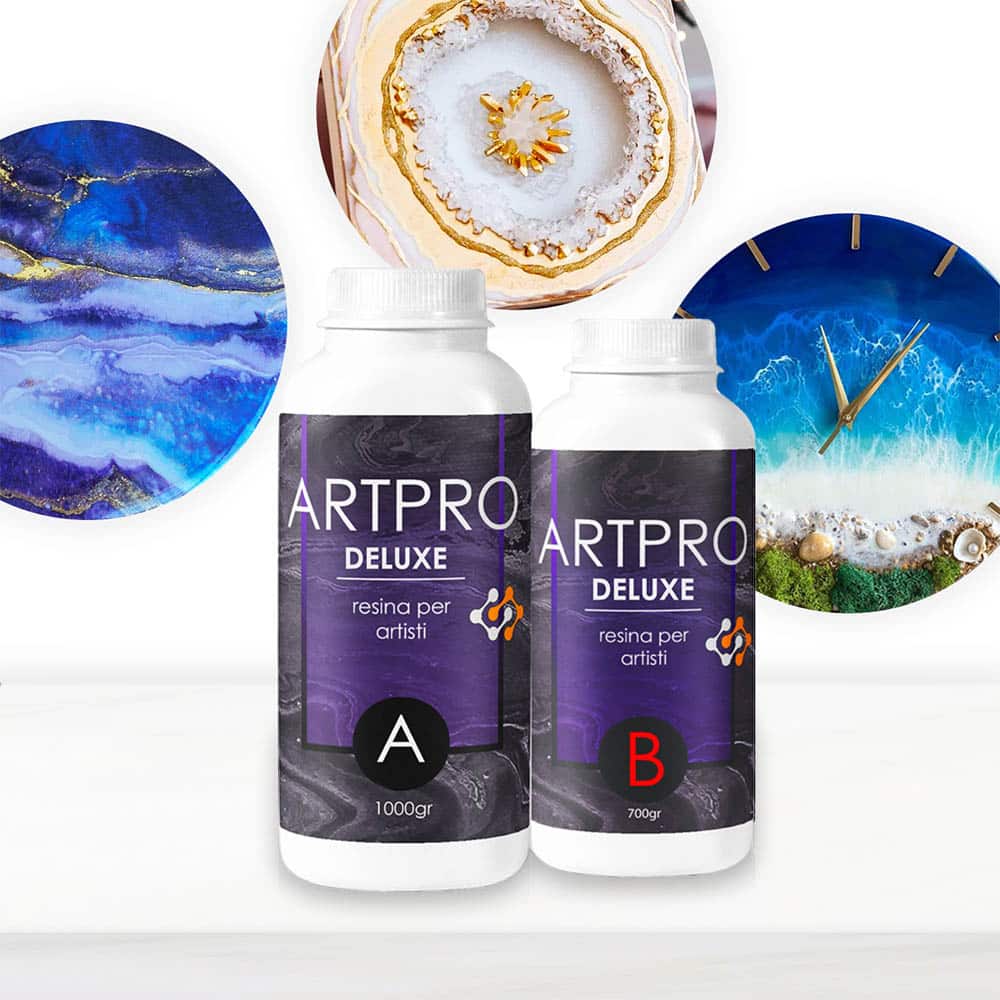 "Art Pro Deluxe" – Ultra-High Viscosity Epoxy Resin for ArtistsPrice range: £33.85 through £287.85"Art Pro Deluxe" is an ultra-high viscosity epoxy resin suitable for precise resin art and glossy finish layers with good scratch resistance.
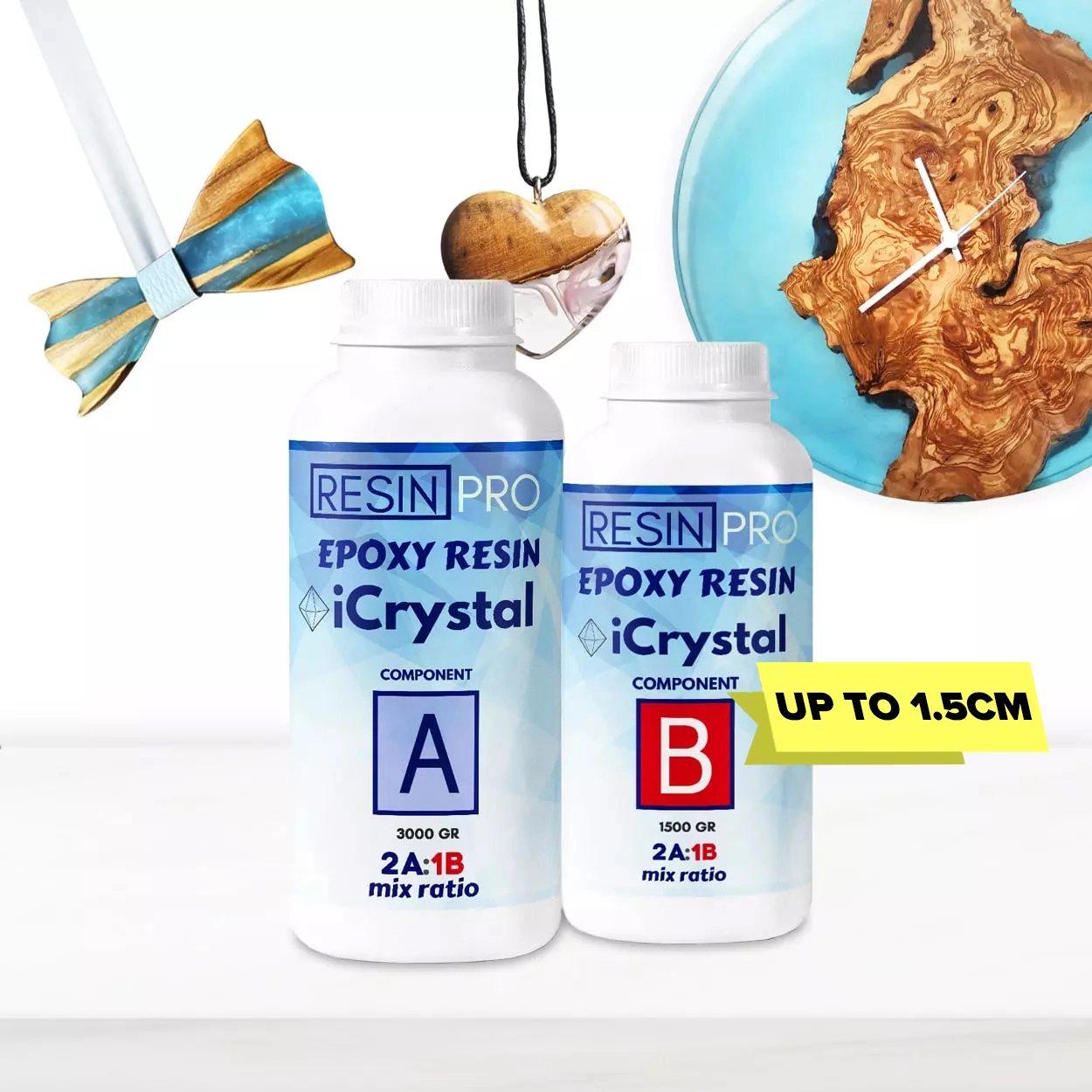 "Icrystal" – Clear Epoxy Resin – Odourless Formula – Up to 1.5cmPrice range: £11.65 through £954.85"Icrystal" clear epoxy resin offers good transparency and resistance, suitable for crafting ashtrays and similar projects.
Frequently Asked Questions
What resin pour depth is ideal for ashtrays?
For most ashtray moulds, a pour depth of 1cm to 2cm works well. Select a resin like "Trasparente" that supports this thickness in a single layer.
How can I prevent bubbles in resin ashtrays?
Mix resin slowly, pour gently, and tap the mould. Use a toothpick or a heat gun on low to remove surface bubbles after pouring.
What’s the safest way to de-mould a resin ashtray?
Wait for complete curing. Gently flex the silicone mould and avoid using tools that can scratch or chip the resin surface.
Is a resin ashtray safe for hot items?
Once fully cured, most epoxy resins are heat resistant up to around 70°C. Wait until the ashtray is completely set before use.
How do I safely add decoration to a resin ashtray?
Use dried items only and pre-seal with a thin resin layer to prevent bubbles and preserve clarity in the final cast.
How can I achieve a high-gloss finish on my resin ashtray?
Sand any rough edges, then apply a thin coat of clear resin or polish with a microfibre cloth for maximum shine.