 Free shipping on orders over £29,85
  Shipping Tracking!


 Google
 Facebook
How to make a table with wood and resin?
Step-by-step guide for stunning wood and resin tables
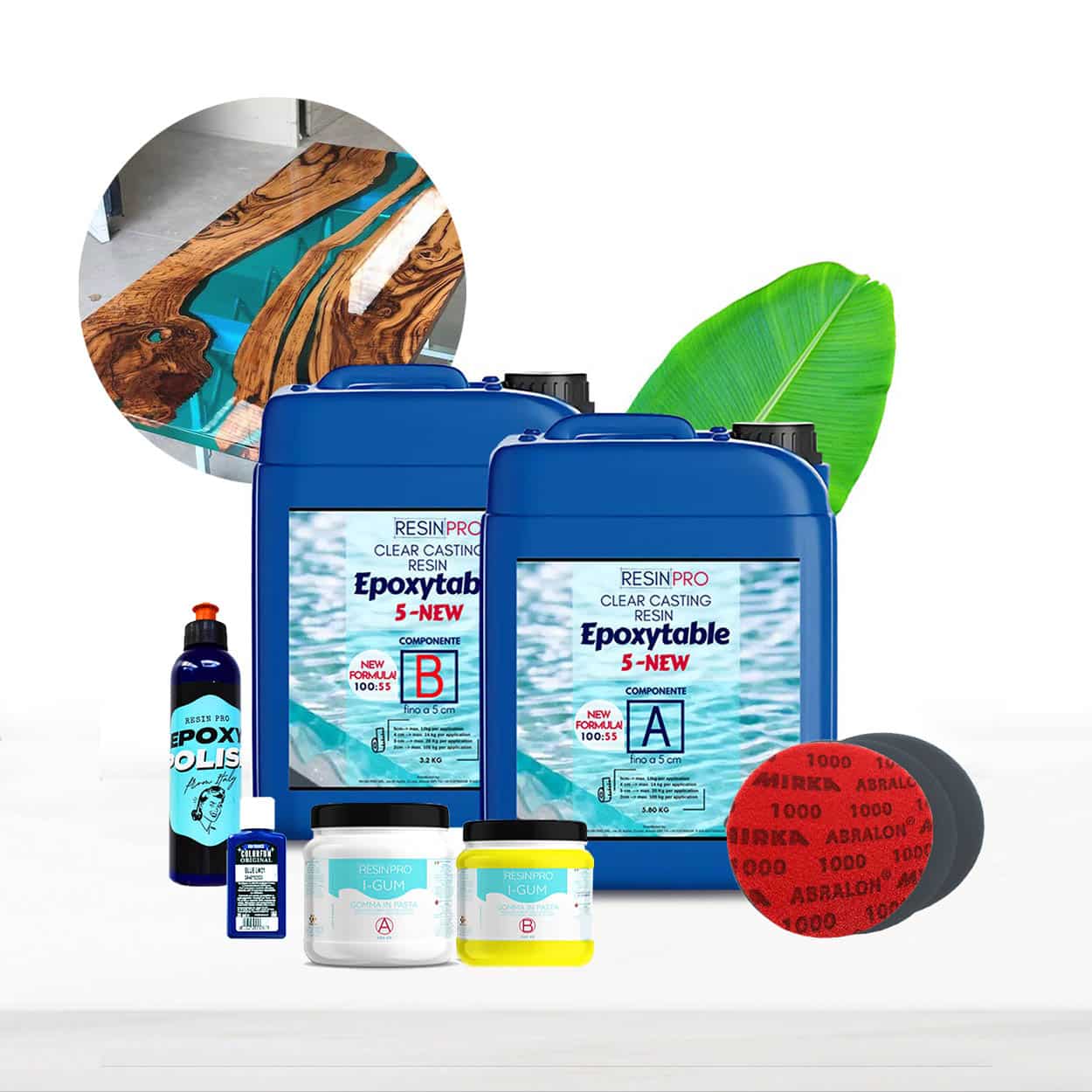
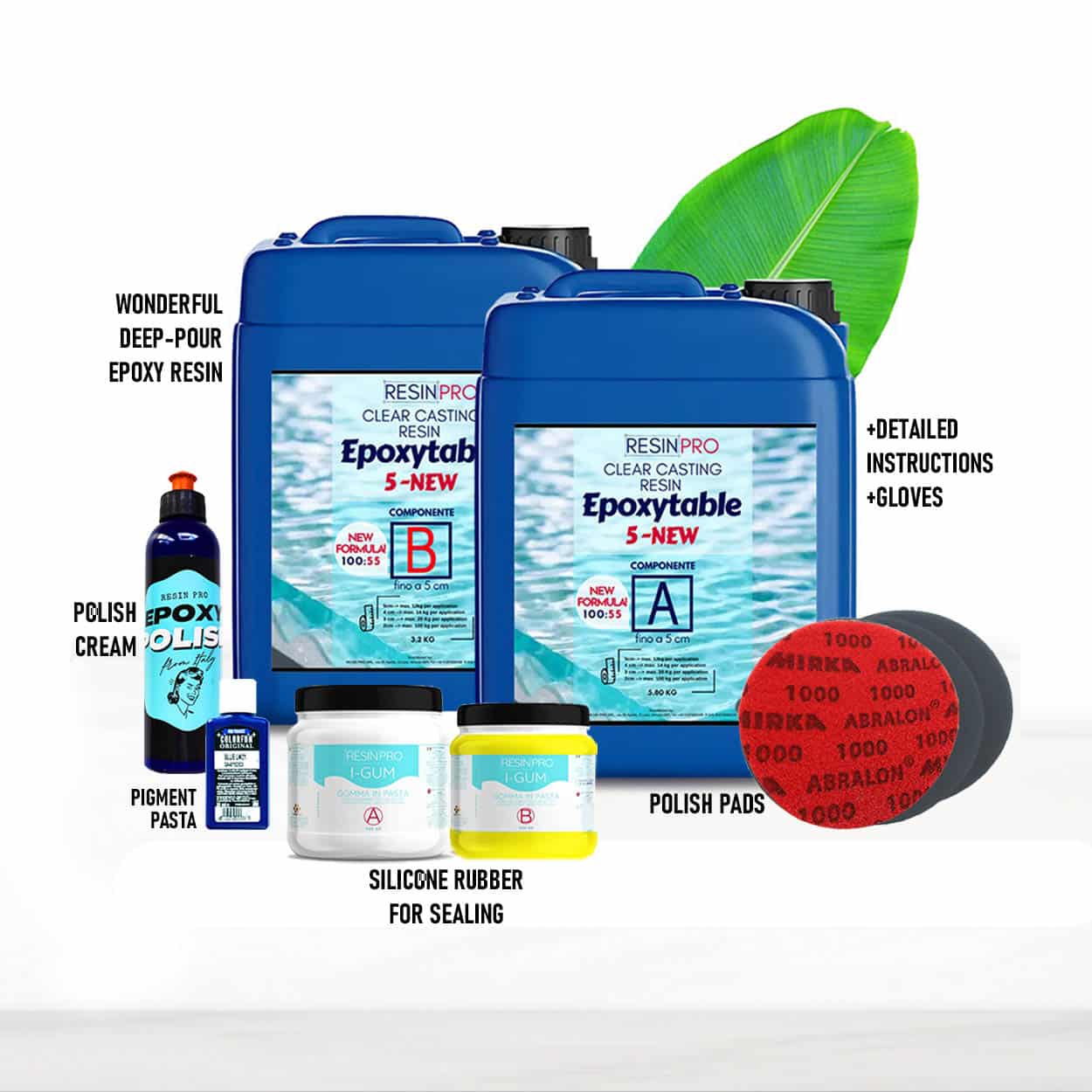
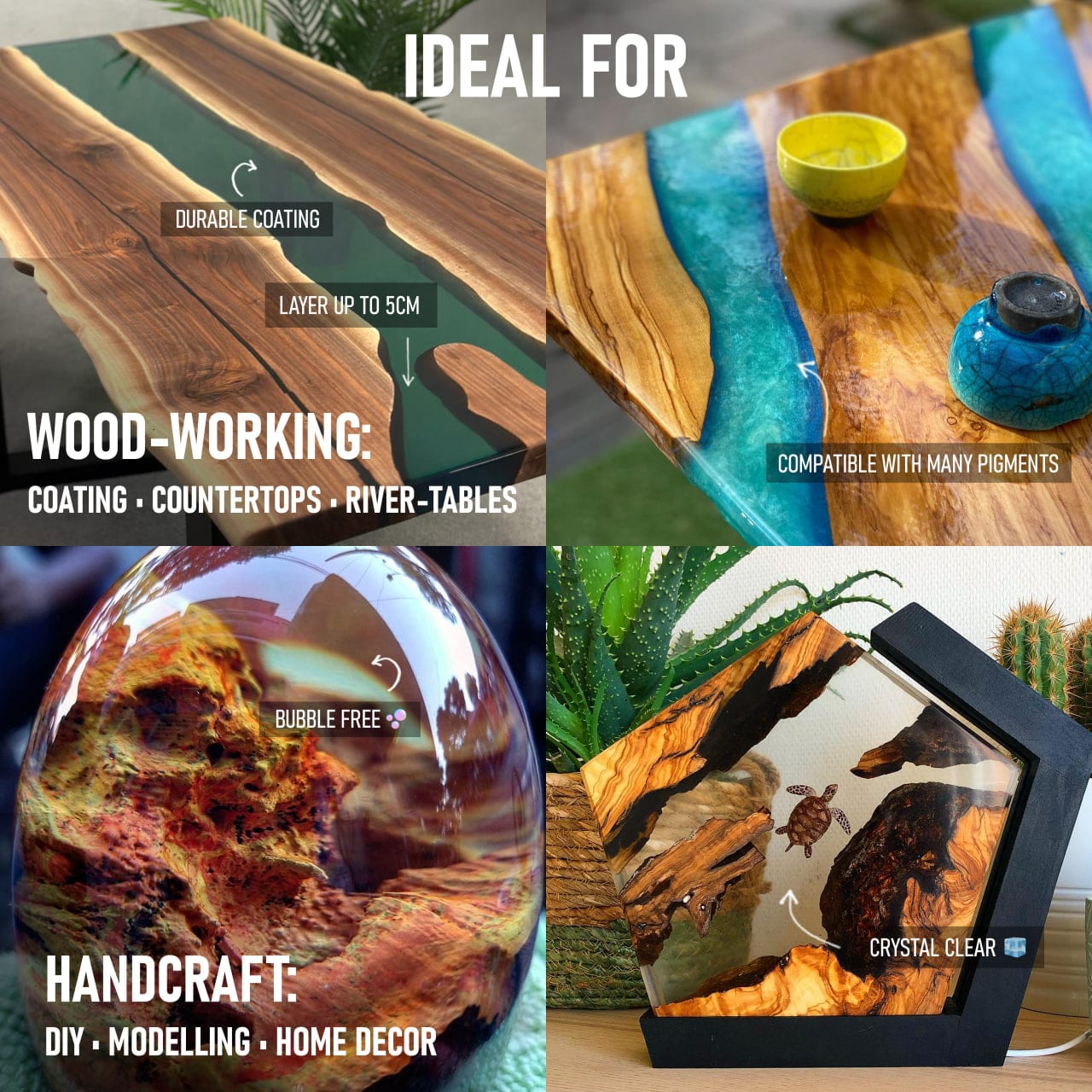
Creating a table with wood and resin combines beauty, utility, and the satisfaction of hands-on craftsmanship. Whether you’re after the iconic ‘river table’ look or a unique artistic statement for your home, this guide walks you through each stage—from preparing materials to polishing your finished piece. No woodworking experience is required, just careful planning and attention to safety.
What You’ll Need
- MDF Board Base for Epoxy Resin Table and Art Projects: Ensures a stable working surface throughout the process.
- “River-Table” – Complete Kit for Creating Your First Epoxy Resin Table: All-in-one kit, ideal for beginners and those seeking a comprehensive solution.
- “EpoxyTable 5-Five” – Deep Pour Epoxy Resin for Tables and Large Projects – Up to 5cm: Perfect for deep pours up to 5cm per layer for medium to large projects.
- “Epoxytable 10-Ten” – Deep Pour Epoxy Resin for Tables, Up to 10cm Casting: Suitable for especially thick tabletops and larger projects.

Essential Tools and Setup for Resin Table Success
Gather all materials and set up your workspace in advance for a smooth workflow. Proper preparation makes each stage easier and helps prevent costly mistakes. Choose your base, resin, and protective gear before you begin.
Step 1: Prepare the Wood and Base
Begin with precise surface preparation. Select your wooden slabs or planks—ensure these are fully dry and free from dust, oil, and loose bark. Carefully measure and mark the dimensions of your table for a seamless end result. Sand the wood surfaces and edges to remove splinters and roughness, taking care not to round off any natural features you wish to showcase.
Choose a suitable base for strength and stability. An MDF Board Base for Epoxy Resin Table and Art Projects offers a flat, reliable foundation. Fit your wood securely to the board, ensuring it is immobilised for the upcoming resin pour. Be sure your workspace is protected and well-ventilated.
Step 2: Build and Seal the Mould
Construct a formwork (mould) around your tabletop layout using strong, straight-edged materials. The mould should be slightly larger than your intended table dimensions and completely sealed to prevent resin leaks. Pay special attention to the corners and base, where leaks most often occur. Use a high-quality silicone or release tape to line the inside, as this greatly aids in demoulding later.
Double-check all joints for gaps. The stability and water-tightness of the mould are crucial—any leaks can waste resin and mar the final surface.
Step 3: Mix and Pour the Epoxy Resin
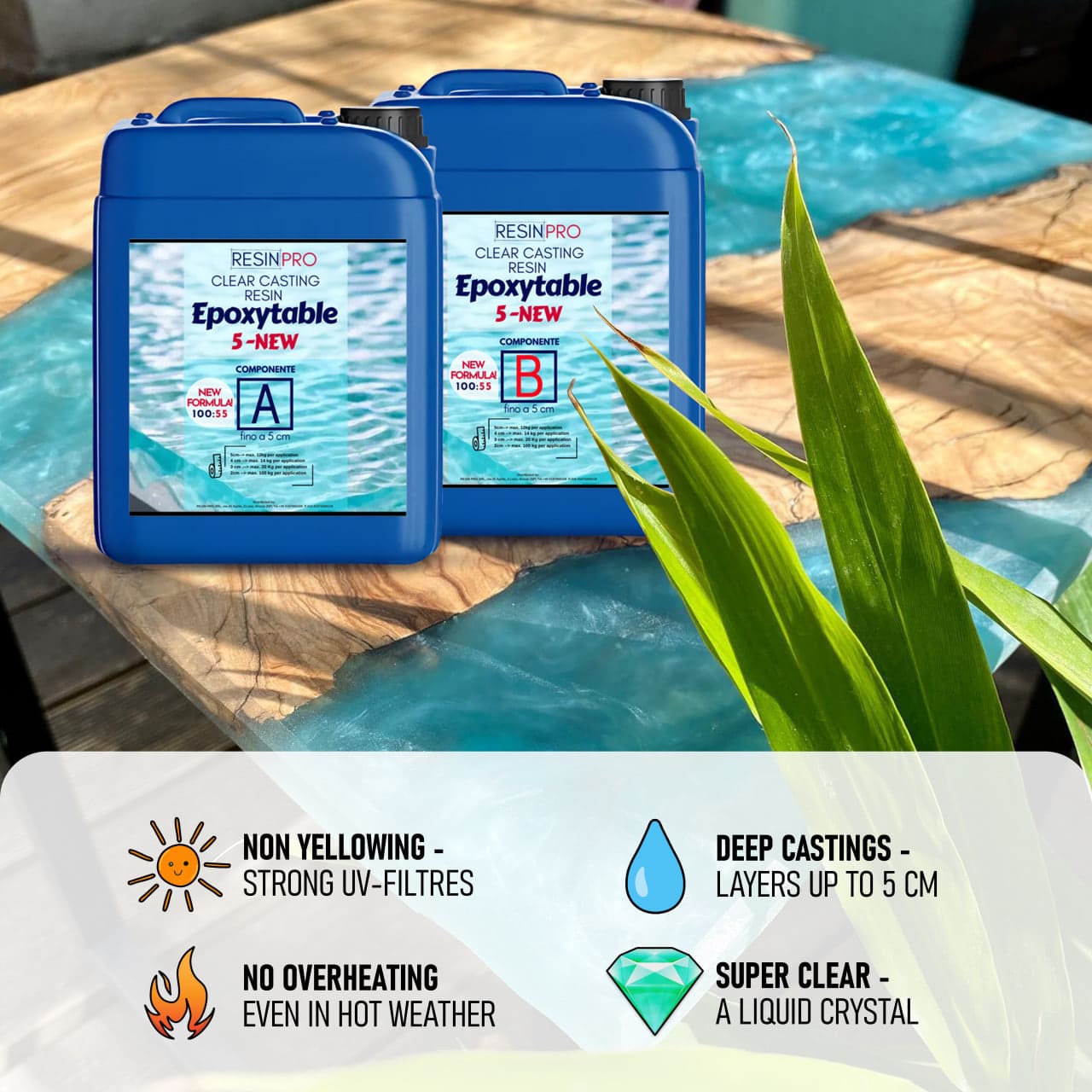
Plan your resin pour to match the project depth. For single pours up to 5cm, a product like “EpoxyTable 5-Five” – Deep Pour Epoxy Resin for Tables and Large Projects – Up to 5cm is recommended. For even thicker projects, “Epoxytable 10-Ten” – Deep Pour Epoxy Resin for Tables, Up to 10cm Casting can cast up to 10cm in a single pour. Read the manufacturer’s instructions carefully regarding mixing ratios and maximum volumes per pour.
Take time for mixing and pouring resin evenly. Slowly mix resin and hardener, scraping the edges and bottom of your container to ensure a homogeneous blend. Pour the mixture gently around and between the wood, reducing bubbles. Use a blowtorch or heat gun in short passes to pop any surface bubbles.
If you want effects or colours, add pigments before pouring and mix thoroughly for consistency.
Step 4: Curing and Demoulding
Epoxy resin takes time to cure—often several days, depending on volume and ambient temperature. Avoid touching or bumping the table while curing, as this could cause defects. Most deep pour epoxies will require at least 48–72 hours for an initial set, with full curing after 5–7 days.
Once fully cured, carefully remove the mould. If you have used a proper release agent, this should lift away cleanly without damaging the edges or surfaces.

Step 5: Finishing Touches
Sand the surface with progressively finer grits, taking care around transitions between wood and resin. Remove sanding dust frequently, avoiding scratches. For a high-gloss finish, polish the table using pads and cream supplied in a dedicated resin table kit, such as those included in the “River-Table” – Complete Kit for Creating Your First Epoxy Resin Table.
Allow adequate cure time for a flawless result before adding any hardware or legs. Your completed table will enjoy the strength and lustre characteristic of its resin-wood blend.
Tips and Common Mistakes
Always measure resin and hardener by weight, not volume, for accuracy. Avoid mixing more resin per pour than the maximum recommended for your chosen product, as overheating or incomplete curing can result. Work in a dust-free, temperature-stable environment to ensure a clear, even finish. If bubbles or cloudy spots appear, they are often the result of inadequate mixing or pouring too quickly. Patience—through every stage—is your best ally for achieving a professional result.
Getting the Best Finish on Your Resin Table
Sanding between each grit and keeping your work area dust-free will dramatically improve final clarity. Patience during curing ensures the surface stays smooth and blemish-free. Careful polishing brings out the deep shine and vibrant colours unique to resin-wood projects.
- "River-Table" – Complete Kit for Creating Your First Epoxy Resin TablePrice range: £188.85 through £444.85"River-Table" Complete Kit includes epoxy resin, silicone sealant, pigments and polishing kit suitable for making wood and resin tables.
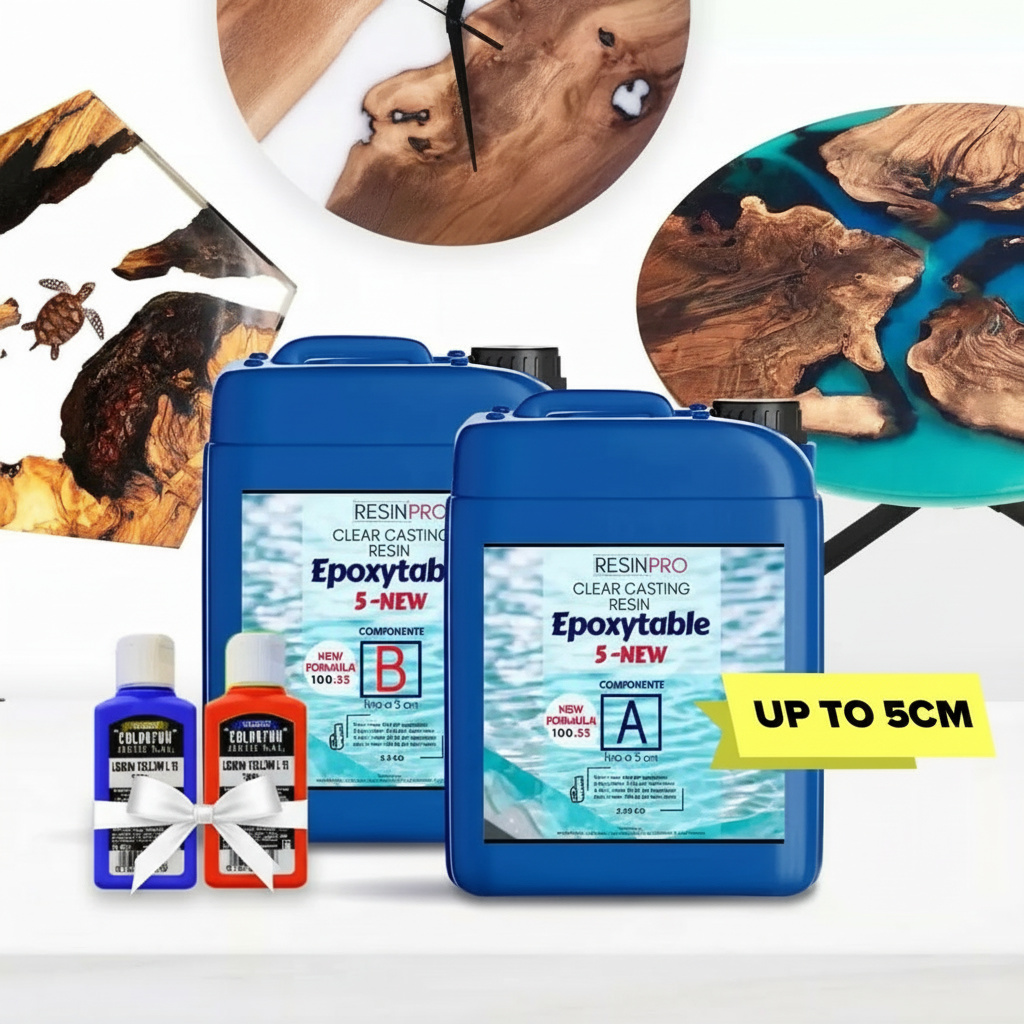 "EpoxyTable 5-Five" – Deep Pour Epoxy Resin for Tables and Large Projects – Up to 5cmPrice range: £16.85 through £1,099.85"EpoxyTable 5-Five" is a deep pour epoxy resin designed for tables and large projects with up to 5cm thickness.
 “Epoxytable 10-Ten” – Deep Pour Epoxy Resin for Tables, Up to 10cm CastingPrice range: £33.85 through £334.85“Epoxytable 10-Ten” is designed for deep casting up to 10cm, suitable for tables and wood-resin projects in this theme.
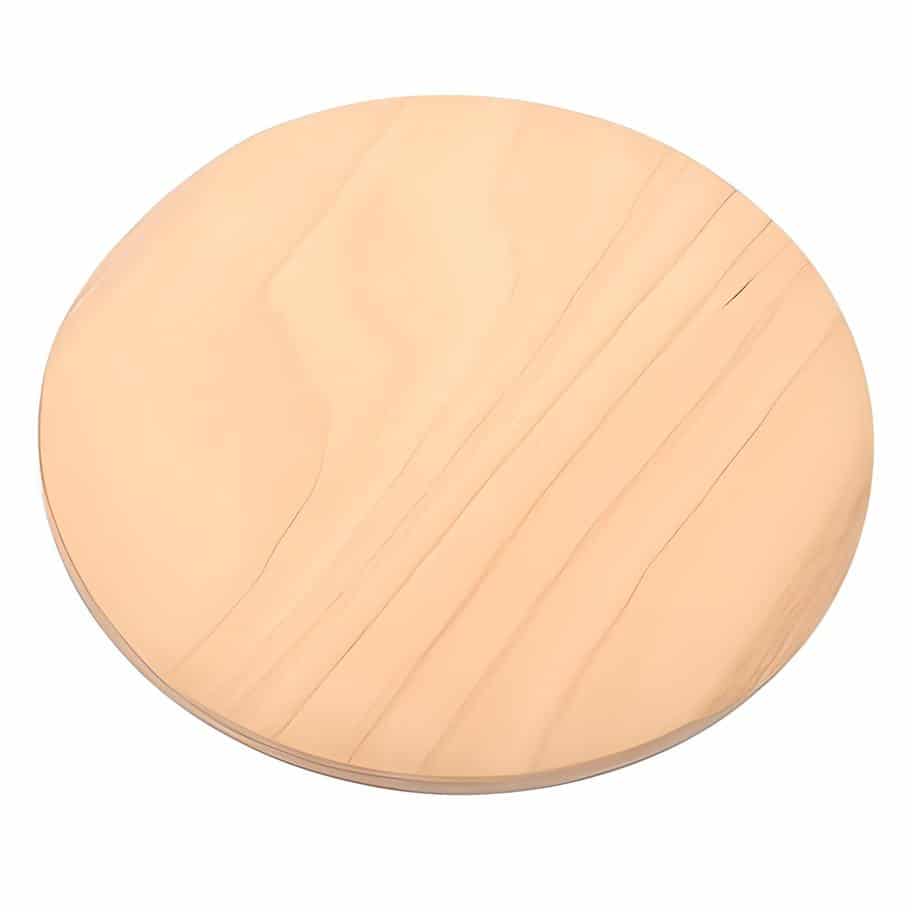 MDF Board Base for Epoxy Resin Table and Art ProjectsOriginal price was: £25.00.£17.85Current price is: £17.85.This stable MDF board base is designed for epoxy projects, providing a suitable surface for resin tables and art.
Frequently Asked Questions
What wood types work best for resin tables?
Hardwoods like oak, walnut, and ash are popular due to their stability and attractive grain, but most completely dry wood can be used.
How do you avoid bubbles in resin pours?
Mix resin slowly and pour in layers if needed. Use a heat gun or torch to pop surface bubbles after pouring.
Is softwood ok for a resin table project?
While softwoods can be used, they are more prone to warping or absorbing resin, so ensure they’re completely dry and sealed if necessary.
How long does it take for a resin table to cure?
Curing time depends on resin depth and type, but expect at least 48–72 hours for partial curing and up to a week for full hardness before use.
Is epoxy resin suitable for dining tables?
Many high-quality epoxies cure to a hard, non-porous surface suitable for occasional food contact, but always check the product's certification.
How do you fix surface flaws or dust in resin?
Lightly sand affected areas and recoat with a thin layer of resin or polish thoroughly to restore a smooth finish.