 Free shipping on orders over £29,85
  Shipping Tracking!


 Google
 Facebook
How do you make a resin casting?
Resin casting enables you to create stunning and highly detailed objects, from jewellery and decorative art to functional furniture parts. Whether you’re aiming for a crystal-clear finish or want to incorporate colourful pigments, mastering resin casting opens up endless possibilities for creativity. This guide explains each step so you can achieve professional-quality results from your very first attempt.
Step-by-step guide to creating flawless resin castings
What You’ll Need
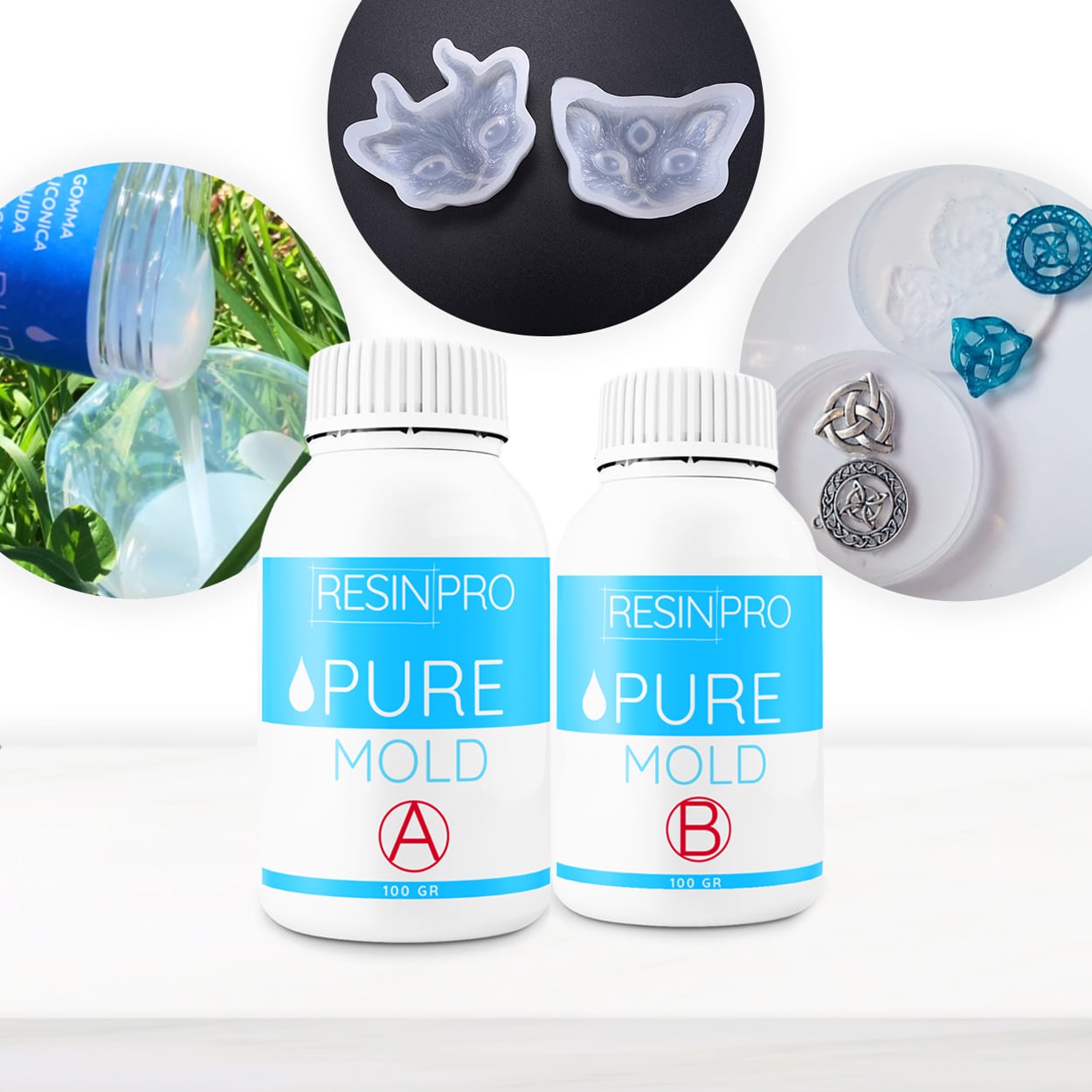
- “Pure Mould” – Translucent Liquid Silicone Rubber for Mould Making — Ideal for creating detailed and reusable moulds.
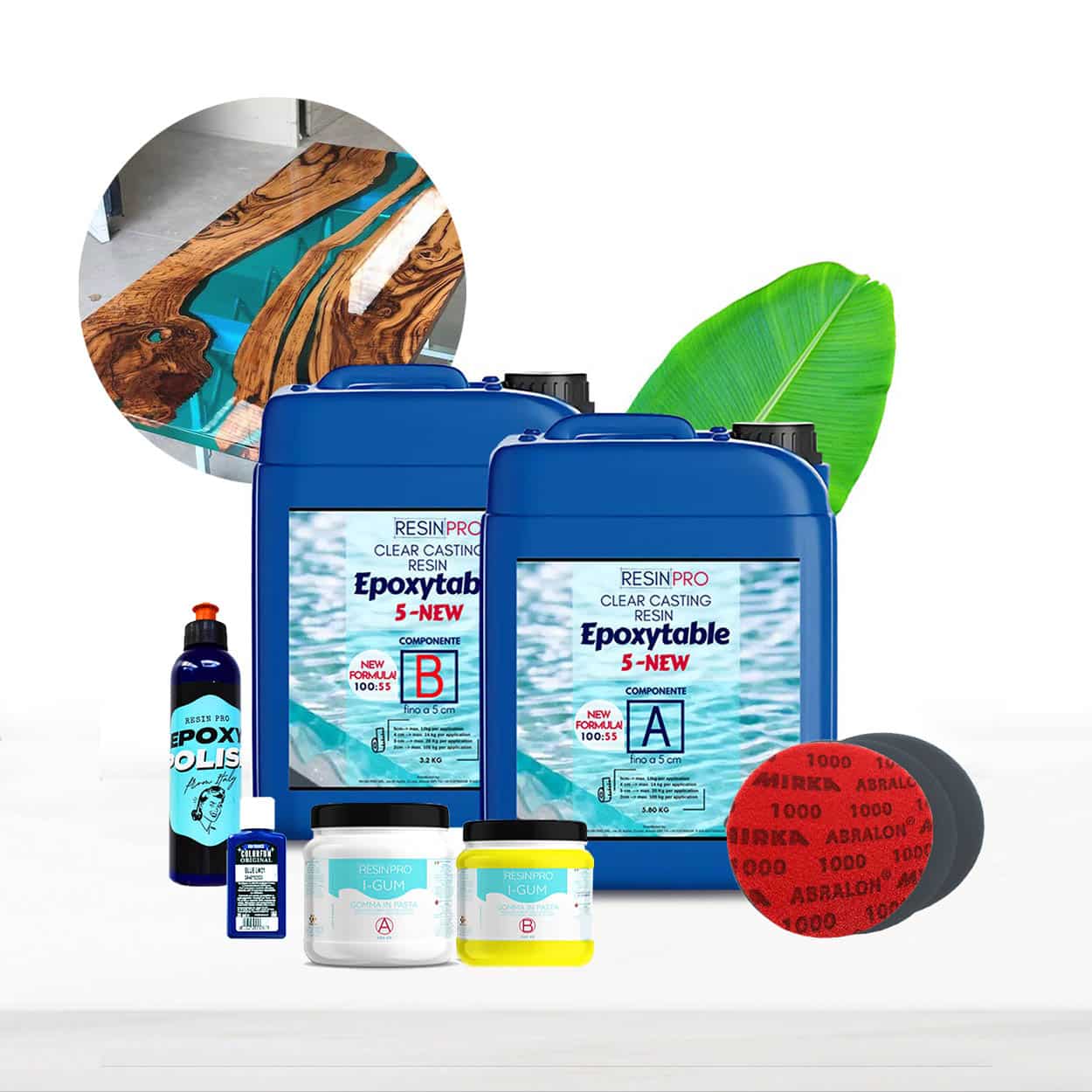
- “EpoxyTable 5-Five” – Deep Pour Epoxy Resin for Tables and Large Projects – Up to 5cm — Suitable for large, thick castings.
- “Evershine Collection” – Artisan Jewellery Epoxy Resin Kit with 100+ Accessories — Perfect for jewellery, coasters and small decorative items.
- Mixing cups, stir sticks and disposable gloves
- Protective equipment: apron, goggles, and a well-ventilated space
- Optional: pigment powders or inclusions
Essential Materials for Resin Casting
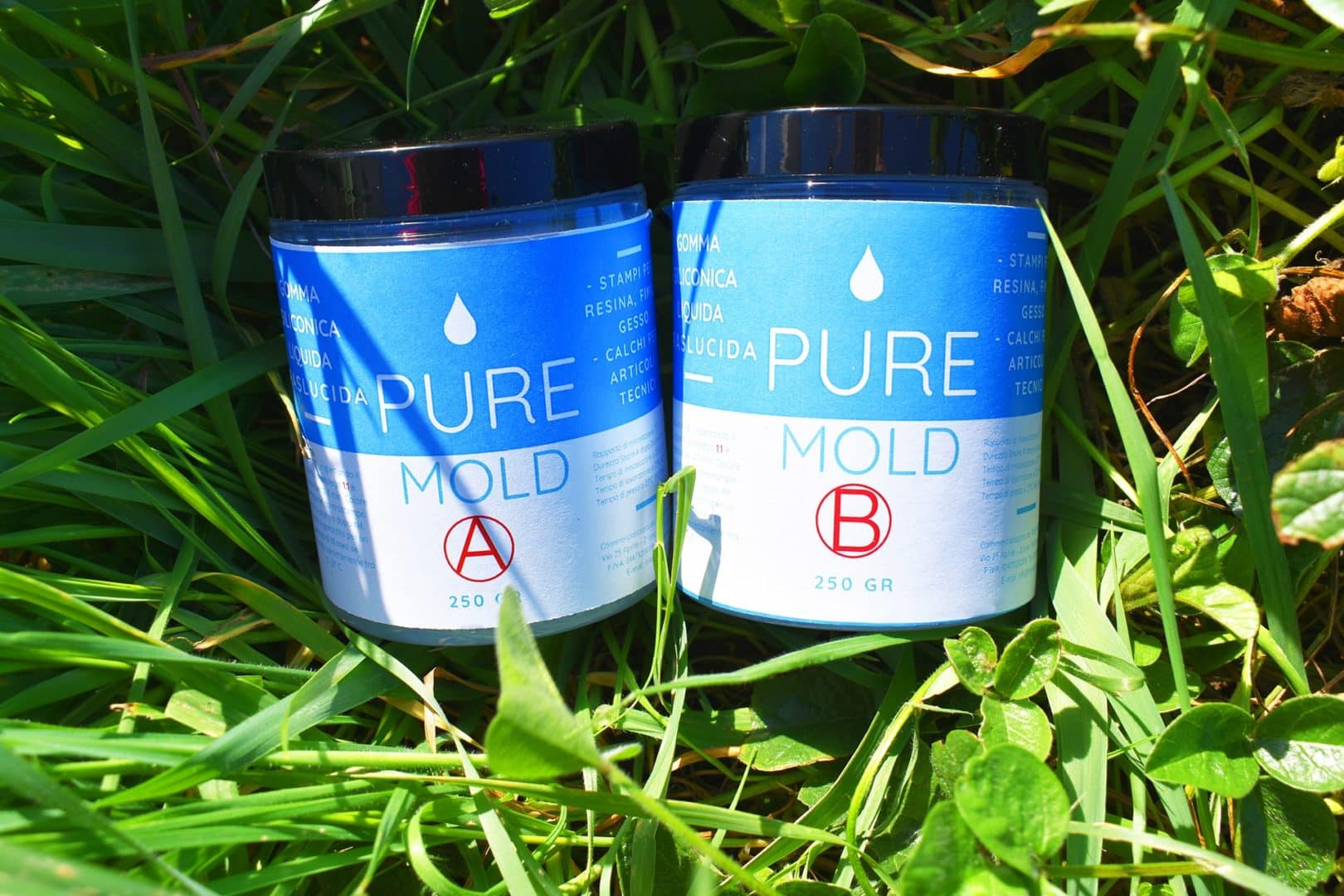
For successful resin casting, selecting high-quality moulds such as “Pure Mould” – Translucent Liquid Silicone Rubber for Mould Making and clear epoxy resin is key. Having all your tools on hand enhances safety and efficiency.
Step 1: Select or Make the Mould
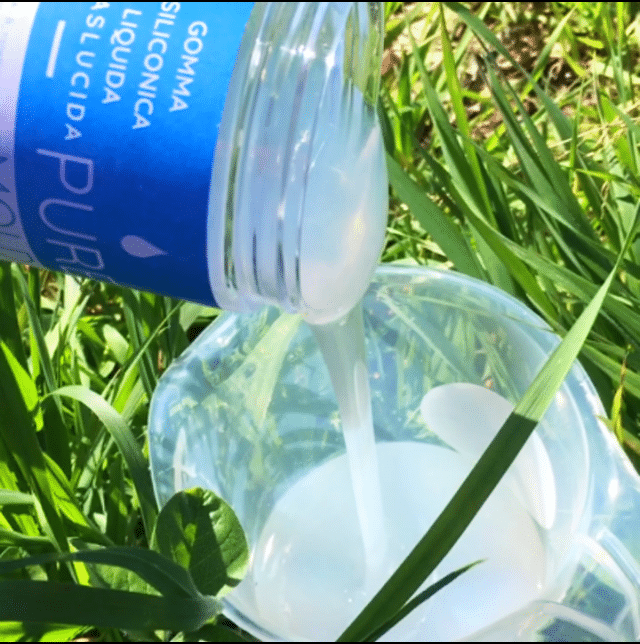
Choose a suitable mould for your design—options include silicone moulds, which are flexible and non-stick, or custom moulds made with a mould-making kit. For truly intricate details or a custom shape, consider mixing and pouring “Pure Mould” – Translucent Liquid Silicone Rubber for Mould Making over your model to create a bespoke, highly detailed mould. Allow it to cure fully before use.
Ensure your mould is clean and free from dust or residues. If you’re using a rigid or homemade mould, a release agent can make Removal easier. Double check for leaks if you’re using an open form.
Step 2: Prepare Your Workspace and Materials
Work in a well-ventilated and dust-free area. Cover your surfaces to protect from spills and keep all required items—mixing containers, stir sticks, gloves—within reach. Always follow safety guidelines and wear gloves and goggles to protect yourself from accidental contact with resin.
Organise any inclusions, pigments, or decorative items you wish to add so they’re easily accessible during the casting process. Have timing devices ready, as resin requires precise working times.
Step 3: Mix the Resin and Hardener
Check your chosen resin product for the correct mixing ratio. Mix the resin and hardener thoroughly, taking care to follow instructions specific to your chosen formulation. For example, “EpoxyTable 5-Five” uses a 100:55 weight ratio, while the “Evershine Collection” kit offers a straightforward 1:1 mix.
Stir gently, scraping the sides and bottom of the cup to ensure even blending. Prevent bubbles by mixing gently. If you wish to incorporate pigments, this is the stage to add them. Make sure the mixture appears clear and streak-free before moving on.
Step 4: Pour and Cast the Resin
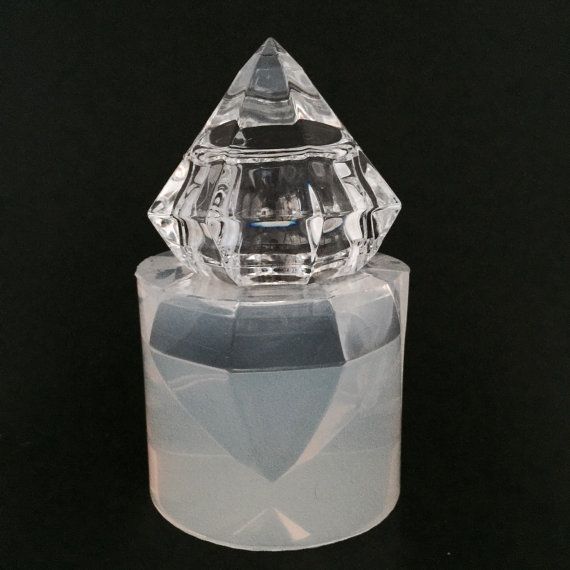
Pour the resin slowly into the mould to minimise air bubbles. Pour in a thin stream or layer by layer if making a deep pour. For complex moulds, start by coating the inside with a thin layer of resin using a brush or by tilting to cover details before filling up the mould. Tap or gently vibrate the mould to release any trapped bubbles.
For larger castings like tabletops, work in stages to prevent overheating. “EpoxyTable 5-Five” is designed for thick pours up to 5cm but may require layering if the total depth exceeds this.
Step 5: Cure and Demould
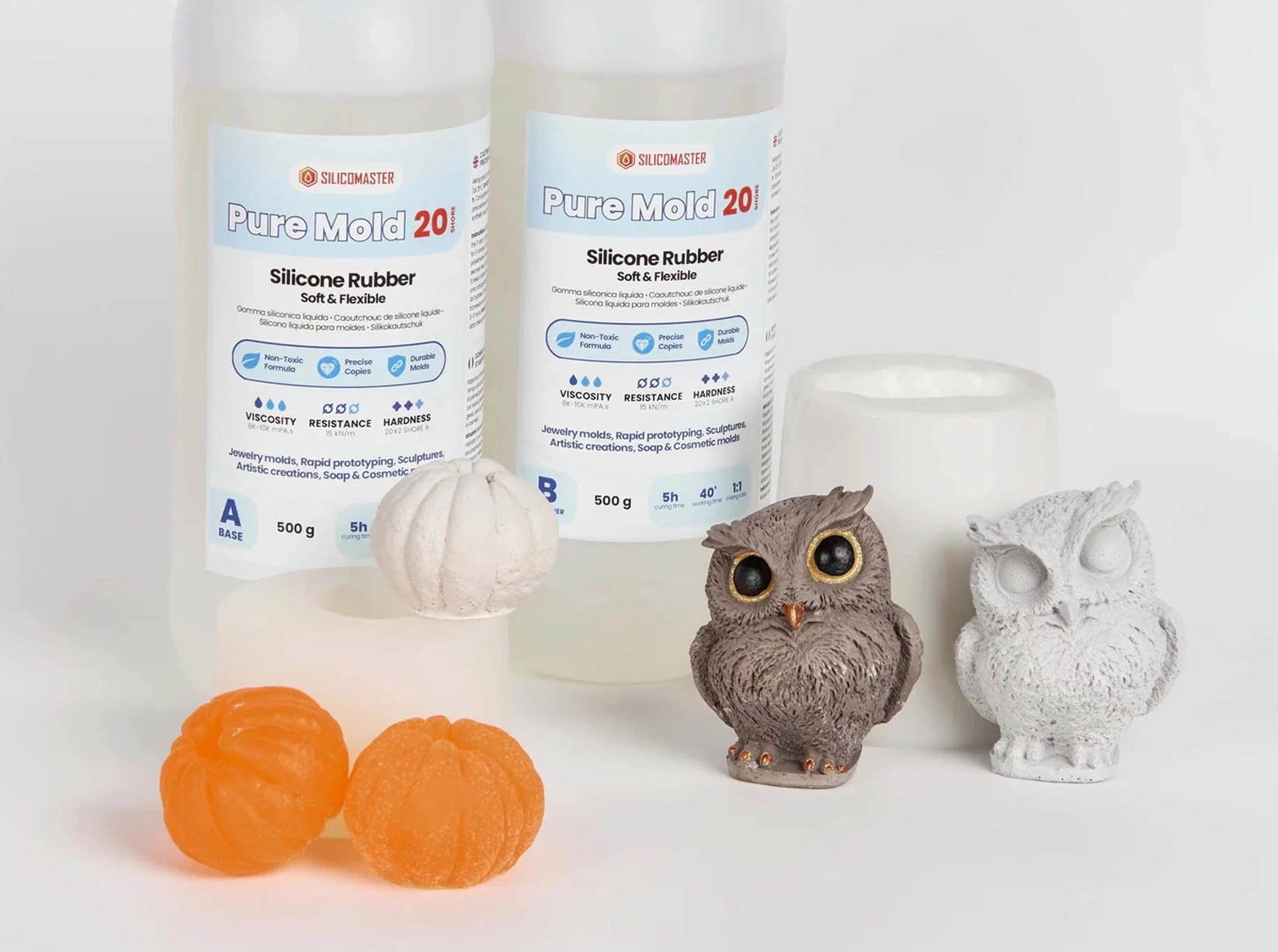
Follow the product’s curing instructions carefully. Allow the resin to cure fully before demoulding—this can range from several hours to overnight depending on the resin formulation and casting thickness.
Do not rush the curing process, as premature removal may cause deformation or surface imperfections. Once fully hardened, carefully flex or peel away the mould. Trim any uneven edges with a sharp blade or, for intricate shapes, use tools provided in kits like the “Evershine Collection” for finishing and attaching findings.
Tips, Troubleshooting and Common Mistakes
Use a release agent if the mould is not non-stick to prevent sticking and damage during demoulding.
Monitor temperature and humidity—resin can react poorly in very cold, very hot, or humid conditions. Do not rush the curing process. Improper mixing is a major cause of sticky or soft castings: always double-check your ratios.
If bubbles do develop, a quick pass with a heat gun (taking care not to overheat) can help dissipate them. Sand any rough edges carefully and use polishing kits for a glass-like finish if desired.
Achieving the Best Finish
Careful timing and accurate mixing are crucial for clarity and strength. Polishing and finishing kits can add a professional touch to your final piece, especially for jewellery or tabletop projects.
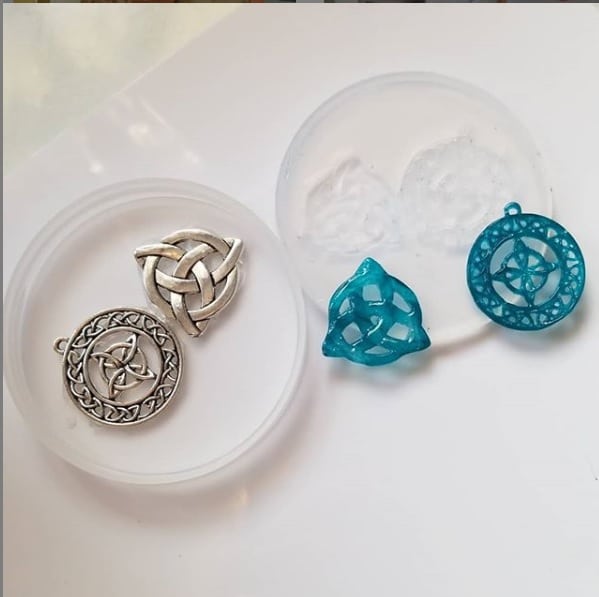
- "Pure Mould" – Translucent Liquid Silicone Rubber for Mould MakingPrice range: £22.85 through £158.85"Pure Mould" silicone rubber allows observation through the mould and suits both professional and hobby use in resin casting.
- "River-Table" – Complete Kit for Creating Your First Epoxy Resin TablePrice range: £188.85 through £444.85Kit including epoxy resin, silicone sealant, polishing materials and pigments with instructions for creating wood and resin tables.
 "EpoxyTable 5-Five" – Deep Pour Epoxy Resin for Tables and Large Projects – Up to 5cmPrice range: £16.85 through £1,099.85"EpoxyTable 5-Five" is designed for deep pours up to 5cm, suitable for tables and large creative projects.
 "Evershine Collection" – Artisan Jewellery Epoxy Resin Kit with 100+ Accessories£20.85Complete 1:1 epoxy resin kit with 500g resin and over 100 accessories, suited for jewellery makers and craft enthusiasts.
Frequently Asked Questions
What’s the best material for making moulds for resin casting?
Silicone rubber is highly recommended for detailed and reusable moulds due to its flexibility and release properties.
How do I avoid bubbles in my resin castings?
Mix resin slowly, and pour in thin layers. Use a heat gun or allow time for bubbles to rise before pouring deeper layers.
How long does resin take to cure before unmoulding?
Curing times vary by resin and thickness, but most require several hours to overnight for a full cure before safe demoulding.
Why does my resin casting remain sticky or soft?
Improper mixing ratio or poor blending are common causes. Always follow product instructions regarding proportions and mixing times.
Is it possible to pour resin in layers for deeper castings?
Yes, layering is often necessary for thick projects. Wait for earlier layers to gel before pouring the next to prevent overheating.
Should I use a release agent with silicone moulds?
Most silicone moulds are non-stick, but a release agent is useful for complex shapes or to prolong mould life.
Which resin should I use for casting jewellery?
Epoxy resin kits designed for jewellery, such as those with 1:1 ratios, are ideal for small, detailed castings.