 Free shipping on orders over £29,85
  Shipping Tracking!


 Google
 Facebook
How to Make Clear Resin Vases
Creating a clear resin vase adds a modern, elegant touch to your décor and makes a wonderful handmade gift. Whether you’re aiming for a simple, cylindrical vase or a decorative flower-shaped piece, this guide covers every step to help you master the technique. You’ll learn how to achieve a flawless, crystal-clear finish, select suitable resins, and avoid common mistakes throughout the process.
Step-by-step guide for flawless crystal-clear resin vases


What You’ll Need
- “Trasparente” – Multipurpose Clear Epoxy Resin for Casting – Up to 2cm: For shallow pours, small vases, or fine details.
- “EpoxyTable 5-Five” – Deep Pour Epoxy Resin for Tables and Large Projects – Up to 5cm: Best for medium-thickness vases requiring transparency.
- “Epoxytable 10-Ten” – Deep Pour Epoxy Resin for Tables, Up to 10cm Casting: Ideal for larger or thicker vase designs.
- Silicone vase mould (shape and size of your choice)
- Mixing containers & stirring sticks
- Disposable gloves and apron
- Protective surface cover
- Isopropyl alcohol spray (for quick bubble removal)
- Optional: Mica powders or colour pigments (if you wish to add effects)
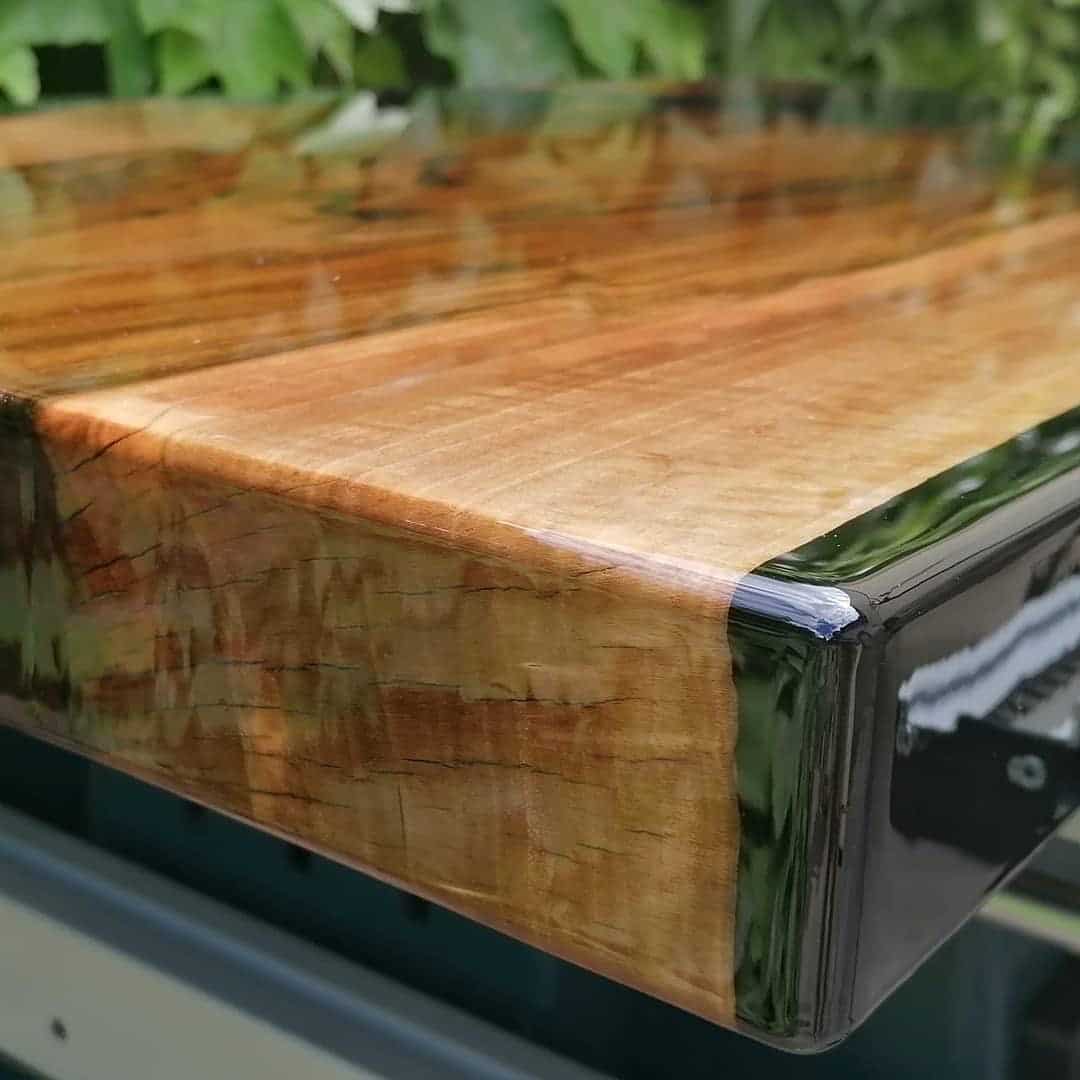
Essential Tools and Safe Setup
Set up your workspace with care to avoid dust and debris contaminating the resin. Use gloves and protective gear to keep hands clean and ensure safety. An organised environment helps prevent accidental spills or rushed steps during the project.

Step 1: Prepare Your Work Area and Mould
Begin by clearing your workspace and covering all surfaces with disposable plastic or newspaper to protect against spills. Ensure the room is dust-free and at a stable temperature (typically between 18–22°C) as temperature influences curing. Select and inspect your silicone mould — it should be clean, dry, and free of dust or debris. For very intricate or new moulds, a light release agent can ensure demoulding is straightforward, though most silicone moulds do not require this step. Place your mould on a perfectly level surface to achieve even vase walls and prevent resin pooling to one side.
Step 2: Measure and Mix Your Resin
Check your project requirements carefully to choose the right resin based on desired vase thickness. Always measure your resin and hardener carefully. Use precise digital scales and follow the specific mixing ratio stated by your chosen product. For thin, decorative vases or layers up to 2cm, “Trasparente” – Multipurpose Clear Epoxy Resin for Casting – Up to 2cm” delivers excellent clarity. For vases up to 5cm thick, “EpoxyTable 5-Five” is optimal; for larger vases up to 10cm, use “Epoxytable 10-Ten”.
Pour resin and hardener into your mixing container and stir gently but thoroughly for at least 3–5 minutes, scraping the sides and base. Mix slowly to avoid air bubbles. For decorative effects, you can add mica powder or compatible pigment at this stage, stirring in gently until fully dispersed.
Step 3: Pour the Resin into the Mould
When pouring, do so in a thin stream from a slight height, which further minimises bubbles. Do not exceed recommended casting thickness. For most clear resins, thicker layers may trap heat and distort clarity or cause cracks. If your mould is deeper than the resin’s recommended limit, pour in multiple stages, allowing partial curing in between, to achieve the correct thickness safely and with clarity.
After pouring, inspect the mould for air bubbles. Lightly mist the surface with isopropyl alcohol spray to burst surface bubbles, or use a toothpick to remove stubborn trapped bubbles near the edges. Work quickly—resin begins to gel after the working time ends.
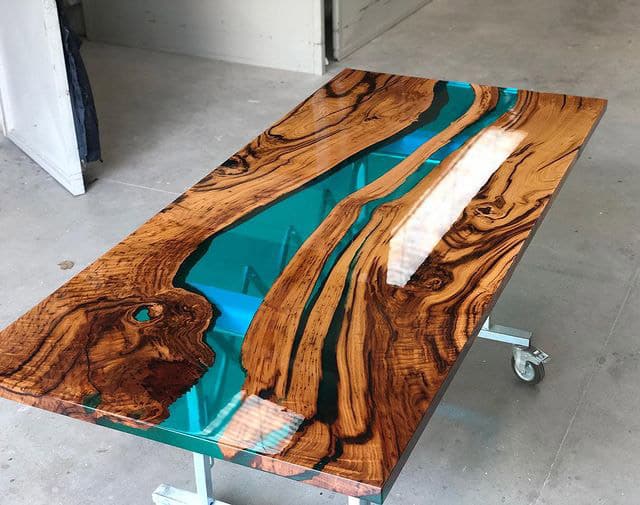
Step 4: Allow to Cure and Demould Carefully
Cover your filled mould with a clean upturned box or container. This prevents dust settling while the resin cures. Refer to your chosen resin’s cure time: some deep-pour formulas may need up to 72 hours for a full cure, while shallower layers may cure in 24 hours. Let the vase cure in a dust-free environment. Avoid moving the mould until the resin is fully set to prevent distortion or accidental spillage.
Once fully cured, gently peel back the silicone mould starting from the edges. If you encounter resistance, wait a few more hours—the resin should be solid to avoid denting or warping the finish. Inspect your vase for any sharp or rough edges, and sand lightly if required using wet-dry sandpaper. Finish with a soft cloth to bring out the shine, or polish as preferred.
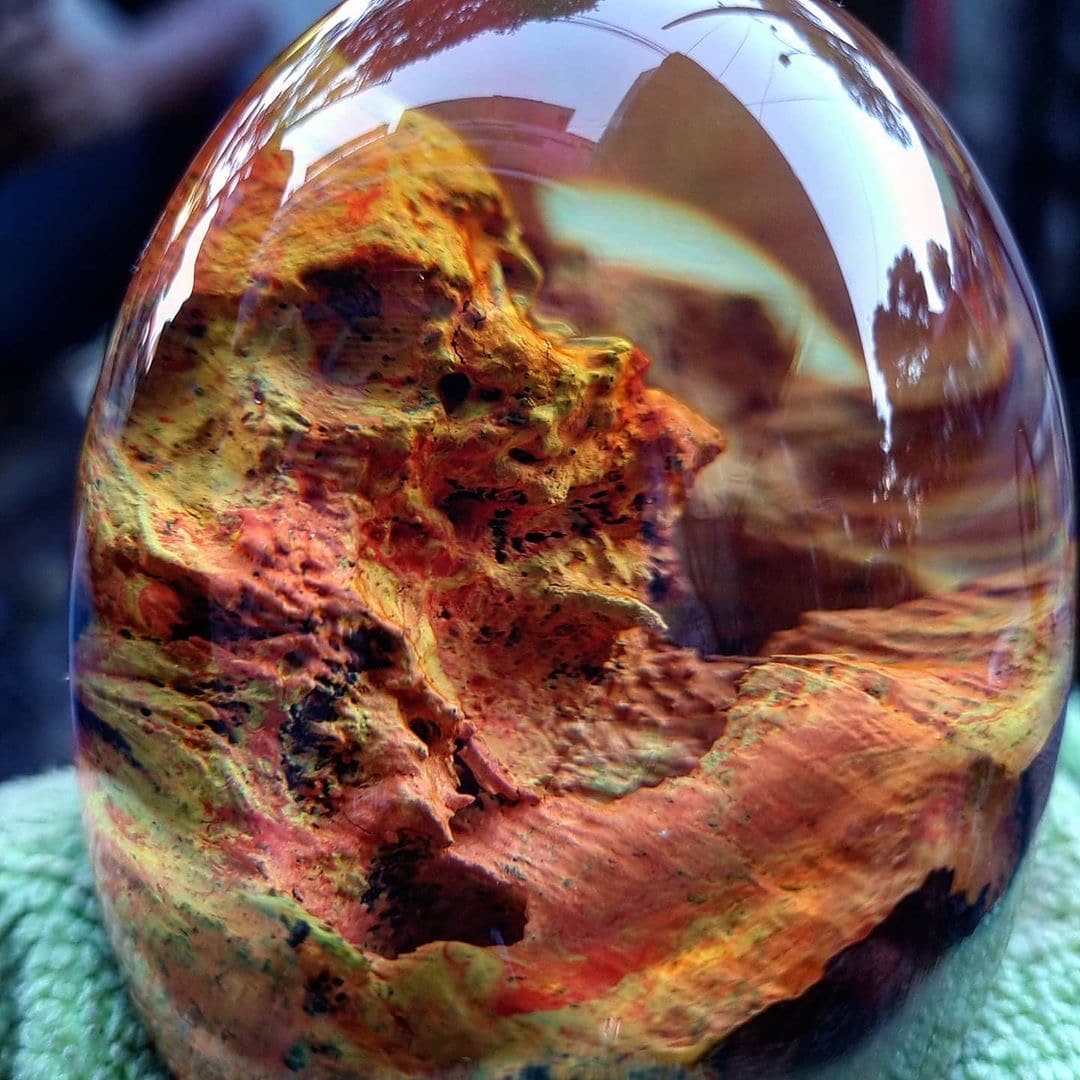
Tips, Common Mistakes, and Troubleshooting
- Pouring resin too thick in one go can cause overheating, resulting in yellowing or distortion. Layering is safer for deep moulds.
- If bubbles persist, check room temperature, mixing technique, and resin freshness. Warmer temperatures and slow mixing help eliminate most bubbles.
- Avoid water or moist objects in moulds—trapped moisture causes cloudiness and weakens the resin.
- If you see dents or sticky spots after demoulding, the resin likely wasn’t mixed well or wasn’t given enough time to cure.
- For colourful or shimmering effects, use high-quality mica powders; always check compatibility with your chosen resin.
Finishing Touches and Display Ideas
Enhance your finished vase by polishing the exterior for a glass-like shine, or combine with dried flowers for a unique statement piece. Position under natural light to highlight its clarity.

- "Vase" – Flower Vase Resin Art Kit with Mica Powder and Silicone Mould£39.85"Vase" Resin Art Kit includes mica powders and a silicone mould for crafting flower-shaped resin vases and trays.
- “Epoxytable 10-Ten” – Deep Pour Epoxy Resin for Tables, Up to 10cm CastingPrice range: £33.85 through £334.85Epoxy resin designed for deep casting up to 10cm, suitable for clear, thick resin projects like tables and artistic creations.
 "EpoxyTable 5-Five" – Deep Pour Epoxy Resin for Tables and Large Projects – Up to 5cmPrice range: £16.85 through £1,099.85"EpoxyTable 5-Five" is a resin designed for deep pouring up to 5cm, suitable for tables and large projects in the theme of clear resin vases.
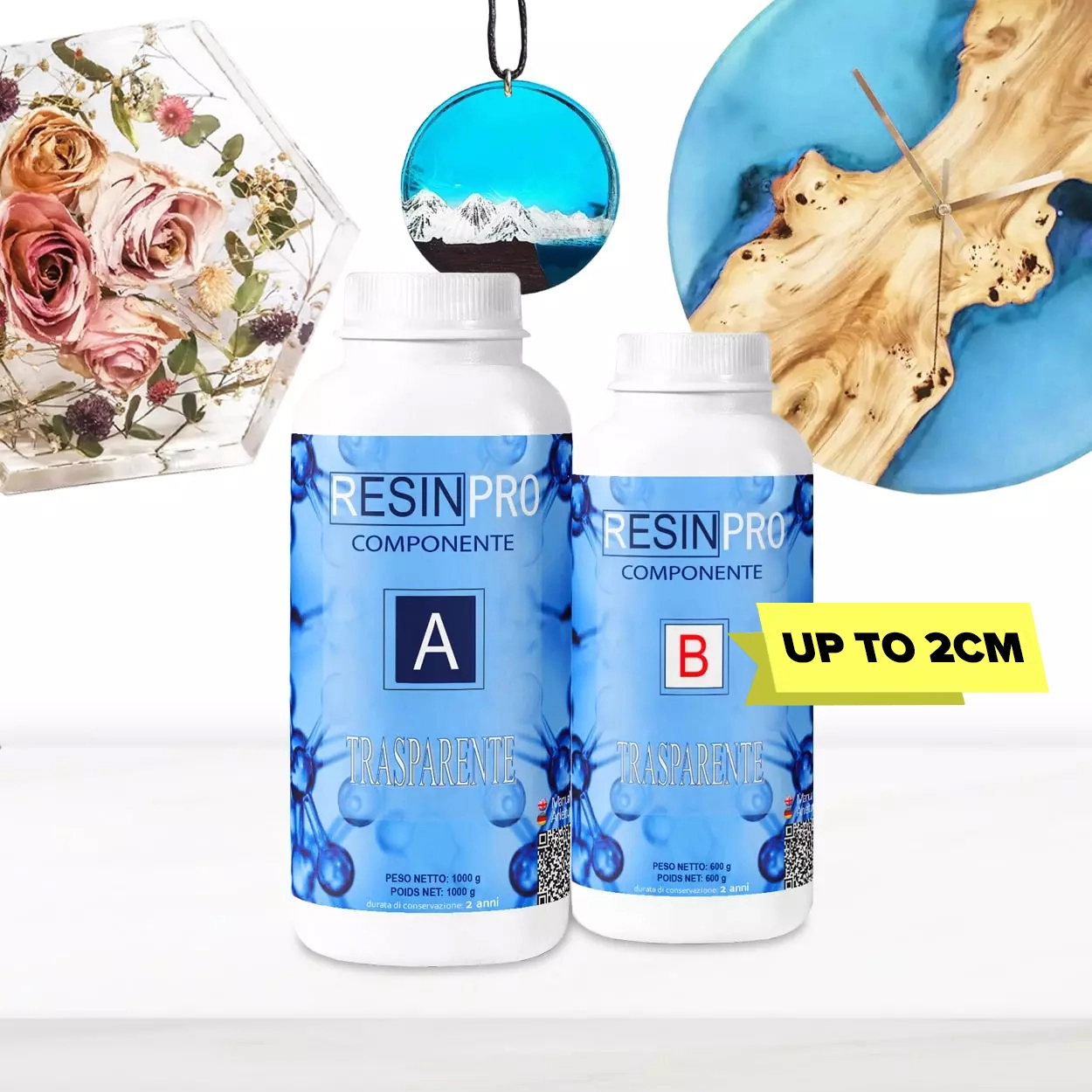 "Trasparente" – Multipurpose Clear Epoxy Resin for Casting – Up to 2cmPrice range: £8.45 through £948.85"Trasparente" clear epoxy resin suitable for detailed castings and table creation with up to 2 cm depth, supporting clear resin vase making.
Frequently Asked Questions
Which resin is best for making clear vases?
Choose resin according to your vase thickness: Trasparente for up to 2cm, EpoxyTable 5-Five for up to 5cm, and EpoxyTable 10-Ten for up to 10cm.
How do I prevent bubbles in my resin vase?
Mix resin slowly, pour in a thin stream, and use isopropyl alcohol spray on the surface after pouring to remove bubbles.
How long does it take for a resin vase to cure?
Curing time varies with resin and thickness, but typically ranges from 24 to 72 hours. Always check your resin's instructions.
Can I pour all the resin at once?
Never exceed the recommended layer thickness. For deeper vases, pour in multiple stages and allow curing between layers.
Can I add colour or pigment to my clear resin vase?
Yes, mica powders or compatible pigments can be mixed in to create dazzling effects. Use sparingly for crystal clarity.
Why does my resin vase have sticky spots?
Sticky areas are usually caused by incorrect mixing ratios or insufficient mixing. Measure and mix thoroughly each time.
How do I remove the vase from the mould safely?
Wait until fully cured, then gently peel from the edges. If resistance is felt, leave for a few extra hours before demoulding.