 Free shipping on orders over £29,85
  Shipping Tracking!


 Google
 Facebook
How do you glue two epoxy resin pieces together?
Joining two epoxy resin pieces seamlessly requires precise preparation, the right bonding technique, and attention to detail. Whether you are creating functional items or repairing decorative resin crafts, this guide will show you how to produce an invisible, durable join between two cured resin parts—without damaging your work.
Guide to strong, seamless epoxy resin bonds for makers


What You’ll Need
- “Klebfix” – Two-Component Fast Epoxy Glue 2K, 25g Syringe – Fast-setting, clear epoxy glue for a strong join
- “FixExpress” – Two-Component Epoxy Glue 500g – Rapid, two-part adhesive for high-strength structural bonds
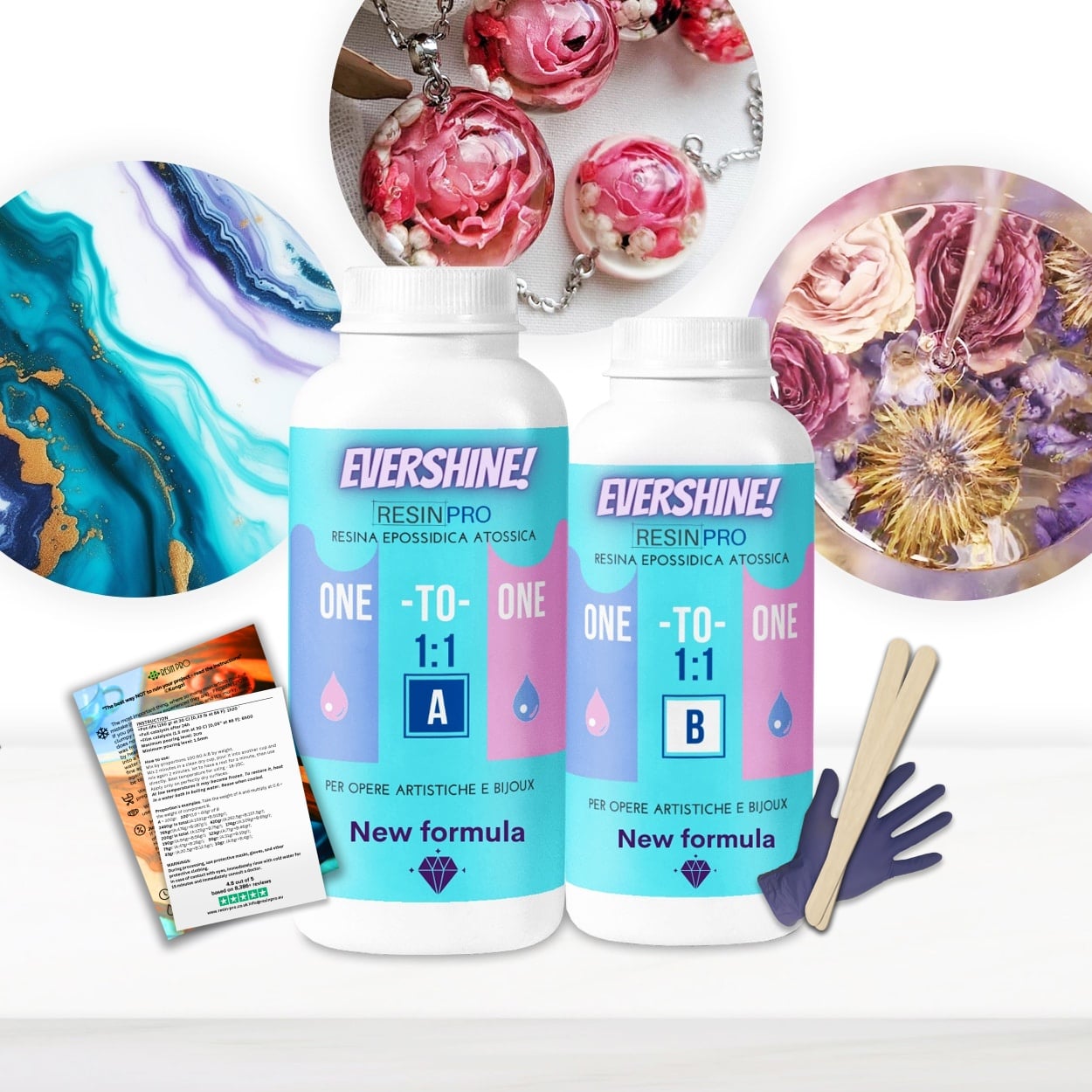
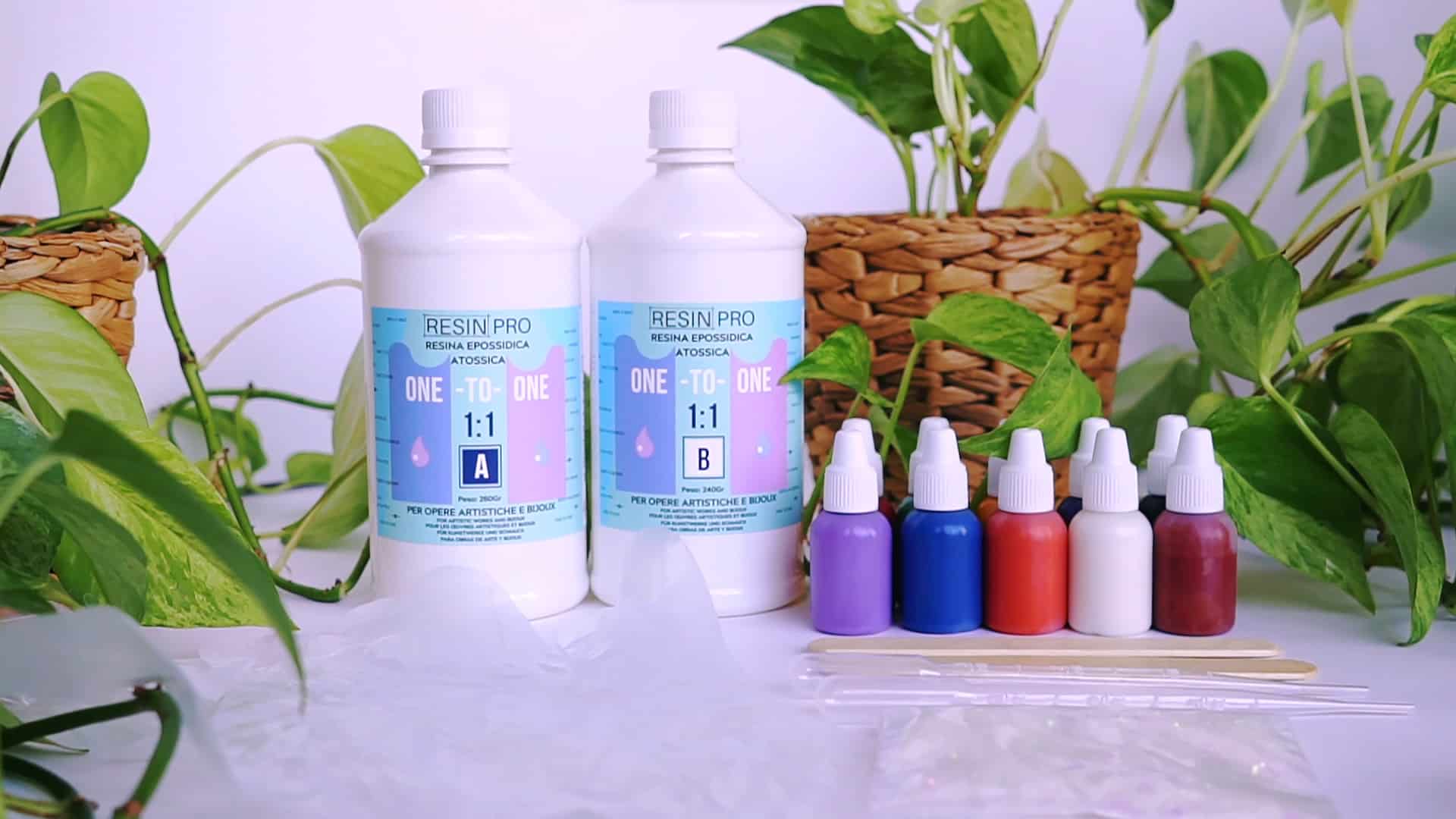
- “One-2-One” – Epoxy Resin for Handcraft, 1:1 Mixing Ratio (optional, for decorative overlays or as a secondary bonding layer)
- “ICreation” – Fast Epoxy Resin, 6h Demoulding, Transparent Gloss Finish (optional, for fast-setting creative applications)
- Mixing tools and disposable gloves
- Cleaning supplies (isopropyl alcohol, lint-free cloth)
- Clamps or weights (if precise alignment is needed)

Choosing the Right Adhesive for Epoxy-to-Epoxy Bonds
Select an epoxy adhesive designed for plastics and resin. Use two-component systems like Klebfix or FixExpress to ensure durable joins, rapid setting, and a transparent finish for invisible repairs or assemblies.

Step 1: Prepare the Resin Surfaces
Careful surface preparation is crucial for a long-lasting bond. Start by gently sanding the areas to be joined with fine-grit sandpaper. This creates a slightly roughened, matte texture, allowing adhesives to penetrate and grip more securely. After sanding, thoroughly remove dust with a dry cloth followed by a wipe with isopropyl alcohol. Ensure surfaces are absolutely clean and free of grease or dust. Any residue or contaminants can weaken the adhesive’s hold.
Let the surfaces dry fully before moving on. Do not touch the prepared areas with bare fingers; natural oils can interfere with adhesion.
Step 2: Select and Mix Your Epoxy Adhesive
Choose a dedicated epoxy glue for best results when bonding cured resin. A product like “Klebfix” – Two-Component Fast Epoxy Glue 2K, 25g Syringe is ideal, offering fast setting and high final strength. Alternatively, use “FixExpress” – Two-Component Epoxy Glue 500g for larger projects or when maximum mechanical strength is required.
Follow the manufacturer’s instructions for mixing. Most two-part epoxies use a 1:1 ratio. In the case of Klebfix or FixExpress, the included syringes or separate compartments ensure correct dosing. Mix thoroughly for at least 30 seconds until the colour is uniform, taking care to incorporate all material from the edges of the mixing container. Avoid mixing large quantities which can set too rapidly.
Step 3: Apply and Clamp the Joint
Using a disposable spreader or mixing stick, apply the prepared epoxy to one of the surfaces to be joined. Apply only as much adhesive or resin as you need for the joint. Bring the two parts together carefully, aligning them accurately for a seamless finish. For the strongest result, apply gentle, even pressure—using clamps or weights if necessary—to ensure there are no air gaps and the adhesive layer is thin and continuous.
Remove any excess epoxy squeeze-out promptly with a clean tool before it hardens. Maintain clamping for the minimum set time stated by the product, usually 5–10 minutes for fast adhesives like Klebfix or FixExpress.
Step 4: Final Curing and Clean-up
Once initial setting has passed, release clamps but handle the assembly gently. Full curing for structural strength may require several hours. Allow sufficient curing time before stressing the bond.
After curing, inspect the joint. Any minor excess can be trimmed or lightly sanded away for a smooth finish. If you wish to create a decorative overlay or fill fine gaps, a clear handcraft resin such as “One-2-One” – Epoxy Resin for Handcraft, 1:1 Mixing Ratio or a rapid option like “ICreation” – Fast Epoxy Resin, 6h Demoulding, Transparent Gloss Finish can be used for top-coating.
Tips and Common Mistakes
- Avoid touching bonding surfaces with bare hands. Oils can reduce adhesion.
- Work quickly after mixing, as fast-setting epoxies have short open times.
- Test your adhesive on a small piece if unsure about compatibility.
- Store mixed glue in a sealed container if a break is needed, but use within its pot life.
- For best clarity, remove excess before cure; avoid over-filling the joint.
- If bubbles appear, use a fine needle or toothpick to release them before setting.
Care for a Lasting Seam
Patience during curing is critical for a strong seam. Give adhesives their full set time before moving or loading joined pieces to avoid bond weakness or visible cracks. Well-bonded resin pieces last significantly longer and maintain their polished, professional look.

- "Klebfix" – Two-Component Fast Epoxy Glue 2K, 25g Syringe£22.85"Klebfix" is a two-component fast epoxy glue designed for demanding repairs bonding various materials with a clear finish.
- "FixExpress" – Two-Component Epoxy Glue 500g£25.45"FixExpress" epoxy glue provides rapid setting and reliable bonds suitable for repairs on various materials.
- "One-2-One" – Epoxy Resin for Handcraft, 1:1 Mixing RatioPrice range: £14.85 through £56.85"One-2-One" epoxy resin offers a clear, durable finish suitable for jewellery and decorative handcrafts with easy 1:1 mixing.
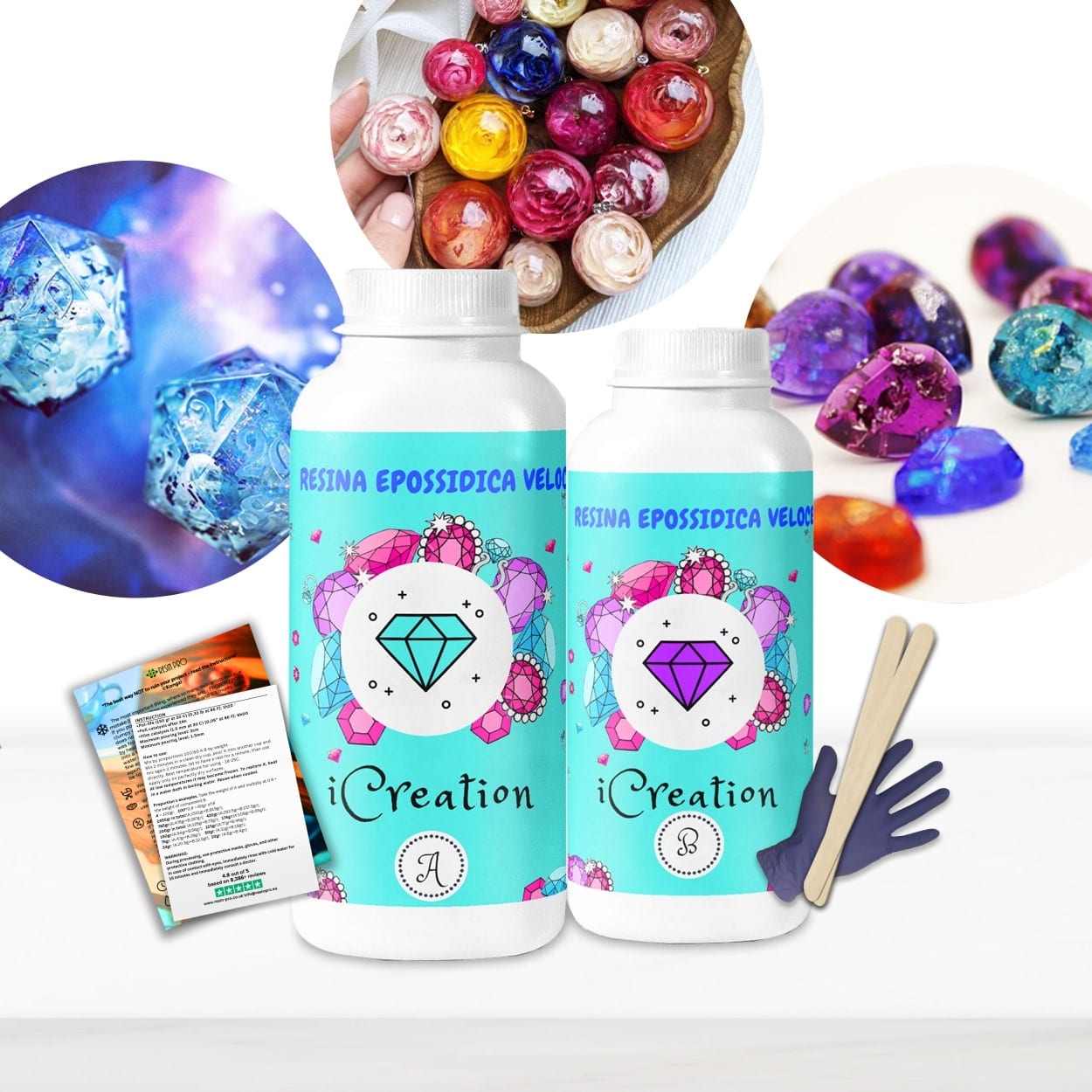 "ICreation" – Fast Epoxy Resin, 6h Demoulding, Transparent Gloss FinishPrice range: £19.40 through £52.85"ICreation" is a fast epoxy resin with a 6-hour demoulding time and a transparent, glossy finish, suited for jewellery and crafts.
Frequently Asked Questions
Can you glue epoxy resin together effectively?
Yes, by cleaning and preparing the surfaces and using a suitable two-part epoxy adhesive, you can achieve a strong and seamless bond.
Which glue should I use for resin-to-resin joints?
Two-component epoxy glues like Klebfix or FixExpress are specially formulated for resin and plastic, offering fast curing and excellent bond strength.
How do I prepare surfaces before gluing two resin pieces?
Lightly sand, clean with isopropyl alcohol, and dry both pieces to maximise adhesion and prevent weak spots in the join.
Is the bond between epoxy resin parts waterproof?
Yes, most two-component epoxy adhesives form a waterproof bond when fully cured, making them suitable for indoor and outdoor use.
Can I tint or colour the adhesive joint between resin pieces?
Many epoxy glues can be tinted with compatible dyes or pigments to match your project or make the join less visible.
How long should I wait before handling glued resin items?
Wait at least the minimum set time listed on the adhesive, then several hours more for full mechanical strength before stressing the join.