 Free shipping on orders over £29,85
  Shipping Tracking!


 Google
 Facebook
How to put insects in resin?
Step-by-step guide for clear casting and lasting results
Preserving insects in resin captures their delicate beauty for display, artistic, or educational purposes. This detailed guide walks you through the entire process, from preparing your specimens to achieving a clear, professional finish with epoxy resin. Whether you’re a beginner looking to make your first insect paperweight or an artist aiming for flawless results, you’ll find practical steps and tips for lasting clarity.
What You’ll Need
- “Icrystal” – Clear Epoxy Resin – Odourless Formula – Up to 1.5cm for small or jewellery-scale castings
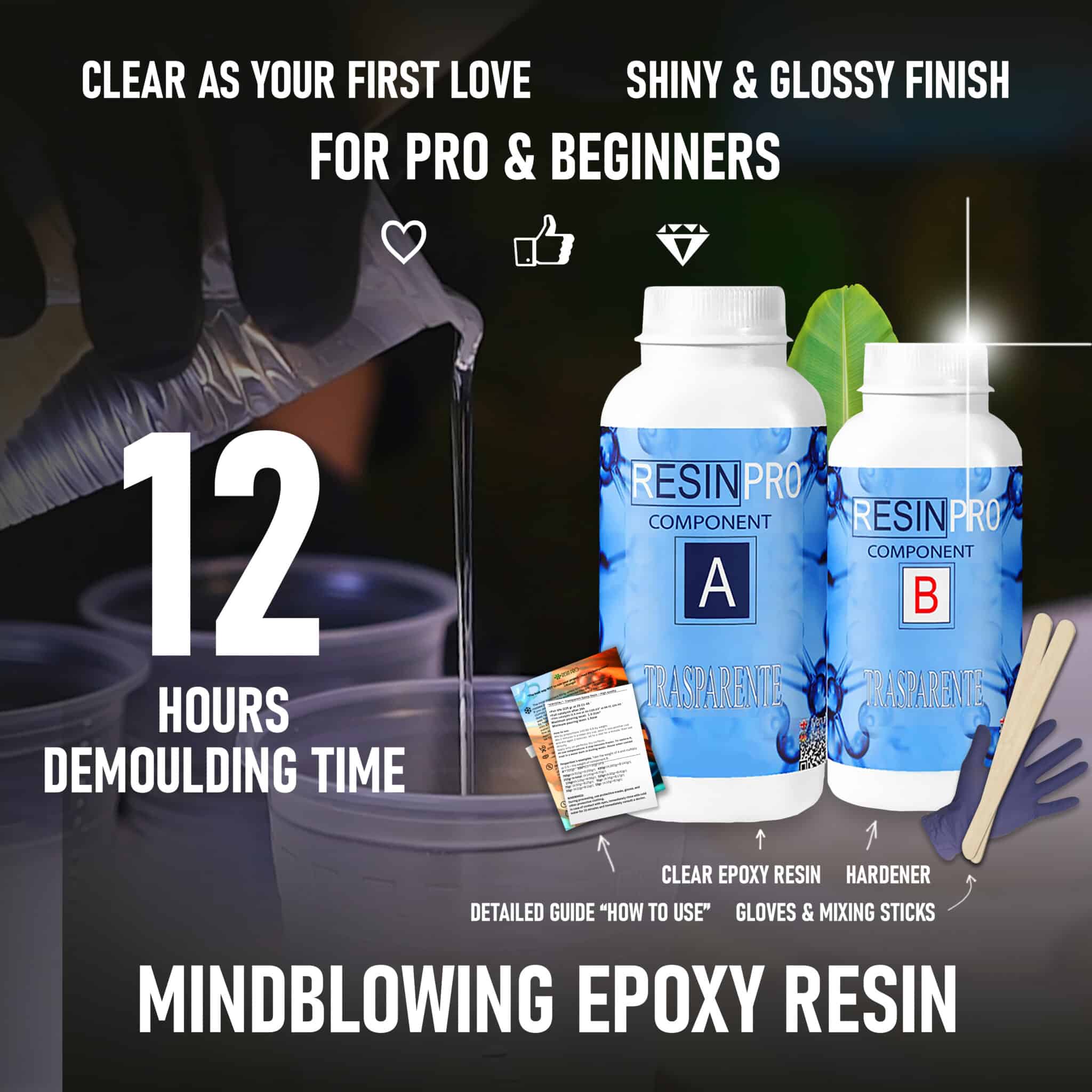
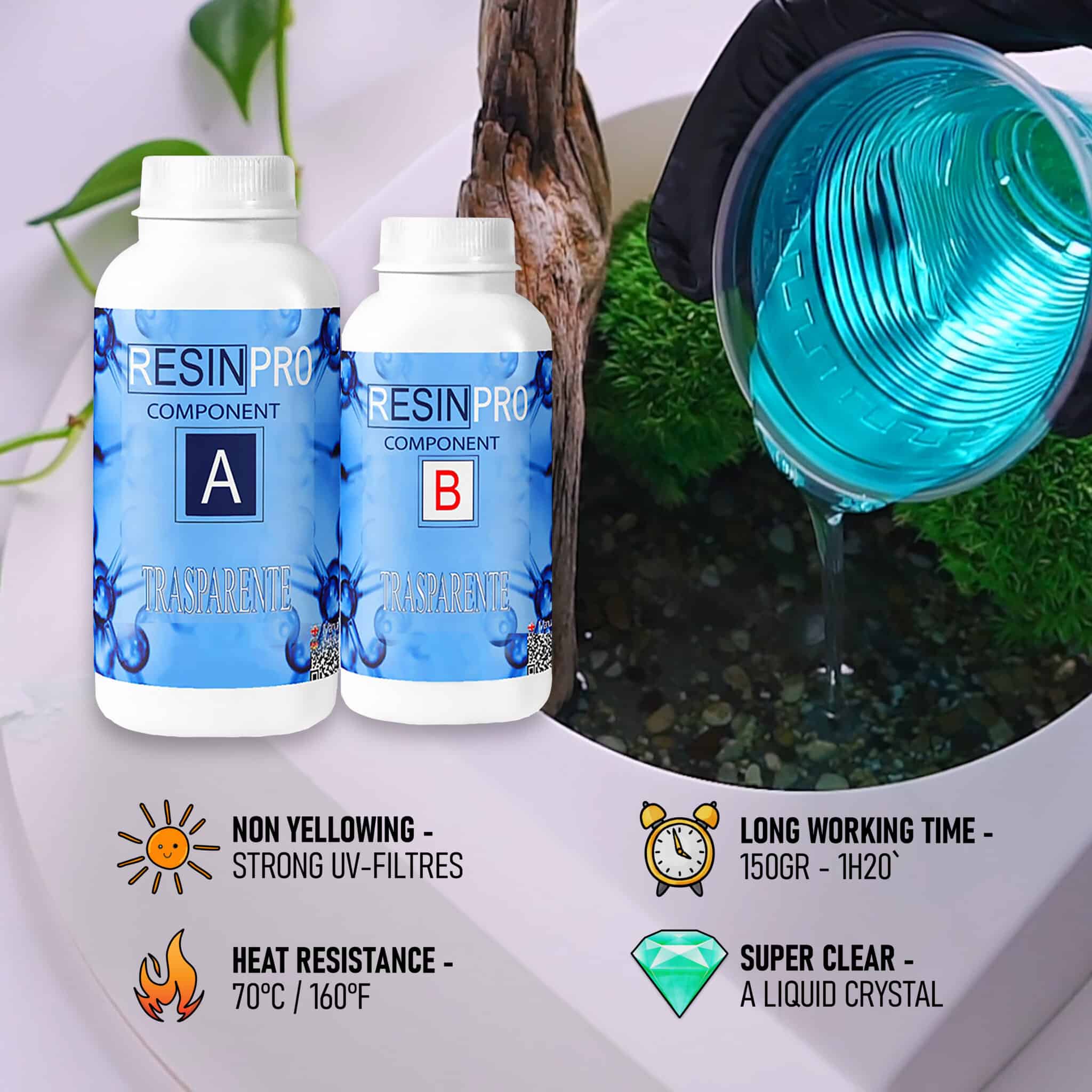
- “Trasparente” – Multipurpose Clear Epoxy Resin for Casting – Up to 2cm for medium-sized pieces
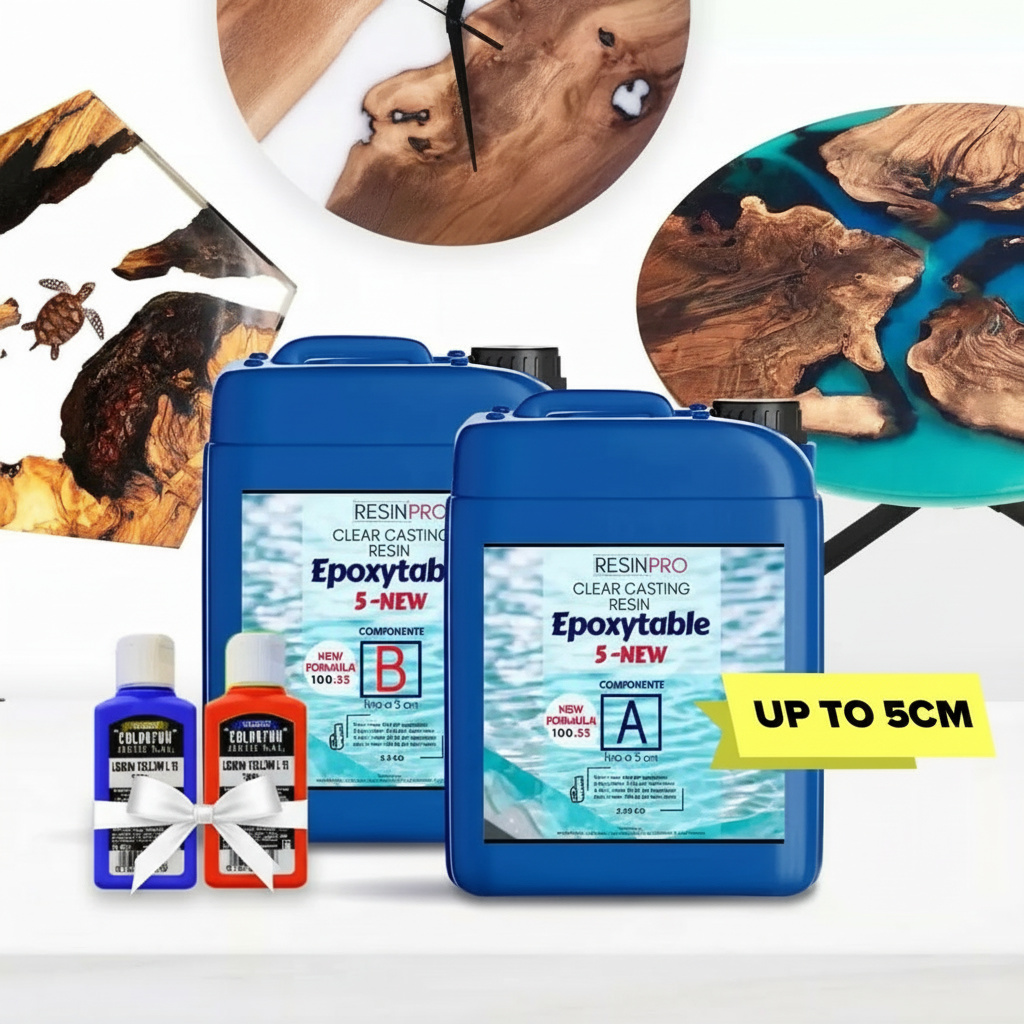
- “EpoxyTable 5-Five” – Deep Pour Epoxy Resin for Tables and Large Projects – Up to 5cm for thicker artworks
- “Epoxytable 10-Ten” – Deep Pour Epoxy Resin for Tables, Up to 10cm Casting for very deep or large insect displays
- Completely dried insect specimens
- Mixing cups, mixing sticks, protective gloves, and a silicone mould
- Tweezers, a toothpick or pin for positioning, and if desired, a heat gun or torch for bubble removal

Insect Embedding Ideas and Resin Inspiration
Explore unique ways to display preserved insects in resin: from paperweights and pendants to ornate displays for scientific collections. Let your creativity flow by casting insects with flowers, stones, or coloured backgrounds for a striking visual effect. For more inspiration, visit our Resins for Tables and Surfaces Finishes section.
Step 1: Prepare the Insect Specimen
Begin by ensuring your insect is completely dried and preserved. Any moisture left in the specimen can cause cloudiness or decay within the resin over time. Air drying over several days in a ventilated spot is usually sufficient for thin-bodied insects, while larger specimens benefit from using a desiccant such as silica gel.
Always ensure insects are thoroughly dried before embedding, as trapped moisture cannot be fixed after casting. Remove any dust or debris gently, using a soft brush or compressed air.
Step 2: Prepare the Mould and Plan Your Pour
Select a silicone mould appropriate to the desired shape and depth for your piece. If you’re aiming for jewellery or petite items, a thin layer of resin with a product like “Icrystal” – Clear Epoxy Resin – Odourless Formula – Up to 1.5cm is ideal. For thicker castings, choose the resin suited for your required depth—never exceed the recommended pour thickness for the specific resin.
If your intended pour exceeds the safe thickness for your resin, plan to work in multiple layers, allowing each to cure fully before adding the next. This method helps prevent overheating and ensures clarity.
Pour resin in stages if thickness exceeds recommended limits to avoid exothermic reactions that can damage the specimen.
Step 3: Mix and Pour the Epoxy Resin
Carefully measure the resin and hardener according to the product instructions. Stir gently and thoroughly, scraping the sides to ensure a complete mix while minimising air bubbles. Allow the freshly mixed resin to rest for a few minutes, letting larger bubbles rise and dissipate.
Use adequate ventilation and wear protective gloves throughout the mixing and pouring process.
Pour a thin initial layer into the mould and let it partially cure until tacky. This helps suspend the insect and reduces the risk of floating or sinking. Position the specimen gently using tweezers or a pin. Once in place, pour the remainder of the resin to cover the insect fully, being careful not to overfill.

Step 4: Remove Bubbles and Allow to Cure
Bubbles trapped in the resin can compromise the finished look. Gently pass a heat gun, torch, or even a long-reach lighter just above the surface to encourage bubbles to release—but avoid overheating or holding the heat source too close. Toothpicks or a fine pin are helpful for surfacing smaller stubborn bubbles near the insect or mould edge.
Remove trapped air bubbles immediately after pouring for the clearest results. Let the resin cure undisturbed in a dust-free environment, sheltered from direct sunlight.
Curing times vary by product and room temperature; consult your chosen epoxy’s instructions for precise timing. Unmould only when fully hardened.

Step 5: Finishing and Polishing
Once demoulded, edges may require gentle sanding for smoothness. Start with fine-grit sandpaper and graduate to very fine for a polished surface. If the finish is not as glossy as desired, use a resin-compatible polishing compound and soft cloth, or consider a thin top coat of clear resin for extra shine.
Work at recommended temperatures for optimal curing, as extremes can cause clouding or improper hardening. Always handle the finished piece gently, especially when new, to avoid surface scratches until fully cured.
Tips and Common Mistakes
- Never embed insects with visible moisture or incomplete preservation, as this can ruin your project.
- Choose a resin with the right pour depth—using too shallow a resin for thick castings will cause overheating and haziness.
- Work in a dust-free, well-ventilated area to reduce imperfections and exposure to fumes.
- Allow each layer to cure before adding more resin in deep pours, ensuring optimal clarity and structural integrity.
- If sanding, always keep movement gentle to avoid scratching both resin and specimen.
Showcase Resin Projects and Community Creations
See customer-submitted resin insect projects in our gallery to gather new ideas and solutions. Whether making keepsakes or educational pieces, join our community by sharing your creations using ResinPro products. Browse additional project showcases in the Top Sellers collection for more examples.

- "Trasparente" – Multipurpose Clear Epoxy Resin for Casting – Up to 2cmPrice range: £8.45 through £948.85"Trasparente" is a clear epoxy resin suitable for casting layers up to 2cm, providing a glossy finish for DIY and artistic projects.
- "EpoxyTable 5-Five" – Deep Pour Epoxy Resin for Tables and Large Projects – Up to 5cmPrice range: £16.85 through £1,099.85"EpoxyTable 5-Five" is suitable for deep pouring up to 5cm, providing a clear, scratch-resistant finish often used for tables and large projects.
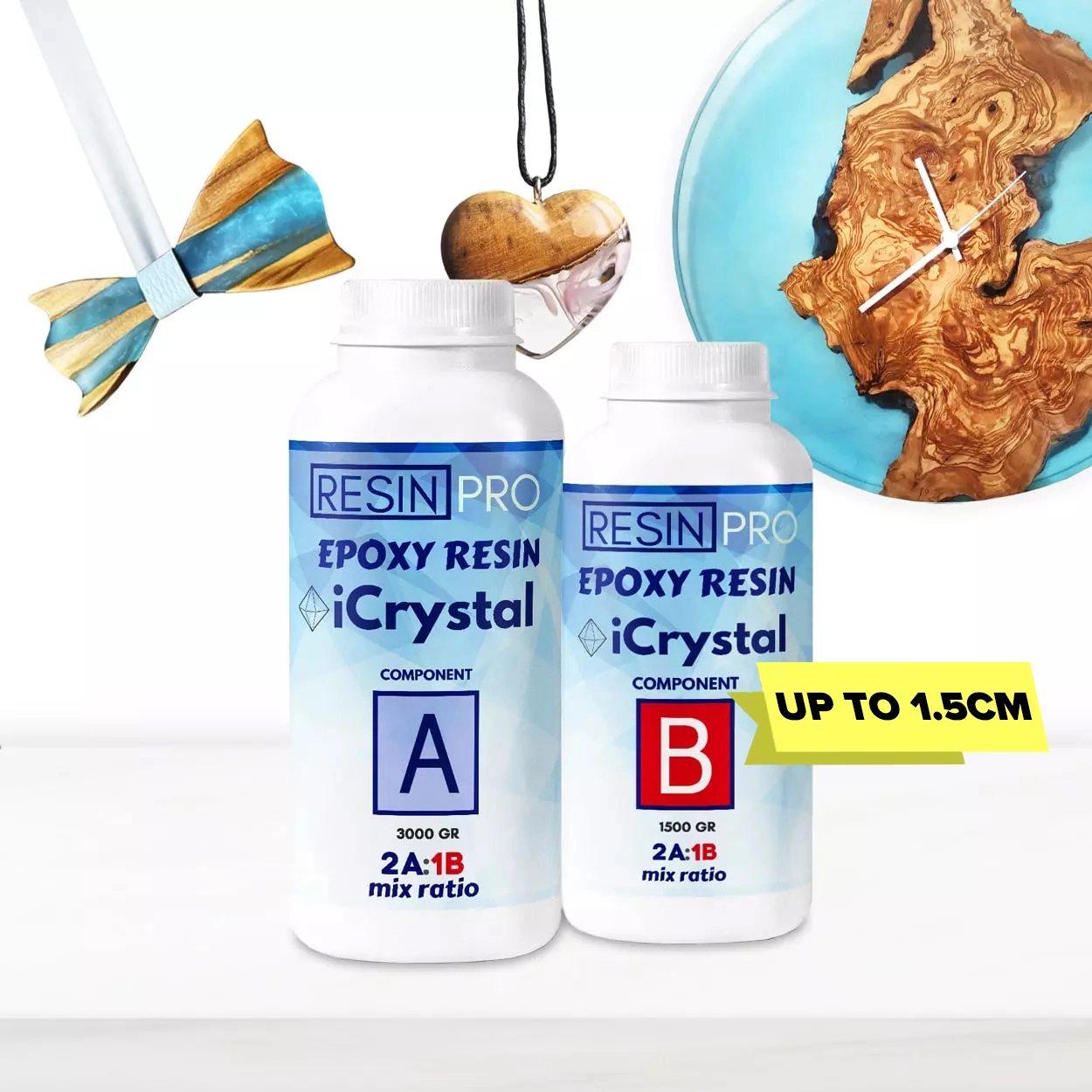 "Icrystal" – Clear Epoxy Resin – Odourless Formula – Up to 1.5cmPrice range: £11.65 through £954.85Clear epoxy resin designed for creative projects with good transparency and an odourless formula, suitable for putting insects in resin.
 “Epoxytable 10-Ten” – Deep Pour Epoxy Resin for Tables, Up to 10cm CastingPrice range: £33.85 through £334.85“Epoxytable 10-Ten” is a resin designed for deep pouring up to 10cm, suitable for tables and artistic projects under the theme "How to put insects in…
Frequently Asked Questions
Which resin is best for casting insects?
Choose the resin according to your mould depth. Use 'Icrystal' for shallow casts, 'Trasparente' for medium, or deep pour epoxies for thicker pieces.
How do I prevent bubbles when embedding insects?
Mix resin thoroughly, pour slowly, and use a heat gun or torch briefly over the surface to remove bubbles for maximum clarity.
Can insects with moisture be embedded in resin?
No, only thoroughly dried insects should be embedded in resin to prevent cloudiness, decay, and imperfections after curing.
Is epoxy resin safe for insect art at home?
Epoxy resin can be used safely at home with proper ventilation, gloves, and surface protection during mixing and pouring.
How long does epoxy resin take to cure for insect casting?
Cure times vary from 24 to 72 hours depending on resin used, layer thickness, and ambient temperature. Check manufacturer instructions for details.
Can I layer resin for thicker insect displays?
Yes, pour additional resin in stages, allowing each layer to cure fully before adding the next for thicker pieces.
What is the best way to polish resin after demoulding?
Gently sand the surface with very fine sandpaper, then buff with a resin-safe polishing compound for a clear, glossy finish.
Does temperature affect curing and clarity?
Yes, resin cures best between 20°C and 25°C. Too cold or too hot can result in slow curing, cloudy finish, or imperfections.