 Free shipping on orders over £29,85
  Shipping Tracking!


 Google
 Facebook
How to get resin out of molds?
Practical step-by-step guide for safe and simple resin demoulding
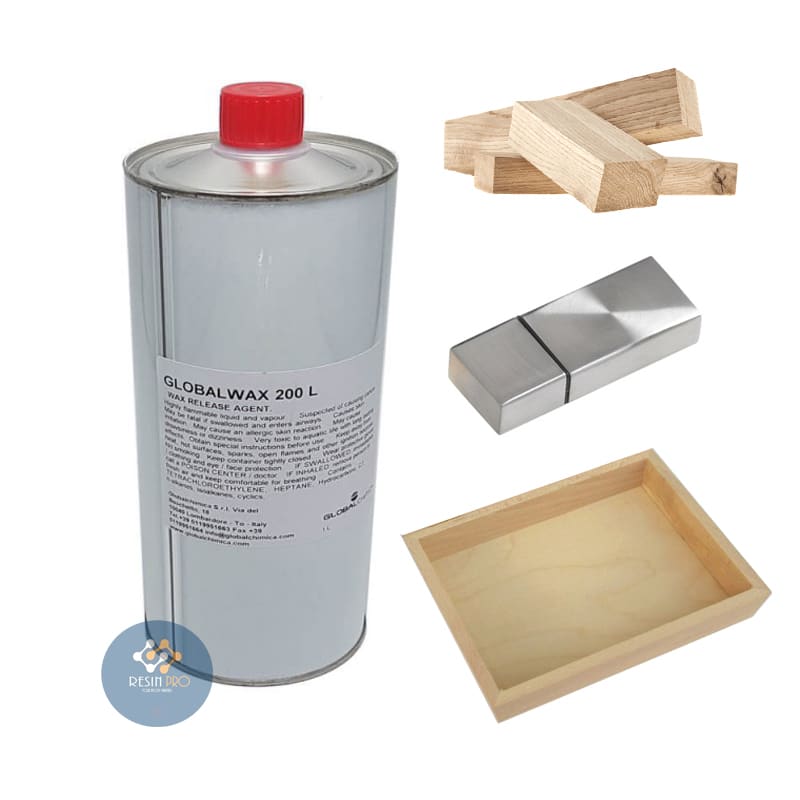

Demoulding resin castings without damage or frustration is crucial for artists, crafters, and makers. Whether working on jewellery, art, or industrial projects, removing resin from the mould cleanly keeps details sharp and your moulds reusable. This practical guide will explain the safest steps to get resin out of your moulds, prevent sticking, and deal with stubborn releases—so your results shine every time.
What You’ll Need
- “Global A2” – Release Wax for Epoxy and Resin Moulds, Liquid, Heat Resistant to 180°C: A liquid release wax for creating a non-stick barrier on mould surfaces.
- Strong Technical Degreaser for Resin Projects – 100% Natural Formula: For cleaning grease, oils, or resin residue from moulds after use.
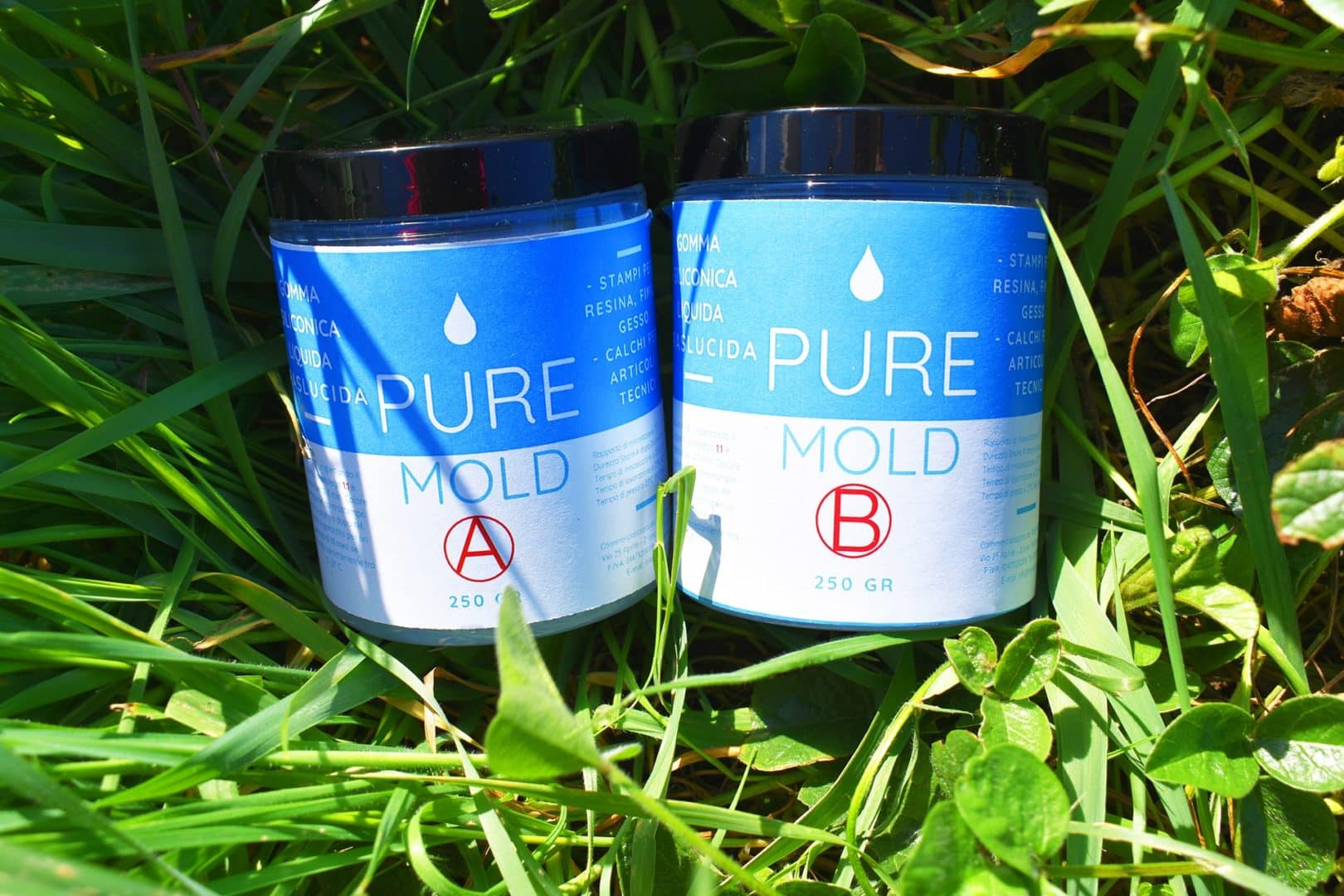
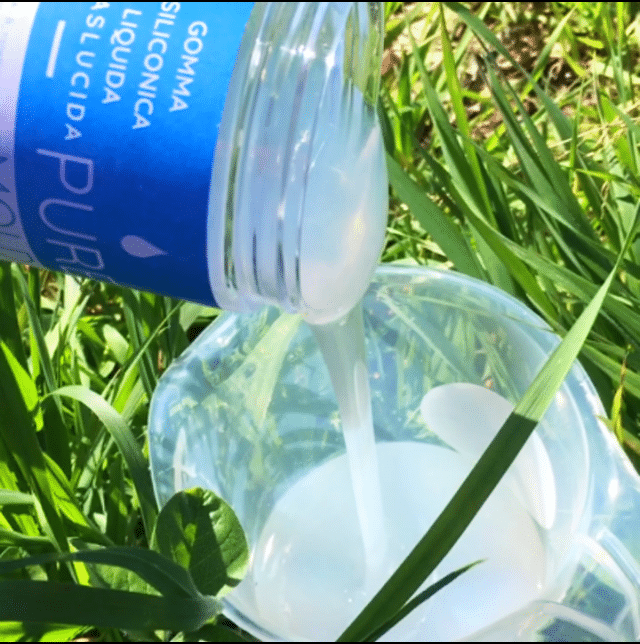
- “Pure Mould” – Translucent Liquid Silicone Rubber for Mould Making: For making professional-quality reusable silicone moulds.
- Nitrile gloves and protective eyewear (for safety)
- Wooden sticks or soft-tipped tools (for gentle prying)
- Soft cloths or microfibre towels
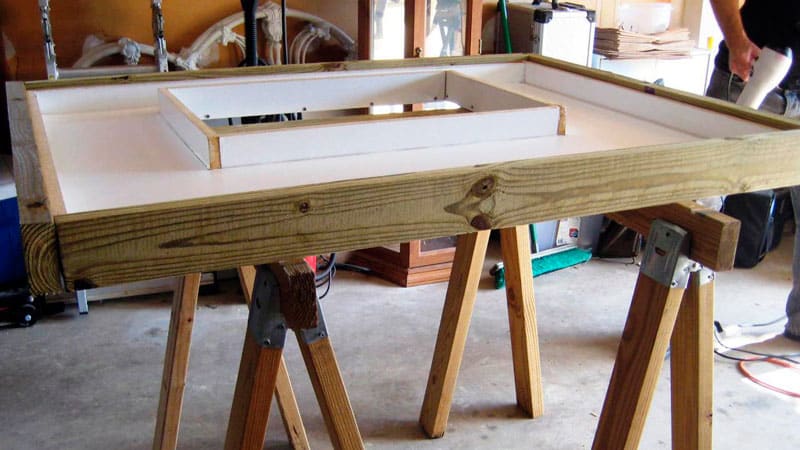
Visual Guide: Before and After Demoulding
See the difference a proper release agent and patient demoulding make in resin crafts. A well-prepared mould yields sharp, flawless resin pieces and preserves the mould for reuse.
Step 1: Ensure Proper Resin Curing Time
Always demould resin after it has fully cured according to the manufacturer’s directions. Premature demoulding can cause distortion, tearing of the object, or damage to the mould itself. Working with fast-curing options may allow for quicker results, but be sure that the resin has reached full hardness, not just a solid surface. Inspect your project in good light—if the cast feels tacky or bends easily, allow additional time.
Waiting for full cure prevents edges from sticking and helps the piece release with minimal effort. For best results, patience at this stage saves future frustration.
Step 2: Loosen the Resin Around the Edges
Gently wiggle or flex your mould to help break any surface tension along the resin’s edges. For flexible silicone moulds, pull gently outward to release the air seal and create space between mould and resin. For rigid moulds, run a soft-tipped or wooden stick around the perimeter if accessible.
Never force the resin out of the mould as this can cause cracks or breakage. If resistance is high, check again that curing is complete, and relax the edges further before proceeding.
Step 3: Apply a Release Agent for Trouble-Free Demoulding
If you are preparing for future projects, use a release agent like “Global A2” – Release Wax for Epoxy and Resin Moulds, Liquid, Heat Resistant to 180°C to prevent sticking before casting. This wax forms a thin barrier on your mould’s surface, stopping resin from binding and making demoulding far easier—especially for complex or detailed designs.
Apply with a brush or soft cloth and allow it to dry as recommended. This small step dramatically extends mould life and improves your casting outcomes.

Step 4: Carefully Remove the Resin Piece
Hold your mould securely and start easing out the resin cast, supporting it from underneath. For flexible moulds such as those made with “Pure Mould” – Translucent Liquid Silicone Rubber for Mould Making, peel back the silicone slowly to release intricate parts. If you meet resistance, pause to flex or twist the mould slightly—never use sharp objects that could scratch or rip the mould.
For rigid or multi-part moulds, disassemble as designed, keeping even pressure on all sides. Proper release technique prevents damage to both the cast and the mould, ensuring sharp details every time.
Step 5: Clean and Maintain Your Moulds
Clean moulds thoroughly after each use to remove leftover resin, wax, or release agent. Use a gentle solution such as the Strong Technical Degreaser for Resin Projects – 100% Natural Formula to dissolve residues without harming the mould material or your skin.
Rinse with water and dry fully before storing. Well-maintained moulds improve your chances of effortless demoulding on your next project.
Tips and Common Mistakes with Resin Demoulding
Always demould resin after it has fully cured—rushing leads to breaks and stickiness. Never force the resin out of the mould, especially with sharp tools, as this shortens mould life. Clean moulds thoroughly after each use to prevent buildup and accidental cross-contamination.
Use a release agent like “Global A2” – Release Wax for Epoxy and Resin Moulds, Liquid, Heat Resistant to 180°C to prevent sticking on complex or rigid moulds. For perfect demoulding, work in a temperature-stable environment and handle pieces gently, letting patience win out over prying.
Close-Up: Perfect Demoulding Results
Notice how release wax, clean surfaces, and gentle technique give consistent, mirror-finish results in each resin project. Small details emerge crisp and intact every time.
- "Global A2" – Release Wax for Epoxy and Resin Moulds, Liquid, Heat Resistant to 180°CPrice range: £16.95 through £19.95Global A2 Release Wax is designed for epoxy resin projects, creating a protective film on mould surfaces to aid release.
- Strong Technical Degreaser for Resin Projects – 100% Natural FormulaOriginal price was: £10.95.£9.45Current price is: £9.45.A gentle, natural degreaser suitable for cleaning grease and silicone from various surfaces during epoxy resin projects.
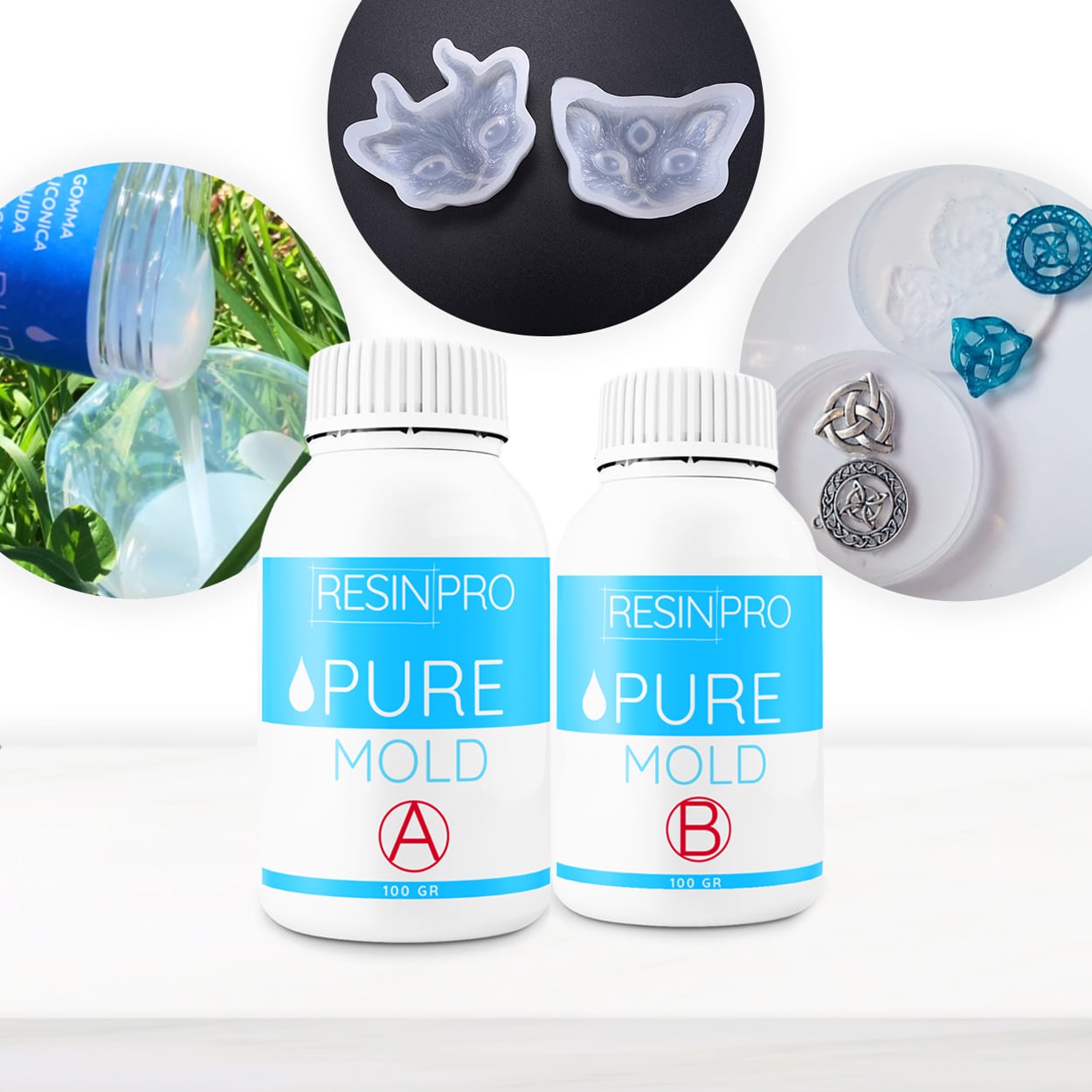
- "Pure Mould" – Translucent Liquid Silicone Rubber for Mould MakingPrice range: £23.95 through £166.95"Pure Mould" silicone rubber is a translucent and fast casting product suitable for making reusable detailed moulds compatible with various resins.
 "ICreation" – Fast Epoxy Resin, 6h Demoulding, Transparent Gloss FinishPrice range: £15.95 through £55.95ICREATION fast epoxy resin is designed for crafts requiring timely, clear, and glossy finishes with a 6-hour demoulding time.
Frequently Asked Questions
Can I use household items as release agents for resin moulds?
Household oils and sprays sometimes work but often affect finish or damage the mould. Dedicated release waxes ensure the best, trouble-free release.
How do I remove a resin piece that's stuck in the mould?
Allow extra curing time, gently flex the mould, and apply warm (not hot) water to soften tension—never force the cast or use sharp tools.
Can I reuse my silicone moulds for multiple resin castings?
Yes, silicone moulds are reusable for many casts if cleaned and cared for properly. Use a release agent to extend mould life.
Will a release agent impact the clarity or finish of my resin?
Release agents should be applied sparingly and buffed evenly for invisible, residue-free results. Follow product instructions for best clarity.
How long should I wait before removing resin from the mould?
Wait for the manufacturer's recommended full cure, typically ranging from several hours to overnight. Rushing leads to tears or warping.
Why does resin stick to moulds, even silicone ones?
Sticking often results from incomplete curing, lack of release agent, or repeated use without cleaning. Preparation helps every time.