 Free shipping on orders over £29,85
  Shipping Tracking!


 Google
 Facebook
How do you remove epoxy resin from wood?
Step-by-step method for safely clearing cured resin
Removing epoxy resin from wood requires patience and the right approach to protect the underlying surface. Whether you are fixing a creative mistake or preparing wood for refinishing, this guide will help you clear cured epoxy without causing damage, using straightforward manual techniques suitable for DIYers and professionals alike.
What You’ll Need
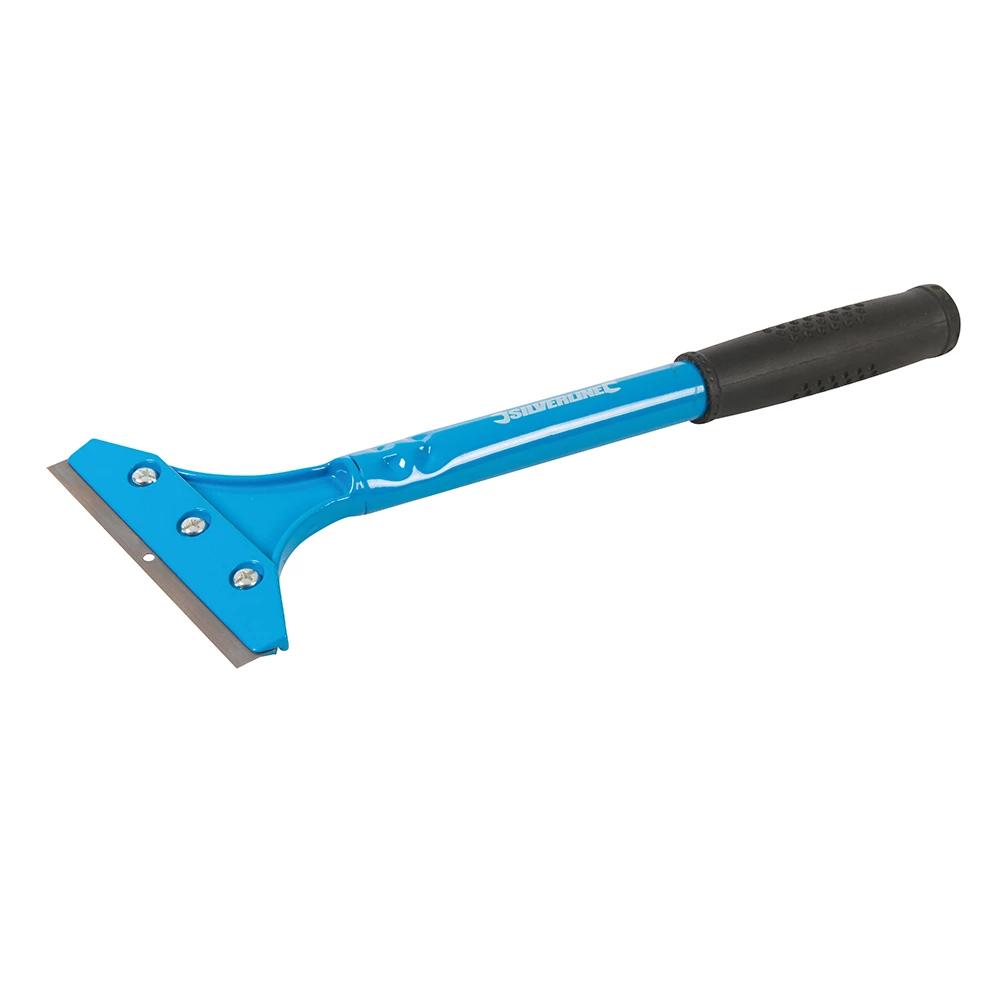
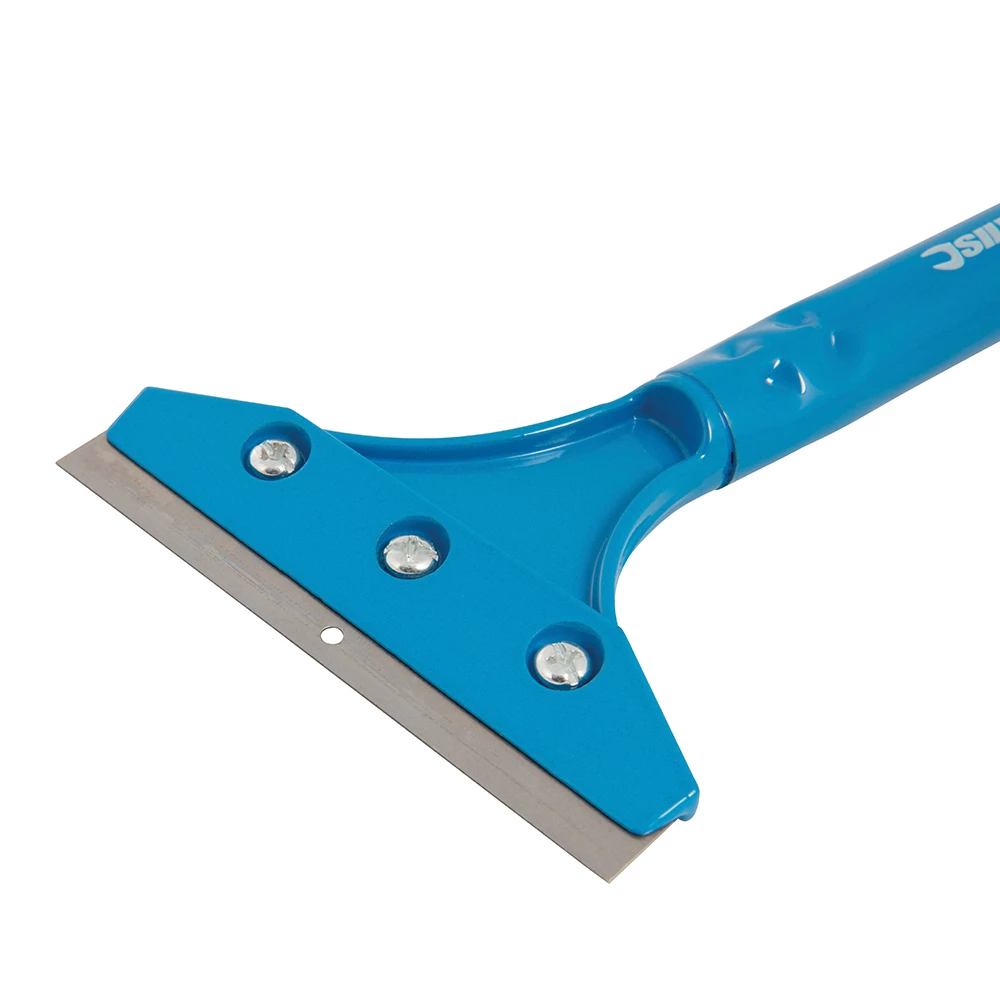
- Heavy Duty Scraper for Paint and Epoxy Resin Removal – A sharp, precise tool for lifting cured resin from wood.
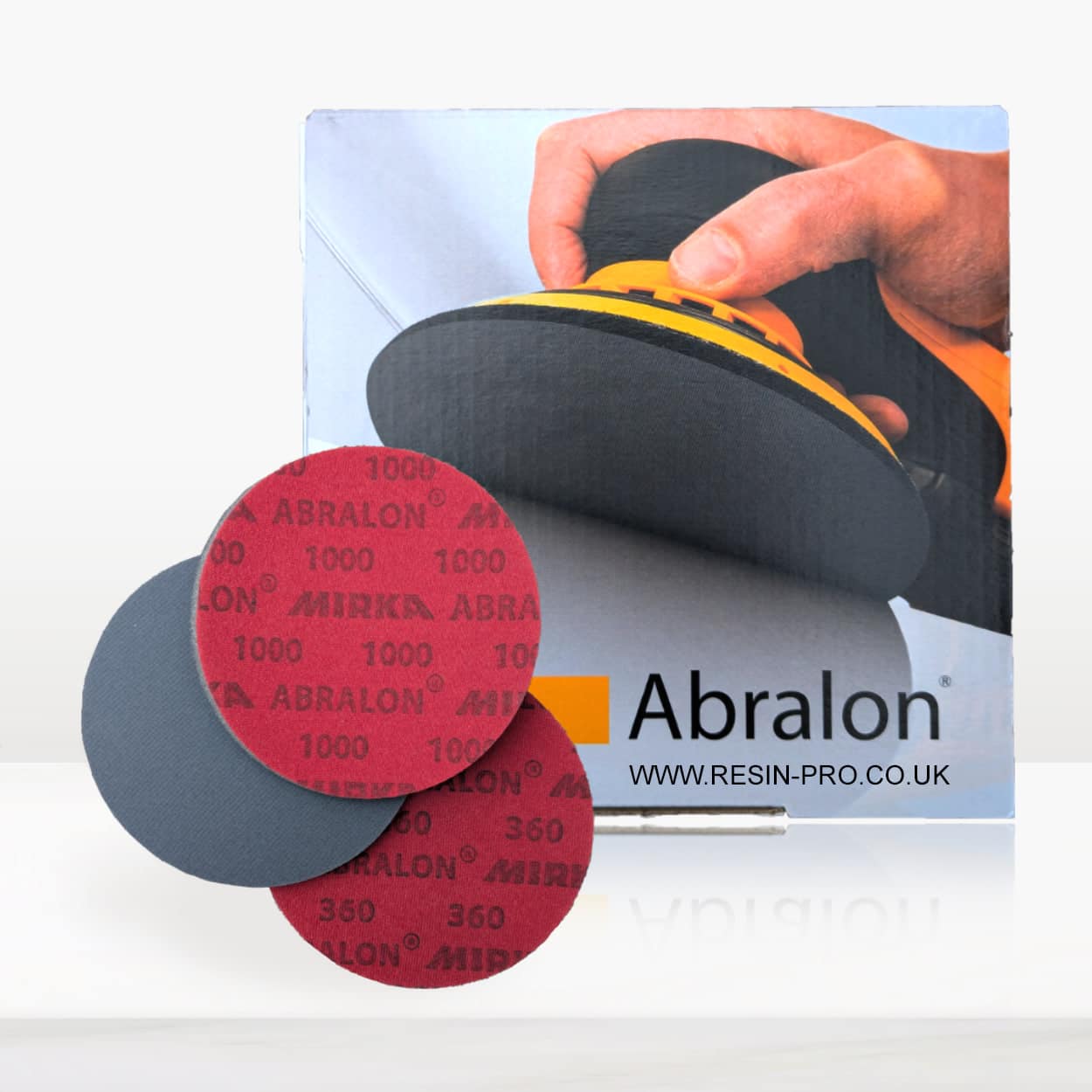
- “Ebonite Abralon” – Sanding Pads 360-4000 Grit for Resin and Wood – For finishing and refining the surface after scraping.
- Strong Technical Degreaser for Resin Projects – 100% Natural Formula – To clean residue and remove grease after mechanical removal.
- Pure Isopropyl Alcohol 99.9% – 1000ml Bottle for Epoxy Resin Projects & DIY – For final surface preparation and gentle cleaning.
- Protective gloves and eyewear.
Visual Guide: Manual Resin Removal Techniques
Step-by-step visuals can help clarify the manual scraping process and demonstrate how different tools interact with wood and resin. Explore tool angles, gradual removal, and sanding transitions as shown in our reference projects and demonstration galleries.
Step 1: Assess and Prepare the Wood Surface
Begin by evaluating the area where epoxy resin is present. Ensure the resin is fully cured for safer removal. Clear the workspace of dust and debris, and stabilise the wood piece to prevent slips or unintended gouges. Wear protective gloves and eyewear to safeguard yourself from potential splinters or fragments of resin during the process.
Check for any delicate areas, knots, or veneers near the resin patch, as these may require extra care to avoid damaging the underlying surface.
Step 2: Carefully Scrape Off the Cured Epoxy Resin
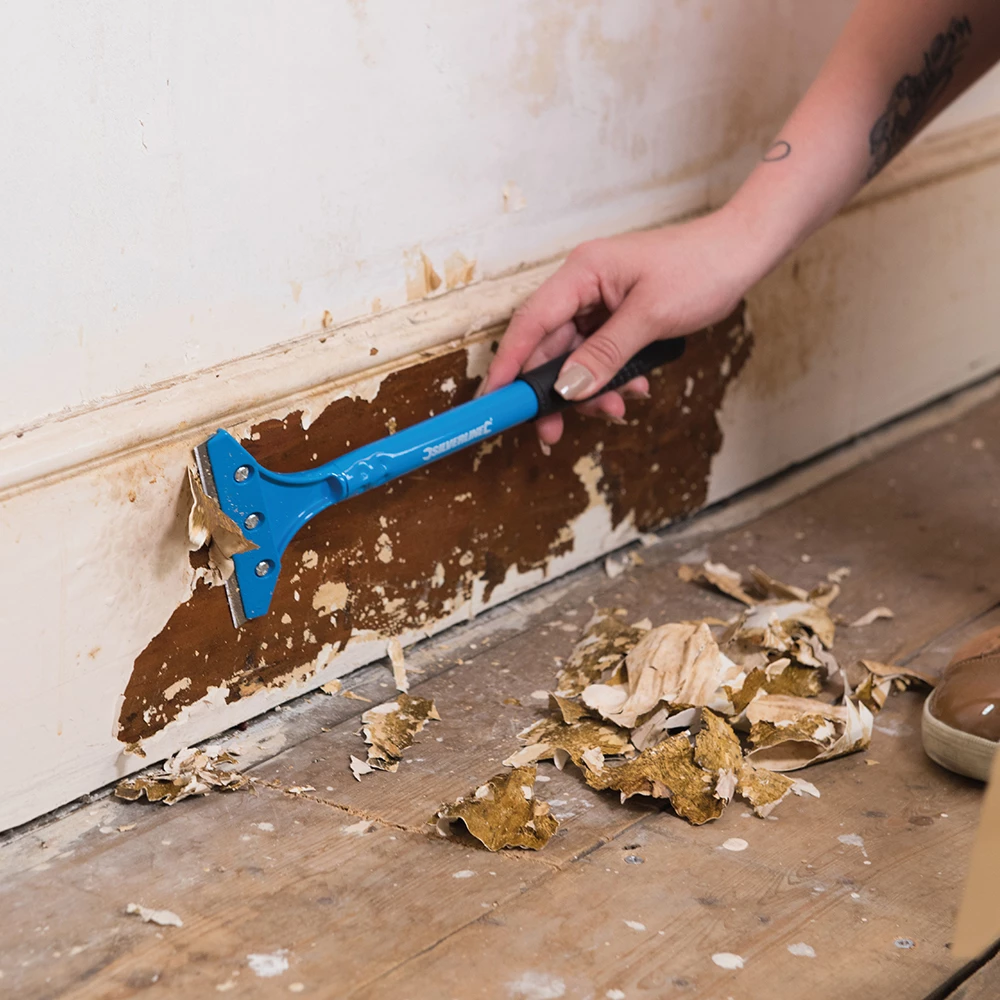
Position the blade of your Heavy Duty Scraper for Paint and Epoxy Resin Removal at a shallow angle against the resin patch. Gently push or pull the scraper, applying even pressure to lift the resin. It is best to take your time and work in small sections, minimising the risk of gouging the wood. Let the tool do the work; forcing the blade may scratch or dent the wood beneath.
For stubborn or thicker patches, repeat the process, working gradually rather than attempting to remove all the resin in one pass. Test in a discreet spot first to ensure the scraper does not scratch or mar the specific type of wood you are working with.
Step 3: Sand and Level the Affected Area
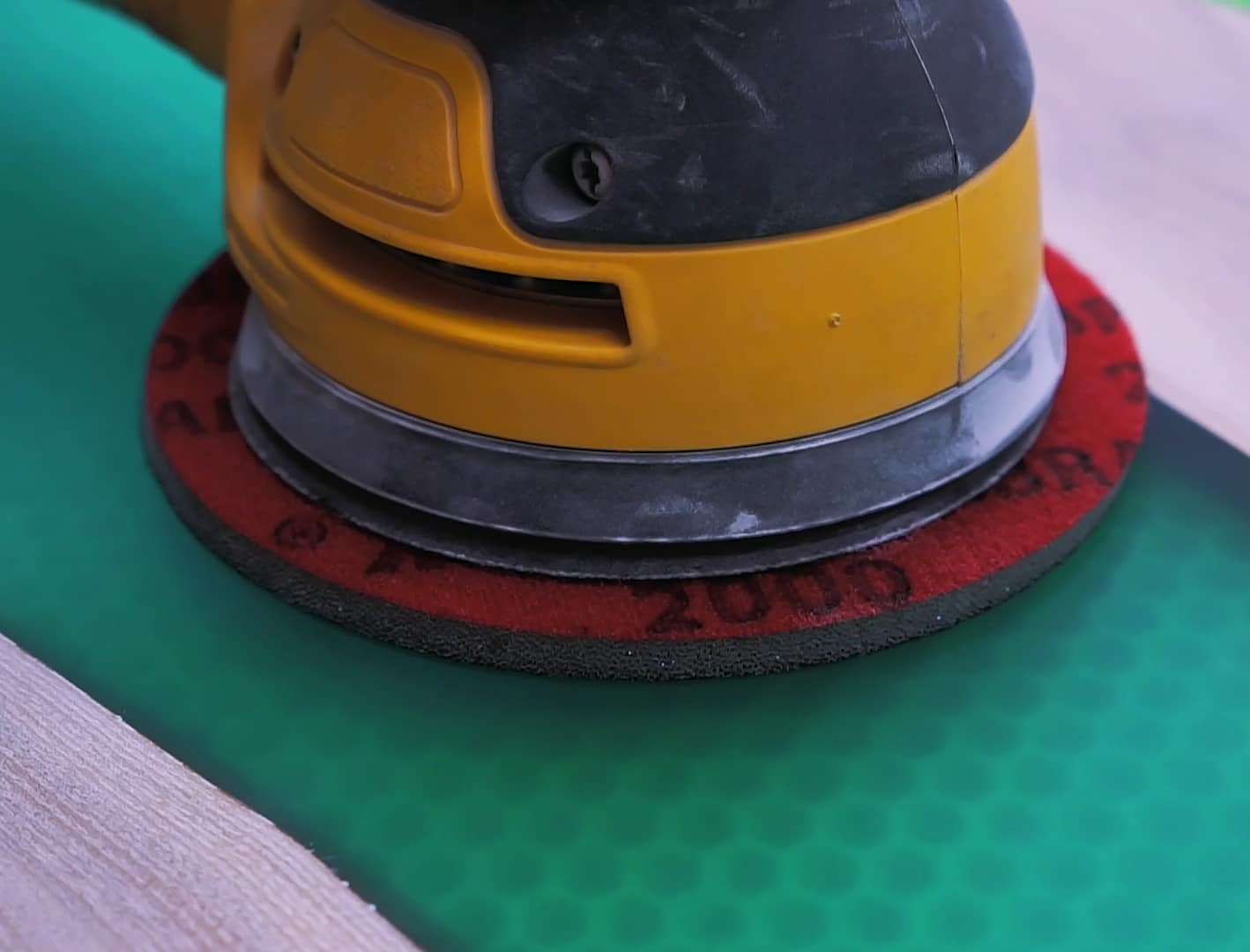
After removing the majority of the resin, some residue or unevenness may remain. Using “Ebonite Abralon” – Sanding Pads in a medium-to-fine grit (such as 600 or 1000), sand the affected area with light, even strokes.
Continue refining the surface, adjusting to a finer grit if necessary, until the wood feels smooth and free of remaining resin. Avoid aggressive sanding, especially on softwoods and veneers. Sanding also helps blend the cleaned area into the surrounding finish, readying it for any refinishing or staining.
Step 4: Clean and Restore the Surface
Once mechanical removal and sanding are complete, clean the wood to remove dust, residue, or traces of grease. A Strong Technical Degreaser for Resin Projects – 100% Natural Formula can be lightly applied to wipe down the surface, ensuring that no contaminants remain.
For a final touch, use a cloth dampened with Pure Isopropyl Alcohol 99.9% to gently clean and prepare the wood for recoating or use. Allow the surface to dry thoroughly before any further treatments.
Tips and Common Mistakes
Avoid harsh chemicals on raw wood: Most solvents designed for dissolving epoxy can also damage wood fibres or leave stains. Stick to manual removal unless you are experienced.
Take your time: Rushing increases the risk of gouges or scratches. Let each step run its course patiently.
Protect the surroundings: Use dust sheets when working on larger projects to prevent resin debris spreading across your workspace.
If unsure, practise on an offcut: Getting a feel for the tool and sanding pads beforehand can significantly improve results.
Real-World Examples and Results
Completed projects highlight the difference proper removal makes to both aesthetic and structural quality. See examples of restored wooden surfaces after removing epoxy resin, from workbench repairs to reclaimed furniture.
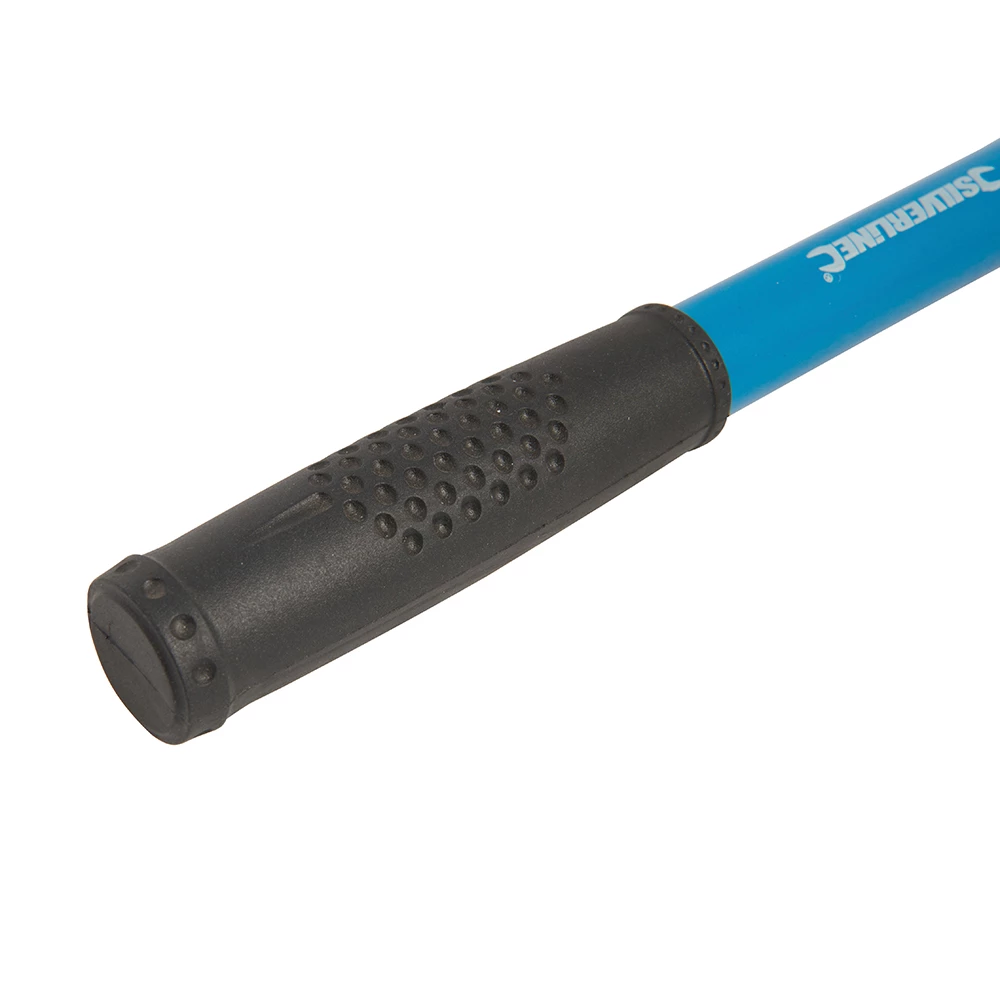
- Heavy Duty Scraper for Paint and Epoxy Resin Removal£8.95A lightweight scraper with a razor-sharp blade, designed for comfortable removal of paint and resin in renovation projects.
- "Ebonite Abralon" – Sanding Pads 360-4000 Grit for Resin and Wood£4.15"Ebonite Abralon" Sanding Pads offer versatile grit options for polishing resin and wood with consistent surface pressure.
 Strong Technical Degreaser for Resin Projects – 100% Natural FormulaOriginal price was: £10.95.£9.45Current price is: £9.45.Strong Technical Degreaser is a 100% natural cleaner designed for use in resin projects and suitable for various surfaces.
 Pure Isopropyl Alcohol 99.9% – 1000ml Bottle for Epoxy Resin Projects & DIYPrice range: £10.45 through £20.95Pure Isopropyl Alcohol 99.9% in a 1000ml bottle removes bubbles and supports resin art effects for epoxy resin projects.
Frequently Asked Questions
Can I use solvents to remove epoxy resin from wood?
Avoid strong solvents as they may damage or discolour wood. Manual scraping is safer for most projects.
How do I avoid scratching the wood surface?
Use light, controlled pressure when scraping and always test the tool on a hidden area first.
What if the epoxy resin layer is thick?
Remove resin in layers rather than all at once. Several passes with the scraper will yield cleaner results.
Is sanding necessary after removing resin?
Yes, sanding helps level the surface and eliminates any remaining resin residue for a smoother finish.
Can I refinish the wood after epoxy resin removal?
Once the area is clean and free of resin, the wood can usually be stained or finished as normal.
Does isopropyl alcohol clean off epoxy resin?
Isopropyl alcohol helps remove fine residue after mechanical removal but is not a solvent for cured epoxy.