 Free shipping on orders over £29,85
  Shipping Tracking!


 Google
 Facebook
How to Install a Resin Floor?
A step-by-step method for seamless and durable results
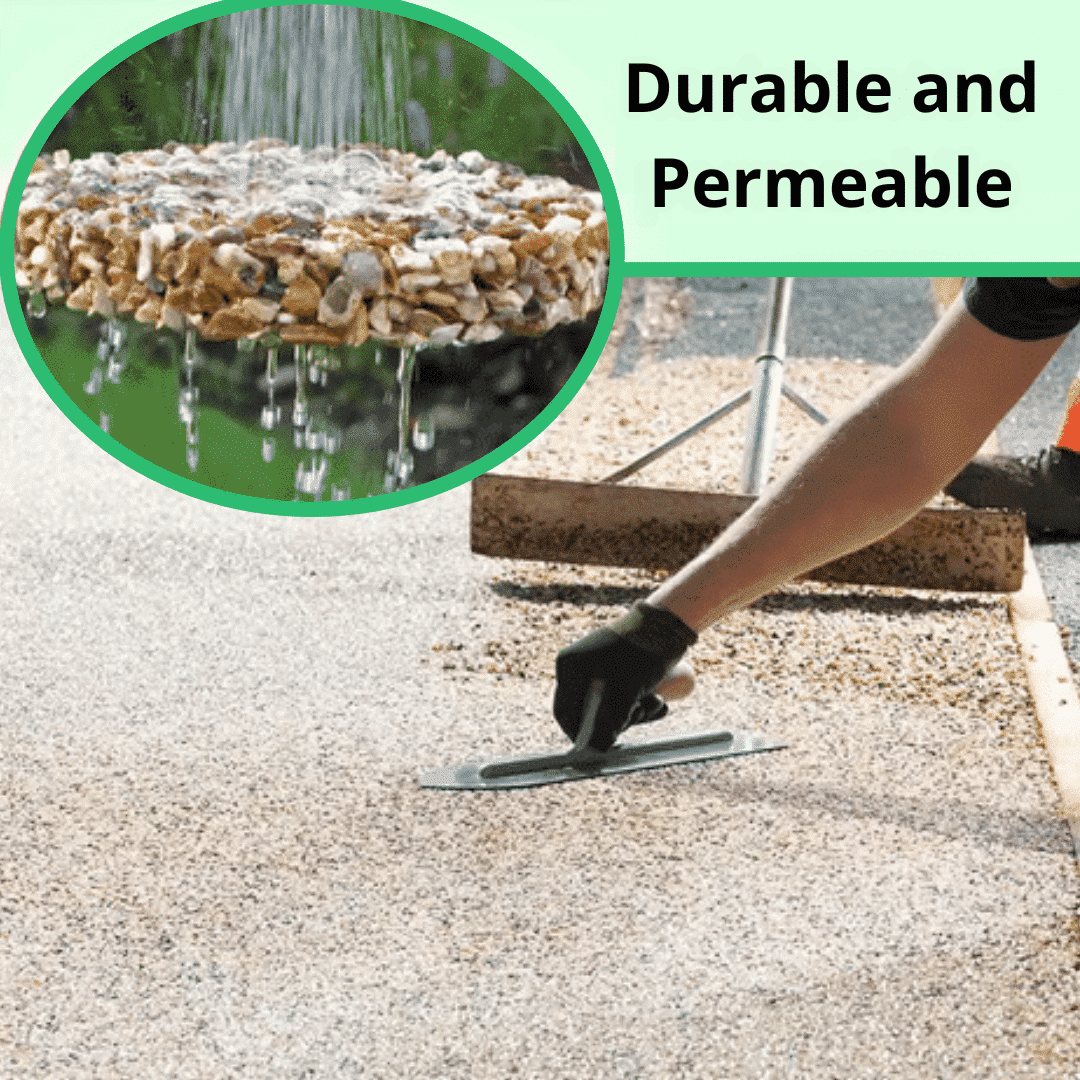
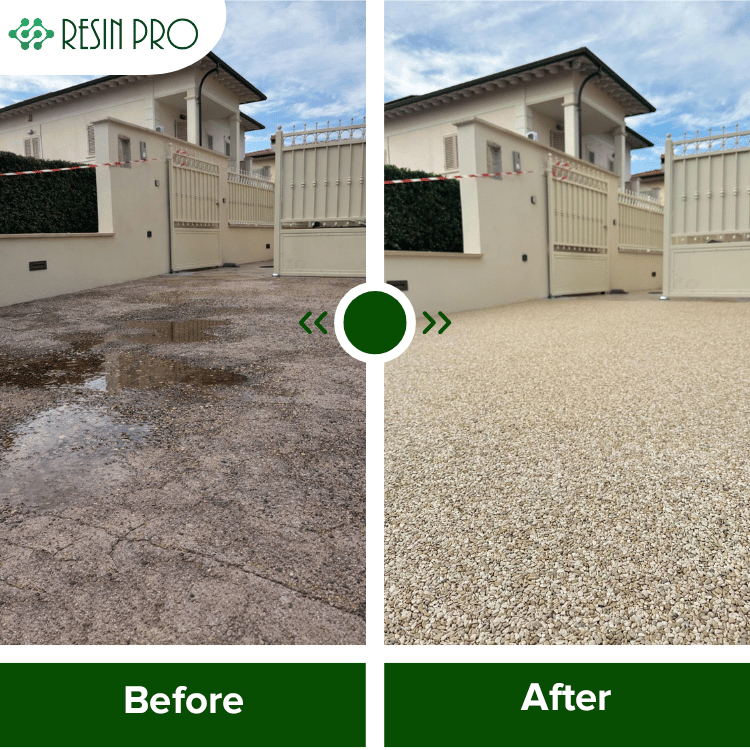
Installing a resin floor requires careful attention to preparation, safety, and application techniques to ensure a long-lasting, attractive finish. This guide provides a step-by-step approach suitable for both novices and experienced DIYers, covering essential preparation, primer application, resin mixing and pouring, and protective finishing. Whether you are updating a garage, workshop, or creating a decorative feature floor, following these instructions will help you achieve professional results without unnecessary complications.
What You’ll Need
- “Epoxyprimer” – Universal Water-Based Two-Component Epoxy Floor Primer: A reliable primer for concrete, timber, tiles, and screeds.
- “Trasparente” – Epoxy Binder for Coloured Pebbles and Grits: Clear, UV-resistant resin for coloured pebble or grit floors.
- “Flowstone” – Complete Permeable Floor Kit with Pebbles and Resin: Complete system for outdoor permeable stone floors (optional for exterior projects).
- “Prolux” – PU coating for tiles, concrete, plastic and metal – suitable for driveable surfaces: Durable protective finish for indoor or high-traffic areas.
- Rollers, brushes and/or spatulas suitable for resin
- Mixing buckets, drill mixer or paddle
- Personal protective equipment (gloves, goggles, mask)
- Masking tape, measuring tools, cleaning rags
- Sandpaper or floor grinder for surface preparation
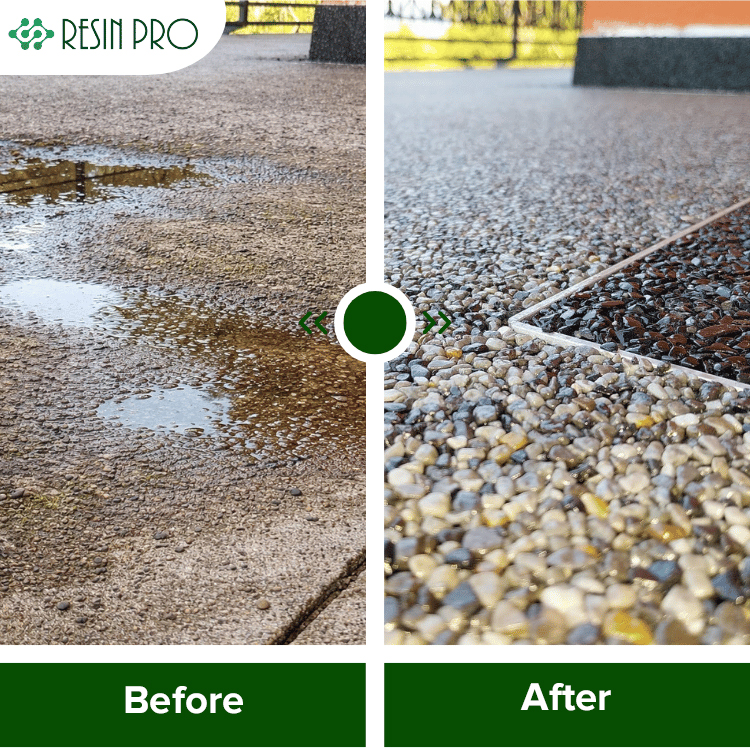
Essential Tools for Resin Floor Projects
Having the right tools and materials ready is crucial for a smooth installation. Ensure you have rollers, mixing paddles, masks, tape, and resin-safe containers before beginning. Lay out all products and equipment to minimise disruptions during each stage of application.
Step 1: Prepare the Surface
Proper preparation is key to a lasting resin floor. Remove old coatings, dirt, oils, and any loose material. Repair pits or cracks with suitable floor fillers and ensure the substrate is dry, stable, and level. For concrete or screed, check for moisture content—excessive dampness can cause adhesion issues. Sand or grind the surface for best results, and vacuum thoroughly to remove dust.
Clean and prepare the substrate thoroughly for maximum adhesion. Tape adjacent walls or features to avoid splashes and provide neat edges.
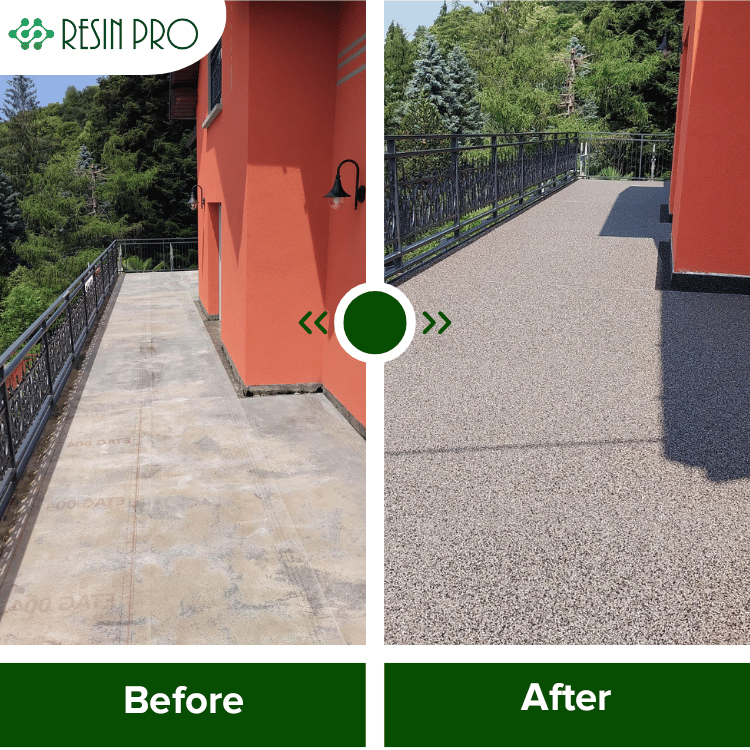
Step 2: Apply the Primer
Once the floor is clean and dry, it’s essential to prime the surface to prevent bubble formation and to enhance the bond between substrate and resin. Use a roller or brush to apply an even layer of “Epoxyprimer” – Universal Water-Based Two-Component Epoxy Floor Primer. Follow the recommended mixing ratio (typically 100:40) and stir the two components thoroughly before use.
Allow the primer to cure completely—refer to the product instructions, but generally, this will take 24–48 hours at room temperature. Allow each layer to cure fully before proceeding to avoid delamination or tacky areas in the finished floor.
Step 3: Mix and Apply the Resin Layer
After priming, you are ready to create your main resin finish. Prepare the resin according to the chosen system’s guidelines. For decorative and permeable floors with colourful aggregates, mix pebbles or grits thoroughly with the selected resin system, such as “Trasparente” – Epoxy Binder for Coloured Pebbles and Grits for coloured stone projects, or use the “Flowstone” – Complete Permeable Floor Kit with Pebbles and Resin for convenient kit installation outdoors.
Accurately weigh and mix the resin and hardener with a drill mixer for even consistency—mix resin components accurately to avoid incomplete curing. Pour the mixed resin or pebble blend onto the floor and spread with a trowel or roller, working methodically to avoid overlapping marks. Take care to maintain a consistent thickness throughout.
Step 4: Finish and Protect the Floor
After your resin (or pebble-resin mixture) has been laid, allow it to cure according to product instructions. A final protective layer, like “Prolux” – PU coating for tiles, concrete, plastic and metal – suitable for driveable surfaces, can be applied for added durability, especially in garages, commercial spaces, or external applications. This layer enhances resistance to abrasion, UV, and chemicals.
Before opening the area to foot or vehicle traffic, check that full curing has occurred. Remove masking tape while the coating is still slightly tacky for the cleanest lines.

Tips and Common Mistakes
For a successful outcome, wear appropriate personal protective equipment and maintain proper ventilation throughout application. Never rush between layers—patience with curing times prevents imperfections and ensures a robust surface. Work in moderate temperatures and avoid days of high humidity or chill, as these can impede curing and cause surface clouding. Double-check proportions when mixing components, as mistakes here can result in uneven finish or curing problems.
Professional Finishing Touches
Attention to final details elevates the finished result. Carefully remove masking before complete hardening, inspect for thin spots, and repair as needed before full set. A methodical, tidy approach ensures your resin floor looks and lasts as intended.
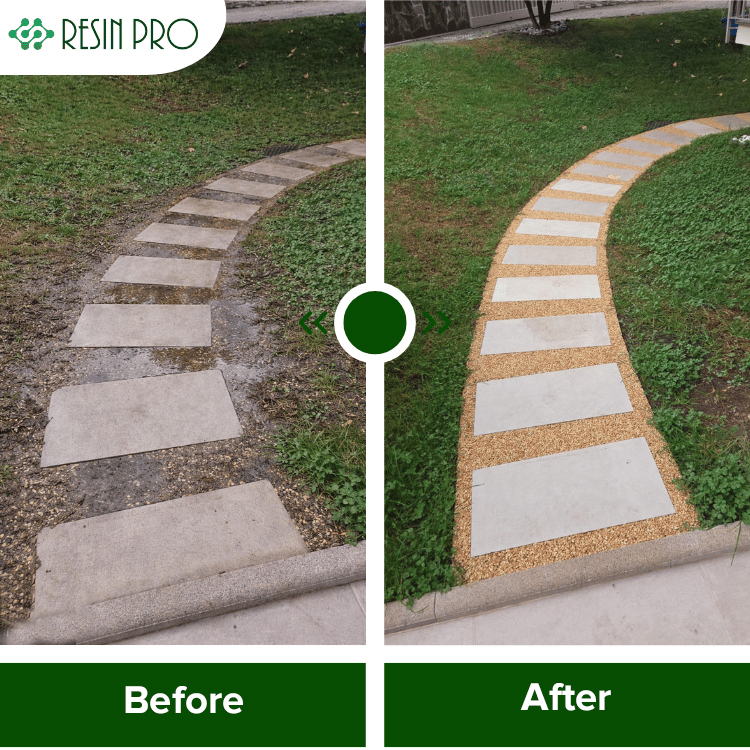
- "Flowstone" – Complete Permeable Floor Kit with Pebbles and ResinPrice range: £49.95 through £3,915.45The Flowstone kit provides durable and permeable pebble and resin flooring suitable for outdoor UK environments with guidance for correct resin use.
 "Trasparente" – Epoxy Binder for Coloured Pebbles and GritsPrice range: £33.45 through £397.95"Trasparente" is a transparent epoxy binder designed for coloured pebbles and grits, suitable for decorative and durable flooring projects.
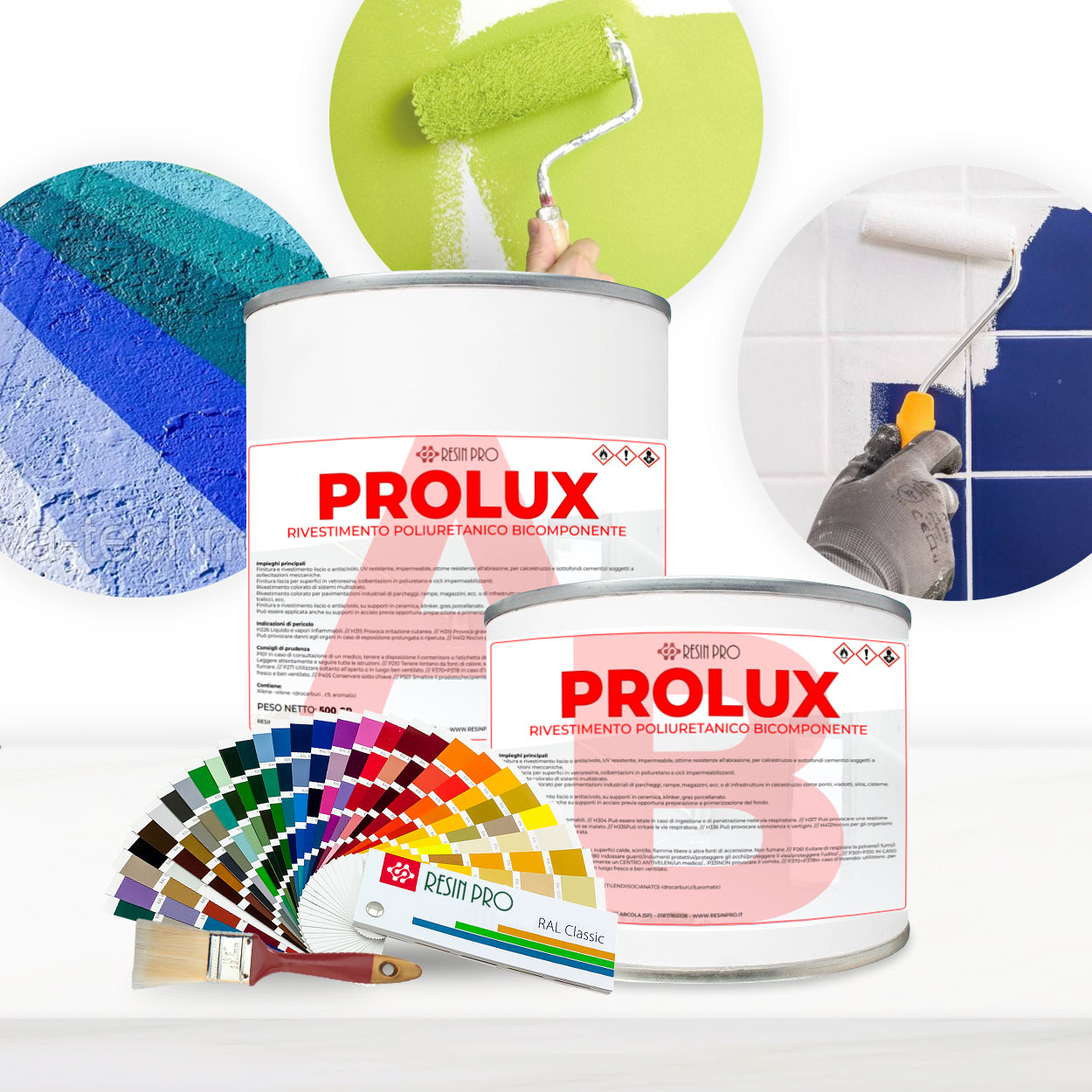 "Prolux" – PU coating for tiles, concrete, plastic and metal – suitable for driveable surfacesPrice range: £44.85 through £494.85"Prolux" provides a versatile polyurethane finish suitable for multiple surfaces, commonly used in floor and high-traffic area applications.
 "Epoxyprimer" – Universal Water-Based Two-Component Epoxy Floor PrimerPrice range: £156.45 through £286.45Epoxyprimer is a water-based epoxy floor primer designed for durable adhesion on various stable substrates.
Frequently Asked Questions
How should I prepare my floor for resin application?
Surfaces should be thoroughly cleaned, dried, and repaired. Remove old paint, oil or debris and ensure a level, stable substrate before priming.
How long do I wait between layers?
Curing times vary by product but usually range from 24 to 48 hours. Ensure the layer is dry to the touch with no tackiness before proceeding.
Should I use epoxy or polyurethane for my floor?
Epoxy offers strong adhesion and durability, while polyurethane provides extra resistance to abrasion, UV, and chemicals for heavy-duty or outdoor use.
How do I avoid bubbles in my resin floor?
Apply a proper primer, use a slow mixing method, and work in a dust-free area to minimise bubble formation. Allow time for bubbles to escape after pouring.
Which resin is best for pebble floors?
A clear, UV-resistant epoxy like "Trasparente" is ideal for coloured pebble floors. Use kits like "Flowstone" for outdoor permeable applications.
How do I maintain my finished resin floor?
Sweep regularly and clean with a non-abrasive mop. Address spills promptly and avoid harsh chemical cleaners for longevity of your resin finish.