 Free shipping on orders over £29,85
  Shipping Tracking!


 Google
 Facebook
How is floor resin made?
A breakdown of key resin types for modern flooring
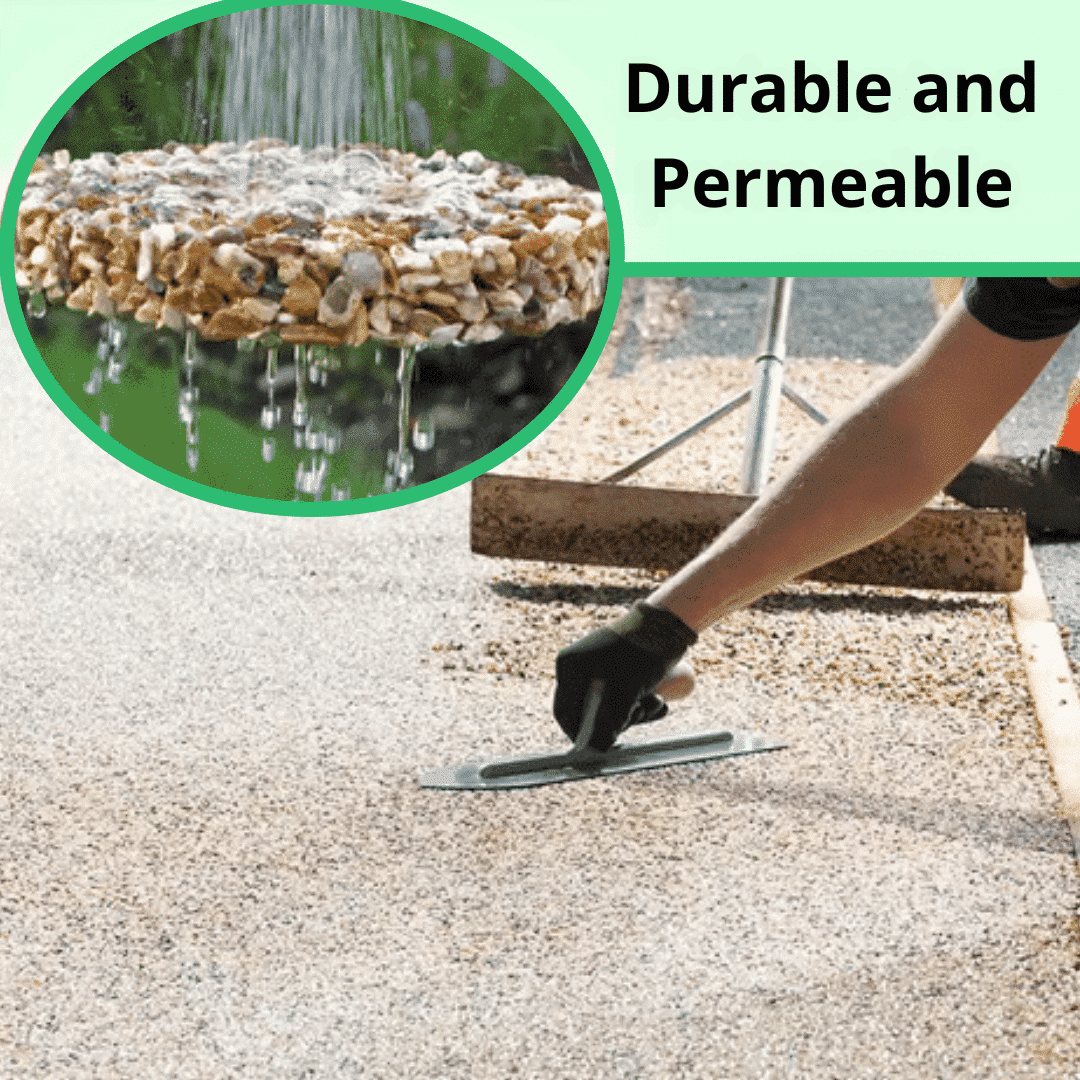
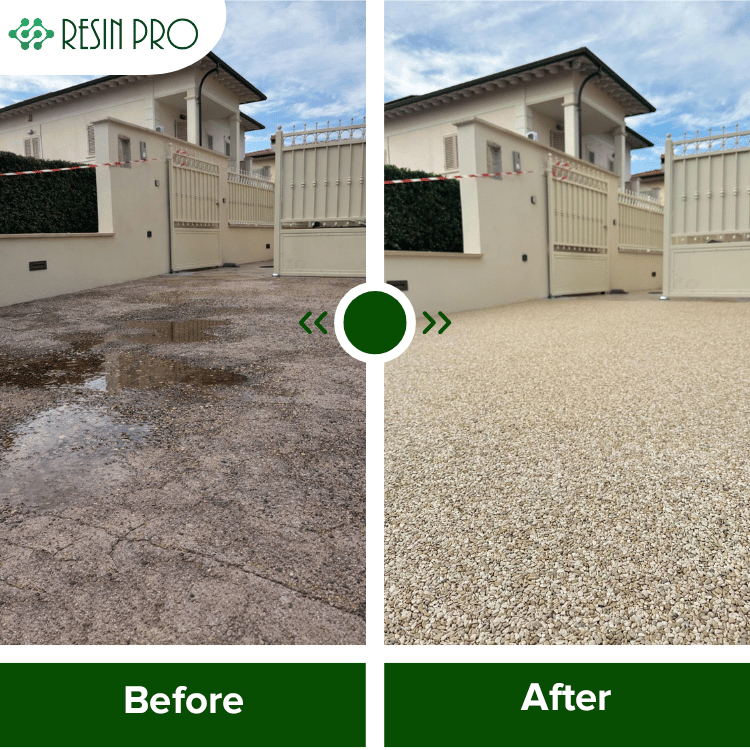
Understanding how floor resin is made helps you choose the right system for your flooring project—whether you’re resurfacing a driveway, creating a permeable patio, or sealing concrete. This guide explains the materials, formulations, and characteristics that define modern epoxy, polyurethane and methacrylic resin flooring, including which properties matter for real-world use in the UK.
Comparing Types of Floor Resin
Floor resins are engineered blends designed to bind, seal and protect surfaces. The differences between epoxy, polyurethane and methacrylic resins primarily revolve around chemical make-up, curing properties, UV stability, mechanical strength, and the materials with which they are combined—like pebbles or aggregates. Epoxy resins offer exceptional clarity, adhesion and chemical resistance, making them ideal for decorative and coloured pebble floors. Polyurethane binders are prized for elasticity and non-yellowing qualities, especially when used with light-coloured aggregates. Methacrylics excel at sealing and reinforcing concrete thanks to their deep-penetration and superior durability, especially in high-traffic areas. Primers, often water-based epoxy blends, play a critical preparatory role by improving adhesion and ensuring long-term performance of the final resin surface.
What Goes Into a Modern Floor Resin?
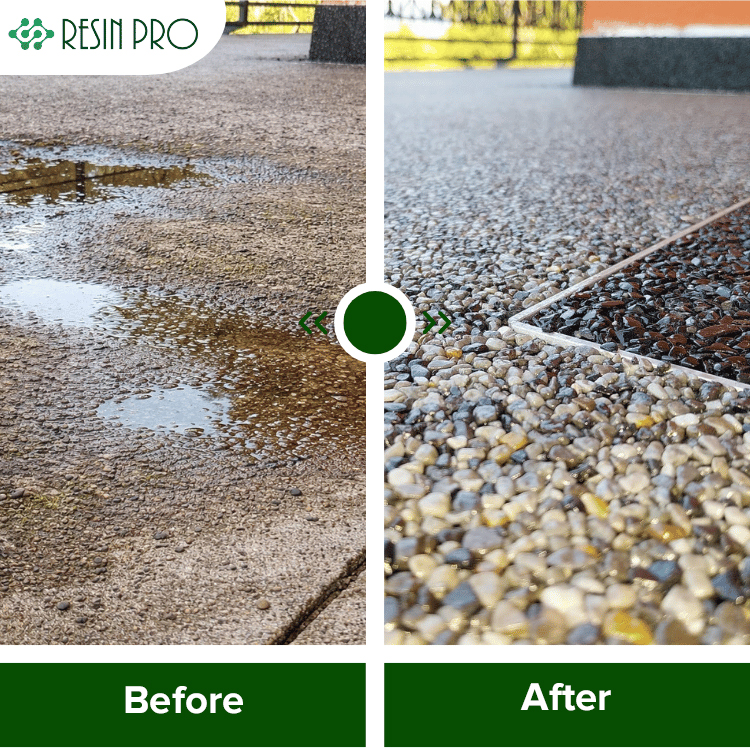
Resin floors are created through the synthesis of resins (such as epoxy, polyurethane or methacrylics), hardeners, additives (for UV stability or flow), and aggregate materials. Careful formulation ensures the resulting surface meets specifications for strength, appearance, and permeability according to the intended use—whether as a permeable driveway, sealed concrete, or decorative finish.
“Flowstone” – Complete Permeable Floor Kit with Pebbles and Resin
If you want a permeable and decorative surface that withstands the British climate, “Flowstone” – Complete Permeable Floor Kit with Pebbles and Resin is an all-in-one system for driveways, footpaths and patios. It features a detailed resin selection guide: choose non-yellowing polyurethane for white stones, or low-yellowing epoxy for coloured aggregates—ensuring lasting appearance and structural strength. This kit includes an optimal blend of stones, resin and instructions, delivering a cost-effective solution with a customisable finish. Surfaces remain highly permeable, so rainwater drains naturally through the floor.
“Resinstone” – One-Component Methacrylic Resin for Concrete Floors
For concrete floors, the “Resinstone” – One-Component Methacrylic Resin for Concrete Floors and Driveways is a dedicated sealer and protector. This single-component formula penetrates deeply into concrete’s pores, making it moisture-resistant, UV-stable, and robust against daily wear as found in garages, garden paths and driveways. Its quick-dry chemistry and internal flexibility help resist cracking, while keeping surfaces breathable to avoid moisture build-up beneath the coating.
“Trasparente” – Epoxy Binder for Coloured Pebbles and Grits
If your focus is on vibrant, coloured aggregate floors, “Trasparente” – Epoxy Binder for Coloured Pebbles and Grits delivers a crystal-clear, UV-resistant finish that maintains sharp colour for years. This two-part epoxy binder mixes easily with warm or dark pebbles, ensuring even impregnation due to its low viscosity. It cures to a tough, non-toxic surface—suitable for both professionals and DIYers aiming for a durable, decorative result. Not suitable for thick castings or loose gravel without proper mixing.
“Epoxyprimer” – Universal Water-Based Two-Component Epoxy Floor Primer
Before applying most resin floors, priming is crucial for optimal bond and durability. The “Epoxyprimer” – Universal Water-Based Two-Component Epoxy Floor Primer is designed for use on concrete, timber, ceramic, screed, and tile bases. Its eco-friendly, odourless composition makes it ideal for indoor or confined spaces. As a water-based system, it deeply penetrates the substrate, evens out porosity and maximises resin-to-surface adhesion—laying the groundwork for superior, lasting floors.
Key Factors in Choosing Floor Resin Systems
When selecting a floor resin, consider your substrate—concrete, aggregate, wood, or tile—as well as exposure to weather, water, UV and traffic loads. For permeable or decorative finishes, epoxy and polyurethane binders paired with carefully selected aggregates provide low-maintenance, visually appealing results. For sealing and reinforcing concrete, methacrylics offer excellent penetration and resilience. Always include a compatible primer for best adhesion and longevity. Matching the right resin chemistry to your project ensures long-lasting performance and safety underfoot in driveways, paths or indoor areas.
Resin Use Cases: Which is Right for You?
Epoxy binders are valued for clarity and toughness in decorative floors and pebble applications. Methacrylic resins excel as concrete sealers for garages and outdoor paths, while polyurethane options are best for white or light-coloured aggregate mixes exposed to sunlight. The right match ensures both aesthetics and performance.
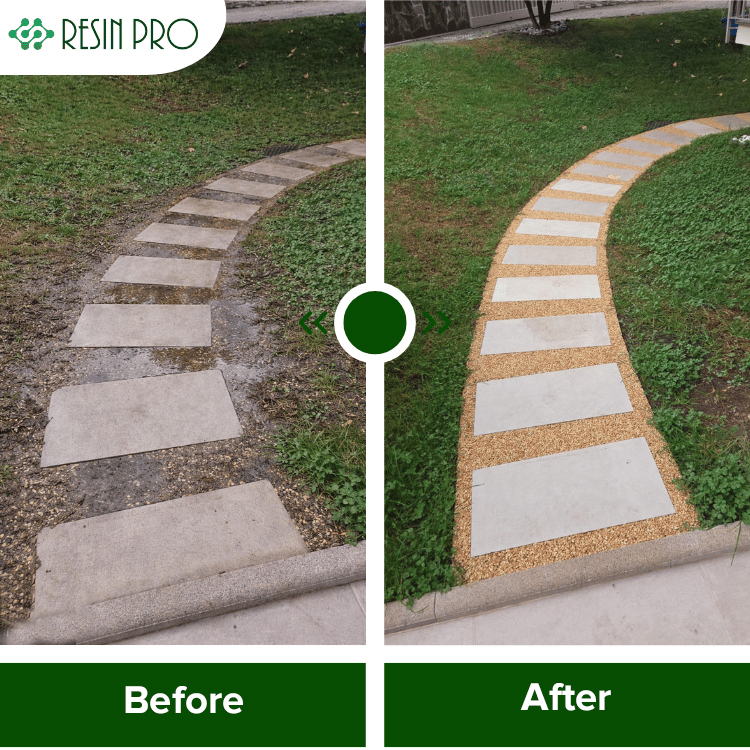
- "Flowstone" – Complete Permeable Floor Kit with Pebbles and ResinPrice range: £49.95 through £3,915.45A draining pebble and resin floor kit designed for outdoor use with detailed resin guidance for lasting colour and easy application.
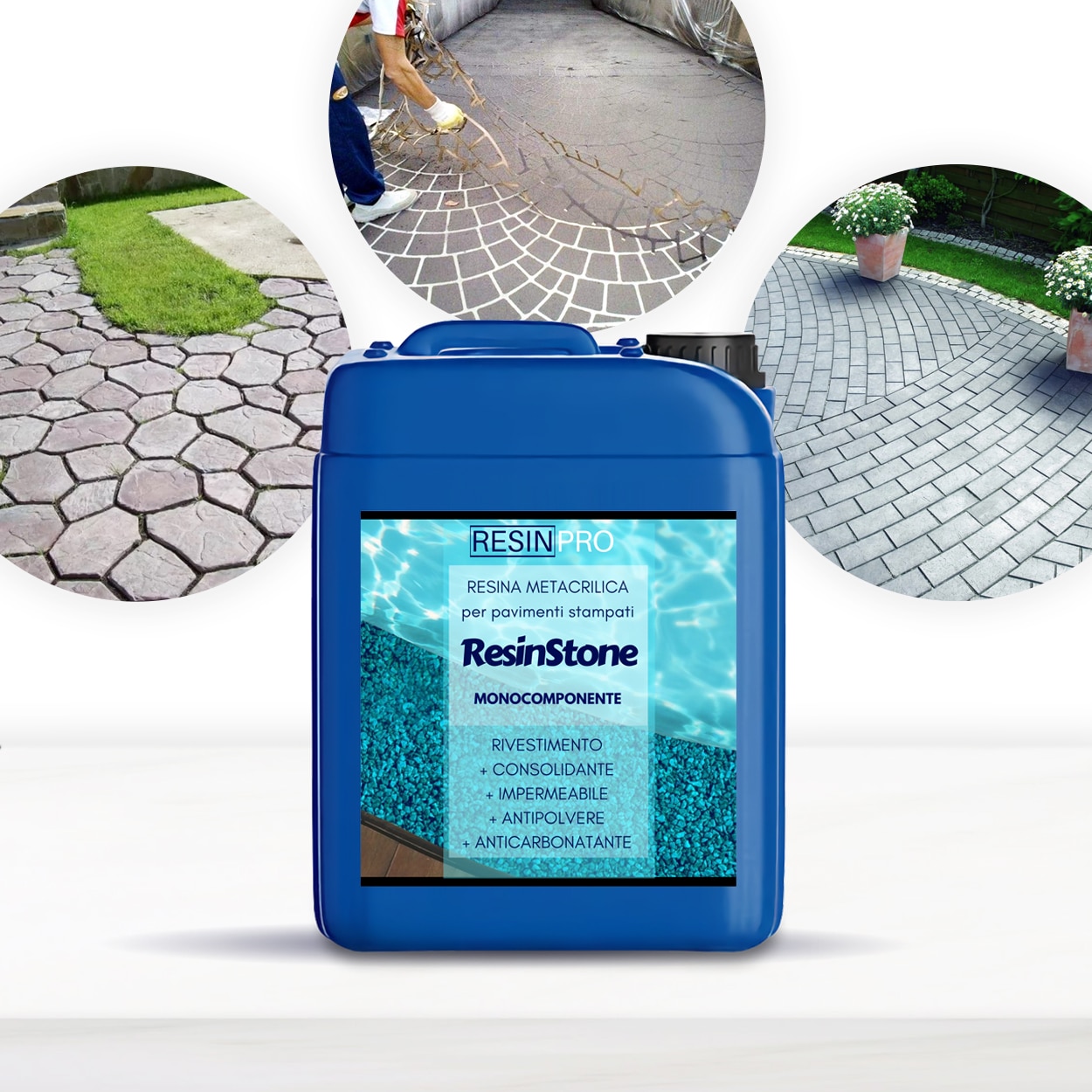 "Resinstone" – One-Component Methacrylic Resin for Concrete Floors and DrivewaysPrice range: £36.71 through £336.48RESINSTONE is a one-component methacrylic resin designed for sealing and protection of concrete floors and driveways.
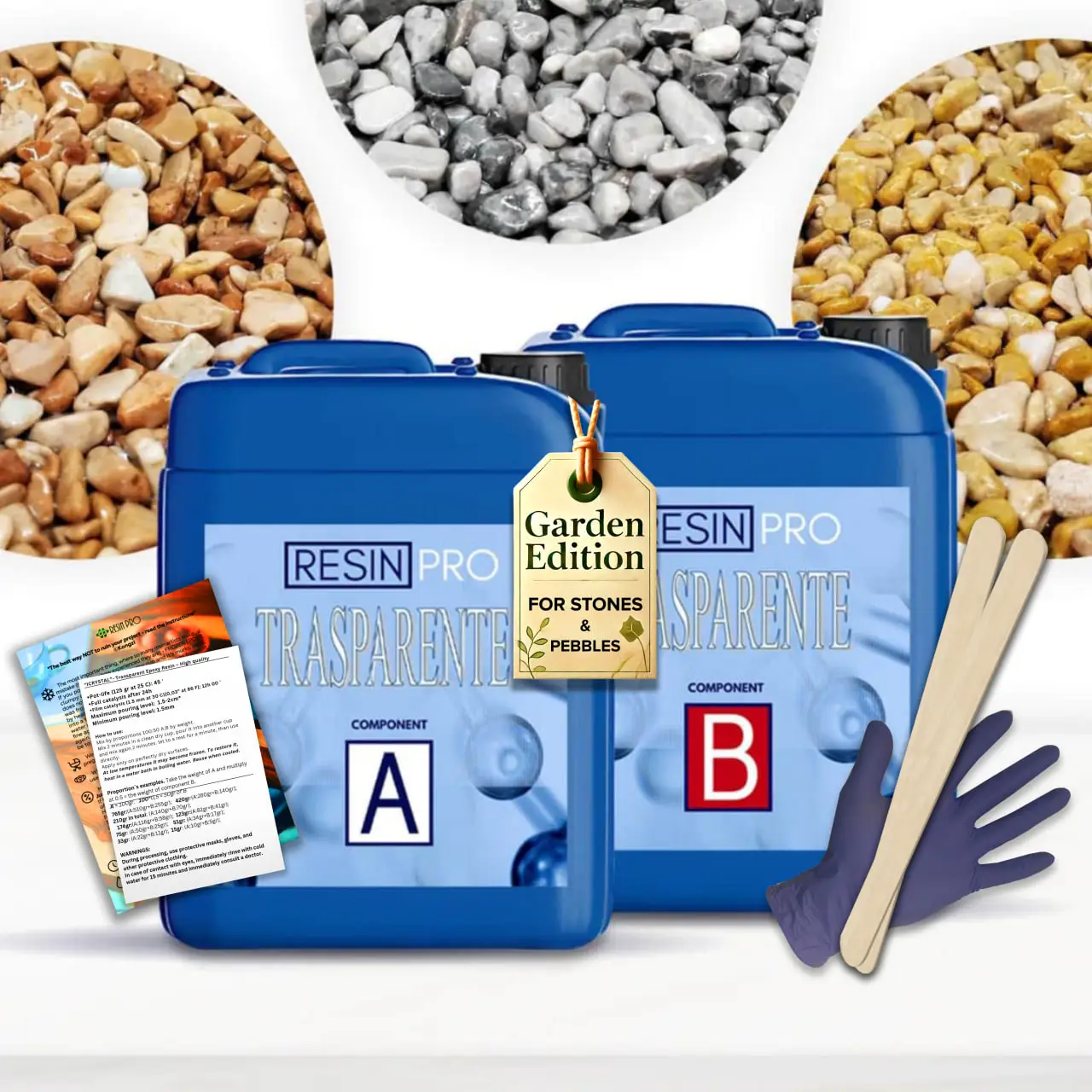 "Trasparente" – Epoxy Binder for Coloured Pebbles and GritsPrice range: £33.45 through £397.95Transparent epoxy binder designed for coloured pebbles and grits with UV stability and a clear, bubble-free finish.
 "Epoxyprimer" – Universal Water-Based Two-Component Epoxy Floor PrimerPrice range: £156.45 through £286.45Epoxyprimer is a water-based epoxy floor primer designed for durable adhesion on concrete, wood, tiles and screeds.
Frequently Asked Questions
What types of resin do you offer for flooring?
Epoxy, polyurethane, and methacrylic resins are offered—each suited to specific flooring needs and surface types.
Are specific weather conditions required for resin application?
Application requires moderate temperatures and low humidity for proper curing and optimal adhesion.
What is a permeable floor?
A permeable floor allows water to pass through to the ground, reducing puddles and helping prevent flooding.
Can I install a permeable floor myself?
Yes, installation is straightforward for most users; a cement mixer is recommended for larger surfaces.
Are permeable floors suitable for high-traffic areas?
They are suitable for paths and driveways if the correct resin and installation method is chosen.
Can RESINSTONE be used as a gravel binder for an existing loose gravel surface?
RESINSTONE is for absorbent substrates like concrete—not suitable for use as a gravel binder.
What is the purpose of an epoxy floor primer?
Epoxy primers enhance adhesion between floors and top resin layers, helping prevent peeling or lifting.
Can primers be used indoors safely?
Water-based epoxy primers are odourless and low in fumes, making them suitable for most indoor applications.