 Free shipping on orders over £29,85
  Shipping Tracking!


 Google
 Facebook
How to Use Resins on Floors?
Step-by-step guide for durable and attractive floor resins
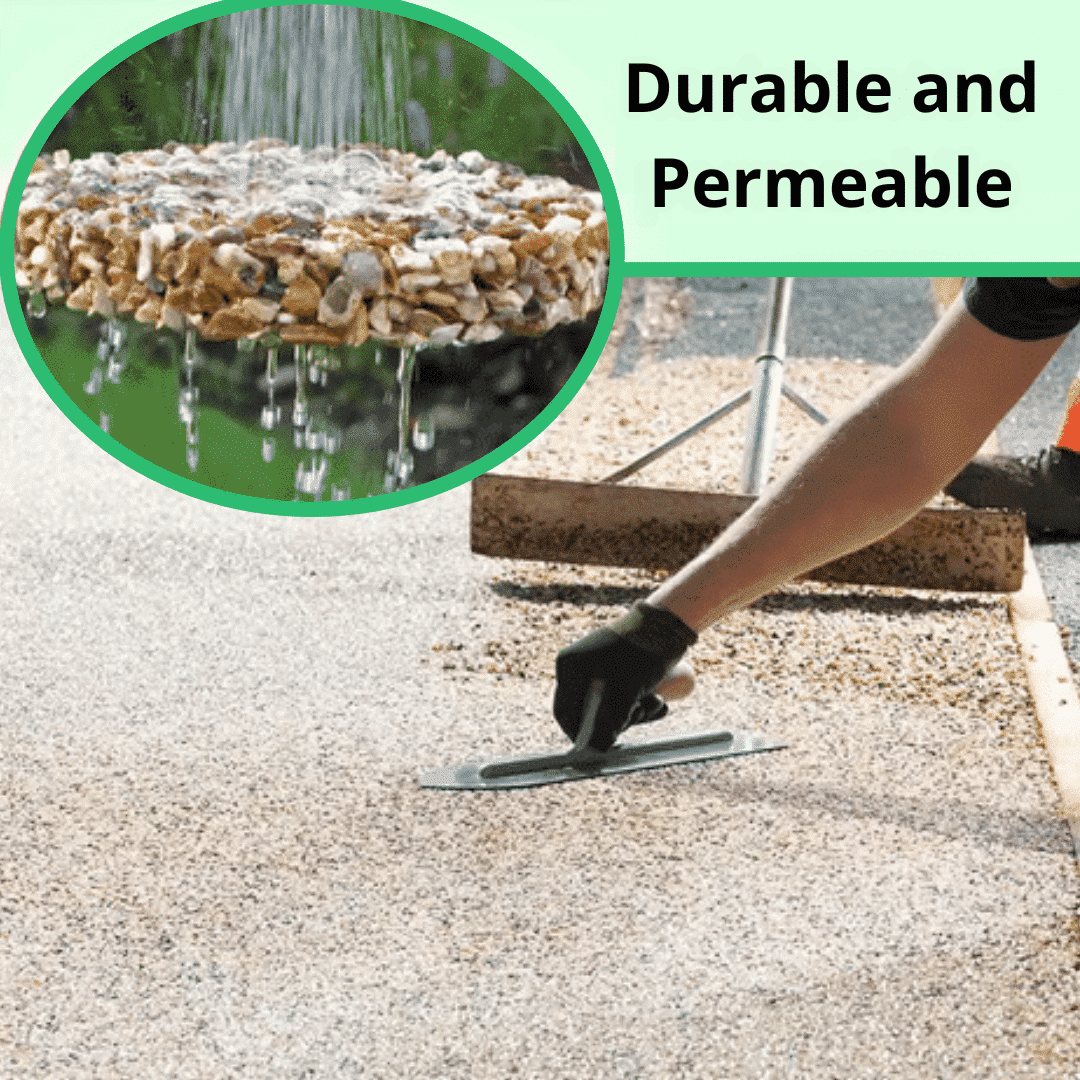
Resin flooring transforms concrete, timber, and outdoor surfaces into robust, waterproof, and decorative finishes. Whether you want to protect a garage, refresh a patio, or create a custom pebble path, learning the right resin techniques is essential for a professional, lasting result. This guide explains, step by step, how to prepare, prime, and apply resins to residential and outdoor floors.
What You’ll Need
- “Epoxyprimer” – Universal Water-Based Two-Component Epoxy Floor Primer – For preparing concrete, screed, tile, or timber substrates before resin application.
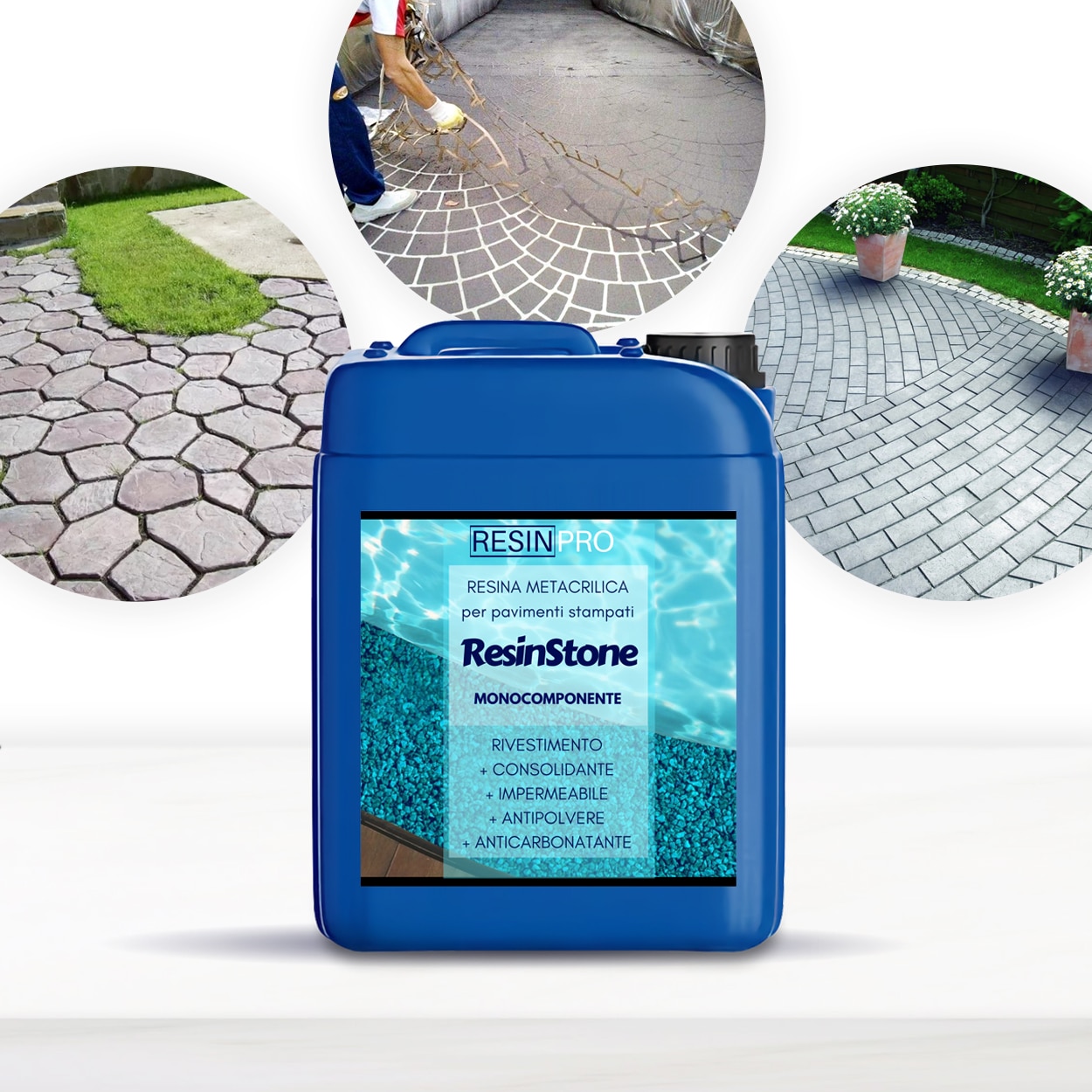
- “Resinstone” – One-Component Methacrylic Resin for Concrete Floors and Driveways – Suitable for sealing and protecting concrete floors and driveways.
- “Trasparente” – Epoxy Binder for Coloured Pebbles and Grits – Perfect for binding coloured aggregates on permeable or decorative resin floors.
- “Flowstone” – Complete Permeable Floor Kit with Pebbles and Resin – All-in-one solution for creating permeable pebble flooring outdoors.

Visual Examples: Resin Floors in Progress
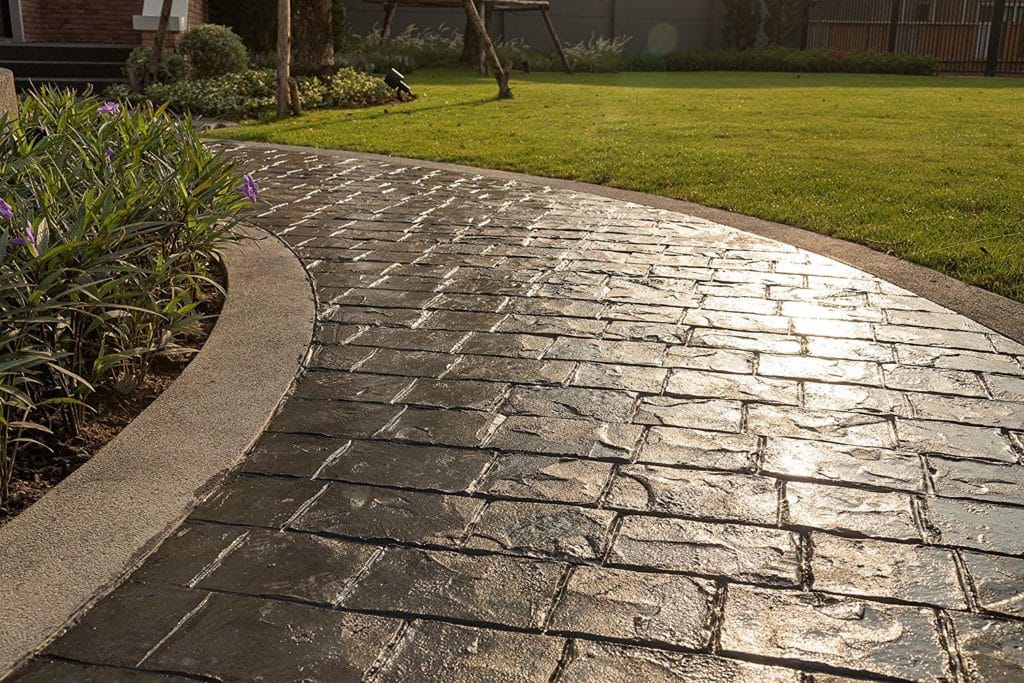
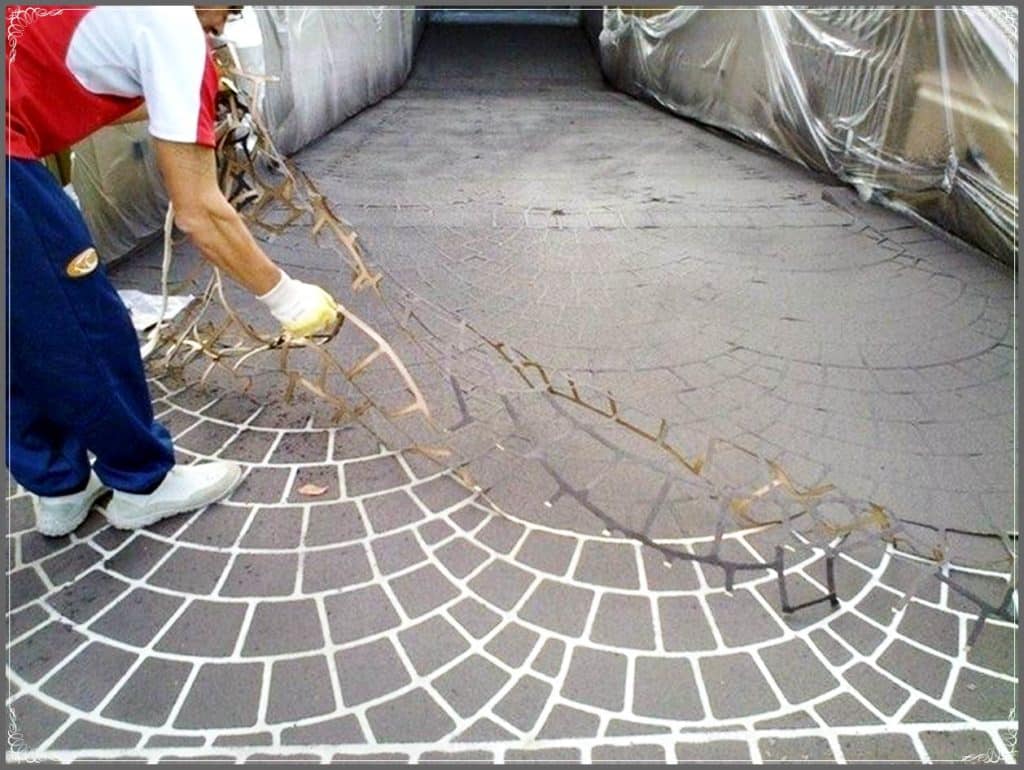
See real-life applications of resins on concrete, wood, and pebble surfaces from substrate preparation to final finish. Notice the transformative effect resin brings to garage, patio, and driveway floors.
Step 1: Prepare the Floor Surface
Start with a thorough clean. Use a vacuum or broom to remove loose dust and debris. For old or soiled floors, a degreaser or mild detergent will lift oils and staining. Allow the surface to dry thoroughly – moisture trapped underneath can compromise adhesion and finish.
Ensure the floor surface is free of dust, grease, oils, and debris for optimal resin adhesion. If your floor is uneven or pitted, fill cracks with suitable filler before continuing.
Repairing damaged areas or filling deeper holes ensures the finished resin floor lies flat and lasts longer. Take time checking that no surface water or condensation remains, especially before outdoor applications.
Step 2: Prime the Substrate
Applying a primer is vital for a reliable and durable finish. On concrete, screed, tiles, or timber, use a compatible, dedicated primer to enhance resin bond and prevent air bubbles or delamination after curing.
“Epoxyprimer” – Universal Water-Based Two-Component Epoxy Floor Primer is ideal for maximising bond on concrete, ceramic, wood, or screed. Mix per instructions and apply with a roller, brush, or spatula. Allow sufficient drying time (24–48 hours) before proceeding.
Primer application is essential for strong bonding and increased durability. Take care to prime the whole area, not missing edges or corners.
Step 3: Mix and Apply the Resin System
Select a resin tailored to your floor’s needs—methacrylic for sealing concrete, or specific binders for pebbles and decorative effects. Combine resin and hardener in the correct proportions, mixing slowly to minimise bubbles.
For DIY or professional sealing of concrete, “Resinstone” – One-Component Methacrylic Resin for Concrete Floors and Driveways offers deep penetration, fast drying, and weather resistance. For decorative pebble floors, blend aggregate with “Trasparente” – Epoxy Binder for Coloured Pebbles and Grits to encapsulate and stabilise the stones before spreading.
Always mix resin and hardener thoroughly to guarantee a bubble-free, even finish. Incorrect mixing can lead to incomplete curing or patchy appearance.
Step 4: Laying and Finishing the Resin Floor
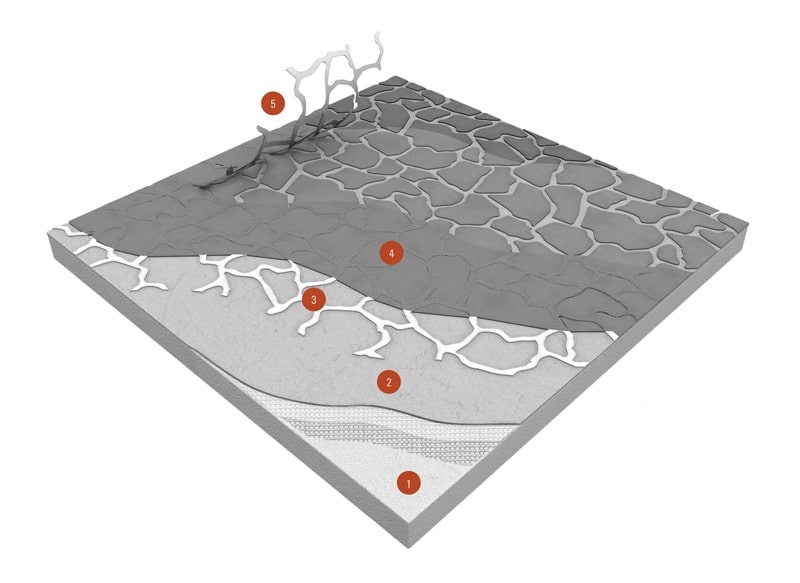
Pour or spread the mixed resin (or resin and pebble mixture) evenly across the prepared area. Use a notched trowel or spatula for self-levelling, or a roller for uniform coverage. Work methodically from one edge to the other, ensuring no pools or dry patches remain.
If you’re creating a permeable gravel floor for driveways or patios, consider the “Flowstone” – Complete Permeable Floor Kit with Pebbles and Resin for comprehensive instructions and pre-measured materials.
Apply the resin system smoothly and evenly with rollers, spatulas, or trowels. Keep the workspace well-ventilated and monitor for dust until touch dry.
Tips and Common Mistakes
Maintain the correct temperature and humidity for best resin curing results. Application in extreme cold, heat, or dampness can impair curing and finish quality. Always use gloves and eye protection, avoiding skin and eye contact during mixing and spreading.
For decorative or permeable floors, accurately measure resin to aggregate ratios to avoid excess stickiness or weak binding. Work quickly but methodically, since most resins set rapidly once mixed.
If bubbles appear, use a spiked roller gently while the resin is wet. Prevent walking on the surface until fully cured to preserve a flawless finish. Pay extra care to edgework and joints where durability is most critical.
Detailed Floor Finish and Maintenance Gallery
Explore finished resin-coated floors and permeable pebble systems, highlighting durable, weatherproof results. Spot expert tips on maintenance and methods for keeping your resin floor looking new year after year.
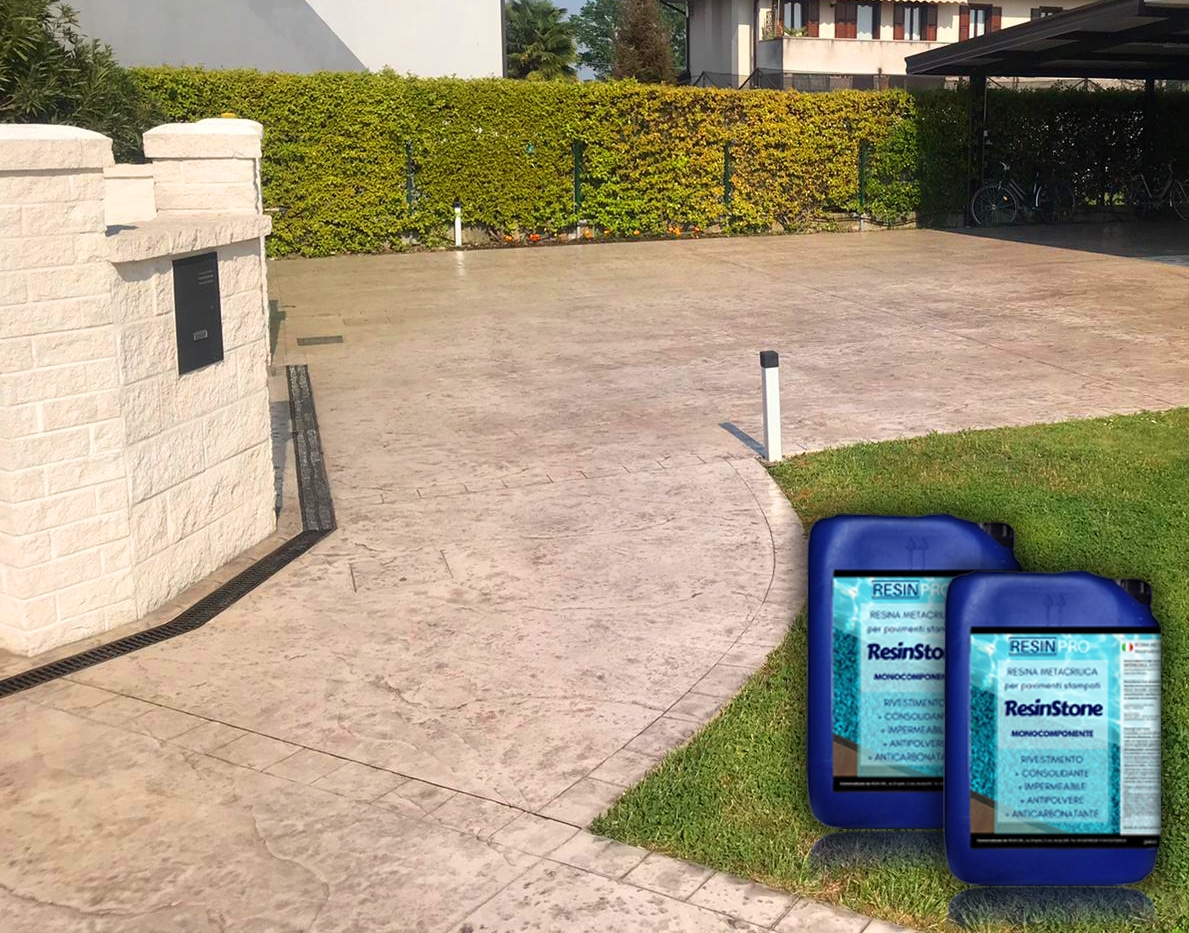
- "Resinstone" – One-Component Methacrylic Resin for Concrete Floors and DrivewaysPrice range: £36.71 through £336.48One-component methacrylic resin designed for sealing and protecting concrete floors with durable resistance and fast drying.
- "Flowstone" – Complete Permeable Floor Kit with Pebbles and ResinPrice range: £49.95 through £3,915.45This Flowstone kit provides a permeable, durable pebble and resin floor for outdoor UK spaces with guidance for resin suitable to aggregate colours.
 "Trasparente" – Epoxy Binder for Coloured Pebbles and GritsPrice range: £33.45 through £397.95"Trasparente" is a transparent epoxy binder designed for coloured pebbles and grits, suitable for flooring projects with a clear, UV-stable finish.
 "Epoxyprimer" – Universal Water-Based Two-Component Epoxy Floor PrimerPrice range: £156.45 through £286.45Epoxyprimer is a water-based two-component epoxy floor primer designed for reliable adhesion and durability on concrete, timber, tiles, and screeds.
Frequently Asked Questions
How long does a resin floor last indoors?
With correct application and care, a resin floor can last 10–20 years in indoor spaces such as garages or workshops.
Can I use resin on timber or tiled floors?
Yes, but always use a suitable primer like Epoxyprimer to ensure proper adhesion on timber, screed, or tiles before applying resin.
Is resin safe for DIY floor projects?
Resin flooring kits are designed for both professionals and DIY use. Follow safety guidelines and wear gloves and goggles during application.
How do I fix resin floor bubbles or blisters?
Use a spiked roller on freshly laid resin or sand and re-coat once cured to repair any affected areas effectively.
What is the minimum cure time for walking on a new resin floor?
Most resin systems can be walked on after 24–48 hours, but check the product instructions for exact timings before use.
Is resin flooring slip-resistant?
Resin floors can be made slip-resistant by adding special aggregates or grit during application, especially in wet or outdoor areas.