 Free shipping on orders over £29,85
  Shipping Tracking!


 Google
 Facebook
← Back to How to cover a loggia with resin?
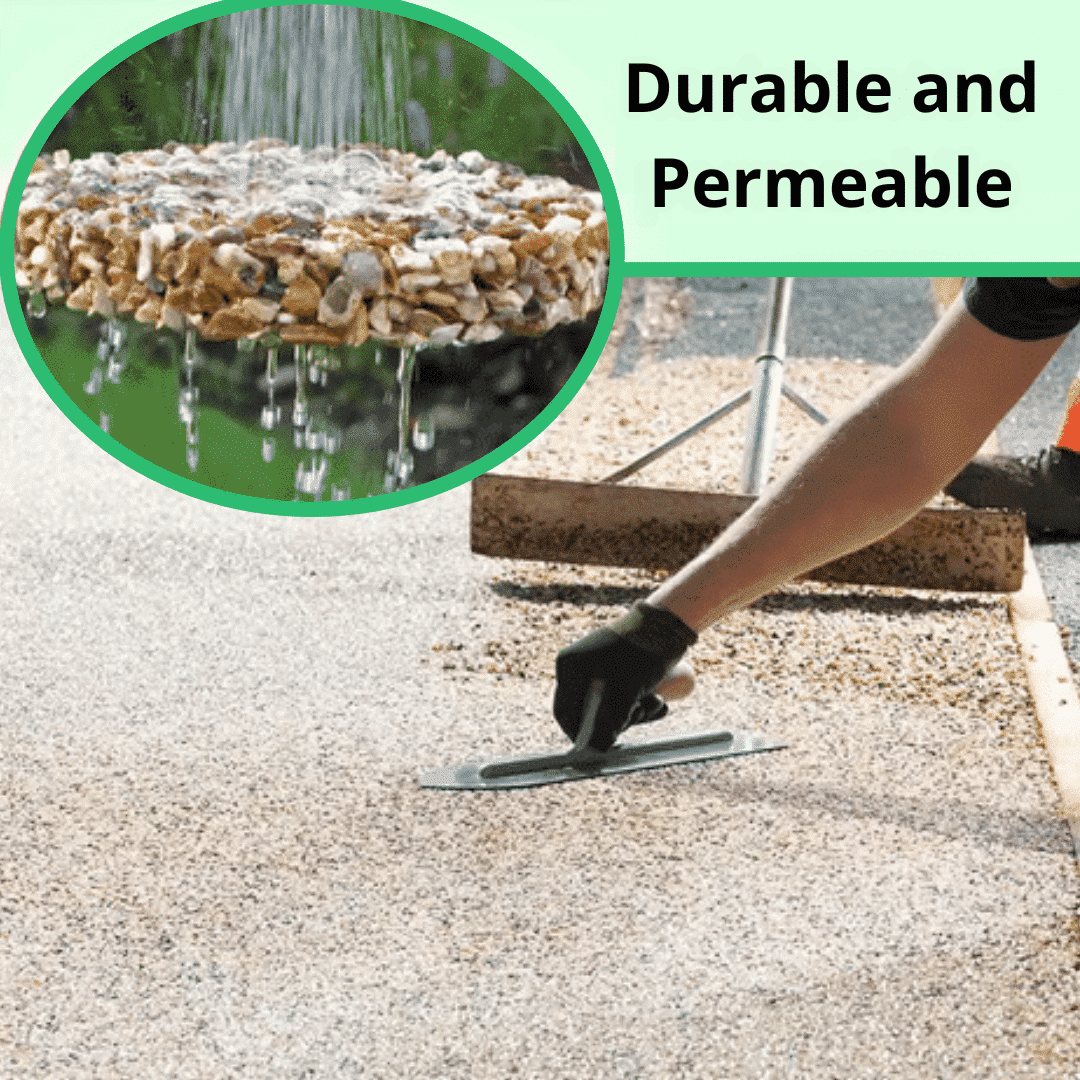
Temperature and humidity can dramatically affect how resin flooring cures and performs on your loggia. Understanding and managing these conditions is essential for achieving a durable, attractive surface.
Why Temperature and Humidity Matter in Resin Application
Resins rely on specific environmental conditions to set and bond properly. Excess humidity can cause clouding, poor adhesion, or surface imperfections, while extreme temperatures—either too hot or too cold—may disrupt the curing process, resulting in a weak or uneven finish. Avoid working in very cold weather, intense heat, or when rain or dew are likely, to ensure the resin reaches its intended strength and clarity.
Best Practices for Outdoor Resin Projects
For a successful loggia transformation, plan the application for mild, dry days. Aim for temperatures typically between 10°C and 25°C, with low atmospheric moisture. Prepare the surface well and have all tools and materials ready before you begin mixing. If you are using a complete solution like the Flowstone permeable floor kit, the included instructions will guide precise timing and handling for outdoor conditions.
When Weather Sensitivity Really Matters
- Open or semi-covered loggias: Exposure to dampness or direct sunlight heightens the importance of correct weather conditions.
- Specialised resin types: Some binders, especially those for white stones or decorative finishes, are more prone to visible flaws if applied under unfavourable weather.
Related products
Related guides
Taking resin sensitivities seriously ensures lasting, attractive results for your loggia. For further advice on preparation and product selection, explore our main guide on how to cover a loggia with resin.