 Free shipping on orders over £29,85
  Shipping Tracking!


 Google
 Facebook
How to cover a loggia with resin?
Step-by-step guide to a durable, attractive loggia floor
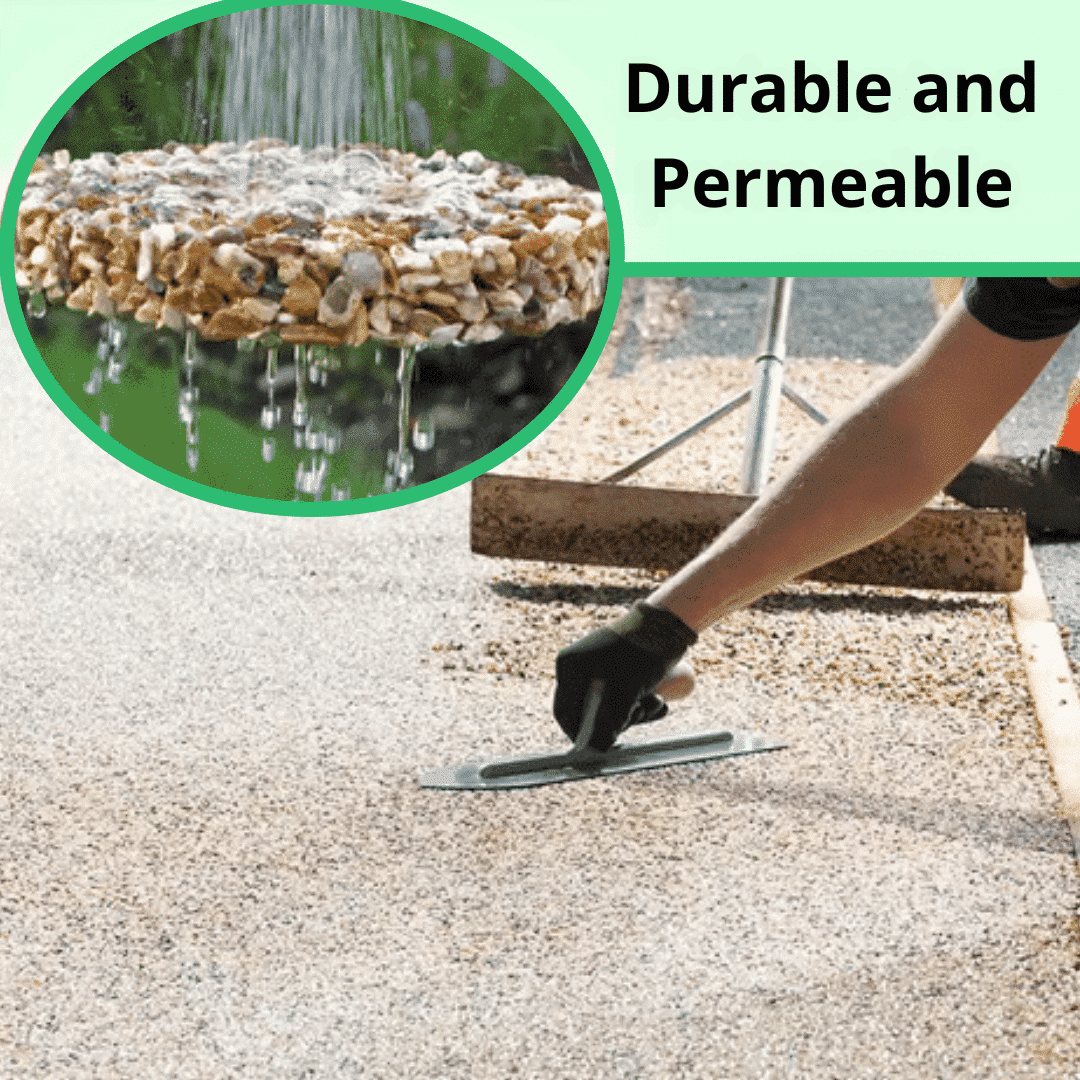
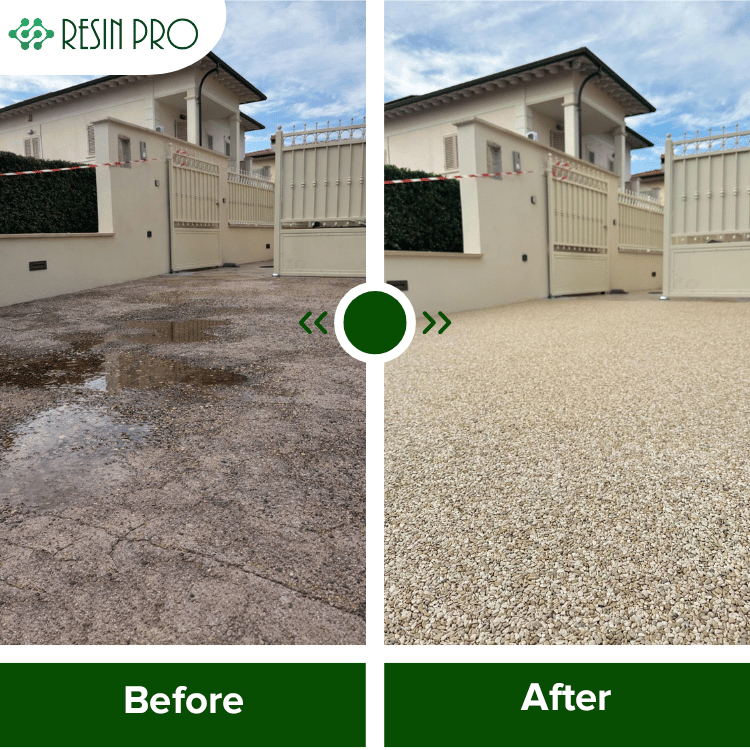
Transforming a loggia into a practical, stylish, and protected outdoor area is simple and effective with resin flooring. Whether you want a decorative pebble look or a robust protective layer for concrete, resin offers exceptional weather resistance, easy cleaning, and long-lasting appeal. This guide walks you through each stage, helping you achieve a professional result while avoiding common pitfalls.
What You’ll Need
- “Flowstone” – Complete Permeable Floor Kit with Pebbles and Resin: For a turnkey solution combining resin and pebbles for a natural finish.
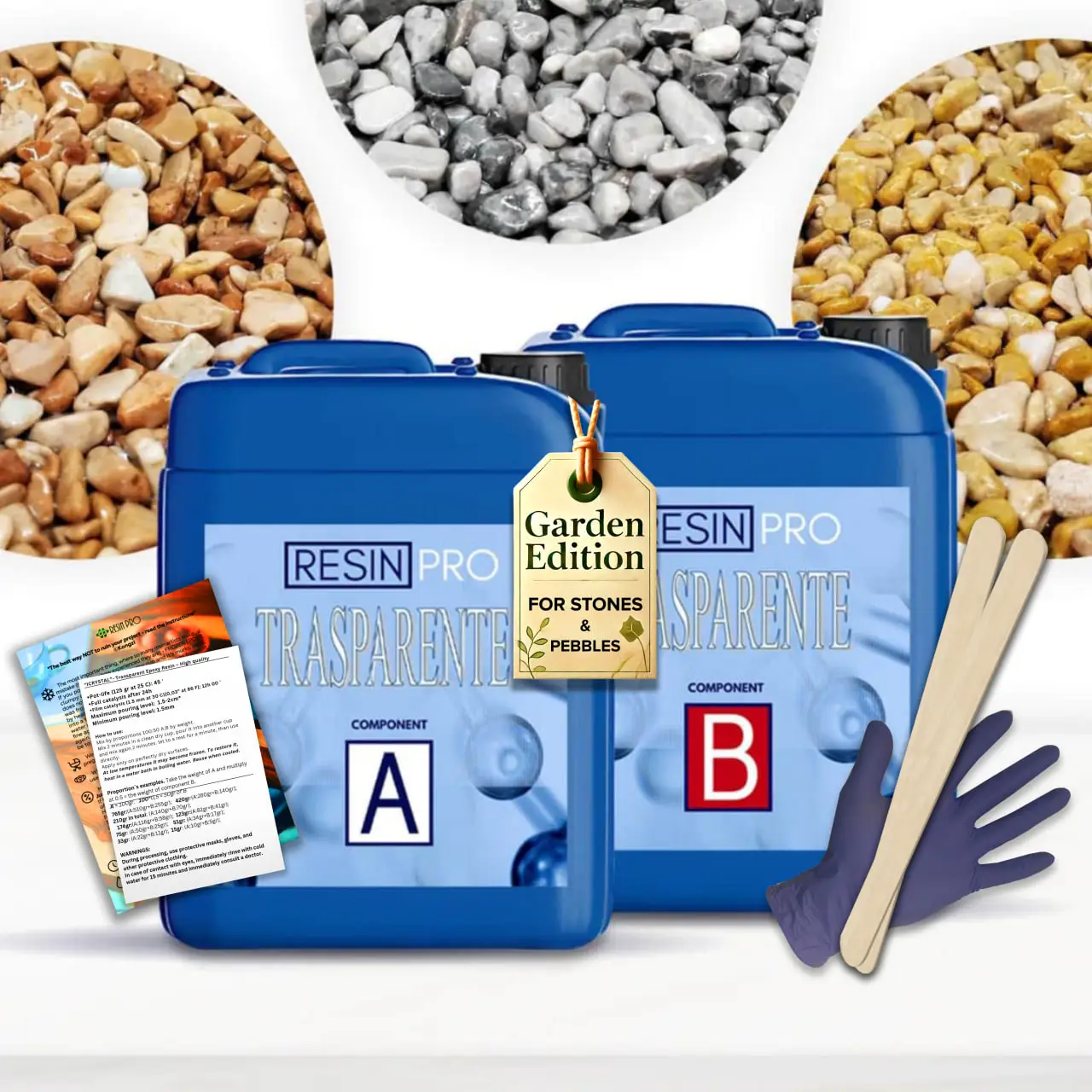
- “Trasparente” – Epoxy Binder for Coloured Pebbles and Grits: Ideal for vibrant coloured or natural-tone pebbles.
- “Polirock” – Polyurethane Binder for White Stones, 2kg Two-Component Kit: Use with white aggregates for a non-yellowing, clear finish.
- “Resinstone” – One-Component Methacrylic Resin for Concrete Floors and Driveways: For sealing and protecting existing concrete slabs.
- Clean broom, vacuum, or pressure washer
- Masonry trowel or squeegee (for spreading mixture)
- Protective gloves and mask
- Painter’s tape (for edges)
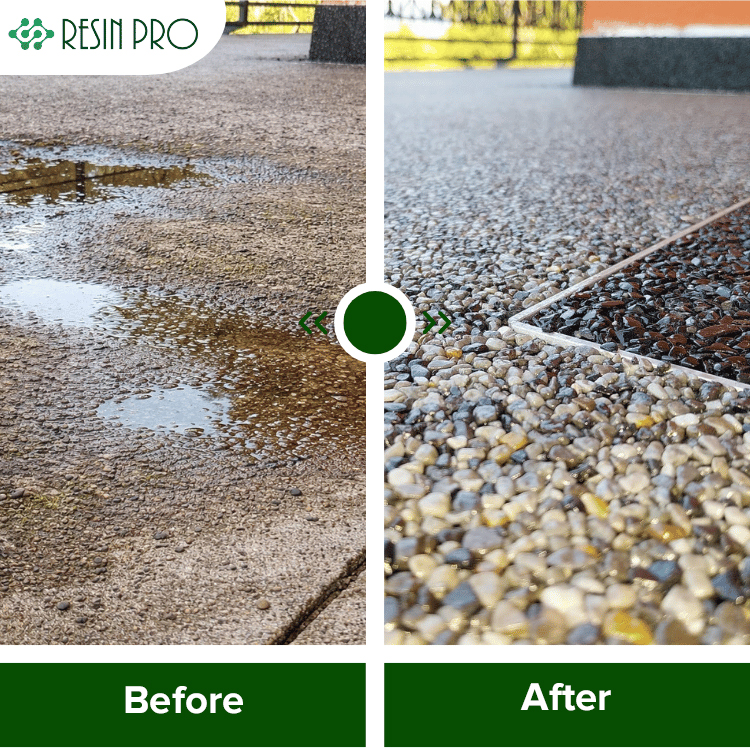
Visual Inspirations for Resin Loggia Projects
See how homeowners across the UK have revitalised their loggias and covered terraces using decorative resin and pebbled flooring systems. From modern minimalism to natural stone effects, resin delivers both style and lasting function.
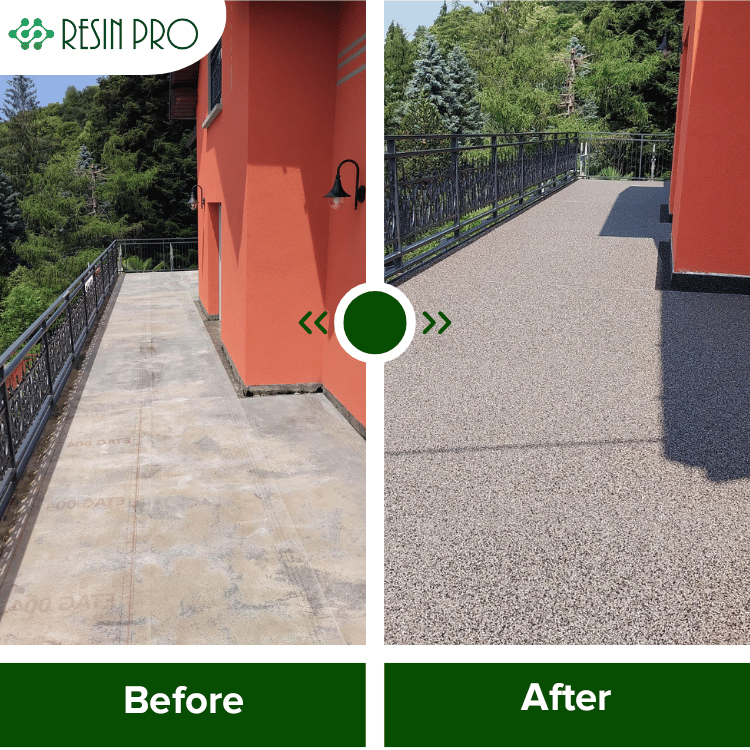
Step 1: Prepare the Loggia Surface
Successful resin application starts with proper surface preparation. Remove all dust, dirt, moss, and loose debris using a broom or pressure washer. Pay special attention to removing any traces of oil, grease or paint, which may hinder adhesion. Allow the substrate to dry completely—Surface must be clean and dry prior to any resin work.
Inspect the surface for cracks or holes. Fill notable defects with a suitable outdoor filler, allowing ample drying time. If working on an older concrete base, consider lightly sanding or etching the top to improve bonding, then thoroughly vacuum away dust.
Mask off adjacent areas with painter’s tape to ensure neat edges and protect walls or trims. Take time with this stage, as meticulous preparation lays the groundwork for a resilient, flawless floor.
Step 2: Choose the Right Resin System
Resin flooring systems for loggias typically come in two main styles: resin-bound pebbles (for decorative, permeable finishes) and resin sealers (for protecting and enhancing concrete slabs). Ensure resin type matches pebble colour to avoid unwanted yellowing or colour shifts—polyurethane binders for white stones and epoxy binders for dark or coloured aggregates. Methacrylic resins like “Resinstone” suit direct application to concrete floors. Check your local regulations if you’re covering an open loggia to confirm requirements for permeable surfaces.
For a seamless start, you may opt for a packaged system such as the “Flowstone” – Complete Permeable Floor Kit with Pebbles and Resin, which includes pre-measured resin and aggregate for hassle-free installation.
Step 3: Mix and Lay the Resin Mixture
Before mixing, carefully read the instructions for your chosen system. Using a clean bucket or forced action mixer, combine the binder with the selected pebbles or stones according to package ratios. For optimal results, add the resin to the stones gradually and mix until all pieces are shiny and evenly coated. Follow correct resin mixing ratios scrupulously to avoid soft or brittle results.
Pour the mixture directly onto the prepared loggia floor. Spread evenly with a trowel or squeegee, working in small sections to preserve wet edge. Aim for a uniform thickness, typically between 12–20 mm for pebble-bound floors. For concrete coatings using “Resinstone”, apply with a roller or sprayer for an even, thin layer that seals and enhances the substrate.

Step 4: Cure and Protect the Finished Surface
Allow the newly applied resin floor to cure undisturbed—this is essential for achieving maximum strength and weather resistance. Curing times vary between products, but most resin-bound systems require at least 24–48 hours in dry, moderate temperatures. Avoid high humidity or extreme temperatures during this phase to prevent imperfections or slow drying.
Once cured, gently remove all masking tape. A well-installed resin surface requires little maintenance but benefits from periodic sweeping and immediate removal of leaves or debris. For added protection, consider additional sealing with an appropriate resin if your space is exposed to frequent moisture or heavy wear.
Tips and Common Mistakes to Avoid
- Always test a small area before full-scale application, especially when using coloured or decorative pebbles.
- Never apply resin to damp or unprepared substrates—poor adhesion or cloudiness may result.
- Work quickly but carefully; some resins have limited pot life once mixed.
- Consult product guidance for stone-to-resin ratios to ensure both drainage and durability.
Resin Floors in Loggias: Real-World Finishes
Experience close-up examples of resin-bound loggia floors—showcasing seamless installation, natural drainage, and vibrant colour. These finishes withstand weather and daily outdoor use year-round.
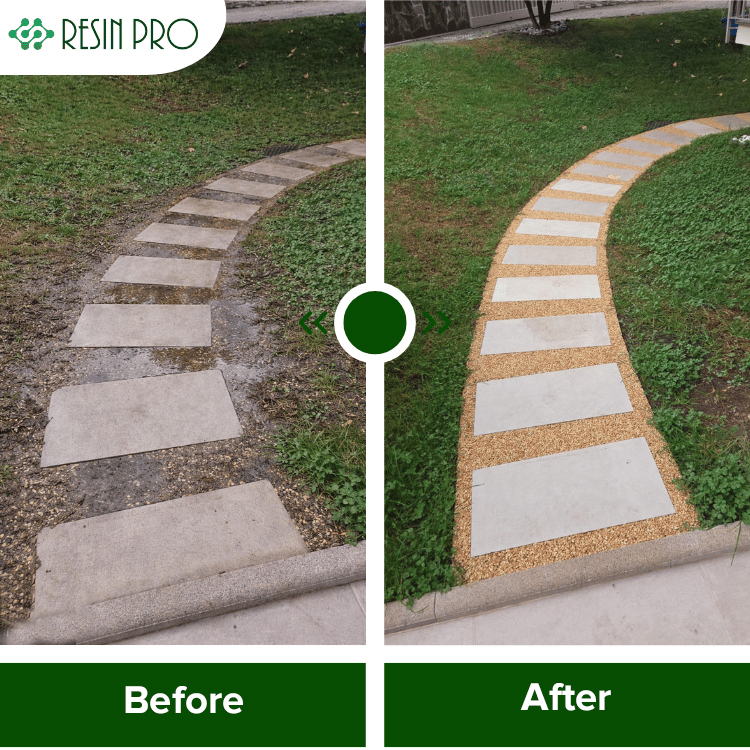
- "Flowstone" – Complete Permeable Floor Kit with Pebbles and ResinPrice range: £49.95 through £3,915.45"Flowstone" kit offers a durable, permeable pebble and resin floor system with customised colours, suitable for outdoor surfaces in the UK climate.
- "Trasparente" – Epoxy Binder for Coloured Pebbles and GritsPrice range: £33.45 through £397.95"Trasparente" is a clear epoxy binder designed for coloured pebbles and grits, suitable for flooring projects with a transparent, UV-stable finish.
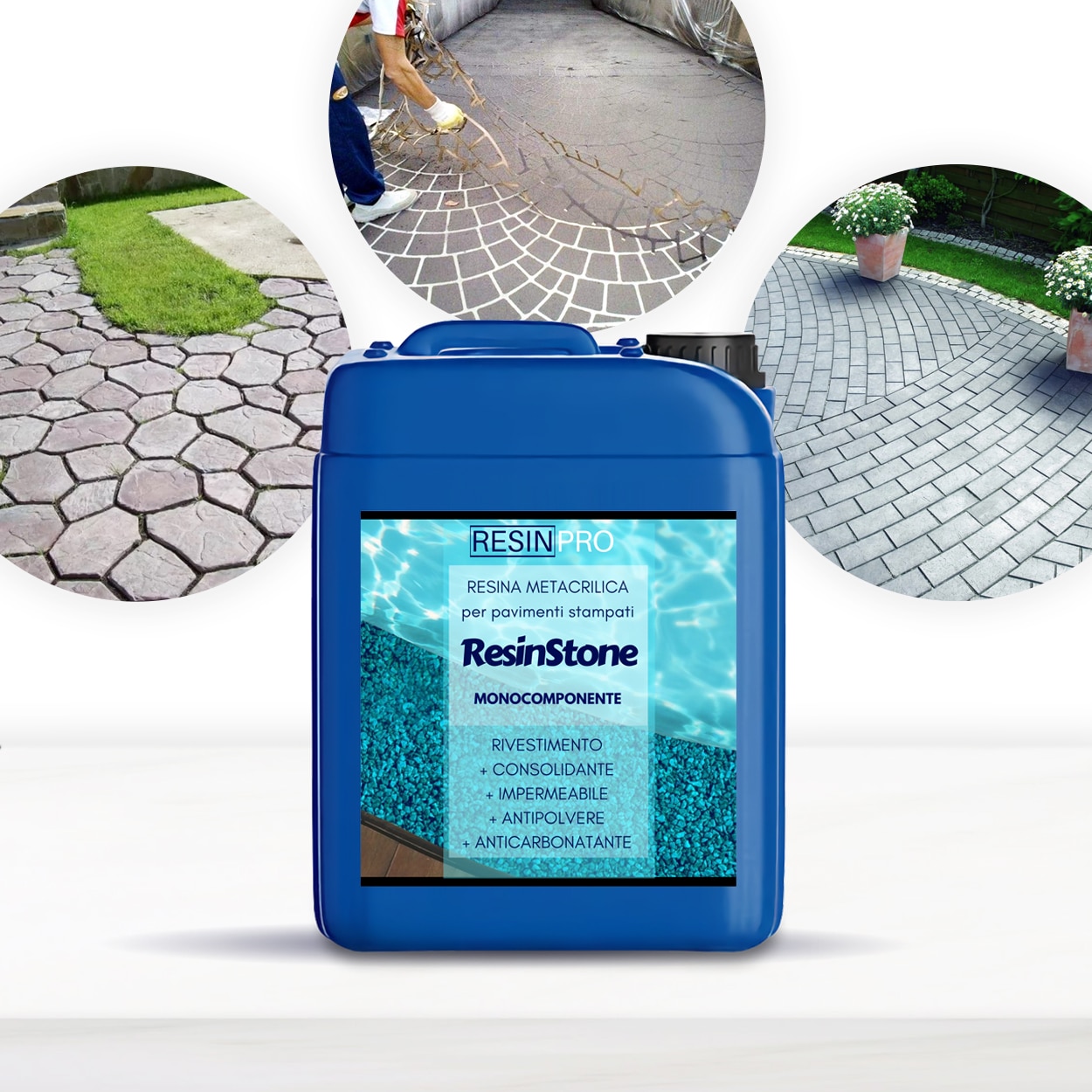 "Resinstone" – One-Component Methacrylic Resin for Concrete Floors and DrivewaysPrice range: £36.71 through £336.48"Resinstone" is a one-component methacrylic resin designed for sealing and durable protection of concrete floors, suitable for several outdoor and…
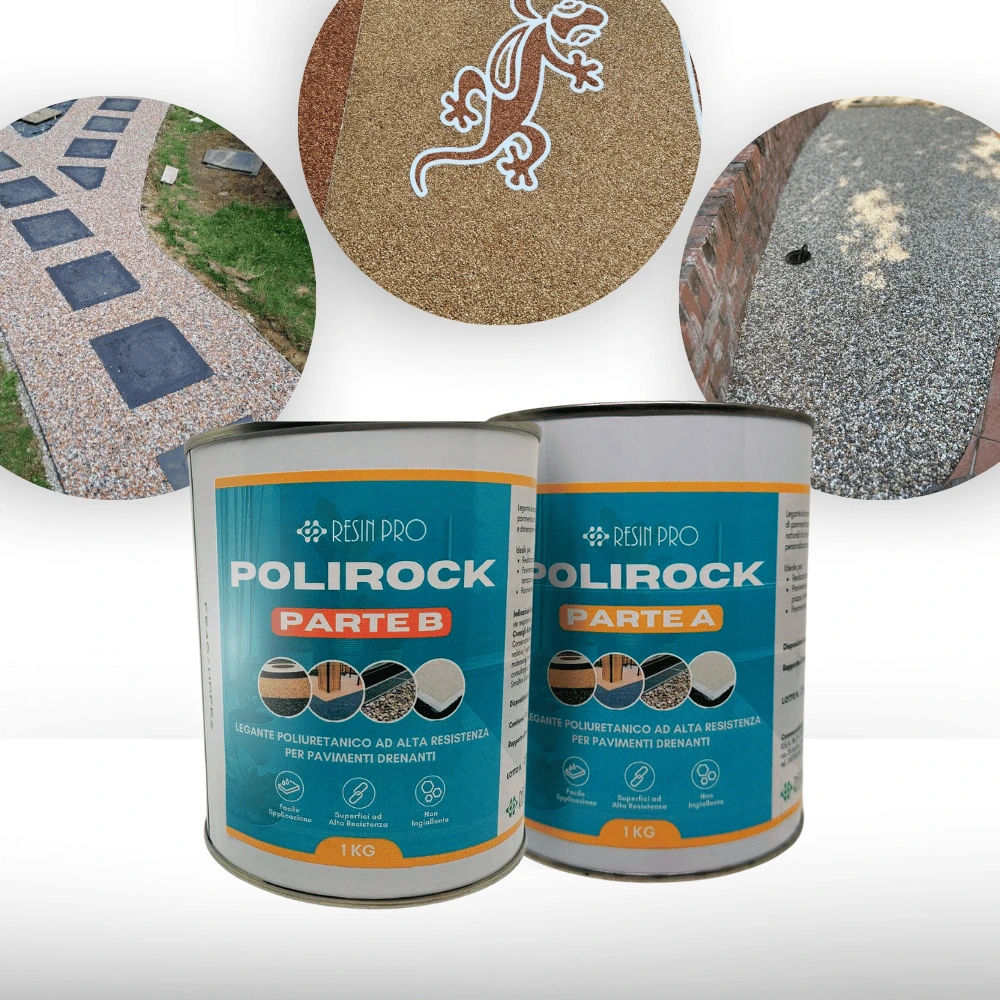 "Polirock" – Polyurethane Binder for White Stones, 2kg Two-Component Kit£61.95Polirock is a two-component polyurethane binder designed for durable, decorative and permeable outdoor stone surfaces that resist weathering.
Frequently Asked Questions
What is the best resin type for an outdoor loggia floor?
For pebble-bound finishes, use polyurethane for white stones and clear epoxy for coloured aggregates. For concrete bases, methacrylic resin is ideal.
Can I install a resin floor in my loggia myself?
Yes, most resin flooring kits are suitable for DIY use with basic preparation. Follow product instructions closely for best results.
How long do I need to wait before using the loggia after resin application?
A resin-bound floor typically cures within 24–48 hours. Wait for full curing before placing furniture or walking extensively on the surface.
How do I prevent yellowing in a resin loggia floor?
Choose a polyurethane binder for white stones which resists yellowing, and avoid direct, prolonged UV exposure if possible.
Is resin flooring in a loggia slippery?
With proper aggregate selection, resin floors offer a textured, anti-slip surface ideal for wet or outdoor conditions.
Can I use the loggia after heavy rain if it has a resin floor?
Yes, permeable resin-bound pebble floors allow water drainage, making the loggia usable soon after rainfall.