 Free shipping on orders over £29,85
  Shipping Tracking!


 Google
 Facebook
How to use resin to build a guitar?
Step-by-step guide for stunning resin and wood guitars

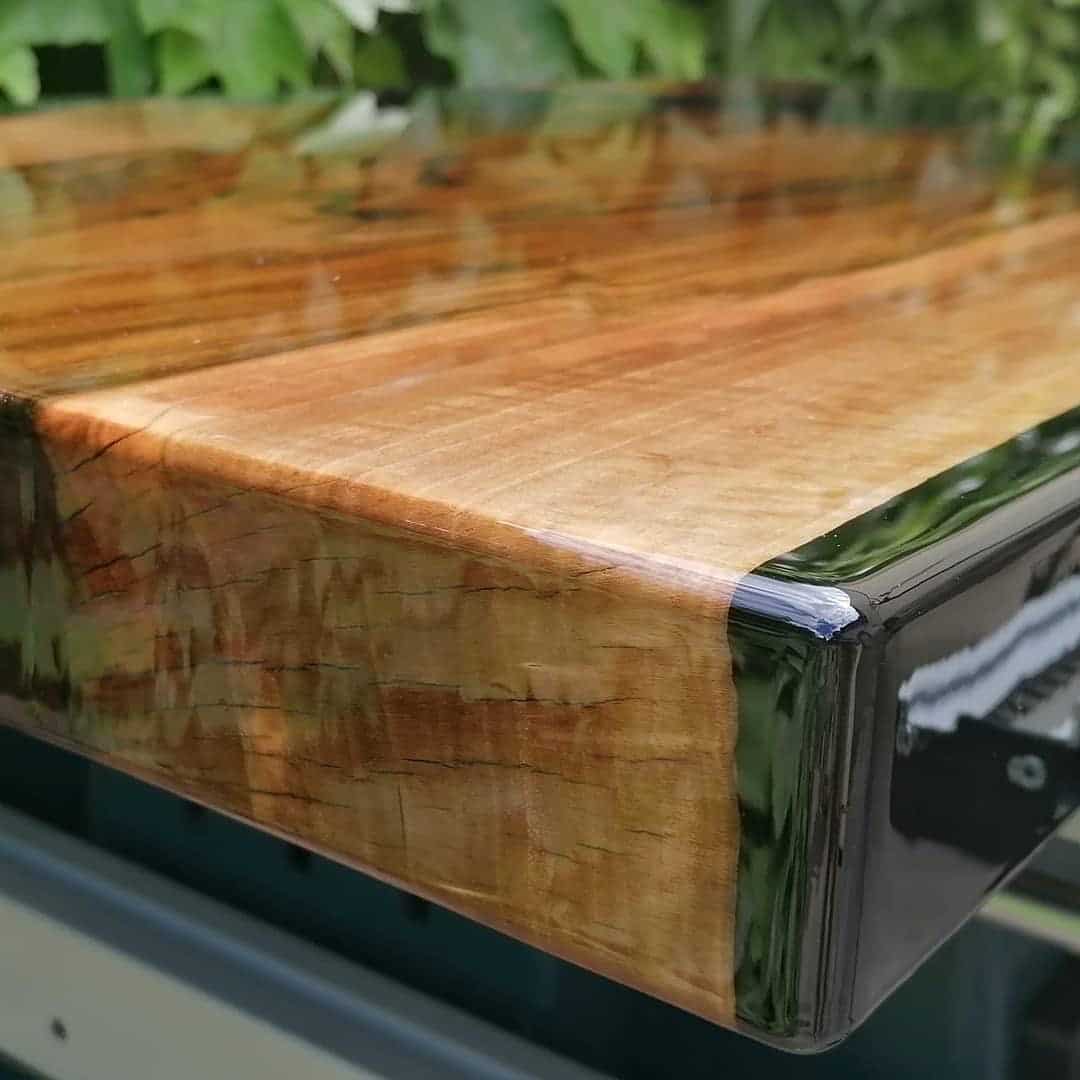
Building a resin and wood guitar combines expert woodworking with artistic resin casting for truly unique musical instruments. This guide shows you how to achieve seamless resin pours, long-lasting finishes, and creative effects for your own custom guitar body. Whether you want to embed decorative elements or simply give wood a vibrant, glass-like look, careful craftsmanship and the right materials make all the difference.
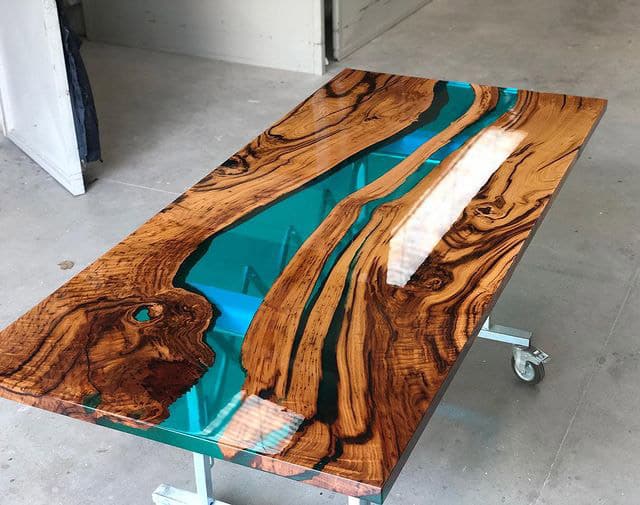
What You’ll Need
- “EpoxyWood” – Wood Restoration Epoxy Resin for Deep Penetration and Waterproofing: Ideal for sealing, reinforcing, and waterproofing timber before resin work.
- “EpoxyTable 5-Five” – Deep Pour Epoxy Resin for Tables and Large Projects – Up to 5cm: Suitable for most guitar pour applications up to 5cm thick.
- “Epoxytable 10-Ten” – Deep Pour Epoxy Resin for Tables, Up to 10cm Casting: Required only if casting extremely deep sections or larger body blanks.
- Dust mask and gloves
- Mixing containers and stirring sticks
- Timber blanks (pre-cut to guitar template), clamps, and non-stick formwork
- Sandpaper and polishing pads, finishing oils or lacquer (as desired)

Inspiration for Resin and Wood Guitars
Modern resin guitars stand out for their vibrant transparency and bespoke beauty, blending traditional woodcraft with contemporary design. Explore projects where coloured resins highlight timber grain or contrasting inlays become a central focal point. With the right techniques, you can personalise your guitar body to express both sound and artistry.
Step 1: Prepare and Seal the Timber
Choose well-seasoned timber free from defects such as cracks or damp spots. Cut the wood to your desired guitar body shape, leaving space for the resin-filled sections. Sand all surfaces smooth, paying extra attention to cut or exposed edges. Before pouring any resin, it is crucial to seal the timber thoroughly to prevent air and moisture from causing bubbles or hazing during casting.
For deep penetration, “EpoxyWood” – Wood Restoration Epoxy Resin for Deep Penetration and Waterproofing provides optimal waterproofing and reinforcement, ensuring the resin bonds securely and the timber remains stable over time. Apply a thin layer of this product with a brush and allow it to fully cure before proceeding.


Step 2: Set Up Formwork and Prepare the Resin Mixture
Secure your timber blanks in a flat, level form using clamps and a non-stick barrier (such as shiny shield tape or release film) to prevent the resin from sticking to your workspace. Be meticulous in sealing any gaps between wood pieces and formwork—silicone or hot glue can be used to avoid leaks.
Seal the wood to prevent moisture absorption at this stage, if not already completed. When mixing resin, always follow the manufacturer’s ratio instructions, measure precisely, and stir slowly to minimise bubble formation. For most guitar builds, use “EpoxyTable 5-Five” – Deep Pour Epoxy Resin for Tables and Large Projects – Up to 5cm. If your pour depth exceeds 5cm, opt for “Epoxytable 10-Ten” – Deep Pour Epoxy Resin for Tables, Up to 10cm Casting.
Step 3: Pour the Resin and Embed Decorative Elements
Mix and pour resin when conditions are dry and dust-free. Pour resin in thin, steady streams or in layers no thicker than the maximum recommended (usually 5cm or 10cm depending on resin). For decorative effects—such as pigments, metal flakes, or custom inlays—add them gently after an initial thin pour, then top up with clear resin to your desired depth.
Pour resin slowly to avoid bubbles; use a gentle heat gun over the surface to help remove any surface bubbles that rise after pouring. Avoid rushing—the working time for deep-pour epoxies is extended precisely to let you finesse bubbles and achieve flawless clarity.


Step 4: Allow to Cure and Demould Safely
Cover the formwork to keep dust out and let the piece cure undisturbed for the full recommended time (usually 24–72 hours, depending on environment and pour depth). Allow the resin to cure fully before any handling—moving or demoulding too early can result in distortion or fingerprints on the surface. Once completely hard, carefully release the guitar blank from the mould. Any uneven resin at the edges can be trimmed with a sharp tool before sanding.
Step 5: Sand, Polish, and Finish the Guitar Body
Begin with coarse sandpaper (e.g. 360 grit) and move up through finer grades (500, 1000, 2000, 3000, 4000), ensuring both timber and resin share a seamless joint. Sand and polish using fine abrasive pads and take particular care not to burn the resin with pressure or friction. Once the surface is glass-smooth, finish with either a special resin polishing cream or your choice of oil/varnish for added gloss and protection.
Ensure all surfaces are debris-free before final assembly of guitar hardware and electronics. The completed resin guitar body is now ready for set-up and stringing.

Tips, Common Mistakes, and Troubleshooting
Wear suitable PPE and ventilate your workspace to protect against airborne resin dust while sanding and avoid skin contact with raw resin. Always pour resin in the temperature range recommended by the product label—resin poured too cold may not flow well, while excessive heat can accelerate curing or cause surface cracks.
Avoid pouring in one go if your shape is extremely large or deep—layering allows safe curing and minimises the chance of overheating. Take time to seal wooden surfaces to avoid bubbles, and if small flaws appear, allow the resin to fully harden before filling or polishing them out.
Finishing Details for a Professional Result
Attention to finishing transforms a good project into a showpiece. Systematic sanding and polishing reveal deep clarity in the resin, while careful cleaning between grits ensures a flawless transition from wood to resin. Invest time in these final stages for a guitar that both plays beautifully and turns heads visually.

- “Epoxytable 10-Ten” – Deep Pour Epoxy Resin for Tables, Up to 10cm CastingPrice range: £35.95 through £351.95“Epoxytable 10-Ten” is designed for super-deep casting projects up to 10cm with low exothermic reaction and UV resistance.
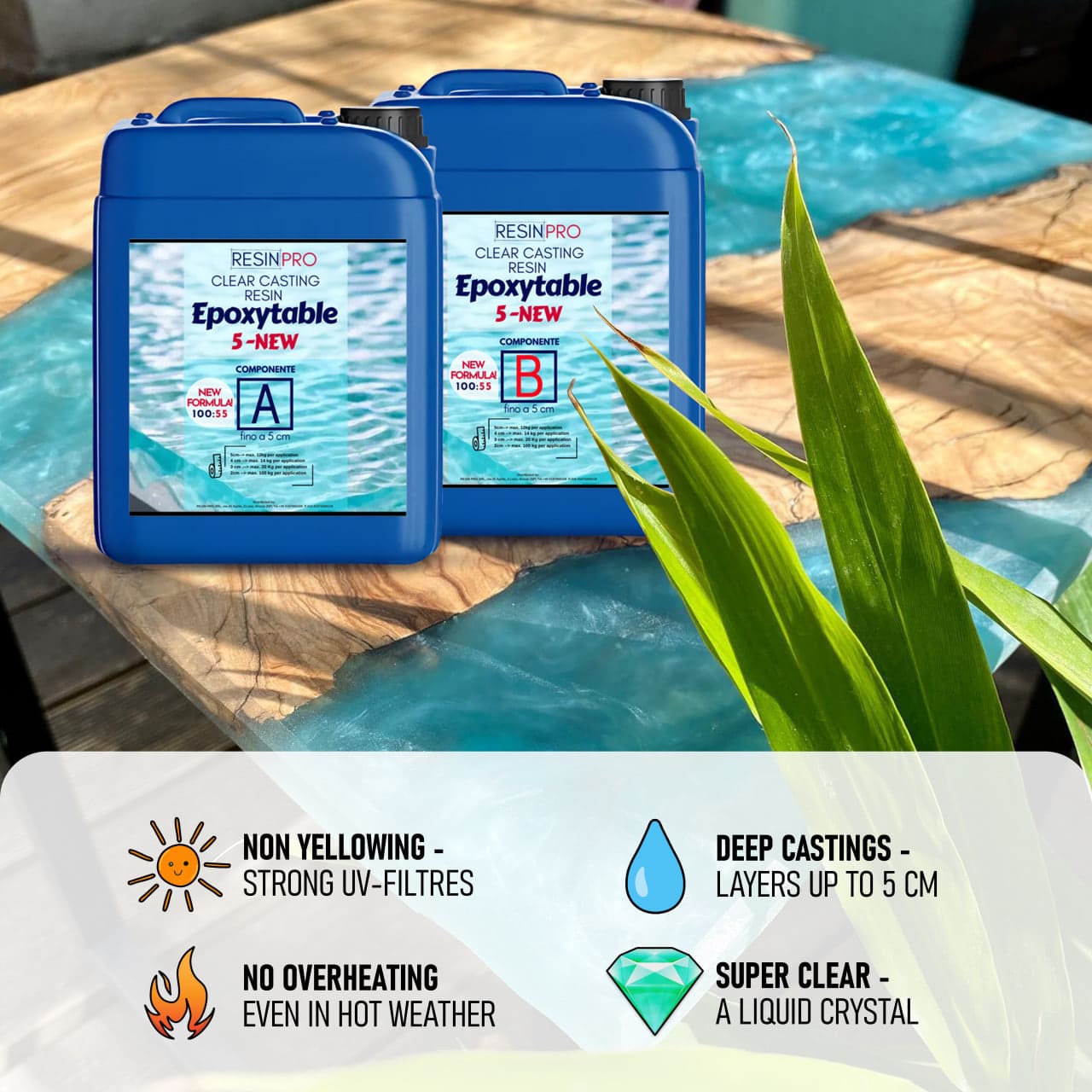
- "EpoxyTable 5-Five" – Deep Pour Epoxy Resin for Tables and Large Projects – Up to 5cmPrice range: £17.95 through £1,154.95"EpoxyTable 5-Five" offers deep pour capabilities suited for large projects, with a clear, scratch-resistant surface suitable for table making.
 "EpoxyWood" – Wood Restoration Epoxy Resin for Deep Penetration and WaterproofingPrice range: £27.95 through £41.95EpoxyWood is designed for wood restoration with deep penetration and waterproofing, suitable for various wooden surfaces.
 "River-Table" – Complete Kit for Creating Your First Epoxy Resin TablePrice range: £198.45 through £467.45"River-Table" kit provides materials and instructions to create wood and resin tables, supporting beginners under the guitar-building theme.
Frequently Asked Questions
What thicknesses of resin pour are suitable for guitar making?
Resin pours up to 5cm are typical for guitar bodies; for deeper sections, use a resin designed for up to 10cm in a single pour.
How should timber be sealed before resin pouring?
Apply a deep-penetrating wood epoxy to all cut, sanded, or porous surfaces and let it fully cure for best results.
How do you prevent bubbles in resin guitar builds?
Seal wood thoroughly, mix the resin slowly, pour in thin streams, and use gentle heat to remove any surface bubbles.
Is resin sanding dust harmful?
Yes. Always wear a dust mask or respirator and ensure your work area is well-ventilated when sanding cured resin.
How long does resin take to cure for guitar projects?
Typically, curing takes between 24 and 72 hours depending on the resin type, depth, and ambient temperature.
What polish or finish is best for resin guitar bodies?
Use a dedicated plastic and resin polishing cream after sanding, or apply finishing oil or varnish for added gloss and durability.
Is resin guitar building suitable for beginners?
Yes, provided you follow step-by-step instructions and work carefully with the recommended safety precautions.