 Free shipping on orders over £29,85
  Shipping Tracking!


 Google
 Facebook
How do you use resin for jewelry?
Step-by-step guide for flawless handmade resin jewellery
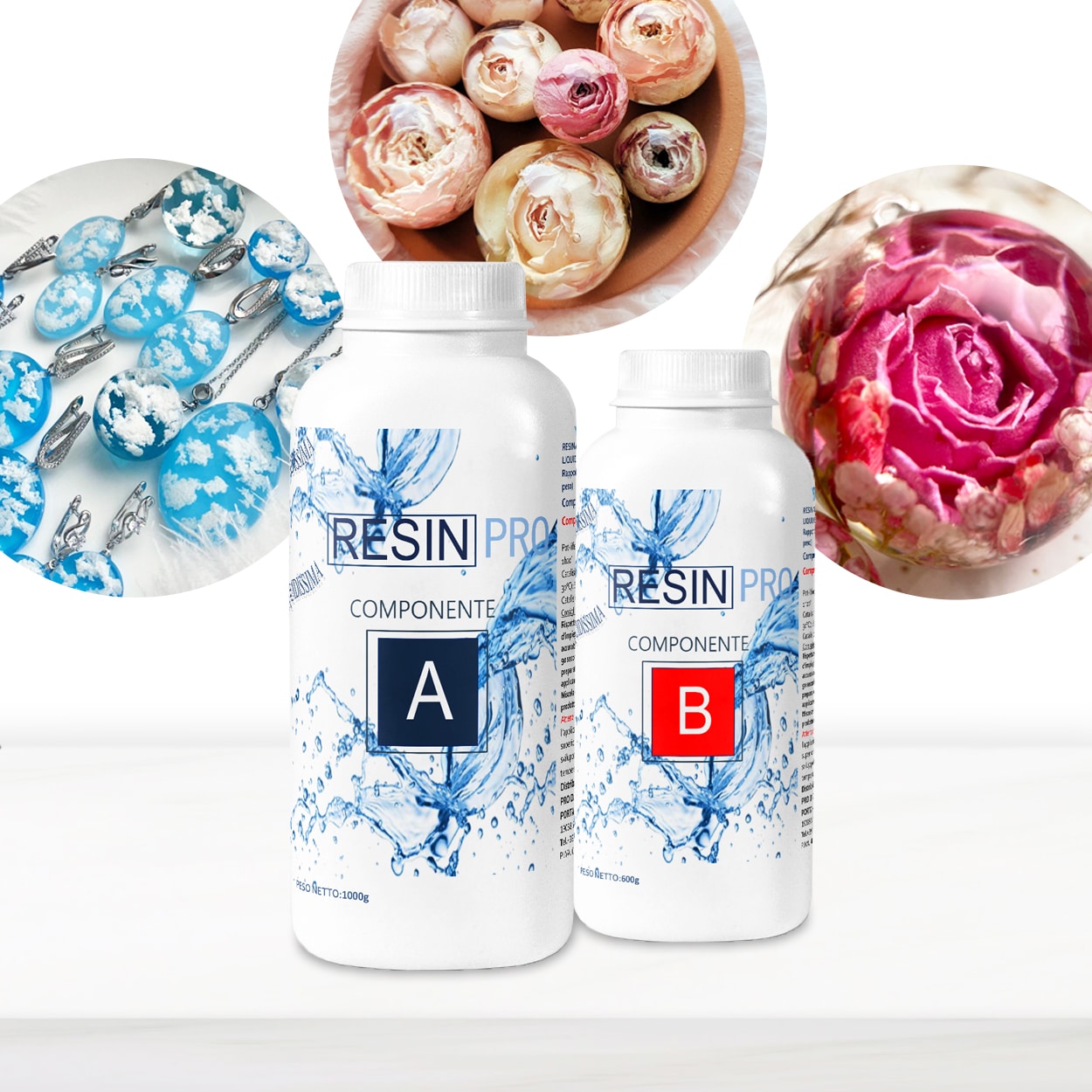

Creating resin jewellery is an exciting craft that allows you to mould, customise, and immortalise objects in strikingly clear pieces. Whether you’re a keen beginner or a jewellery enthusiast aiming to master new techniques, this guide will walk you through all the steps needed for beautiful, professional results.
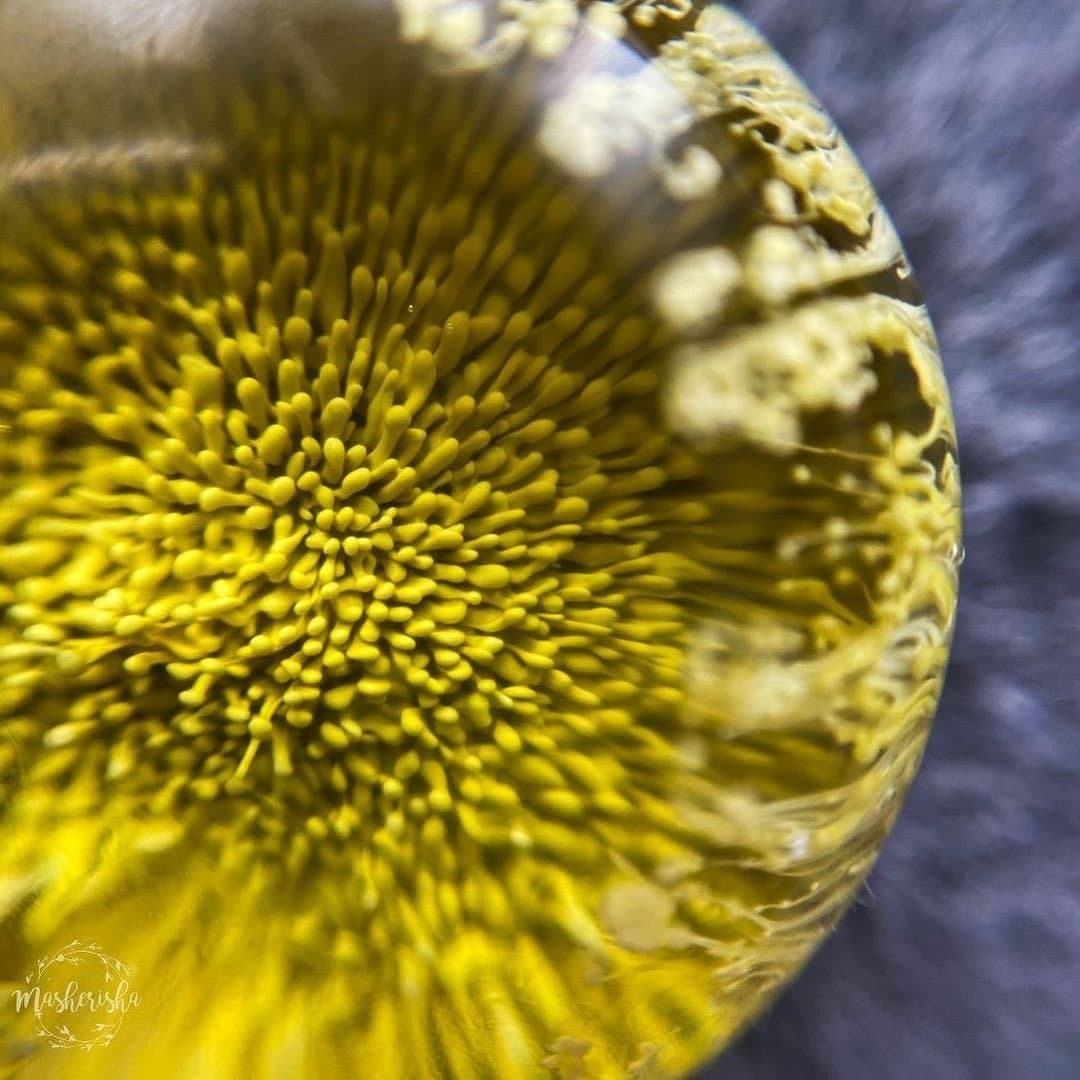
What You’ll Need
- “Liquidissima” – Epoxy Resin For Creations & Jewellery – For intricate designs and fine detail casting.
- “Evershine Collection” – Artisan Jewellery Epoxy Resin Kit with 100+ Accessories – Ideal for beginners or crafters who want a comprehensive starter set.
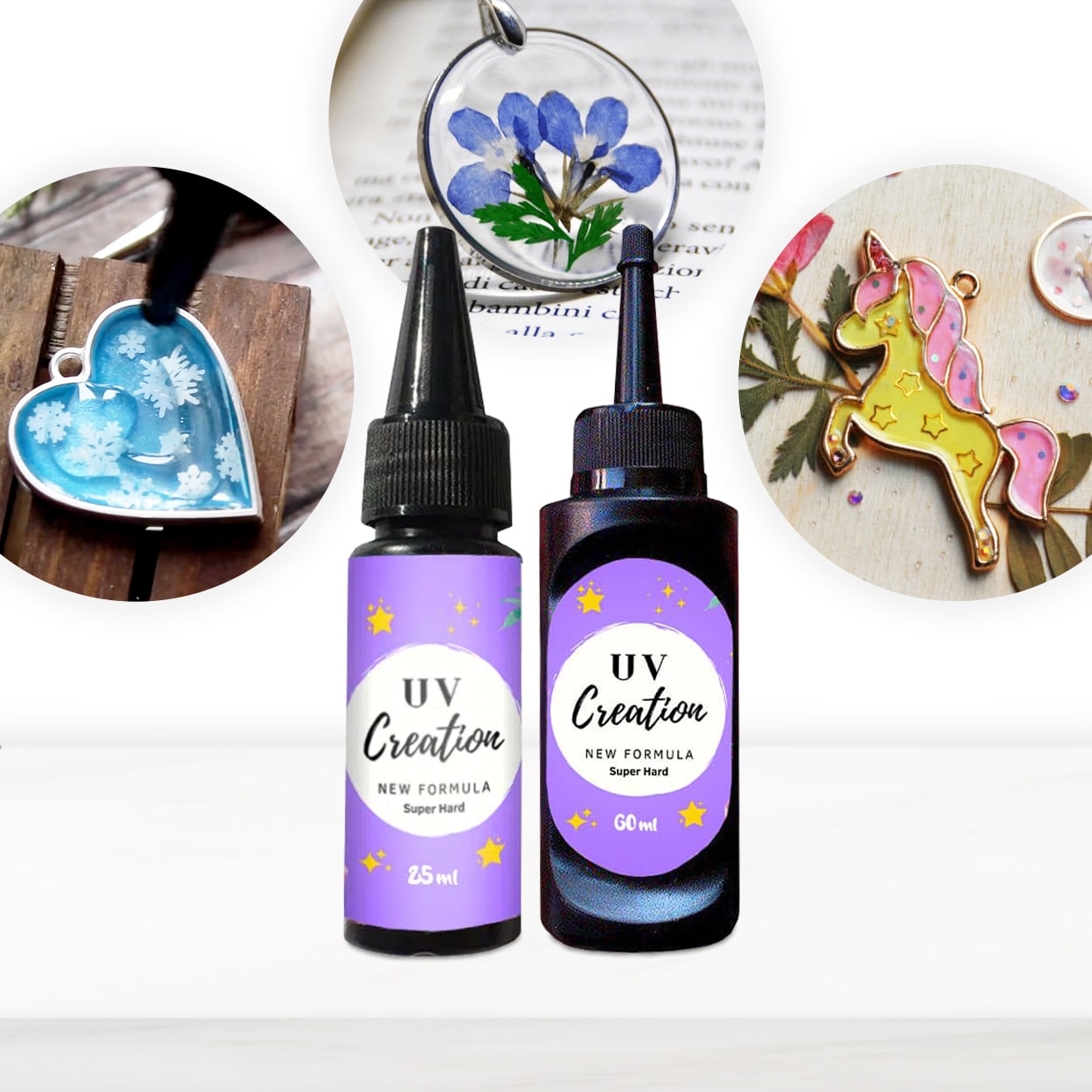
- “UV–Creation” – Fast Acrylic Resin, 3 Minute UV Cure – Perfect for quick-cure projects using a UV lamp.
- “One-2-One” – Epoxy Resin for Handcraft, 1:1 Mixing Ratio – Excellent for easy mixing and durable jewellery.
- Silicone moulds (preferably high-quality, flexible types).
- Pigments, dyes, glitter, dried flowers or decorative inclusions (optional).
- Mixing cups, stir sticks, gloves, and eye protection.
- UV lamp (if using a UV resin).
- A clean, flat, and well-ventilated workspace.
See Jewellery Resin Projects in Action
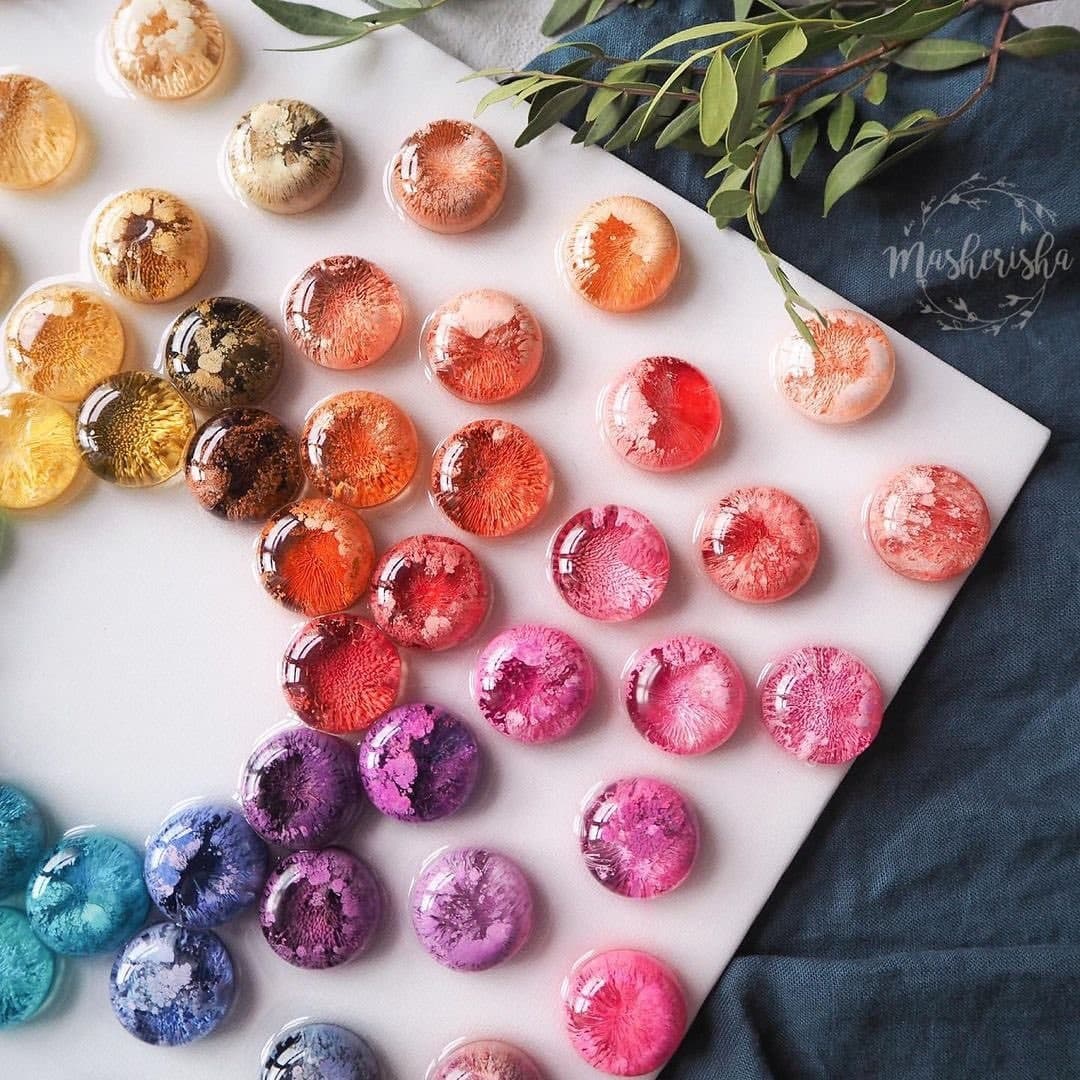
Browse our curated gallery of resin jewellery creations—from shimmering pendants to custom charms and vibrant statement pieces. Get inspired by the possibilities you can achieve at home.
Step 1: Prepare Your Workspace and Design
Thoroughly plan your design before starting to ensure all your materials are close at hand and your workspace is protected. Lay out your silicone moulds, decorative elements, and resin components on a flat surface covered with a protective sheet. If you’re adding items such as flowers or glitter, make sure they are dry and ready to embed. Keeping a tidy and organised setup will help prevent unwanted dust or debris in your finished piece.
Always wear gloves and work in a well-ventilated area. Epoxy and UV resins are generally safe but working safely is best practice, especially during mixing and pouring. If using UV resin, set up your UV lamp within easy reach. Double-check moulds for oil or residue and clean them if necessary.

Step 2: Mix and Colour Your Resin
Now it’s time to blend your chosen resin. For those needing ease and clarity, the “One-2-One” – Epoxy Resin for Handcraft, 1:1 Mixing Ratio makes the process simple, as it uses a straightforward equal parts method. If you’re working with intricate moulds or fine details, “Liquidissima” – Epoxy Resin For Creations & Jewellery offers a longer working time for accuracy and fewer bubbles.
Pour the resin and hardener according to your product instructions, then stir slowly but thoroughly for several minutes until homogenous. For UV resins such as “UV–Creation” – Fast Acrylic Resin, 3 Minute UV Cure, this step may be skipped as no mixing is needed. Add pigment or decorative materials gradually, mixing gently to avoid air entrapment. Measure and mix carefully to avoid cloudy results. Use a toothpick or skewer to help blend colourants into small batches.
Step 3: Pour Resin into Moulds
Slowly pour your prepared resin into silicone moulds, starting from one corner to allow air to escape as it fills. If using accessories or charms from the “Evershine Collection” – Artisan Jewellery Epoxy Resin Kit with 100+ Accessories, arrange them in the mould before pouring or between layers if needed. Fill the moulds no more than recommended depth to allow enough strength and clarity in your piece.
Tap the mould gently or use a cocktail stick to bring trapped air bubbles to the surface. For surface bubbles, a quick waft with a heat gun or lighter can help, but be careful not to overheat the resin or mould. When layering colours or including decorative elements, pour in stages, letting layers semi-cure before continuing to prevent objects from sinking or bleeding colours.


Step 4: Cure and Demould Your Jewellery
Allow the resin to cure based on product instructions: epoxy resins typically require 24–48 hours at room temperature, while UV resin like “UV–Creation” – Fast Acrylic Resin, 3 Minute UV Cure hardens in just a few minutes under UV light. Ensure the area is free from dust and vibrations during curing for a flawless finish.
Once set, gently remove pieces from the moulds. If sharp edges appear, use a small file or sandpaper to smooth the surfaces. Attach findings, earring backs, or keyrings as desired. Allow resin to cure fully for strength and clarity—handling too soon can cause fingerprints or dull spots.
Common Mistakes and Top Tips for Resin Jewellery
Patience, precision, and the right environment are keys to resin jewellery success. Avoid over-mixing or stirring too quickly, which introduces bubbles. Workspace temperature should be moderate; cold slows curing and may cause cloudiness, while heat can speed up reactions unexpectedly. Protect pieces during curing to prevent dust specks or accidental marks. If you notice tacky surfaces after curing, it often means under-mixing or too much pigment was added—next time, measure and blend carefully.
Storing completed resin jewellery away from direct sunlight will keep colours vibrant and reduce yellowing. Test new colourants or additions in a small batch before committing to your main project. If a bubble appears after curing, it can sometimes be carefully drilled out and filled with a drop of mixed resin.
Expert Hints for Flawless Resin Jewellery
Use high-quality silicone moulds for easier demoulding and sharper details. Always allow extra cure time in cooler weather or if adding heavy inclusions. Explore our resin for jewellery selection for project-ready options.
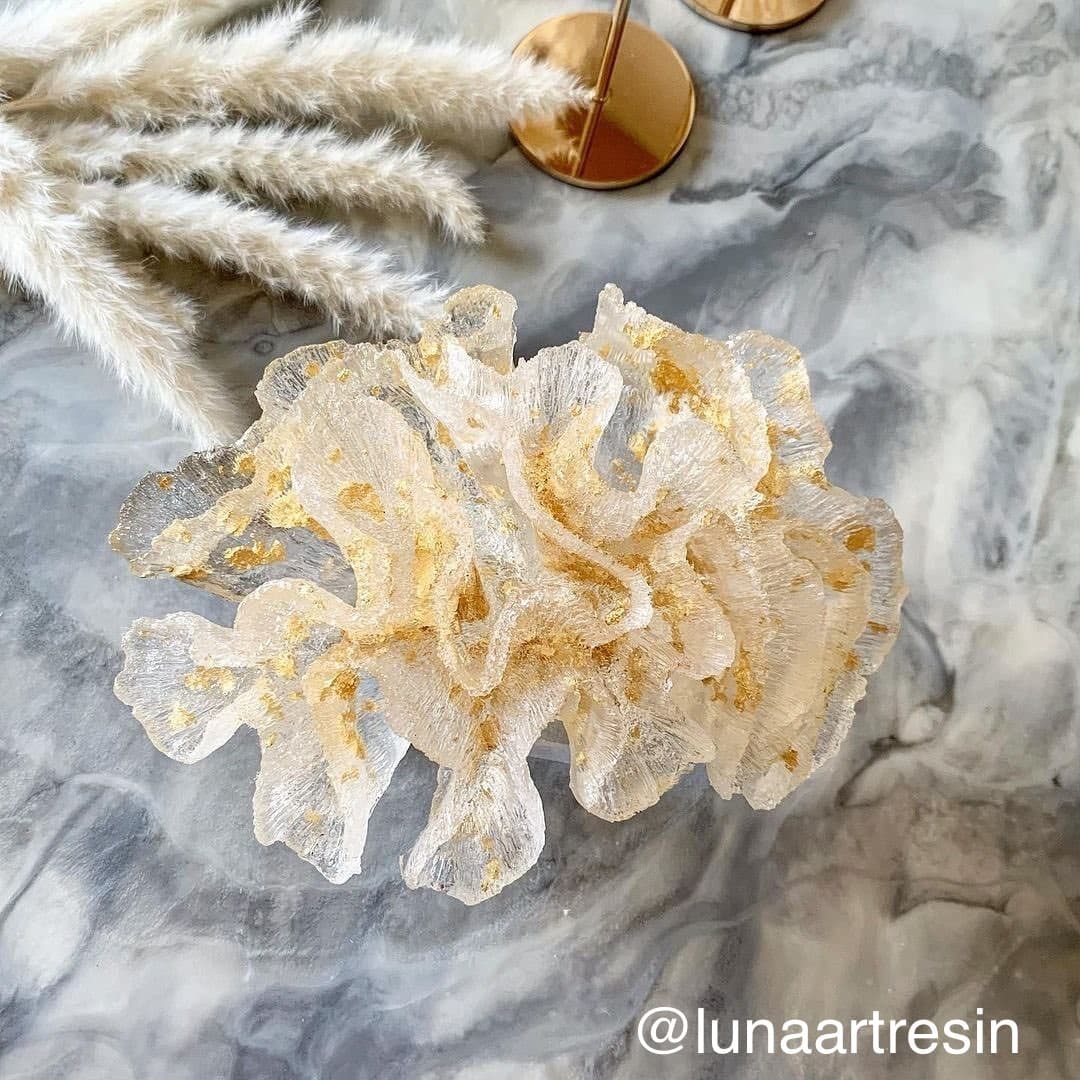
- "Liquidissima" – Epoxy Resin For Creations & JewelleryPrice range: £12.85 through £31.85Designed for artists and creators, this epoxy resin offers high transparency and long working time for intricate jewellery moulds.
- "Evershine Collection" – Artisan Jewellery Epoxy Resin Kit with 100+ Accessories£21.95"Evershine Collection" is a complete epoxy resin kit offering 500g resin and 100+ accessories, designed for jewellery makers within the theme of…
- "UV–Creation" – Fast Acrylic Resin, 3 Minute UV CurePrice range: £8.45 through £62.95UV–Creation Fast Acrylic Resin cures quickly with UV light, offering a clear, glossy finish suitable for jewellery making.
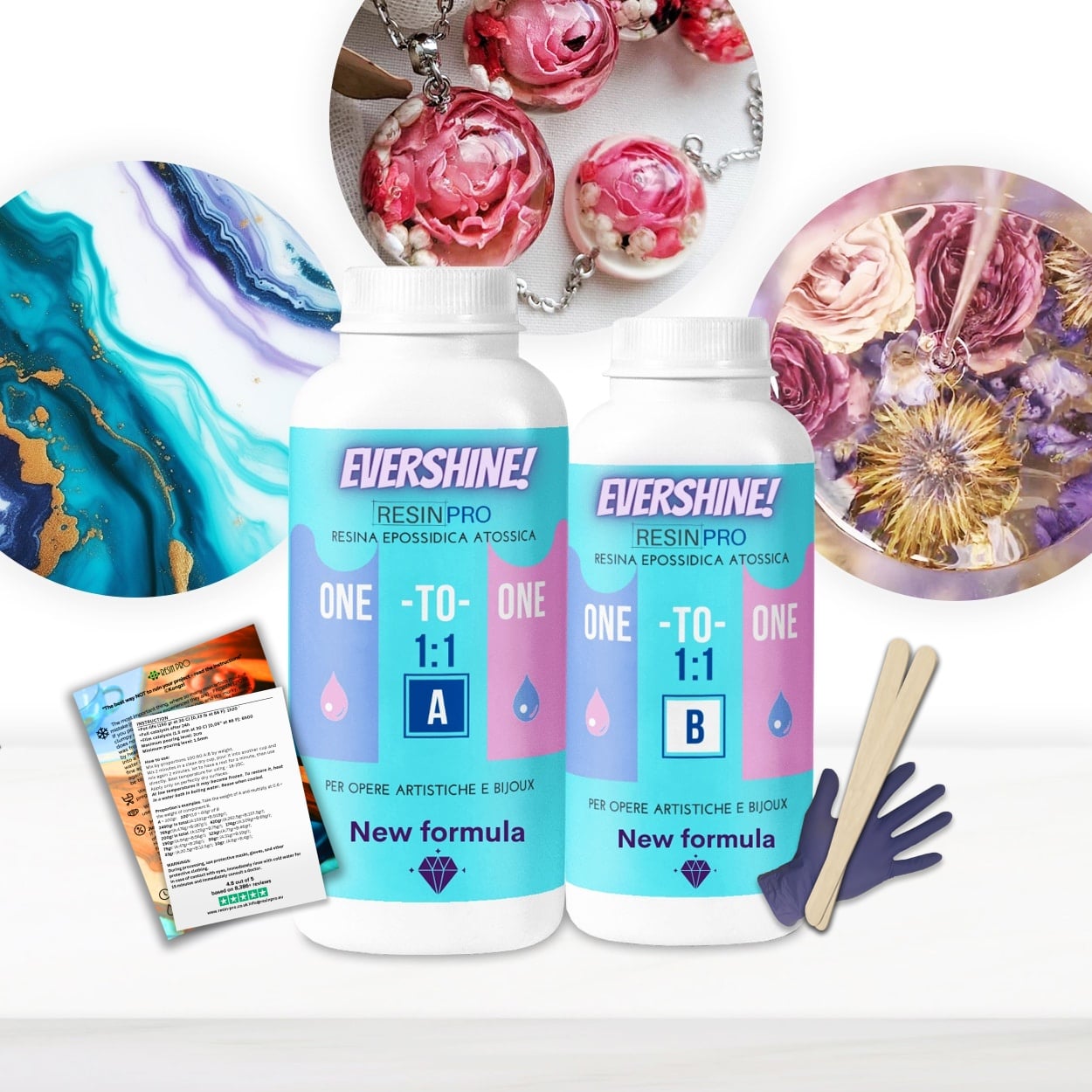 "One-2-One" – Epoxy Resin for Handcraft, 1:1 Mixing RatioPrice range: £15.95 through £59.95"One-2-One" epoxy resin is a medium viscosity, clear resin suitable for beginners and experienced crafters making jewellery and decorative items.
Frequently Asked Questions
What is the best resin type for jewellery making?
Both epoxy and UV resins work well; epoxy is better for larger batches, while UV is excellent for fast curing and small items.
How do I avoid bubbles in resin jewellery?
Mix resin slowly, pour carefully, and use a heat tool gently on the surface to release trapped bubbles before curing.
Can resin jewellery be coloured or decorated?
Yes, you can add pigments, dyes, glitter, or inclusions like dried flowers prior to pouring the resin into moulds.
How long does resin take to cure for jewellery?
Epoxy resin typically cures in 24–48 hours, while UV resin can be ready in 2–5 minutes under a UV lamp.
Can you use household moulds for resin?
Silicone baking moulds can sometimes be used for resin, but purpose-made jewellery moulds achieve better detail and finishes.
Is resin jewellery safe to wear?
Fully cured resin jewellery is generally safe to wear. Always use non-toxic resins and follow curing instructions for best results.