 Free shipping on orders over £29,85
  Shipping Tracking!


 Google
 Facebook
How do you resin foam?
Step-by-step guide to coating foam with resin safely and efficiently.

If you want to make foam waterproof, tougher, or better looking, resining foam is a practical solution for model-makers, cosplay artists, DIYers, and anyone seeking a robust finish. This guide will walk you through the right steps to apply resin to foam safely, avoid common issues, and achieve long-lasting results while protecting the delicate foam underneath.

What You’ll Need
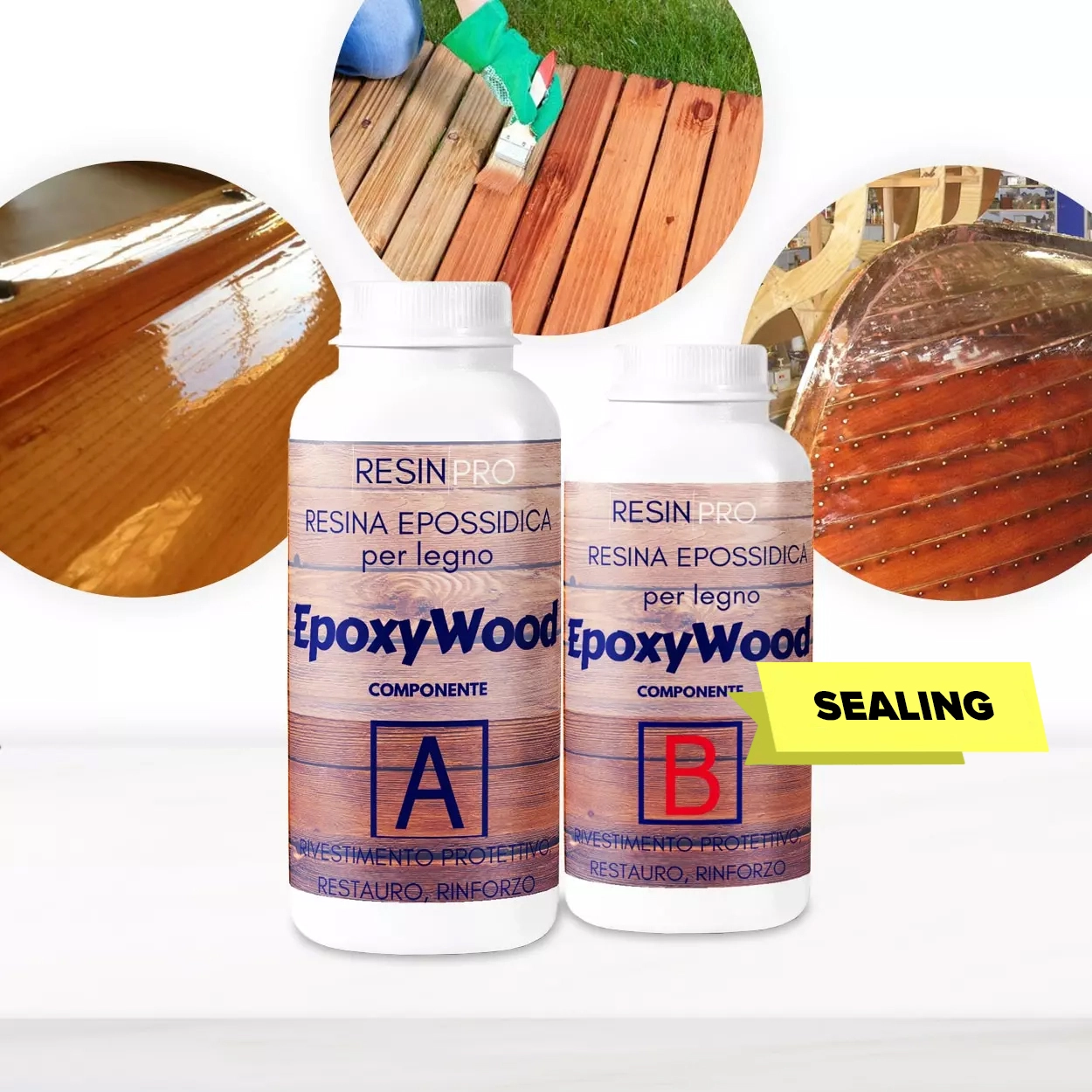
- “EpoxyWood” – Wood Restoration Epoxy Resin for Deep Penetration and Waterproofing: Best for deep soaking into porous, absorbent foam types to reinforce and seal from within.
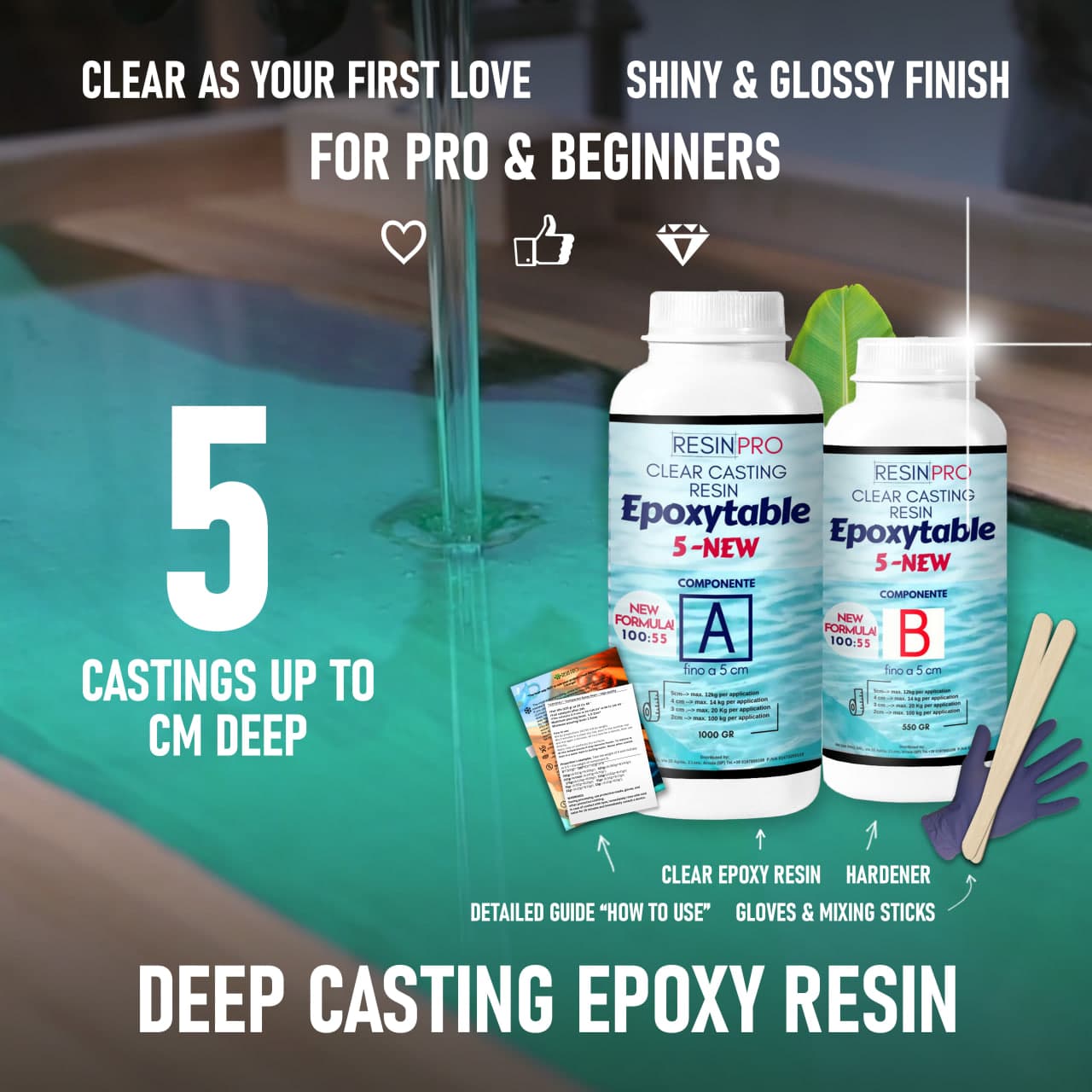
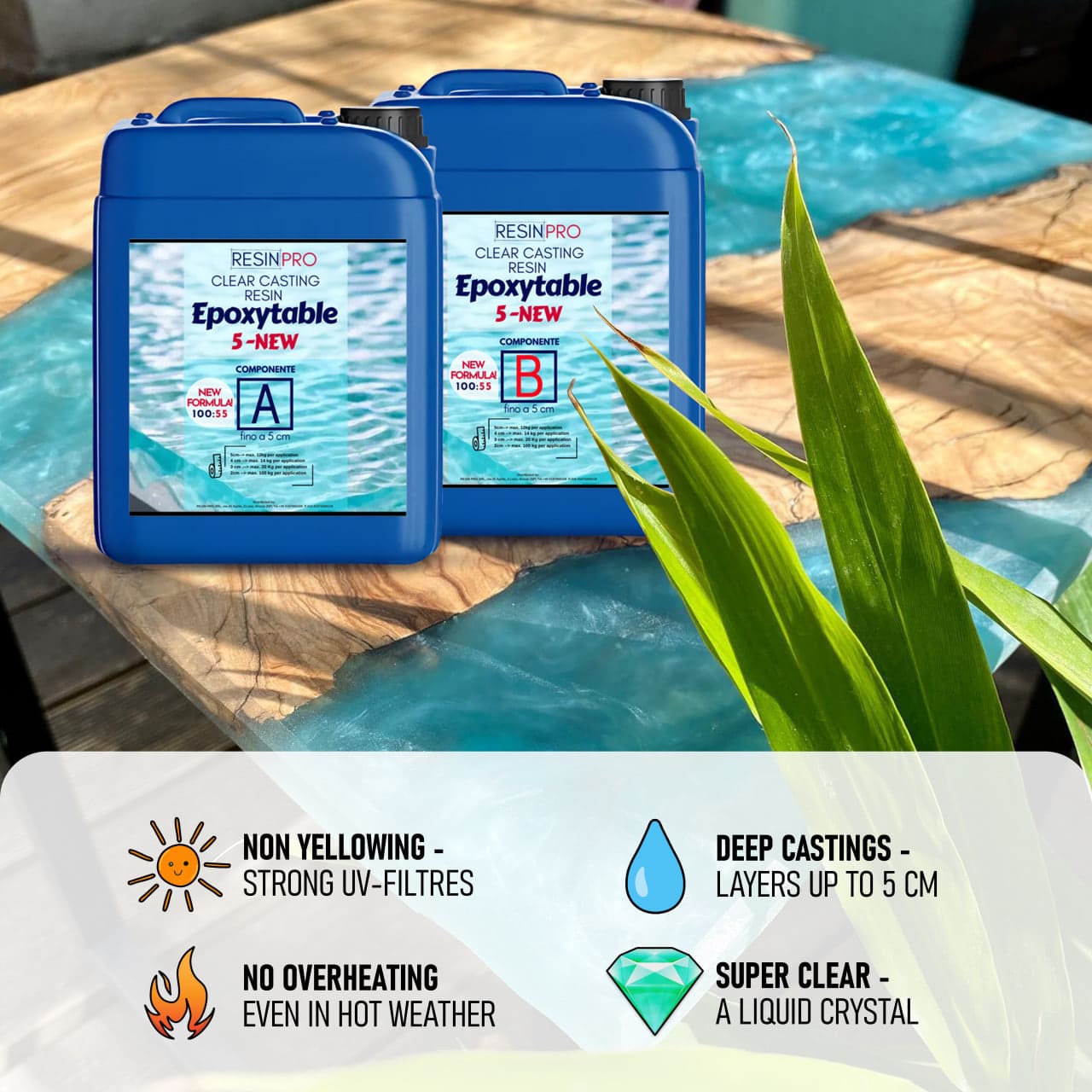
- “EpoxyTable 5-Five” – Deep Pour Epoxy Resin for Tables and Large Projects – Up to 5cm: Suitable for thicker coatings or large foam objects requiring a harder, glass-like shell.
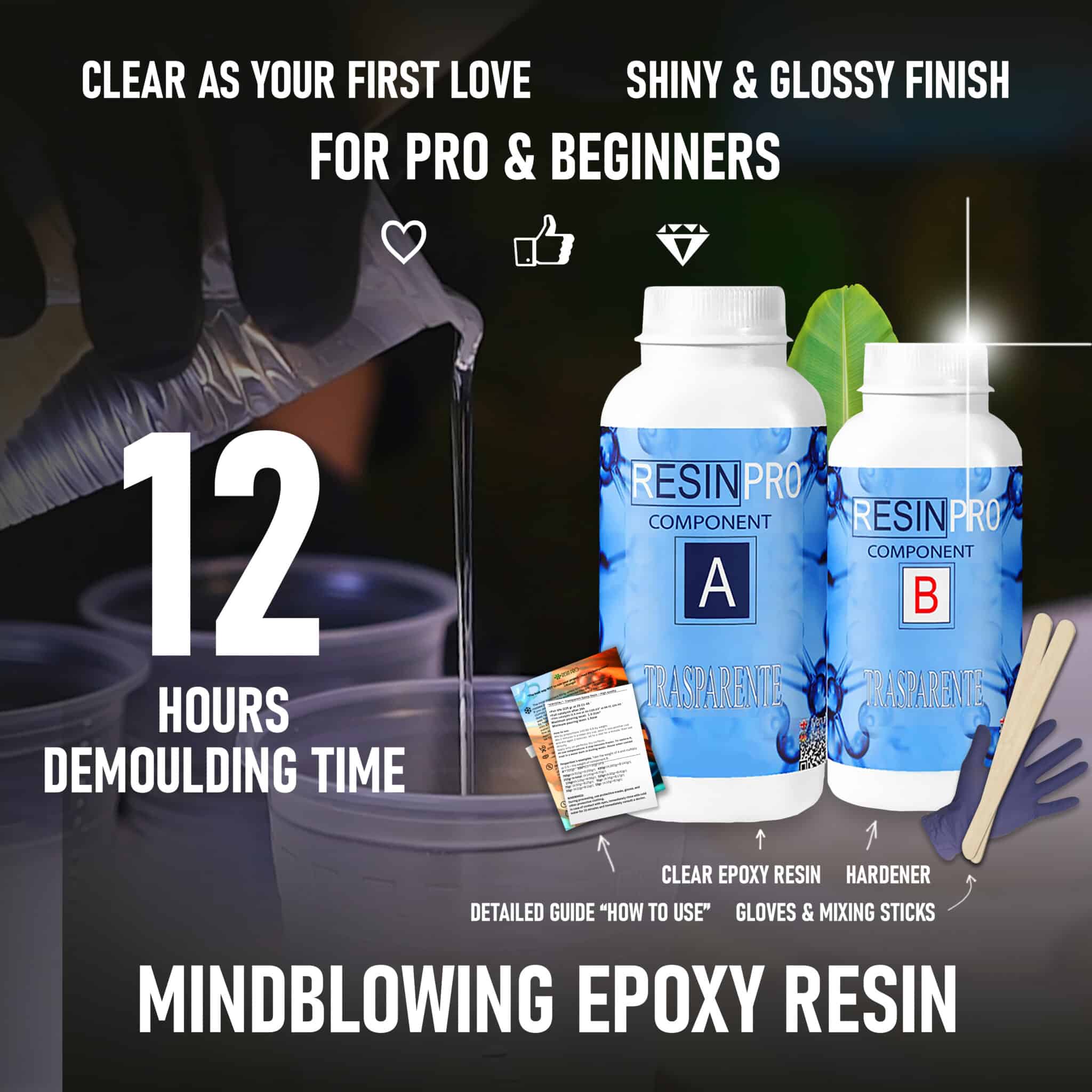
- “Trasparente” – Multipurpose Clear Epoxy Resin for Casting – Up to 2cm: Ideal for a clear, smooth finish over smaller foam surfaces.
- “Be Flex” – Transparent Polyurethane Doming Resin – Scratch-Resistant: Use when flexibility on curved or compressible foam is required without cracking.
- Protective gloves and goggles
- Mixing containers and sticks
- Disposable brushes or foam rollers
- Drop cloth or disposable sheet to protect your workspace
Choosing the Right Resin for Foam Projects
Selecting the appropriate resin is crucial for foam coating. Use EpoxyWood for deep penetration and reinforcement, Trasparente for clarity on small surfaces, EpoxyTable 5-Five for thick, robust layers, and Be Flex when flexibility is needed. Match your product to your project’s shape, size, and final use for the best results.
Step 1: Prepare the Foam Surface
Start by inspecting your foam for dust, dirt, or oil. For best resin adhesion, the entire surface should be clean and dry. Wipe away any debris using a dry cloth or gently with compressed air. If the foam is especially porous or fragile, avoid excessive pressure to prevent damage. Some crafters choose to lightly sand certain types of rigid foam to provide a slightly rougher surface for resin grip, but always test this on a scrap piece first to avoid accidental crumbling or compression.
Place your foam on a drop cloth in a well-ventilated area and ensure you have enough space to work around it from all sides.

Step 2: Seal or Prime Delicate Foams
Some foams may react poorly to direct resin contact, leading to melting or distortion. To avoid this, apply a light coat of acrylic paint, PVA glue, or a water-based primer as a barrier and leave to dry fully. This step is especially important for soft, open-cell foams used in props, costumes, or theatre. For denser, closed-cell foams, direct resin application is usually safe, but a quick primer coat still helps to reduce resin soak-in and extend working time.
Step 3: Mix and Apply the Resin
Choose your resin system based on foam type and required final properties. For full impregnation or added structural strength, use “EpoxyWood” – Wood Restoration Epoxy Resin for Deep Penetration and Waterproofing, which is engineered for penetrating porous surfaces and maximising adhesion. For a clear, decorative shell, opt for “Trasparente” – Multipurpose Clear Epoxy Resin for Casting – Up to 2cm for layers up to 2cm, or “EpoxyTable 5-Five” – Deep Pour Epoxy Resin for Tables and Large Projects – Up to 5cm for larger, thicker coats on bigger pieces. If your project needs a flexible, domed finish (such as foam badges or bendable pieces), “Be Flex” – Transparent Polyurethane Doming Resin – Scratch-Resistant is ideal.
Carefully measure and mix the resin according to the manufacturer’s ratios, using clean containers and tools. Pour or brush on the first thin coat, ensuring even coverage. Wait for this ‘sealer coat’ to reach tack stage before applying subsequent layers, if desired. This minimises foam distortion and reduces bubbles. For thick pours, always check the product’s maximum recommended layer depth to avoid overheating.


Step 4: Allow to Cure and Inspect
Let the resin cure in a dust-free area with stable temperature and humidity. Most resins need 24–48 hours for a full cure, but always follow the product’s guidance for best results. Avoid touching or moving the foam during this period, as curing resin can attract dust and fingerprints.
Once fully cured, check the surface for any missed spots, bubbles, or soft patches. Minor flaws can often be remedied with a light sanding and a follow-up thin resin coat.
Tips and Common Mistakes to Avoid
Always use gloves, goggles, and appropriate ventilation when working with resins, as skin or eye contact can cause irritation. Never pour thick resin layers directly onto foam without testing, as excess heat may deform or melt the material. Test on a small off-cut of foam before treating your project to check for reactions, adhesion, or unexpected absorption. Thin layers prevent overheating and melting, while also reducing bubble formation and surface imperfections.
Resin Foam Success Stories
Resining foam is widely used in cosplay prop-making, architectural modelling, and hobby crafts to achieve waterproof, durable, and visually striking finishes. Artists trust premium resin systems for both professional and home projects—ensure your next creation is protected for the long term by following best practices in prep and product selection, and always finish with care.
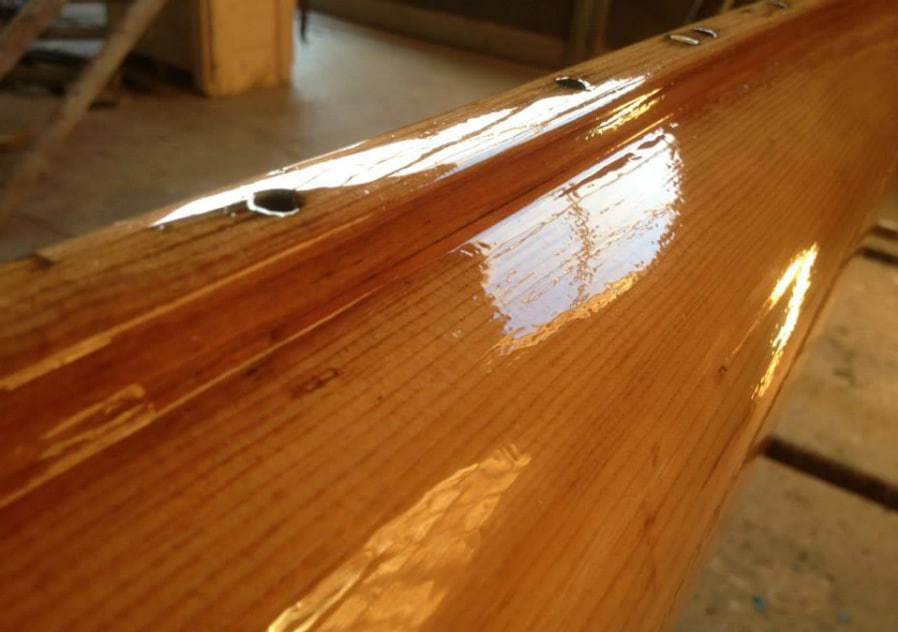
- "EpoxyWood" – Wood Restoration Epoxy Resin for Deep Penetration and WaterproofingPrice range: £27.95 through £41.95"EpoxyWood" is designed for wood restoration with deep penetration and a natural finish under the theme How do you resin foam?
- "EpoxyTable 5-Five" – Deep Pour Epoxy Resin for Tables and Large Projects – Up to 5cmPrice range: £17.95 through £1,154.95EpoxyTable 5-Five is a low-viscosity deep pour epoxy resin designed for tables and large projects up to 5cm thick with UV resistance and scratchproof…
- "Trasparente" – Multipurpose Clear Epoxy Resin for Casting – Up to 2cmPrice range: £8.95 through £397.95"Trasparente" clear epoxy resin is suitable for up to 2cm casting, offering an ultra-clear, self-levelling finish for various DIY and woodworking…
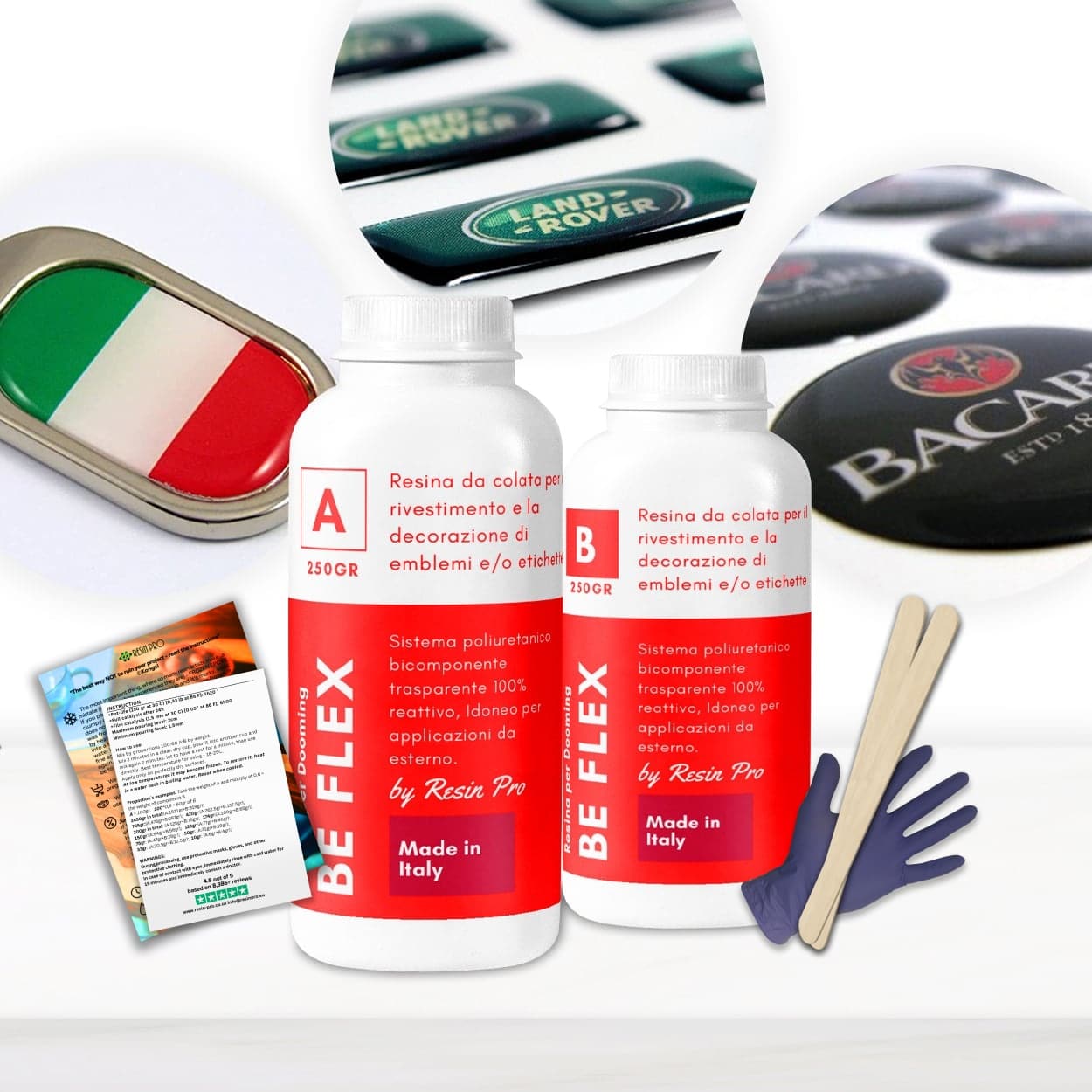 "Be Flex" – Transparent Polyurethane Doming Resin – Scratch-ResistantPrice range: £45.00 through £81.95"Be Flex" is a clear, flexible polyurethane resin that produces a self-healing, scratch-resistant 3D finish for curved surfaces.
Frequently Asked Questions
Can you pour epoxy resin on foam safely?
Yes, but only in thin layers and after sealing or priming delicate foams to prevent melting or distortion. Always test a small area first.
Which resin is best for a flexible coating on foam?
Use a polyurethane-based resin like Be Flex for flexibility, scratch resistance, and UV stability, especially on curved or compressible surfaces.
How thick can I apply epoxy resin over foam?
For most projects, keep it under 2cm with 'Trasparente' or up to 5cm with 'EpoxyTable 5-Five'. Thicker layers may cause overheating or foam distortion.
How do I avoid bubbles or melting when resining foam?
Seal the foam first, pour thin layers, and work at room temperature. Let each layer cure before applying the next.
Does resined foam become waterproof?
Yes, when properly applied, resined foam is sealed against water and moisture for long-lasting protection.
Can I use EpoxyWood on foam?
EpoxyWood is suitable for porous foam types needing deep, reinforcing penetration and waterproofing. Test for compatibility with your foam.