 Free shipping on orders over £29,85
  Shipping Tracking!


 Google
 Facebook
How is plasticized resin made?
Explore plasticised resin types and their creative applications
Curious about how plasticized resins are produced and what makes each type best suited for different creative or professional uses? This page unpacks the production methods and unique characteristics of several leading plasticised resins—including polyurethane and mineral-based systems—helping artists, craftspeople, and model makers select the most suitable solution for their next project.
Overview: Understanding Plasticized Resin Processes and Differences
Plasticised resins are created by combining chemical components to produce materials with variable flexibility, durability, and finish. The most common types today are two-part polyurethane systems and innovative water-based formulations. Polyurethane resins are mixed from separate ‘A’ and ‘B’ components, curing quickly and capturing intricate detail, while mineral resins achieve their strength through water activation, offering a unique alternative for safer, eco-friendly work. Key differences include working time, flexibility, finish, and suitability for colouring or outdoor use.
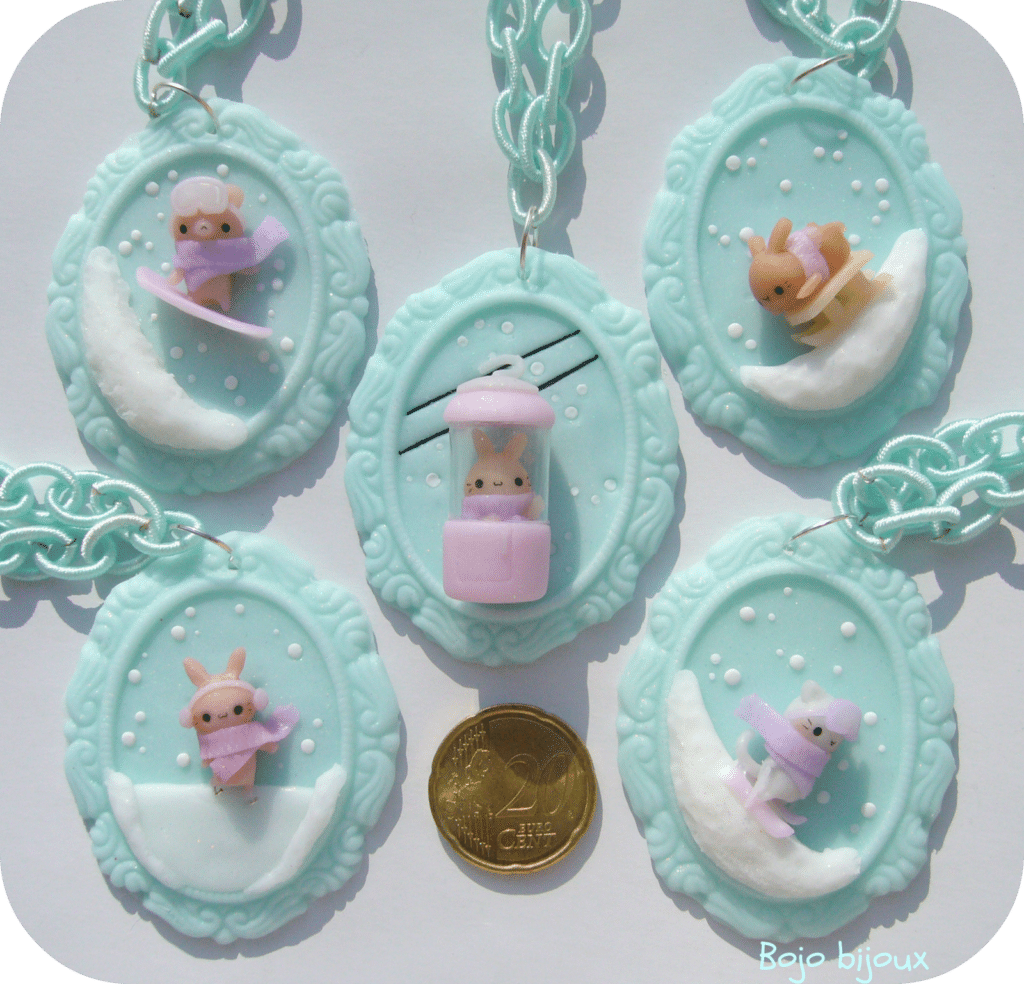
Visualising Plasticized Resin Creation
View step-by-step images showcasing the mixing, moulding, and curing of polyurethane and mineral resin systems, revealing both the precision of detail achieved and the diversity of possible finishes.
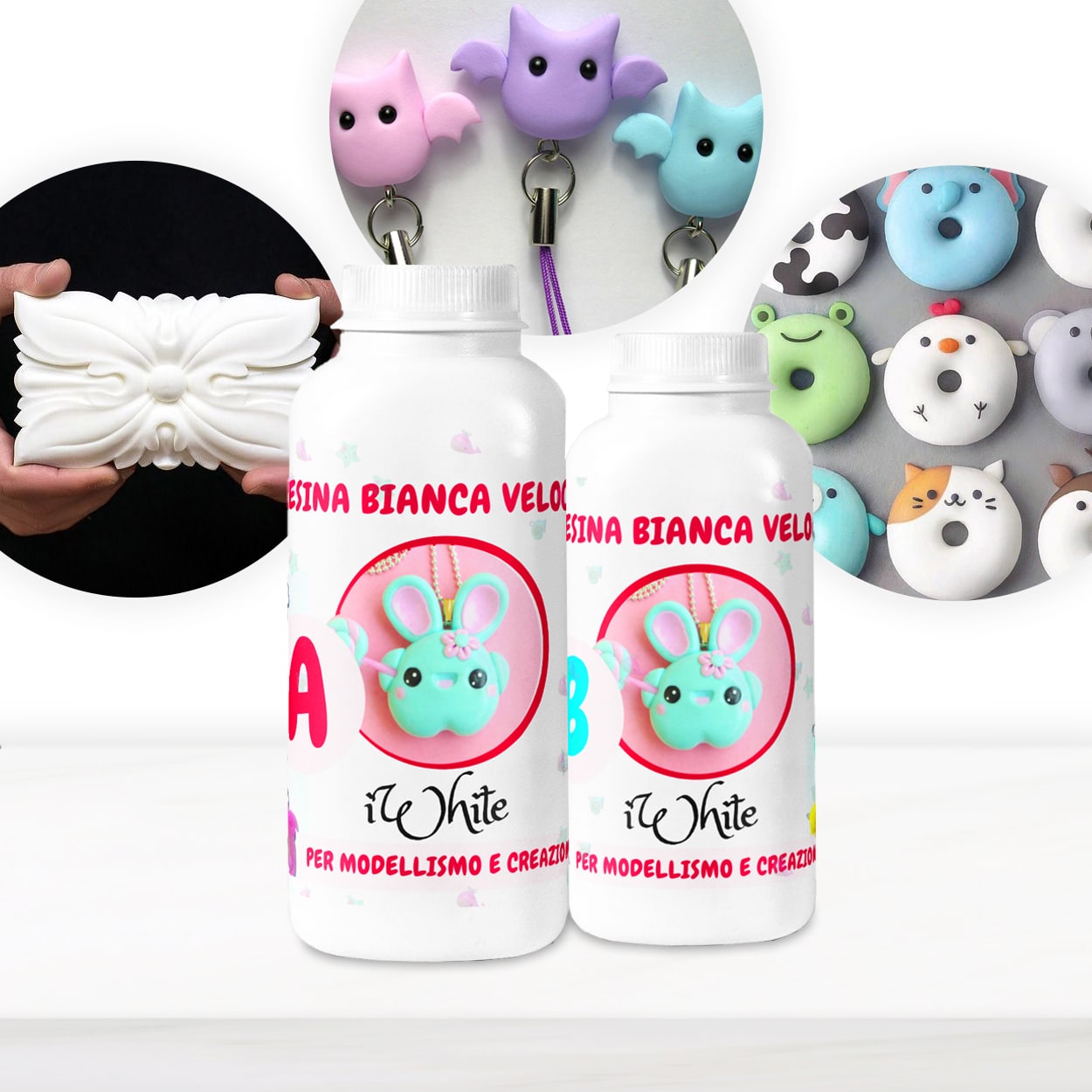
“IWhite” – Polyurethane Casting Resin – White, Fast-Curing Two-Part System
“IWhite” – Polyurethane Casting Resin – White, Fast-Curing Two-Part System demonstrates the classic two-component polyurethane process. A fast-curing resin, IWhite is highly fluid, making it adept at filling detailed moulds with minimal bubbles—excellent for model makers, hobbyists, or rapid prototyping. This system sets in about 30 minutes, allowing you to demould and finish projects quickly. You can colour the resin in its liquid stage or paint it after curing, making it versatile for creative finishes or precise replication.
- Fast-setting for efficient prototyping and model creation
- Colourable and paintable in liquid or cured state
- Captures fine details for accurate casting results
- Durable finish after full cure
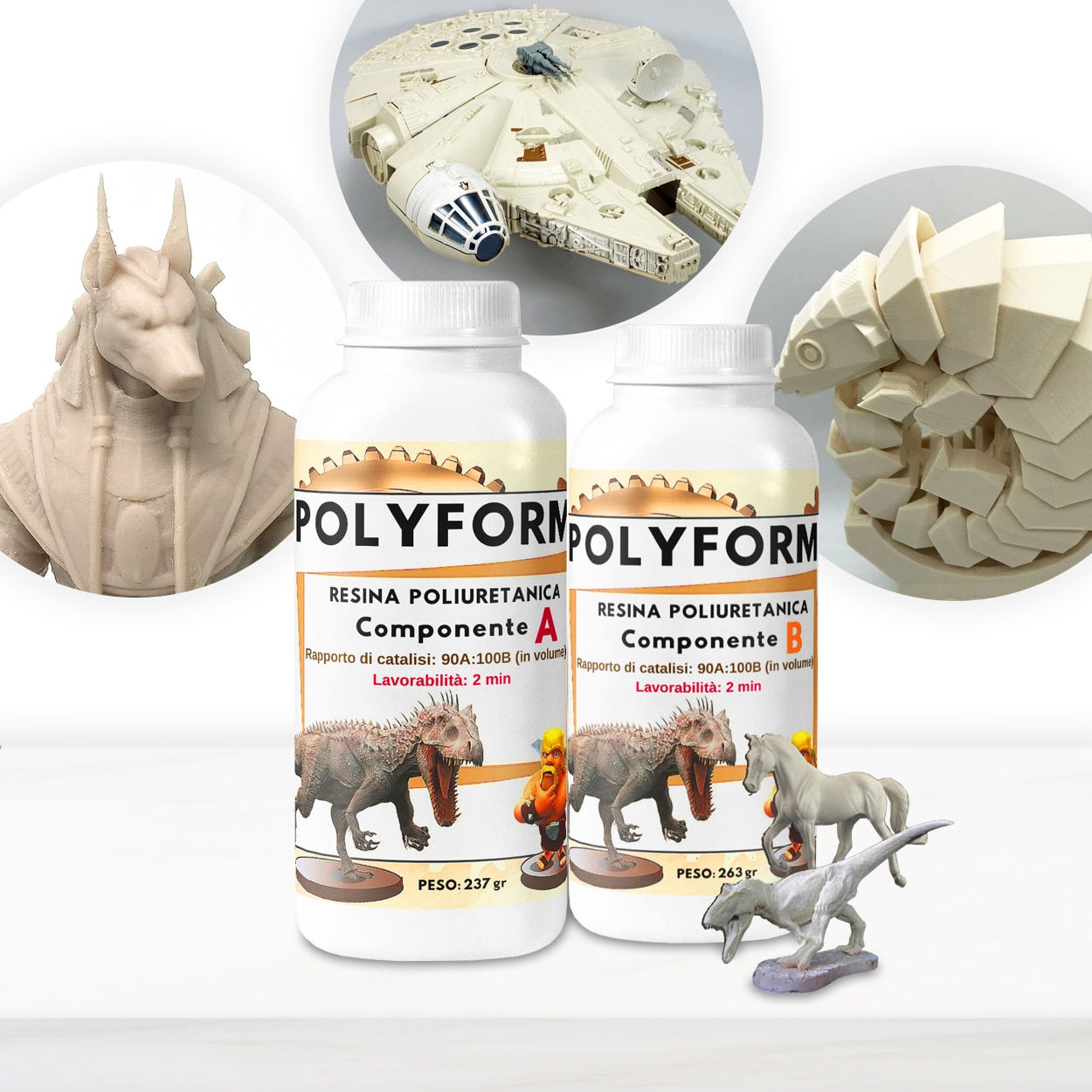
“Polyform” – Polyurethane Casting Resin, Beige, Fast-Setting for Prototyping
For those needing speed and robust results, Polyform – Polyurethane Casting Resin – Beige is engineered for fast setting and precise detail. This polyurethane formulation cures in about five minutes and can be demoulded in just 30, making it popular for small-batch production, model making, and prototyping. With a Shore A hardness of 100, Polyform is designed for wear resistance and safe, non-toxic use after curing—however, it is not intended for colouring after casting and is most effective in temperatures above 8–10°C.
- Fast setting: Cures in about 5 minutes, ready to demould in 30
- High fluidity: Perfect for complex silicone moulds and fine detail
- Non-toxic: Safe to handle once cured
- Durable: Shore A 100 hardness for wear resistance
“Be Flex” – Transparent Polyurethane Doming Resin – Scratch-Resistant
If flexibility and clarity are your main goals, “Be Flex” – Transparent Polyurethane Doming Resin – Scratch-Resistant leads the market in flexible, crystal-clear coatings. Be Flex is ideal for doming applications such as stickers, badges, or labels, with its self-healing, bubble-free finish. It is waterproof, UV and abrasion resistant, and stable in extreme temperatures. Its transparency and resilience are perfect for decorative and protective uses—especially on curved or irregular surfaces.
- Flexible, transparent finish – Exceptional flexibility for curved surfaces
- Scratch and abrasion resistant with self-healing – Maintains a pristine look over time
- Waterproof, non-yellowing, and UV resistant – Absolute outdoor durability
- Easy to apply – Compatible with paper, resin, and embedded LEDs
- Thermally resistant – Stable from -40°C to +80°C after curing
- Bubble-free, glossy finish – Professional, clear coating
- Cruelty Free and Vegan Friendly
“NatuResin” – Mineral Resin & Water System for Creative Casting and Crafts
Looking for an alternative to chemical-based plasticisers? “NatuResin” – Mineral Resin & Water System for Creative Casting and Crafts is a single-component, mineral resin that only needs tap water to activate. Its solvent-free formulation is non-toxic and VOC-free, safe to use without gloves. “NatuResin” is perfect for creative casting, providing a ceramic-like hardness after curing and customisable surfaces with pigments and paints. It’s ideal for crafting coasters, trays, pots, and more for both indoor and outdoor settings.
- Eco-friendly & VOC-free mineral resin formula
- Solvent-free and safe – no gloves required
- Ceramic-like hardness for indoor & outdoor use
- Customisable with pigments & paints after curing
Choosing the Right Plasticized Resin for Your Project
Selecting the best type of plasticised resin depends on your project requirements. If you need detailed castings and speed, a two-part polyurethane like “IWhite” or “Polyform” delivers reliable results. For projects demanding flexibility—such as protective labels—“Be Flex” shines. For eco-conscious, water-activated resin with ceramic-like properties, “NatuResin” is the contemporary choice. Always consider working time, safety profiles, colour compatibility, and the final look when making your selection.
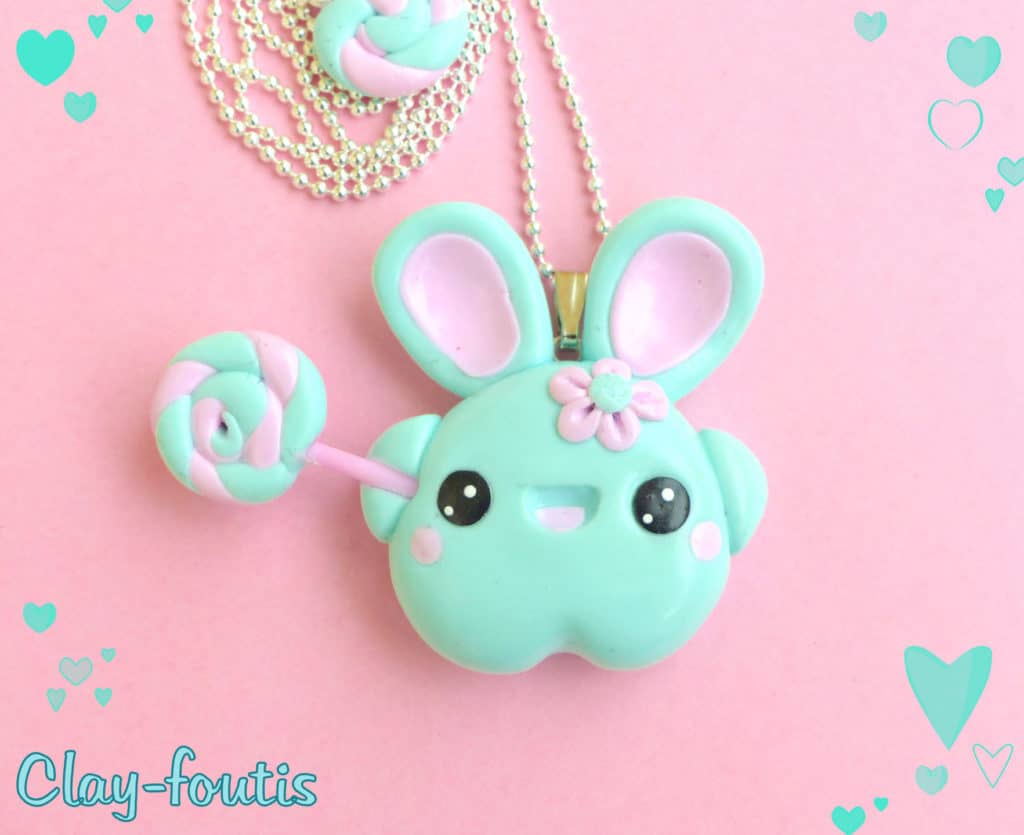
From Prototype to Decorative Piece
See finished examples—ranging from crisp prototypes to vibrant, flexible domed labels and outdoor crafts—highlighting the real-world results possible with each plasticised resin system.
- “IWhite” – Polyurethane Casting Resin – White, Fast-Curing Two-Part SystemPrice range: £24.00 through £36.95Fast-curing polyurethane resin designed for model makers and hobbyists, suitable for precise moulding and handcrafted creations.
- “Polyform” – Polyurethane Casting Resin, Beige, Fast-Setting for PrototypingPrice range: £15.95 through £141.95Polyform resin is a beige, fast-setting polyurethane suitable for prototyping and detailed casting needs aligned with the theme.
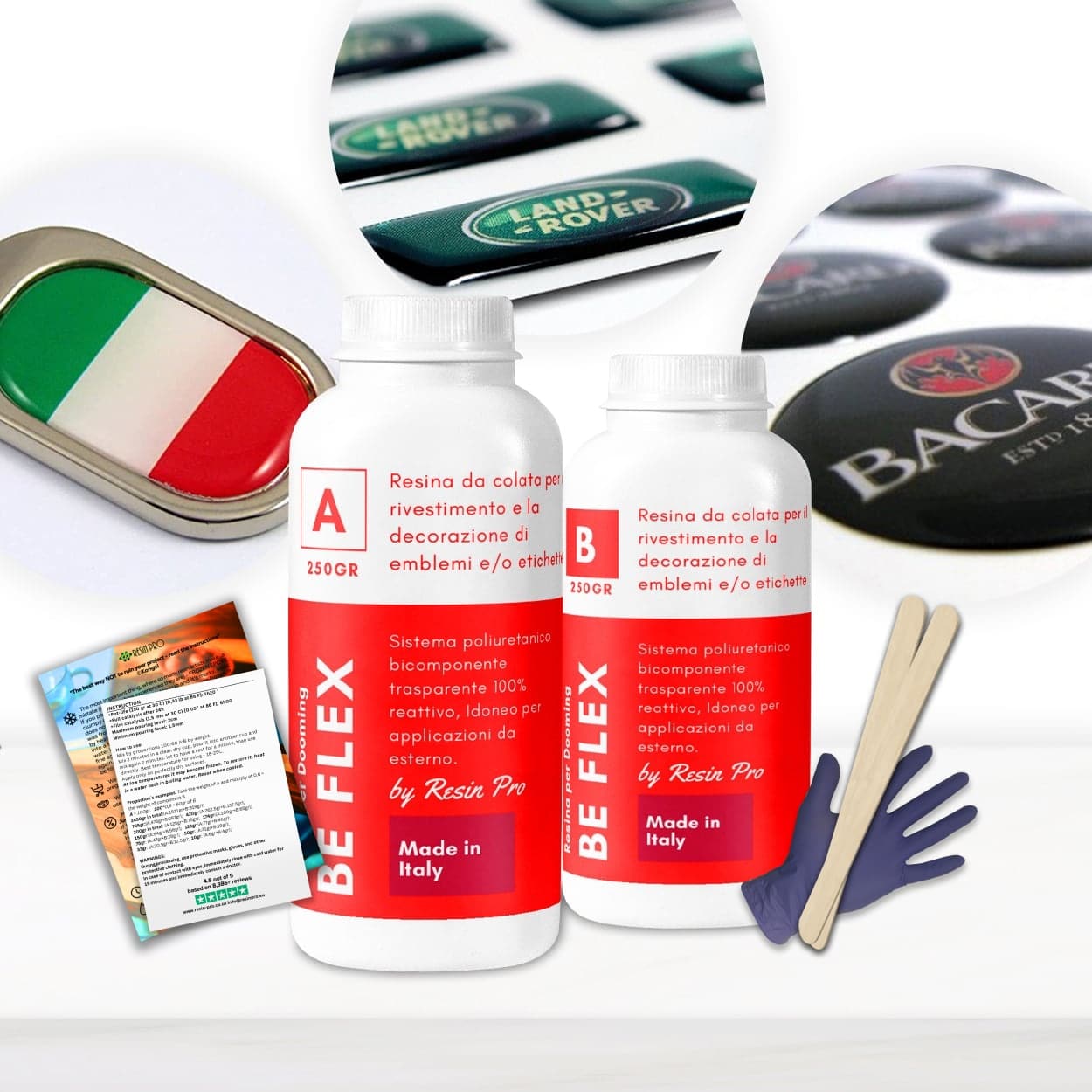 "Be Flex" – Transparent Polyurethane Doming Resin – Scratch-ResistantPrice range: £45.00 through £81.95"Be Flex" offers a transparent, flexible, and scratch-resistant finish suitable for stickers and badges with a clear bubble-free surface.
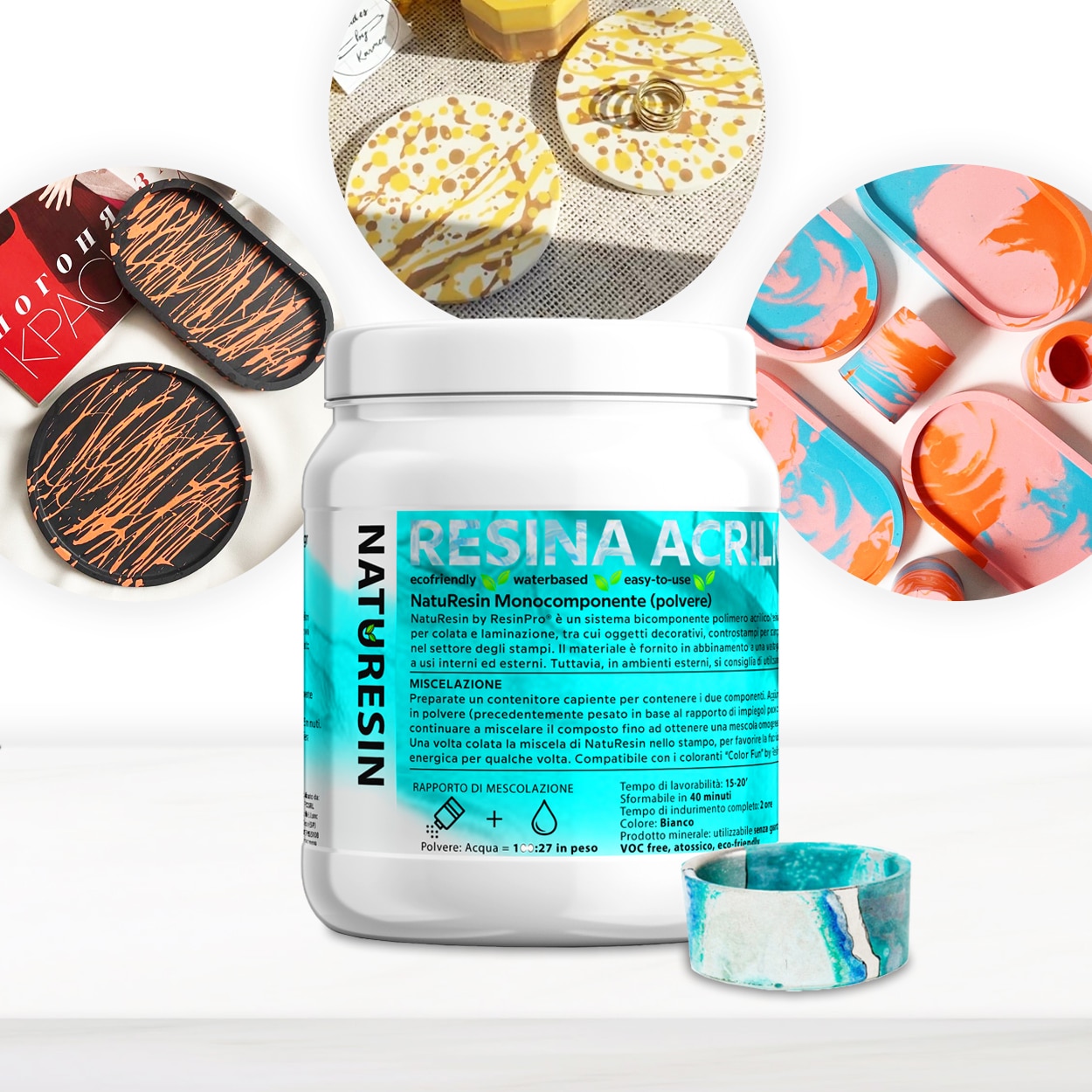 “NatuResin” – Mineral Resin & Water System for Creative Casting and CraftsPrice range: £18.95 through £104.95NatuResin is a water-activated mineral resin designed for creative casting projects, offering a non-toxic, ceramic-like finish for indoor and outdoor…
Frequently Asked Questions
How is plasticized resin produced?
Plasticized resin is typically made by combining two reactive components or activating a mineral resin with water, then pouring into a mould where it cures to form a solid piece.
What is the difference between polyurethane and mineral resin?
Polyurethane resins are generally two-part systems curing rapidly for strong, flexible results. Mineral resins use water activation for a safe, ceramic-like finish.
Can I colour or paint plasticized resins?
Some, like IWhite or NatuResin, are tintable or paintable. Others, such as Polyform, are not suitable for colouring after casting.
What makes a resin flexible or durable?
Polymer structure and the presence of plasticisers influence whether a resin is more flexible, rigid, or wear resistant after curing.
How do I use plasticised resin safely?
Always wear gloves and eye protection when mixing or pouring polyurethane types. Water-based mineral resins can generally be handled without gloves.
Which resin is best for fast prototyping?
Fast-curing polyurethanes like IWhite and Polyform allow for demoulding within 30 minutes, ideal for rapid workflows.
Is plasticized resin suitable for outdoor applications?
Many are—like Be Flex for UV-resistant coatings or NatuResin for ceramic-like outdoor crafts—but always check product recommendations.