 Free shipping on orders over £29,85
  Shipping Tracking!


 Google
 Facebook
How do you resin polystyrene?
Step-by-step process to coat polystyrene with epoxy resin
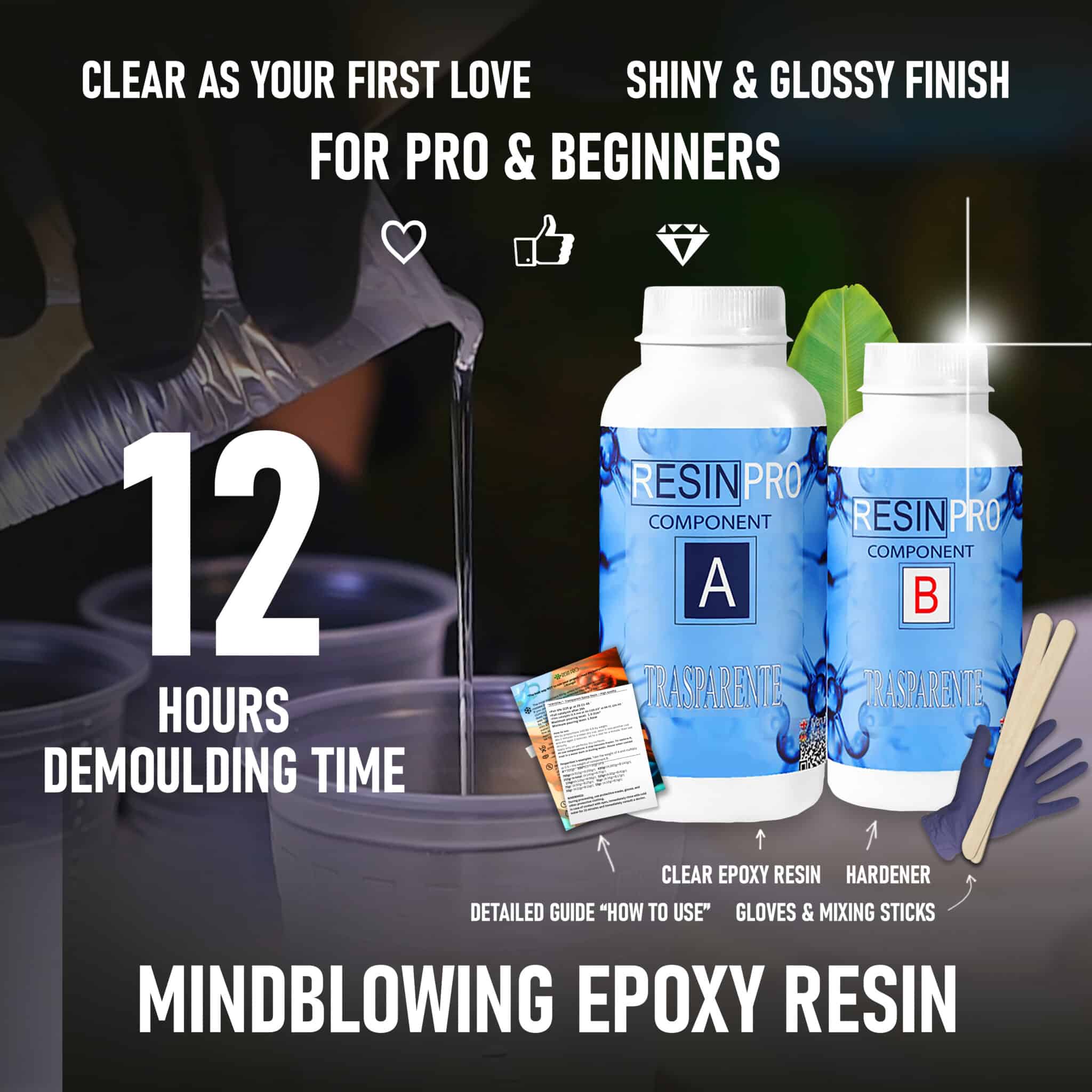
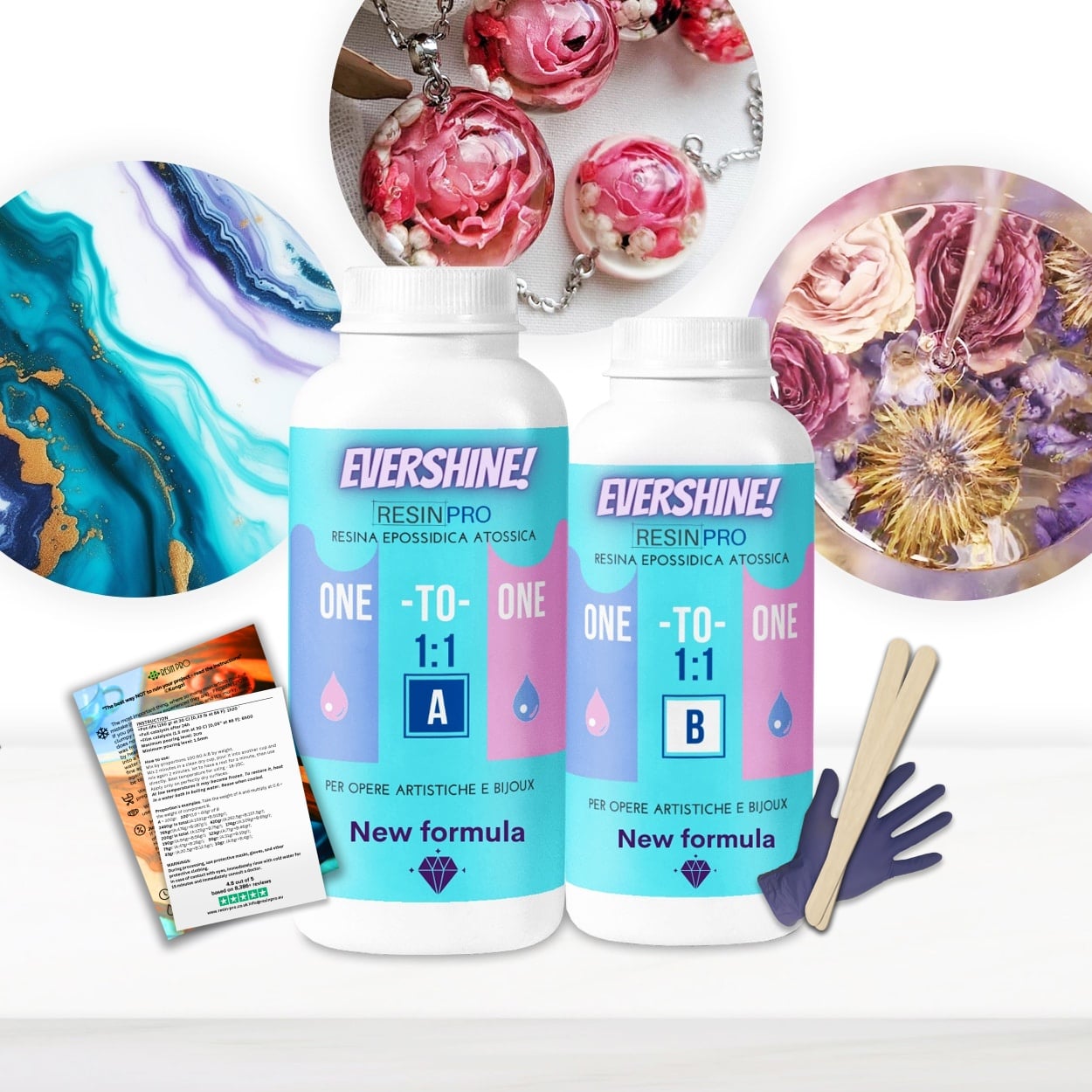
Resining polystyrene allows you to create a durable, high-gloss, and protective coating on lightweight foam shapes or models. Whether you’re creating sculptures, props, or decorative panels, using resin on polystyrene requires careful surface preparation and the right materials to ensure excellent adhesion without damaging the foam’s structure. This guide will walk you through the entire process, helping beginners and hobbyists achieve professional results without melt or warping issues.
What You’ll Need
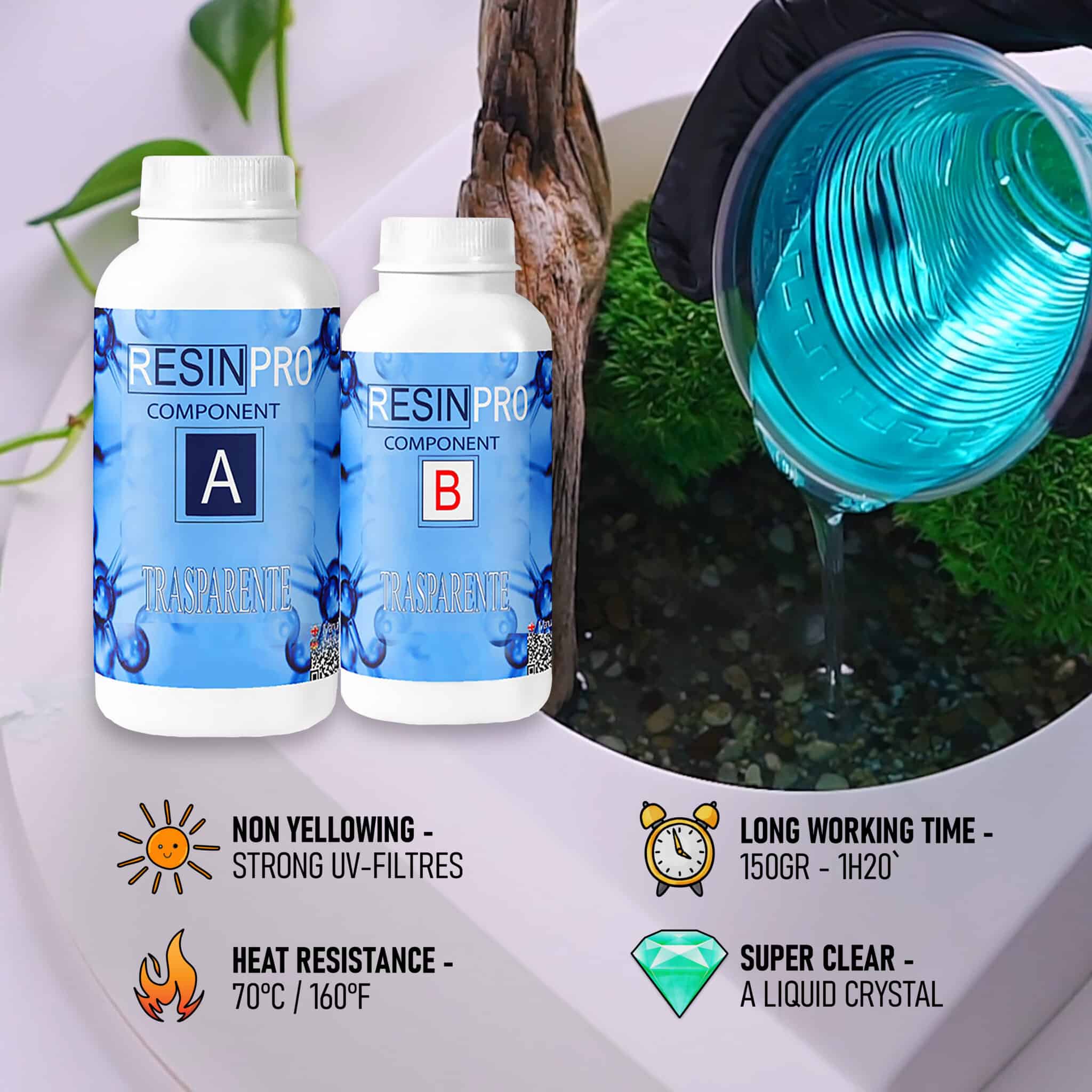
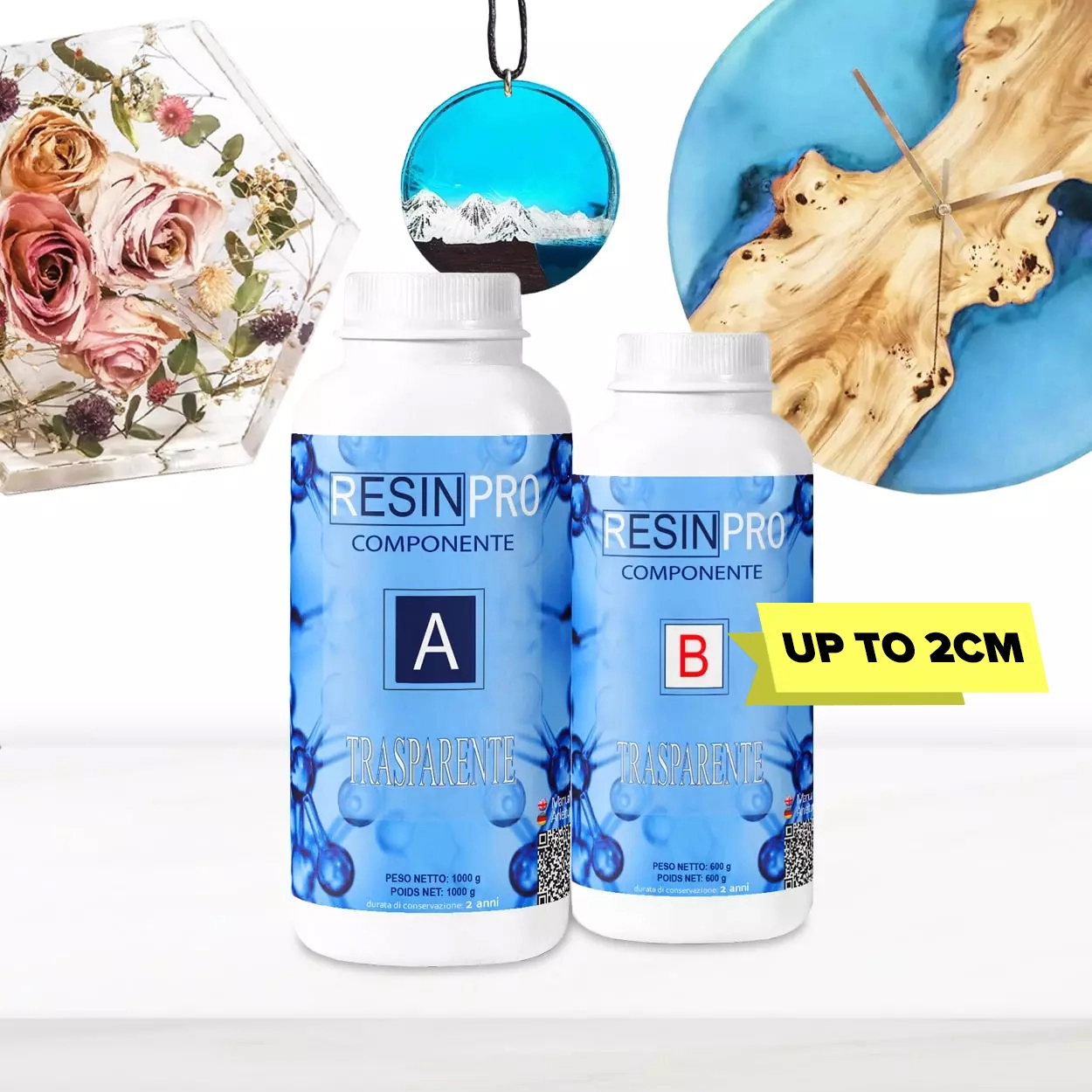
- “Trasparente” – Multipurpose Clear Epoxy Resin for Casting – Up to 2cm: Suitable for most polystyrene coating projects and offers a crystal-clear, non-yellowing finish.
- “One-2-One” – Epoxy Resin for Handcraft, 1:1 Mixing Ratio: Ideal for smaller items, such as detailed polystyrene models or craftwork, where easy mixing is beneficial.
- Smooth sanding block or fine sandpaper
- Clean, dry cloth
- Disposable mixing cups and sticks
- Synthetic brush or gloved hands for application
- Dust mask and gloves for safety
- Protective work surface (plastic sheeting or silicone mat)
Essential tools and material choices
Gather your materials before you begin, including protective gloves, a clean workspace, and a compatible epoxy resin. Check for good ventilation and ensure your polystyrene is free from dust or oils.
Step 1: Choose a compatible epoxy resin
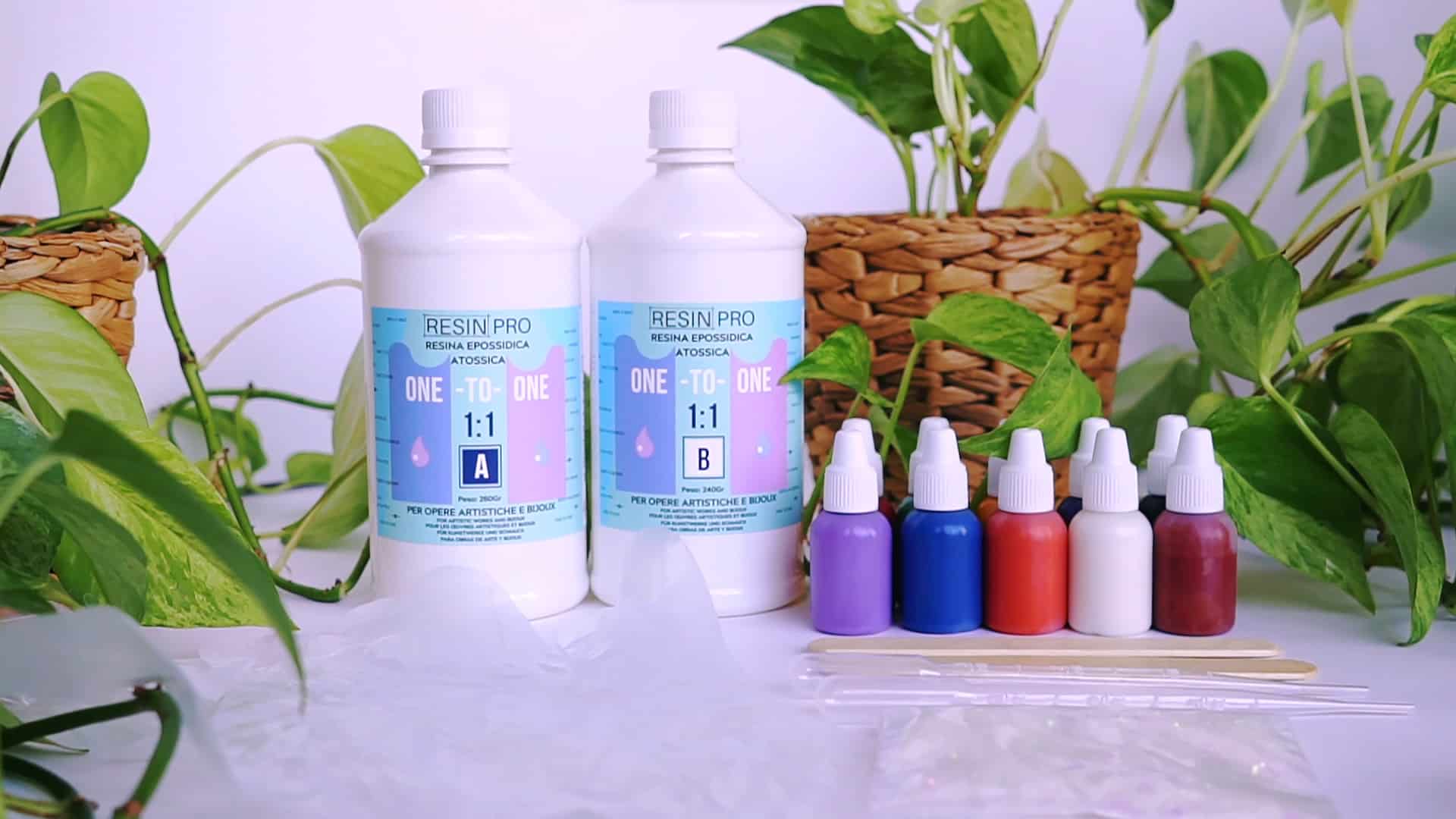
Not all resins are suitable for use on polystyrene, as certain solvent-based or aggressive formulations can dissolve or warp the foam. Opt for a gentle, two-part epoxy resin designed for creative or craft purposes. For larger or sculptural pieces, “Trasparente” – Multipurpose Clear Epoxy Resin for Casting – Up to 2cm provides an ultra-clear, durable finish that won’t damage the underlying polystyrene. For small, intricate models, the 1:1 mixing ease of “One-2-One” – Epoxy Resin for Handcraft makes it straightforward for precise application.

Step 2: Seal the polystyrene surface
Polystyrene foam naturally contains pores and can be sensitive to liquid penetration. To avoid bubbles or unwanted melting, first protect the surface by brushing on a thin layer of PVA glue, acrylic paint, or dedicated foam primer. Allow this sealer to dry thoroughly. This step also minimises air escaping into the resin, preventing blemishes in your final coat. Ensure your workspace is dust-free to ensure a smooth result.
Step 3: Mix and apply epoxy resin carefully
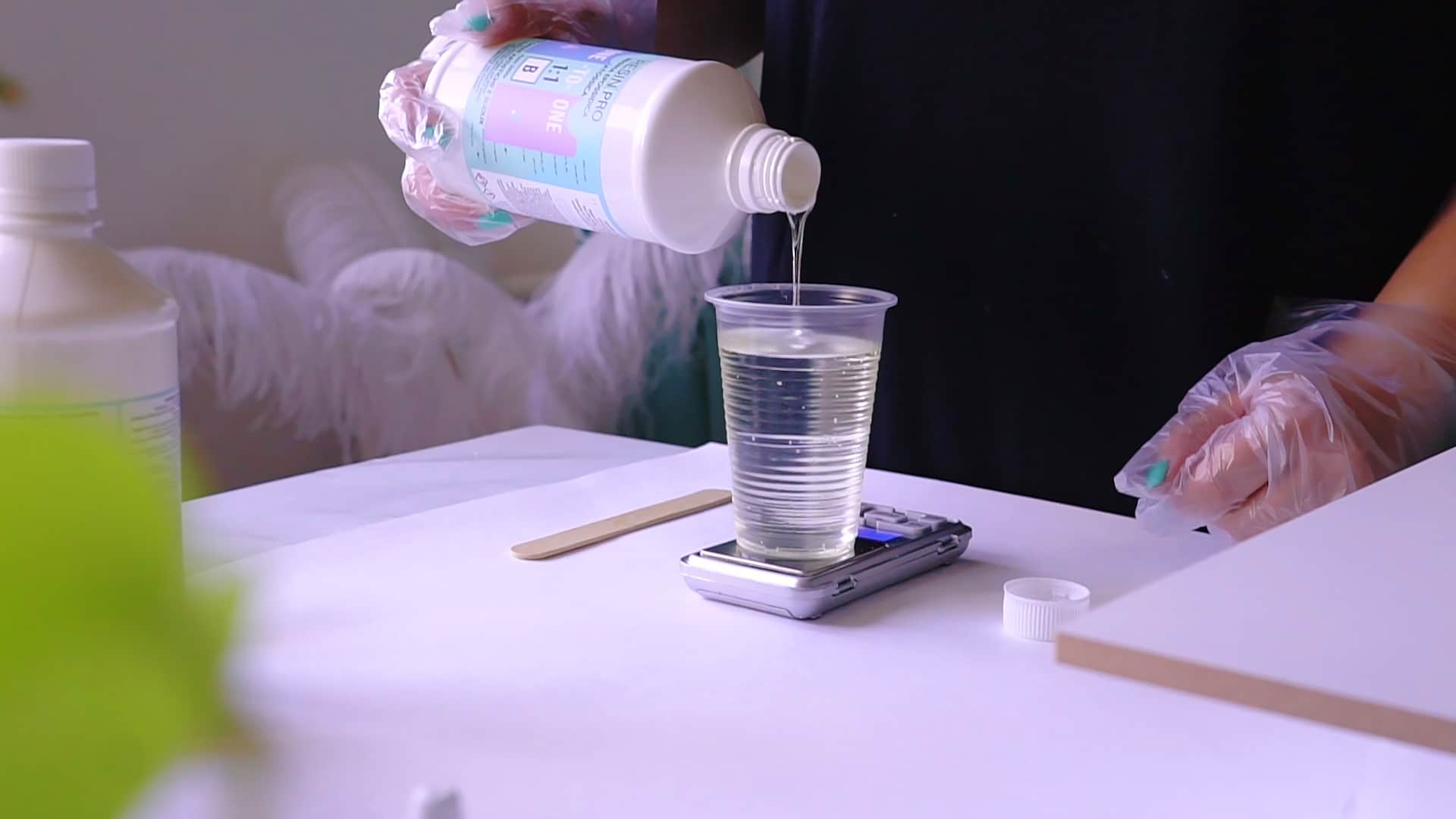
Prepare your chosen epoxy resin as per the manufacturer’s instructions, paying attention to mixing times and ratios. Wear gloves and keep your work area well-ventilated. Mix slowly to avoid incorporating air bubbles. Using a synthetic brush or gloved hands, gently apply a thin, even coat of resin to the sealed polystyrene. For smaller projects with tight details, choose a resin such as “One-2-One” for easy handling. For larger surfaces, “Trasparente” ensures clarity and spreadability. Avoid overworking the surface as this may dislodge the sealer below.
Step 4: Allow proper curing and finishing
Let the coated item cure on a level, dust-free surface as recommended by your chosen resin. Most epoxies for creative use require between 12 and 24 hours for full curing. Avoid touching or moving the object during this period to prevent marks or drips. Once fully cured, you can sand minor imperfections or apply a second coat for added depth and durability. Always wear a dust mask when sanding epoxies, as fine particles can be harmful if inhaled.
Tips, common mistakes, and troubleshooting
Always test your resin system on a small piece of polystyrene first to check compatibility and finish. Avoid using heat guns directly on polystyrene, as excessive heat can deform the foam. If you notice bubbles forming, a light pass with a flame above the wet resin may help, but do not hold the heat source too close. Ensure your sealer is completely dry before applying epoxy to prevent cloudiness and poor adhesion. Patience is key—allow each layer to fully cure before adding more or handling the object.

Practical tips for perfecting your resin finish
Work slowly and deliberately—rushing leads to drips or missed spots. Double-check your mix ratio and allow sufficient curing time between coats for maximum clarity and durability.

- "Trasparente" – Multipurpose Clear Epoxy Resin for Casting – Up to 2cmPrice range: £8.95 through £397.95"Trasparente" offers an ultra-clear, self-levelling finish suitable for layers up to 2cm, supporting a variety of detailed casting and woodworking…
- "One-2-One" – Epoxy Resin for Handcraft, 1:1 Mixing RatioPrice range: £15.95 through £59.95"One-2-One" epoxy resin is a medium viscosity resin designed for handcraft projects with a clear, glossy finish and an easy 1:1 mixing ratio.
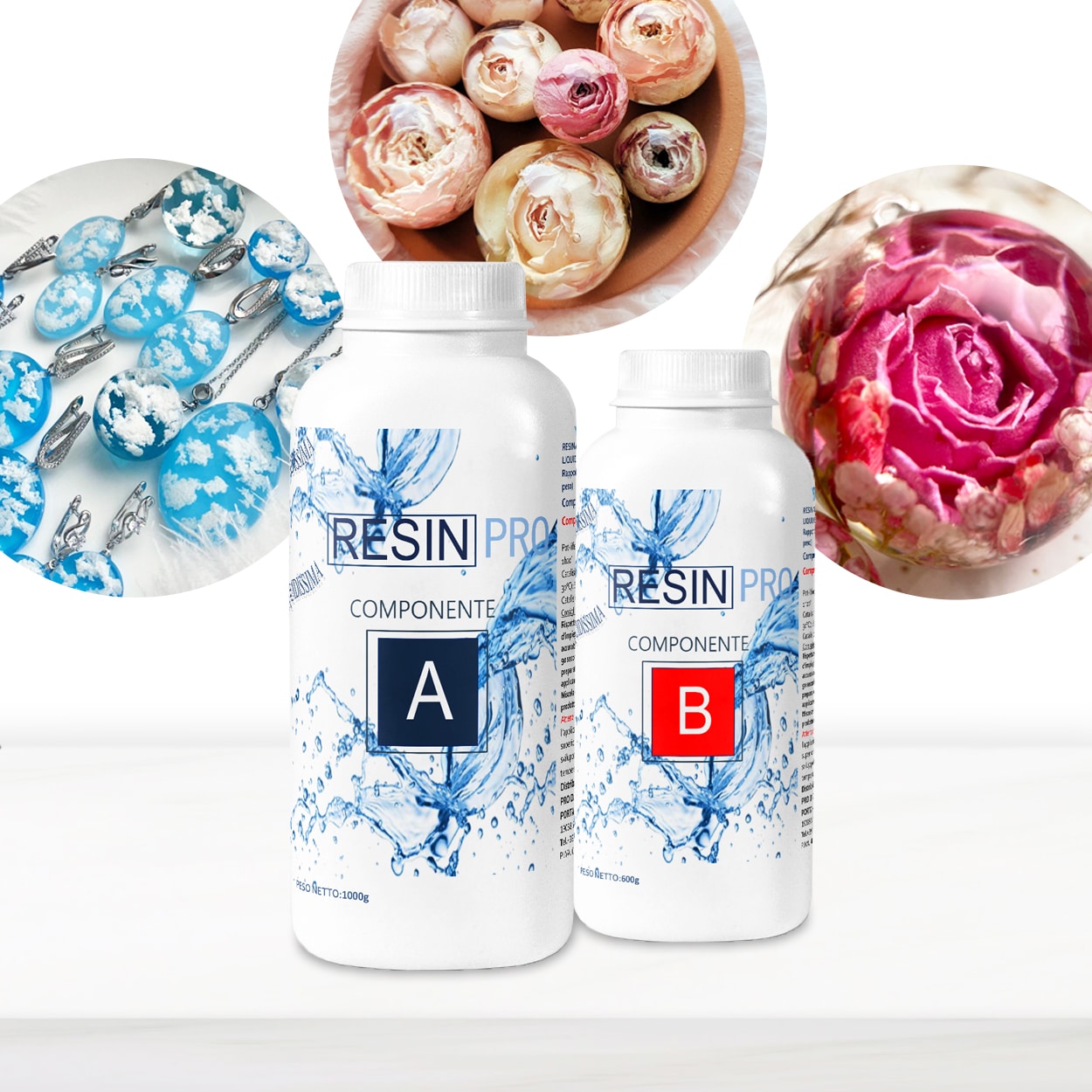 "Liquidissima" – Epoxy Resin For Creations & JewelleryPrice range: £12.85 through £31.85Liquidissima offers clear, low-viscosity epoxy suitable for detailed resin jewellery with a self-levelling finish.
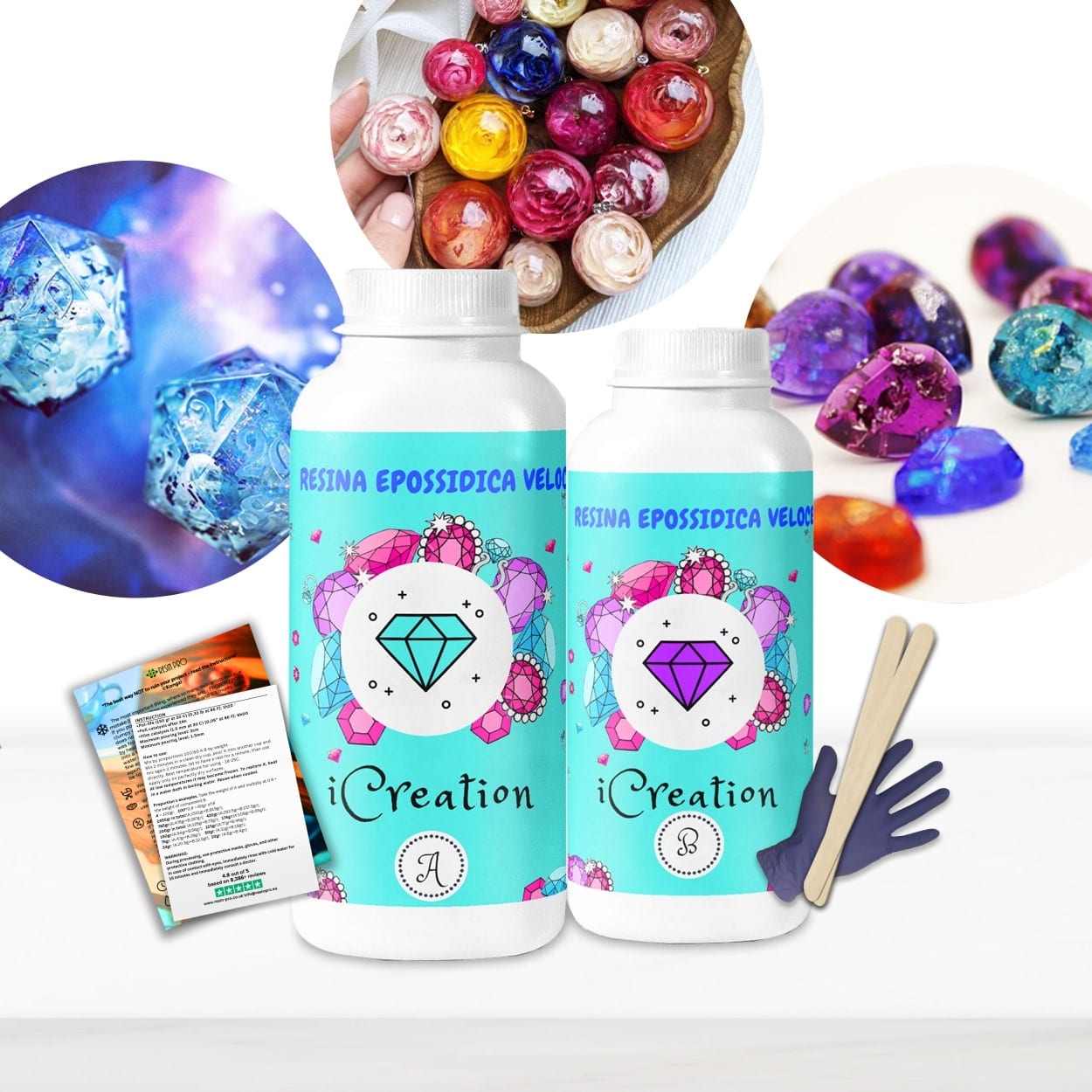 "ICreation" – Fast Epoxy Resin, 6h Demoulding, Transparent Gloss FinishPrice range: £15.95 through £55.95ICreation fast epoxy resin cures quickly to a crystal-clear, glossy finish, suitable for jewellery and decorative art under a 'How do you resin…
Frequently Asked Questions
Will epoxy resin melt polystyrene foam?
Most two-part epoxy resins are safe for polystyrene if the foam is properly sealed first. Avoid solvent-based resins which can cause melting.
How can I prevent bubbles when resining polystyrene?
Apply a sealing layer before resining and mix your epoxy slowly to minimise trapped air. Use gentle heat sparingly to release surface bubbles.
Is PVA glue good for sealing polystyrene before resin?
Yes, PVA glue works well as a sealer for polystyrene before applying epoxy resin. Let it dry completely for best results.
How long should resin cure on polystyrene?
Cure times vary, but most creative epoxies require 12–24 hours for a hard, durable finish on polystyrene models or sculptures.
Can I sand epoxy-coated polystyrene?
Yes, once fully cured, sand gently with fine paper to smooth imperfections. Wear a dust mask to avoid inhaling epoxy particles.
Do I need multiple resin coats on polystyrene?
One coat is usually sufficient for sealing, but a second layer can enhance gloss or fill any minor defects on textured surfaces.