 Free shipping on orders over £29,85
  Shipping Tracking!


 Google
 Facebook
How do you use epoxy putty for iron?
Step-by-step guide for durable iron repairs with epoxy
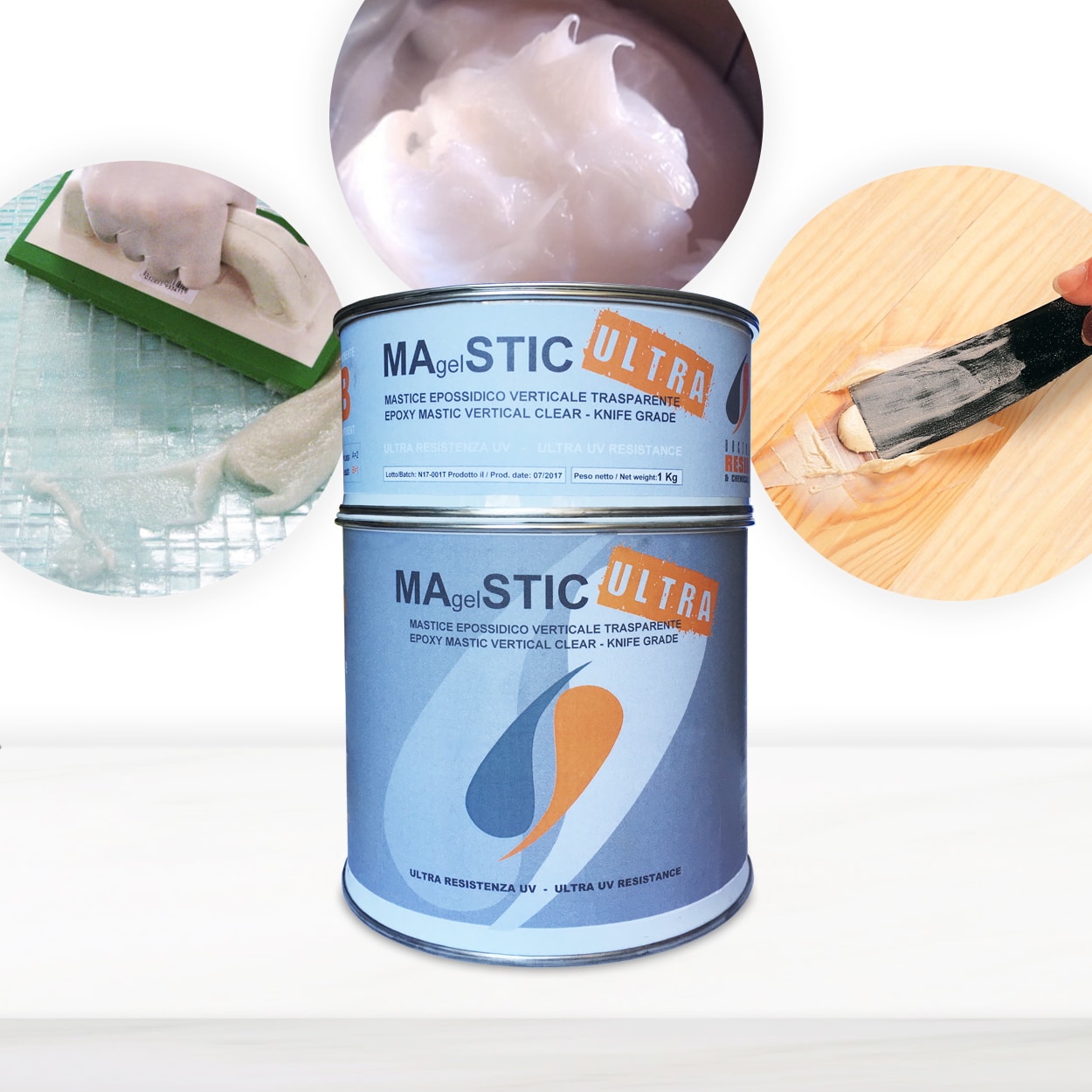
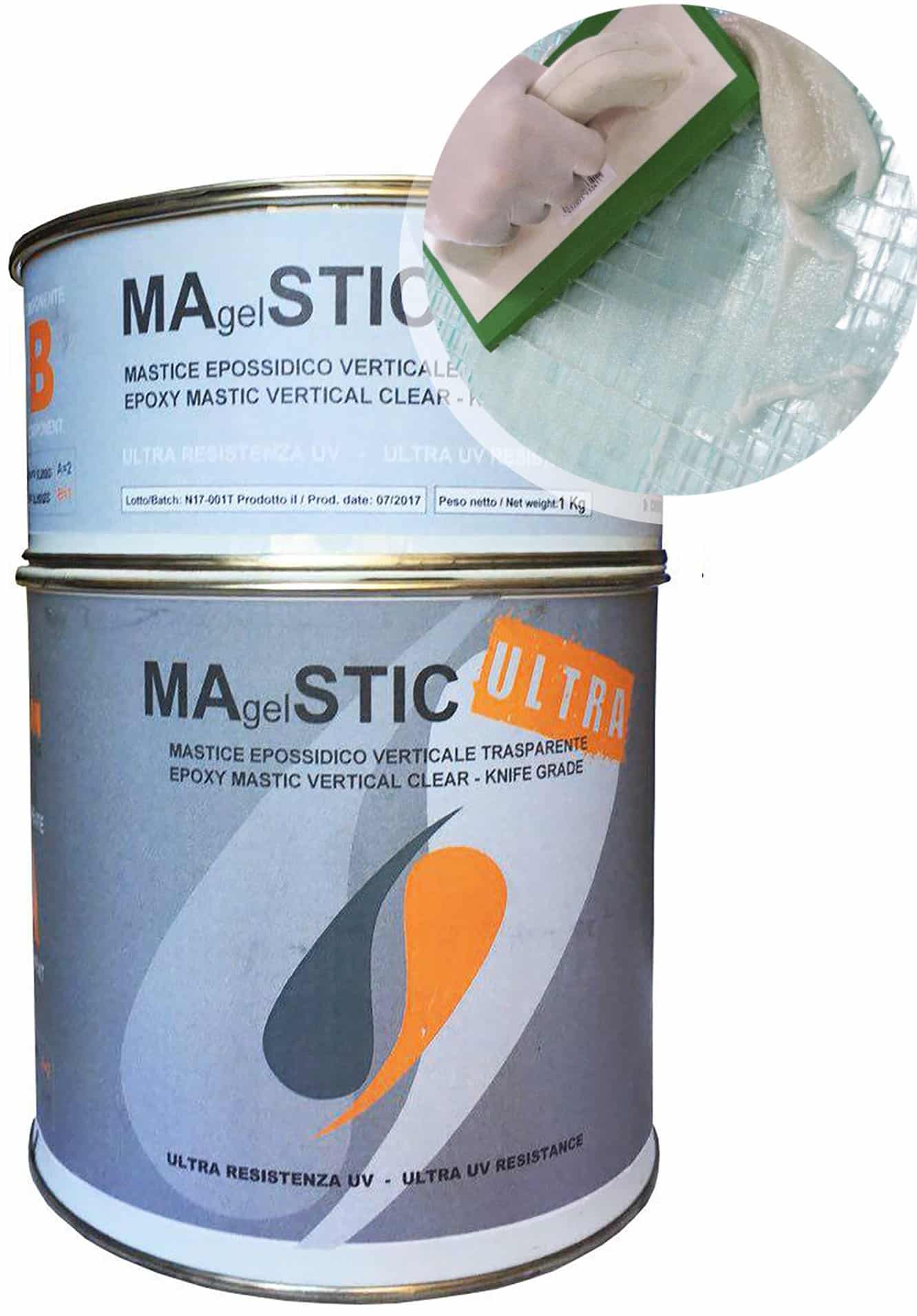
Repairing iron with epoxy putty restores strength, stability, and appearance to metals affected by cracks, holes, or corrosion. Whether fixing tools, gates, pipes, or household items, the right approach ensures your repairs last and remain visually neat. This guide covers everything you need to know, from preparing the iron surface to applying, shaping, and finishing the epoxy putty for reliable results.
What You’ll Need
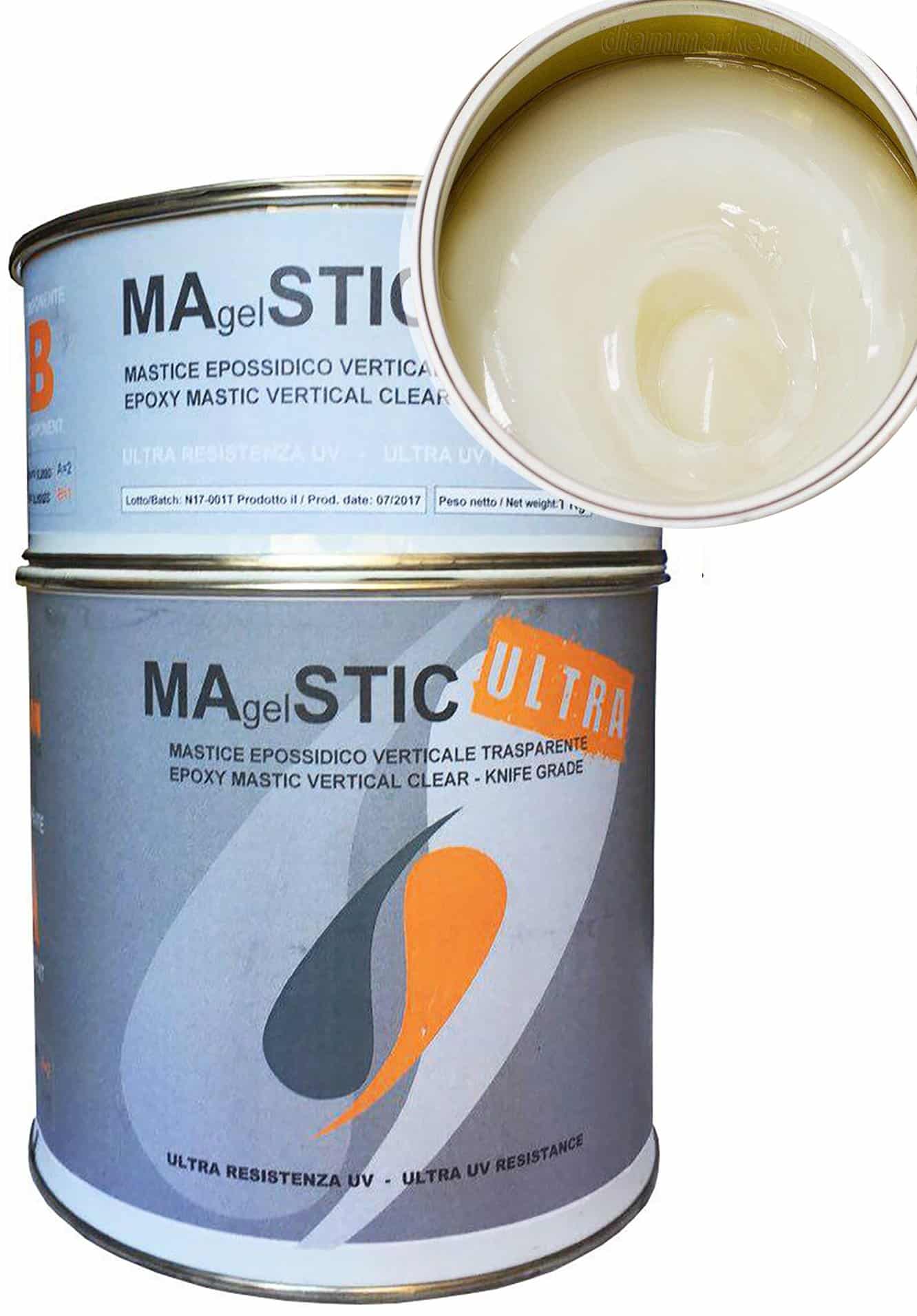
- “Magelstick” – Epoxy Mastic for Stone, Metal, and Cement Bonding and Grouting – professional bi-component epoxy putty, excellent for iron repair.
- “Klebfix” – Two-Component Fast Epoxy Glue 2K, 25g Syringe – quick-setting adhesive for metal patches or emergency fixes.
- “FixExpress” – Two-Component Epoxy Glue 500g – ideal for swift, strong bonds with iron and mixed materials.
- CROP 2K Fiberglass Putty – 750 ml + Hardener – for deep filling, reinforced strength, and bodywork repairs on metal.
- Protective gloves and eye protection
- Sandpaper or wire brush
- Clean cloth and suitable degreaser
- Mixing tools and spatula
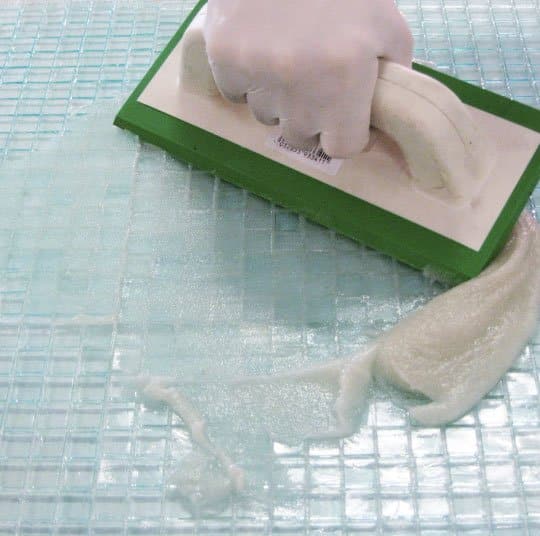
Visual Comparison: Epoxy Putty Types for Iron Repairs
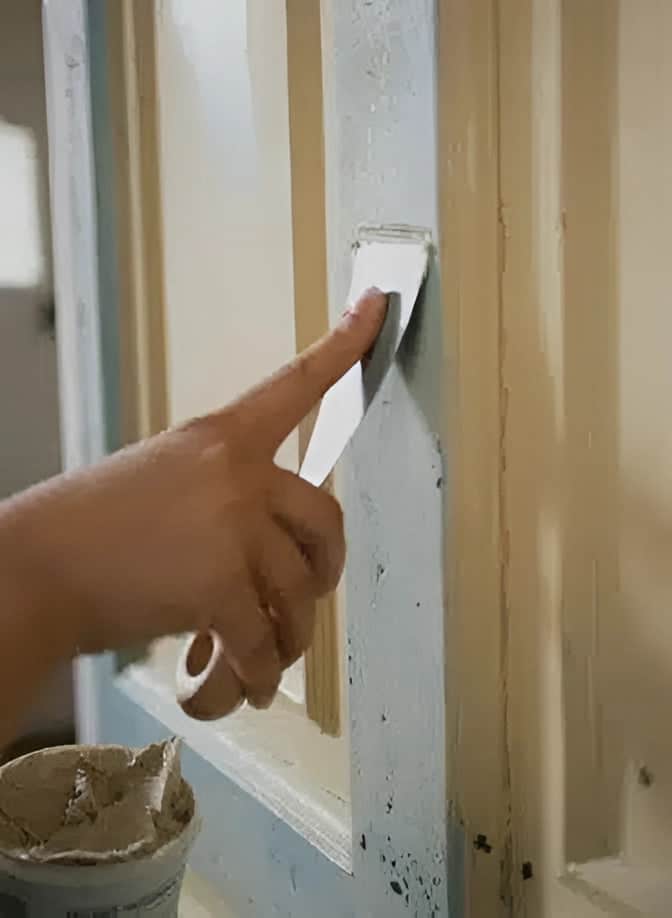
View examples showing different applications of epoxy putties and glues on iron surfaces. Notice the difference between standard epoxy and fibreglass-reinforced putties for deep fills, as well as the finish achievable on detailed ironwork or structural repairs.
Step 1: Prepare and Clean the Iron Surface
Surface preparation is the foundation of a lasting repair. Begin by removing any loose rust, old paint, or debris from the iron using sandpaper, a wire brush, or similar abrasive. This exposes fresh metal and allows the epoxy putty to grip securely. Next, thoroughly degrease and dry the area – any oil or moisture can prevent proper adhesion. Cleanliness is crucial. For best results, work in a well-ventilated area and wear gloves to keep skin oils away from the repair site.


Step 2: Mix the Epoxy Putty Correctly
Epoxy putties and glues often come as two separate components. To activate them, measure the specified ratios (commonly 1:1 or 100:50, as directed) and mix until you obtain a consistent colour with no streaks. Some products, such as “Magelstick” – Epoxy Mastic for Stone, Metal, and Cement Bonding and Grouting, are formulated for precise blending and gap-filling on vertical or overhead iron surfaces. Take care to only combine what you need, as workable time is limited once mixed.
Step 3: Apply the Putty and Shape the Repair
Immediately after mixing, use a spatula or gloved fingers to press the putty firmly into cracks, holes, or joints on the iron. Cover the entire damaged area, allowing extra material for sanding and finishing if needed. For challenging repairs or rapid fixes, a product like “FixExpress” – Two-Component Epoxy Glue 500g offers quick setting for small breaks or precise applications. Smooth the surface with a spatula or dampened finger. If reinforcing with a patch, you might use CROP 2K Fiberglass Putty – 750 ml + Hardener for extra strength and filling deep cavities in ironwork.


Step 4: Allow to Cure and Finish
Epoxy putty cures over a specific time, usually from several minutes to hours. As it sets, avoid moving or disturbing the repair. Allow for the complete cure. Once hardened, sand the repair smooth to blend with the surrounding iron. Clean off dust and, if needed, apply primer and paint for protection and aesthetics. This final step ensures not only mechanical strength but also a neat visual appearance that matches the original ironwork.
Tips and Common Mistakes to Avoid
Surface preparation mistakes—such as leaving behind rust or grease—are the top cause of bond failure. Always work on a fully clean surface. Rushed mixing or application can result in incomplete curing or weak spots, so measure and blend carefully. Finally, allow for full curing: premature sanding or loading may compromise long-term durability. Use suitable products for your repair size, setting time, and environment (indoor or outdoor).

Gallery of Iron Repairs with Epoxy Putty
Examine before-and-after photos of iron items fixed with epoxy putty—ranging from large outdoor railings to intricate detail work. See the varied results from using fast-setting and reinforced products for tough and lasting metal repairs.
- "Magelstick" – Epoxy Mastic for Stone, Metal, and Cement Bonding and Grouting"Magelstick" Epoxy Mastic is designed for bonding and grouting stone, metal, and cement, suitable for vertical surfaces in interior and exterior use.
- "Klebfix" – Two-Component Fast Epoxy Glue 2K, 25g Syringe£24.00The "Klebfix" epoxy glue is designed for fast, reliable bonding of plastic, metal, wood and glass in professional and DIY contexts.
- "FixExpress" – Two-Component Epoxy Glue 500g£26.95"FixExpress" is designed for rapid repairs and strong adhesion across many materials, suitable for quick and precise fixing tasks.
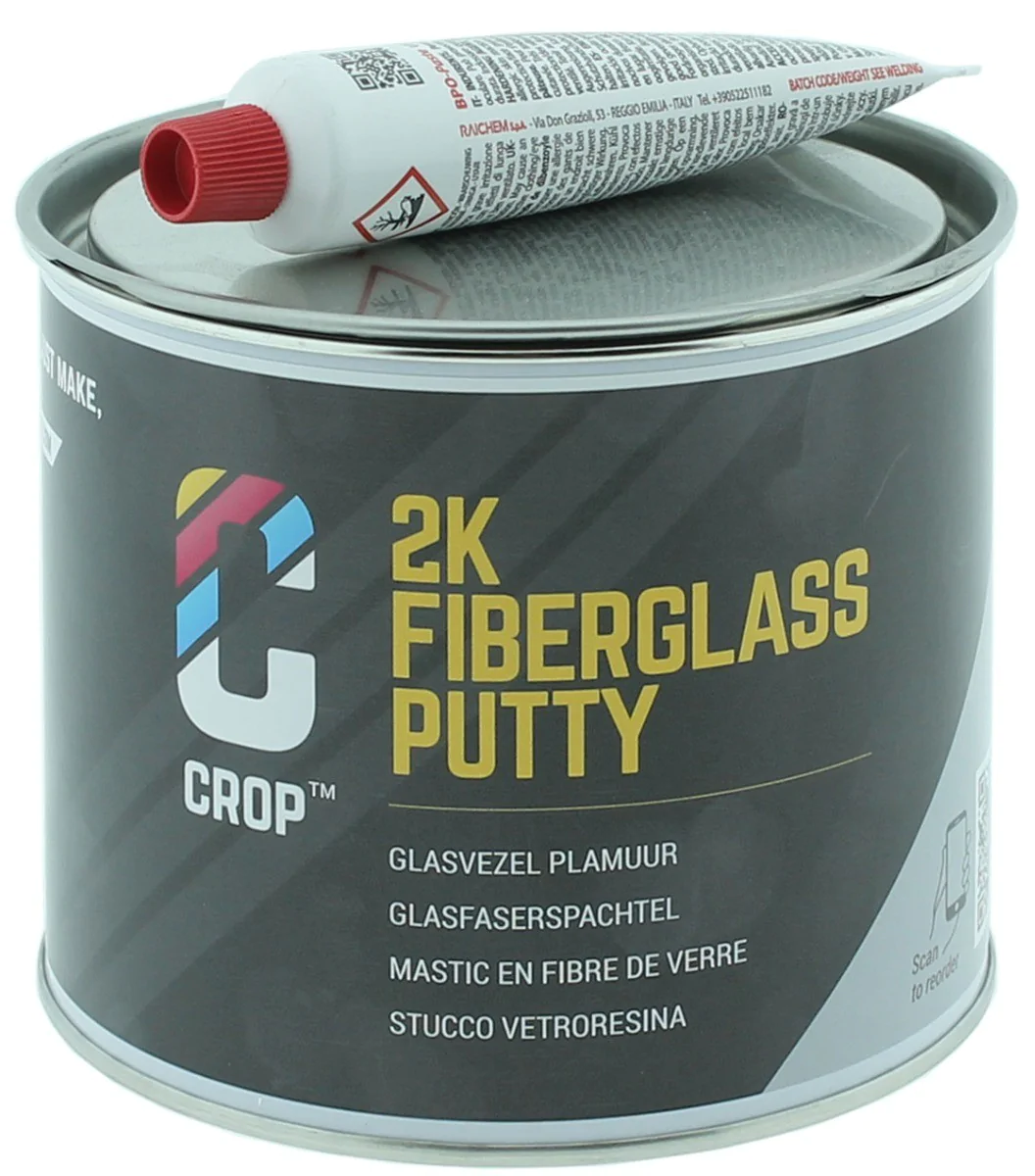 CROP 2K Fiberglass Putty – 750 ml + Hardener£15.85CROP 2K Fiberglass Putty is a reinforced polyester putty designed for durable repairs in line with the theme of using epoxy putty on iron.
Frequently Asked Questions
Can epoxy putty be used to repair iron?
Yes, epoxy putty bonds well to iron and creates durable, rust-resistant repairs suitable for structural and cosmetic fixes.
How should I prepare iron before applying epoxy putty?
Remove any rust, paint or grease with sandpaper and a degreaser. Ensure the metal is clean and dry for optimal adhesion.
How long does epoxy putty take to set on iron?
Most epoxy putties set in 5–30 minutes depending on product and conditions, with full strength achieved after several hours.
Can I sand and paint over epoxy putty repairs on iron?
Yes, once cured, epoxy putty can be sanded smooth and finished with suitable primers and paints for protection.
Is epoxy putty weather-resistant for outdoor ironwork?
Many epoxy putties are weather and UV-resistant, making them suitable for outdoor use on gates or railings.
Which epoxy putty is best for filling deep holes in iron?
Fibreglass-reinforced putties offer extra strength for deep fills or large repairs on iron and steel surfaces.