 Free shipping on orders over £29,85
  Shipping Tracking!


 Google
 Facebook
How are resin rings made?
Your complete beginner’s guide to mastering resin ring creation


Resin rings have captured the imagination of jewellery crafters with their vibrant colours, preserved botanicals, and endless customisation possibilities. This guide walks you through the process of making beautiful resin rings, covering preparation, pour, demoulding, and finishing, so your unique pieces stand out from the crowd.
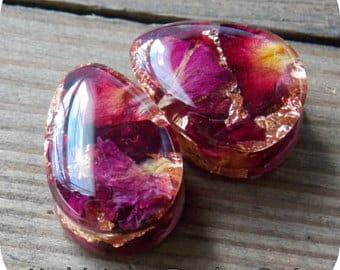
What You’ll Need
- “Liquidissima” – Epoxy Resin For Creations & Jewellery: Epoxy resin for clear, intricate forms
- “UV–Creation” – Fast Acrylic Resin, 3 Minute UV Cure: Quick-curing UV resin for instant projects
- Silicone ring moulds suitable for epoxy or UV resin
- Pigments, dried flowers, or decorative elements (optional)
- Mixing cups, sticks, gloves, and a mask for safety
- UV lamp (for UV resin only)
- Files and fine sandpaper for finishing

Step-by-step visuals: Resin ring making
See each stage: From prepping the mould to demoulding the finished resin ring, step-by-step photos help visualise correct technique and possible effects.
Step 1: Prepare Your Workspace and Materials
Before you begin, ensure your work area is dust-free, well-ventilated, and covered with disposable paper. Gather your silicone moulds and layout all gloves, tools, pigments, or embellishments you’d like to include within your rings. Always wear gloves and work in a ventilated area when pouring resin. This prevents skin contact and ensures a safer experience.
If using epoxy resin, carefully read your resin’s instructions. For intricate designs and lengthy working times, a low-viscosity resin like Liquidissima helps avoid trapped air bubbles and allows easy embellishment positioning.
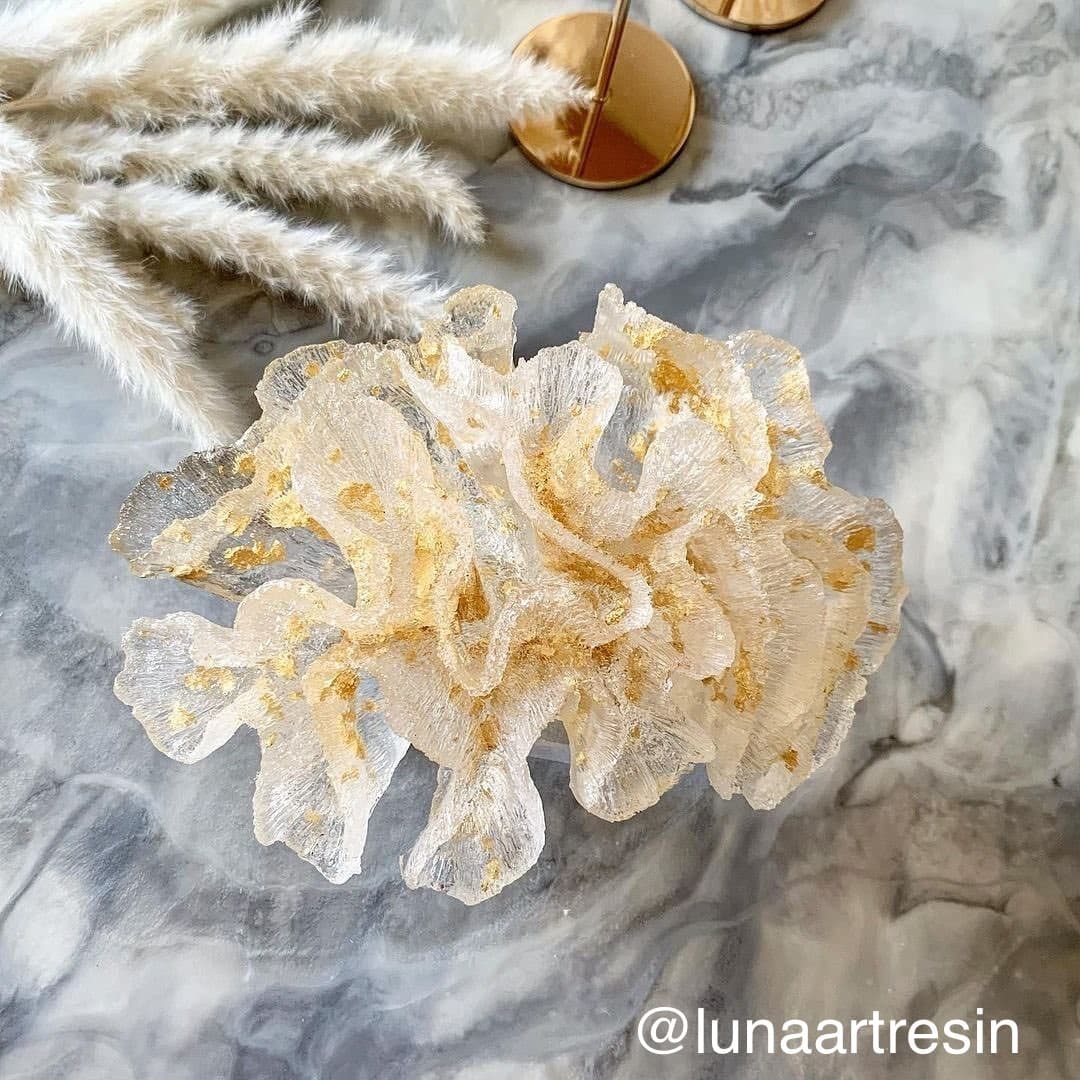
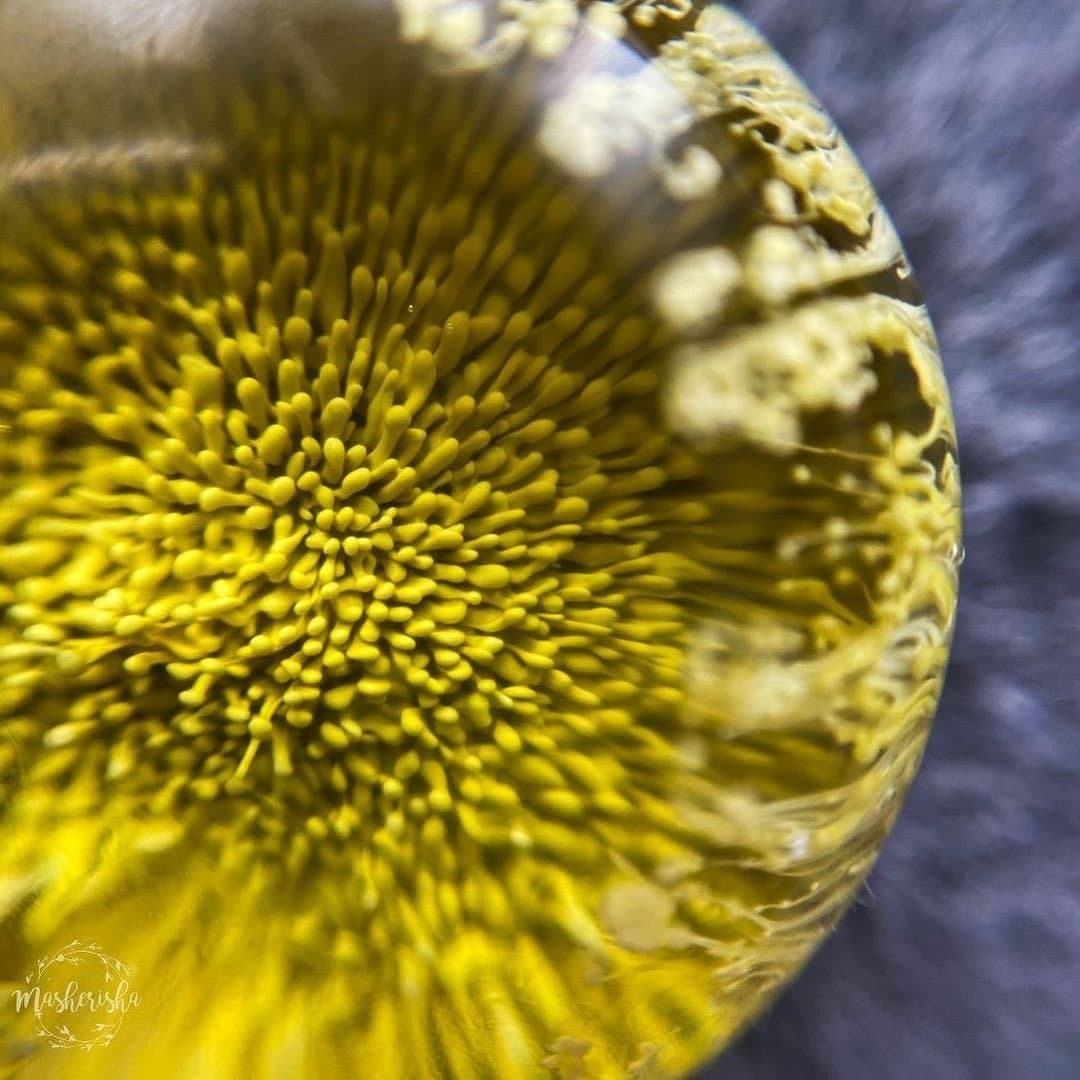
Step 2: Mix and Colour Your Resin
Following your resin type, measure and mix the resin and hardener exactly as recommended. Epoxy systems such as Liquidissima typically require precise ratios—stir slowly to minimise bubbles. If you’re using UV resin, no mixing is required; it’s ready to use straight from the bottle.
Once mixed, you can tint the resin with pigments or carefully incorporate dried flowers for a unique look. Make sure pigments are compatible with your resin choice for the best clarity and cure.
Step 3: Pour or Cast Into the Mould
Slowly pour the prepared resin into clean, dry silicone ring moulds. Trapped air bubbles are a common pitfall—work slowly and use a suitable resin. For UV resin like UV–Creation, pour directly into the mould and position inclusions with tweezers, then cure under a UV lamp as directed (often 2–3 minutes).
For epoxy resin, gently tap or flex the mould to encourage bubbles to rise and pop on the surface, or use a heat gun very briefly. Allow epoxy to cure undisturbed for the time indicated on your product—usually several hours to overnight. Use only moulds designed for epoxy or UV resin to avoid deformations.

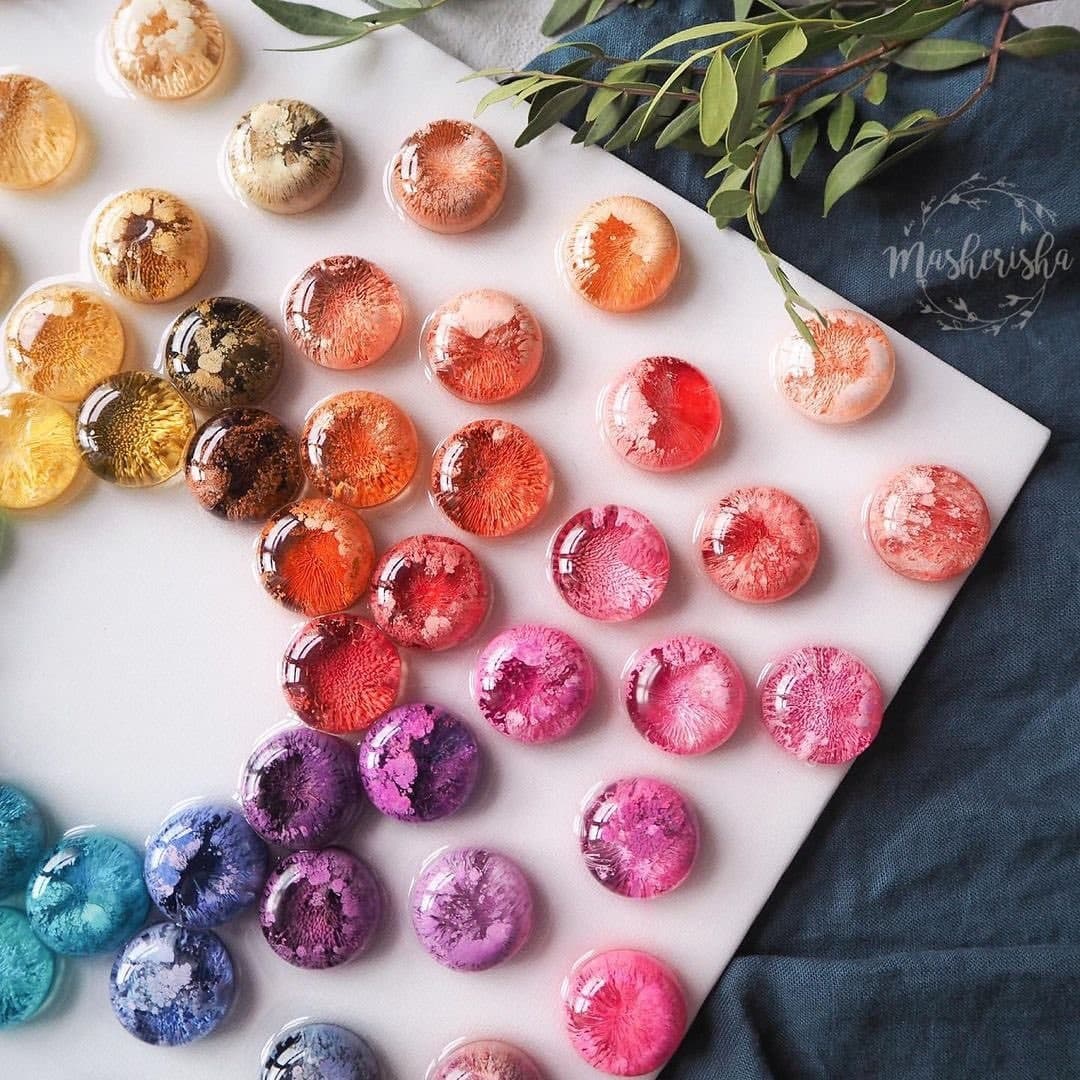
Step 4: Demould and Finish the Resin Ring
Once fully cured, gently remove the ring from the mould. Some edges may need refinement; sand uneven areas starting with a fine grit, progressing to a polish for a glass-like finish. Crystal-clear finishes are achievable with careful technique. Rinse to remove debris and allow to dry.
If creating design features or incorporating metal findings, drill or mount them now, securing with a suitable adhesive. Installing findings correctly is vital for durability.
Tips and Common Mistakes in Resin Ring Making
Avoid overfilling the mould, as this will make sanding and polishing more difficult. Always check for full cure before removing from the mould—rings left too soft may distort. Experiment with colourants sparingly to maintain transparency, and test small batches until you perfect your method. Avoid overfilling the mould for a better professional polish.
Gallery of unique resin ring creations
Explore creative variations: Inspiration images showcase clear, colourful, floral, and marbled resin rings to fire your imagination for future projects.
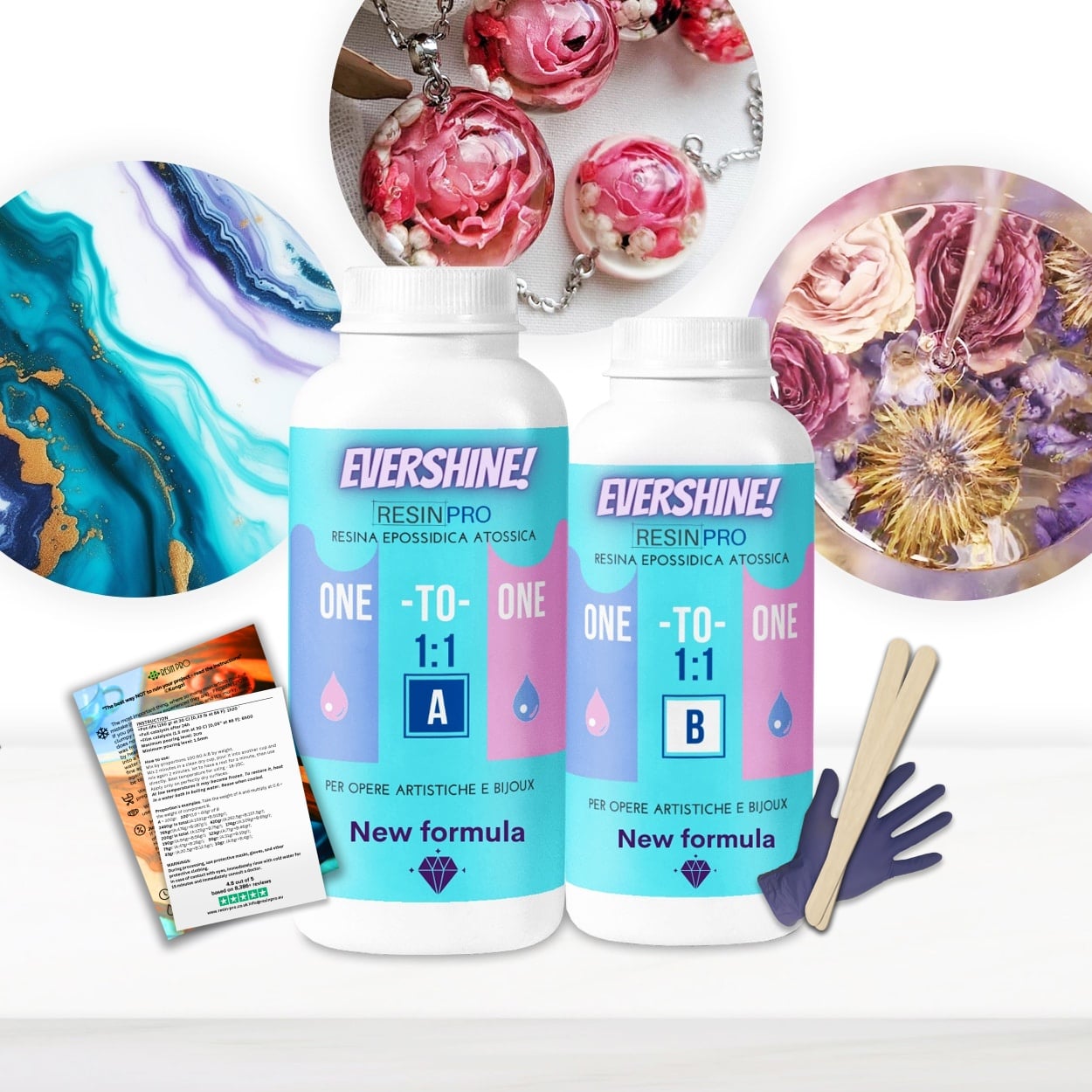
- "Evershine Collection" – Artisan Jewellery Epoxy Resin Kit with 100+ Accessories£21.95The Evershine Collection offers a complete starter kit with clear epoxy resin and over 100 accessories, suitable for jewellery making within the…
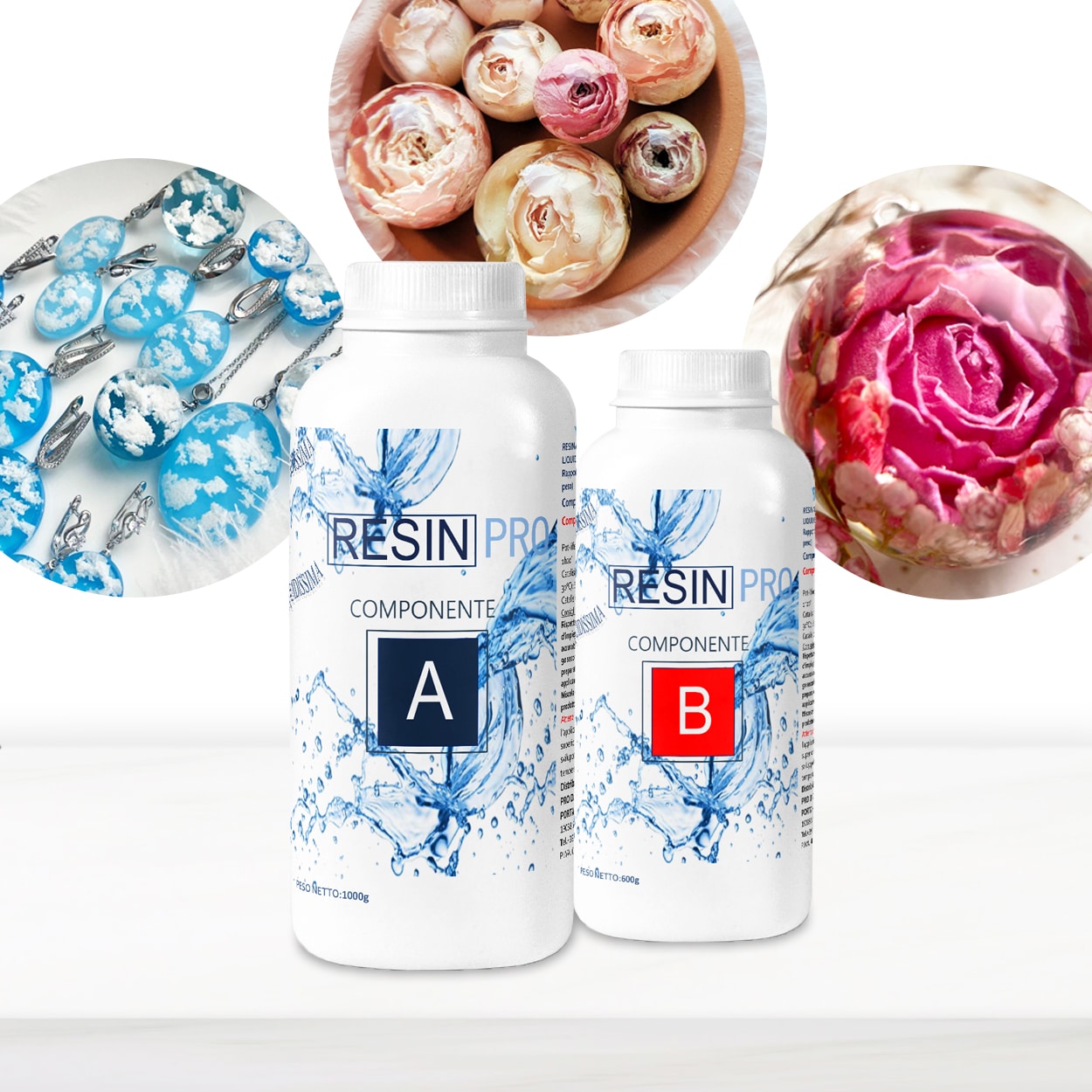
- "Liquidissima" – Epoxy Resin For Creations & JewelleryPrice range: £12.85 through £31.85"Liquidissima" epoxy resin offers high clarity and is suitable for detailed moulds, supporting the theme of how resin rings are made.
- "One-2-One" – Epoxy Resin for Handcraft, 1:1 Mixing RatioPrice range: £15.95 through £59.95"One-2-One" epoxy resin is a medium viscosity resin with a 1:1 mixing ratio, suitable for jewellery and decorative crafts.
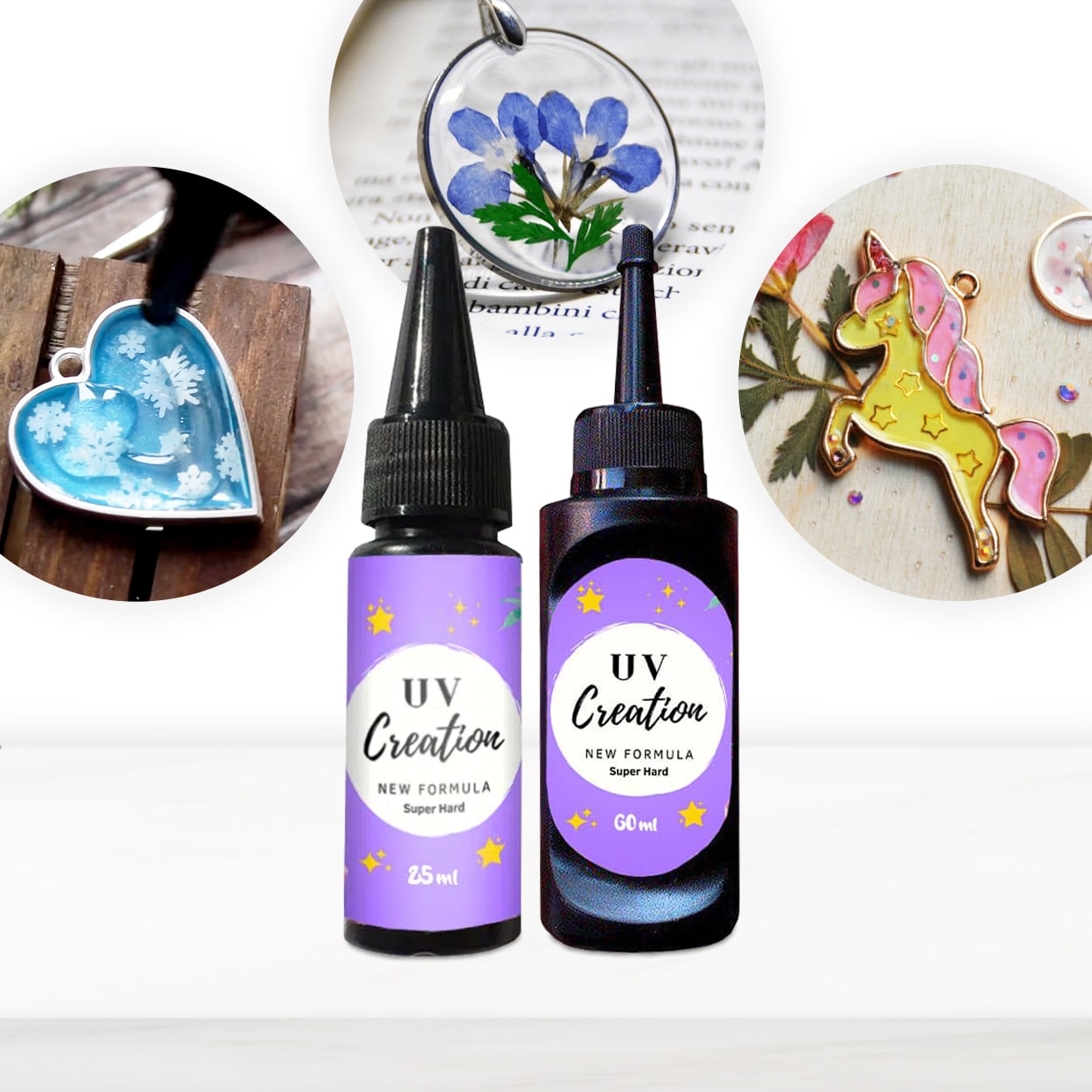 "UV–Creation" – Fast Acrylic Resin, 3 Minute UV CurePrice range: £8.45 through £62.95UV–Creation resin cures rapidly to a clear, glossy finish, suitable for jewellery making and crafting with a fast 3-minute UV cure.
Frequently Asked Questions
What is the best type of resin for making clear rings?
Epoxy resins formulated for jewellery, like Liquidissima, produce crystal-clear results suitable for intricate, transparent designs.
How do I prevent bubbles from appearing in my resin rings?
Mix resin slowly, use low-viscosity formulas, and tap moulds after pouring to let bubbles rise and escape.
Is UV-cured resin suitable for making rings?
Yes, UV resin allows for rapid curing and is ideal for quick projects, as long as the mould is designed for UV resins.
How long does it take resin rings to cure before demoulding?
UV resin cures in minutes under a lamp; epoxy resins may need up to 24 hours to cure fully before rings are removed from moulds.
How should I finish or polish resin rings for a professional look?
Sand rough edges using fine grit sandpaper and polish for a gloss finish; take your time with each step for best results.
Are resin rings strong enough for everyday wear?
Properly cured and finished resin rings are durable for regular use, but avoid exposing them to harsh chemicals or prolonged water contact.