 Free shipping on orders over £29,85
  Shipping Tracking!


 Google
 Facebook
How to repair corrugated resin sheets?
Guide for fixing cracks or holes in corrugated panels

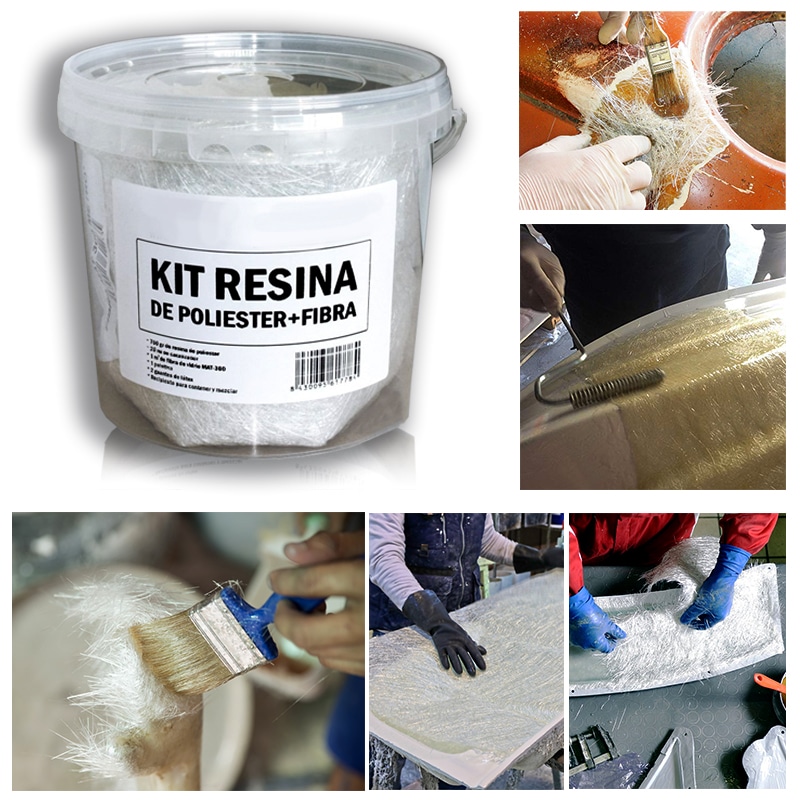
Damaged corrugated resin sheets can lead to leaks, reduced strength, and further structural problems. This comprehensive guide explains exactly how to repair holes, cracks or general wear in corrugated resin panels, helping you restore their durability and waterproofing. Whether the affected area is on a roof, a canopy, or as part of an external panel, follow these steps to ensure a lasting, professional repair.
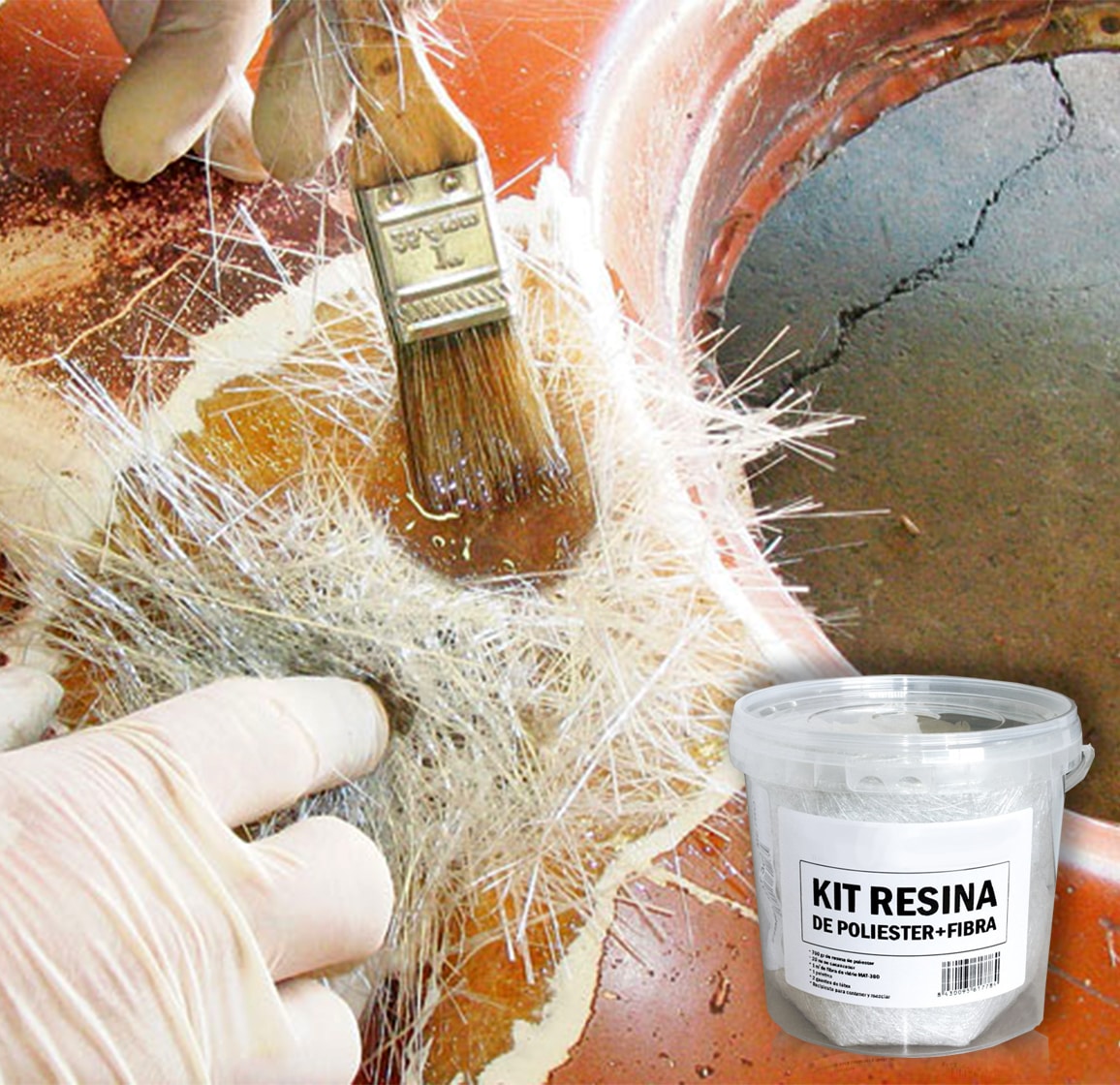
What You’ll Need
- Resin Fibreglass Repair Kit – Complete Polyester Resin and Hardener Set – for full reinforcement of larger cracks or holes
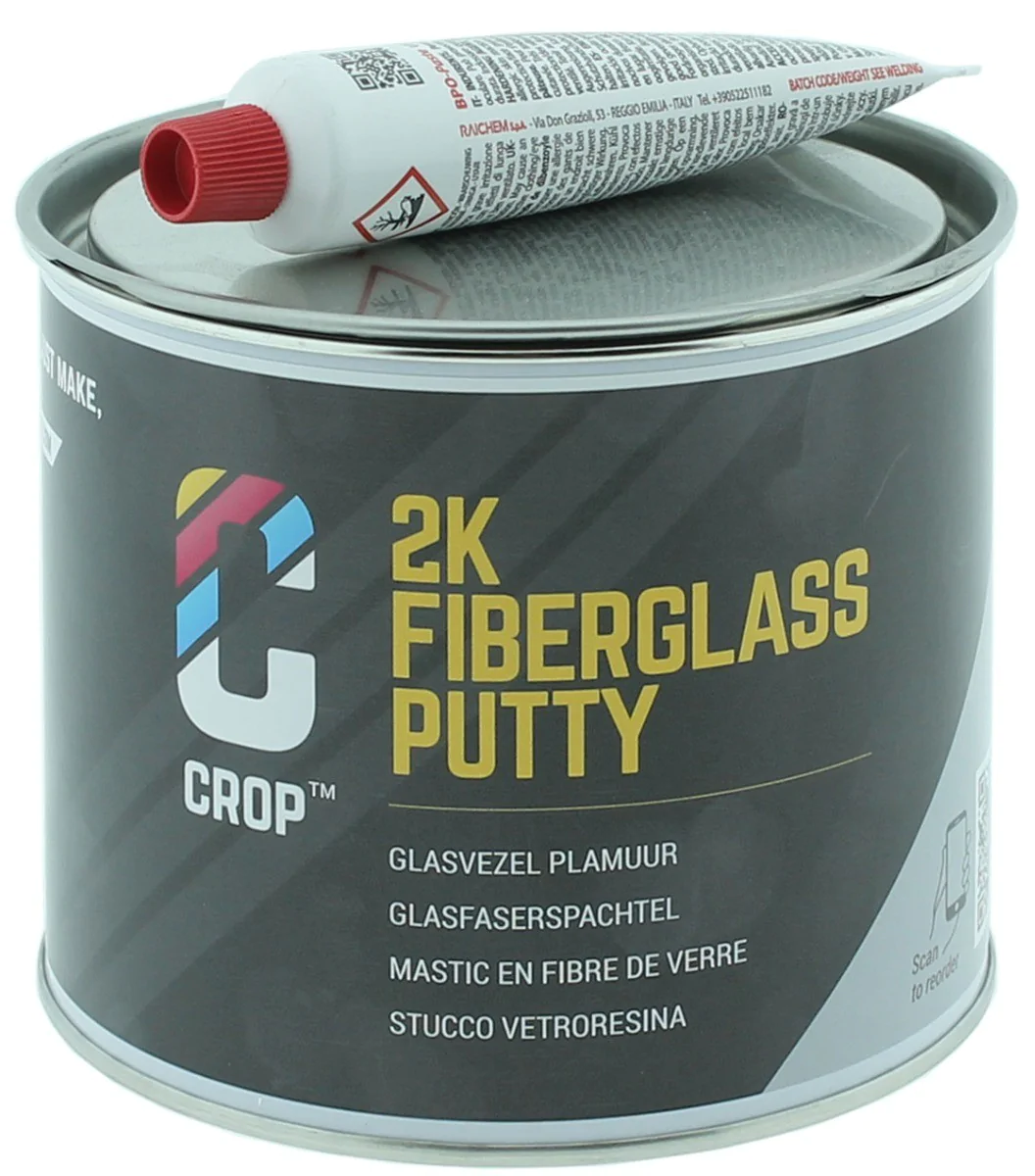
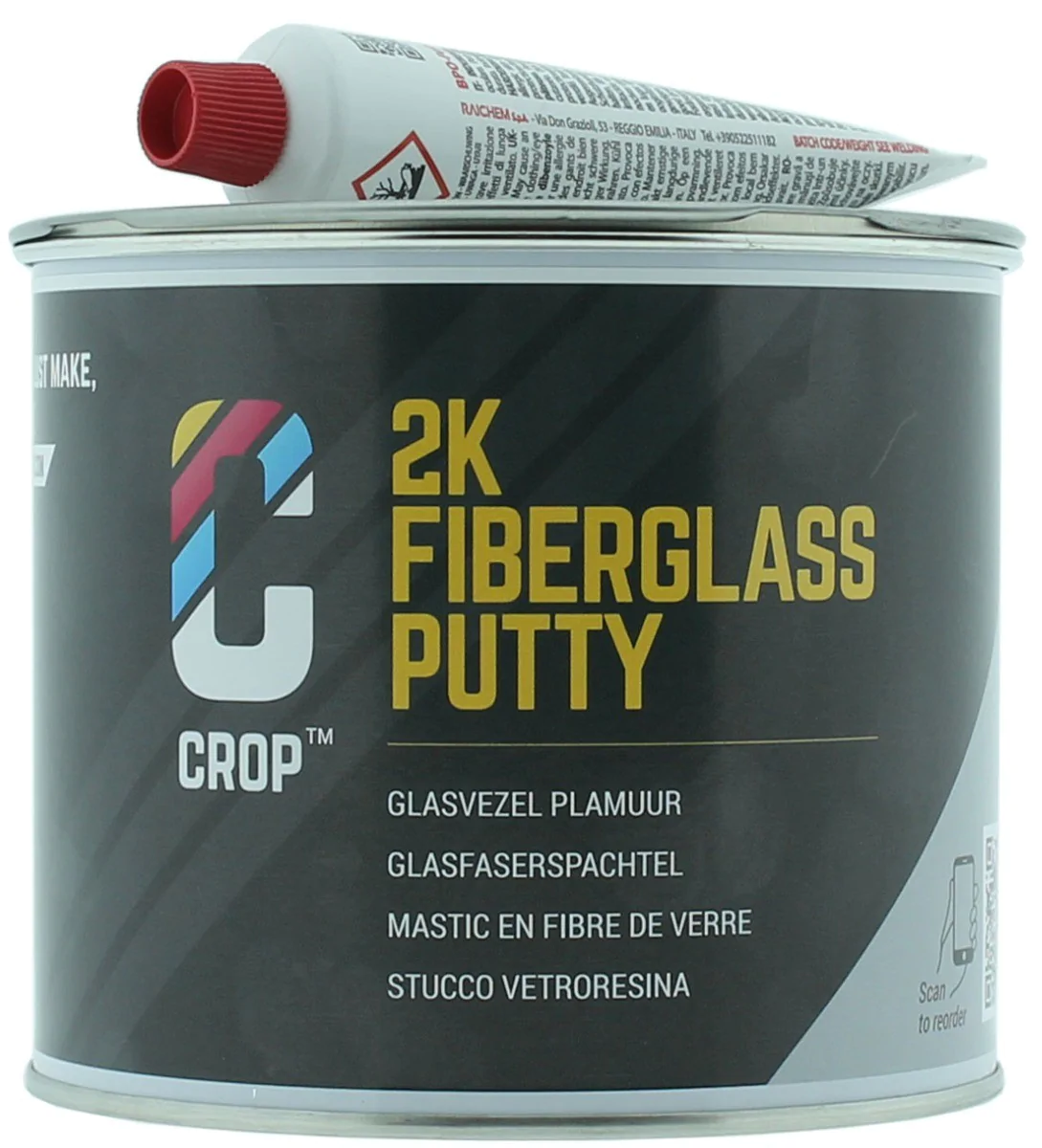
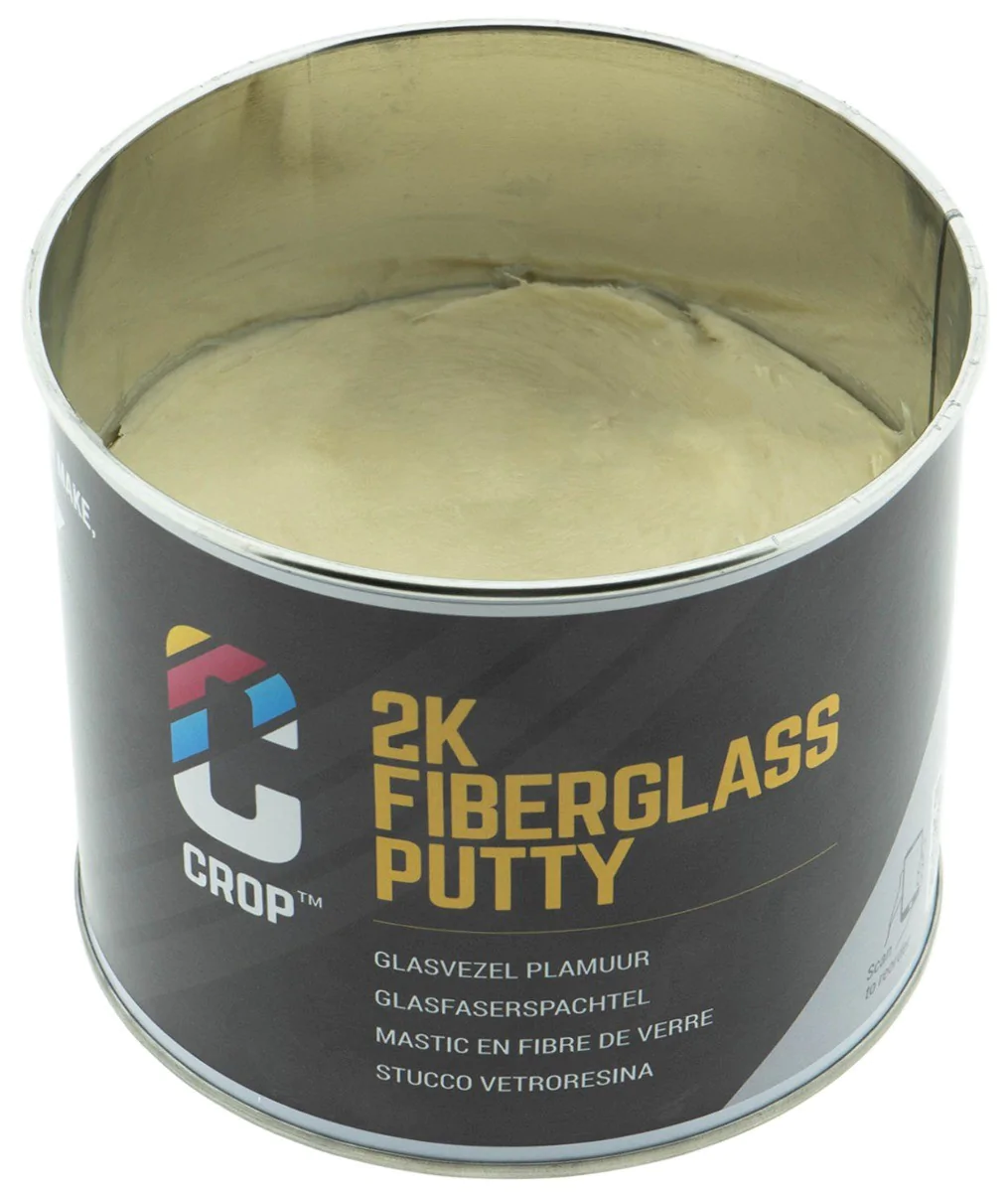
- CROP 2K Fiberglass Putty – 750 ml + Hardener – to fill smaller cracks and imperfections
- “FixExpress” – Two-Component Epoxy Glue 500g – ideal for quick fixes or tightly bonding detached edges
- Clean cloths, abrasive pad or fine sandpaper, gloves, mixing containers, suitable mask
- Protective covering for surrounding surfaces
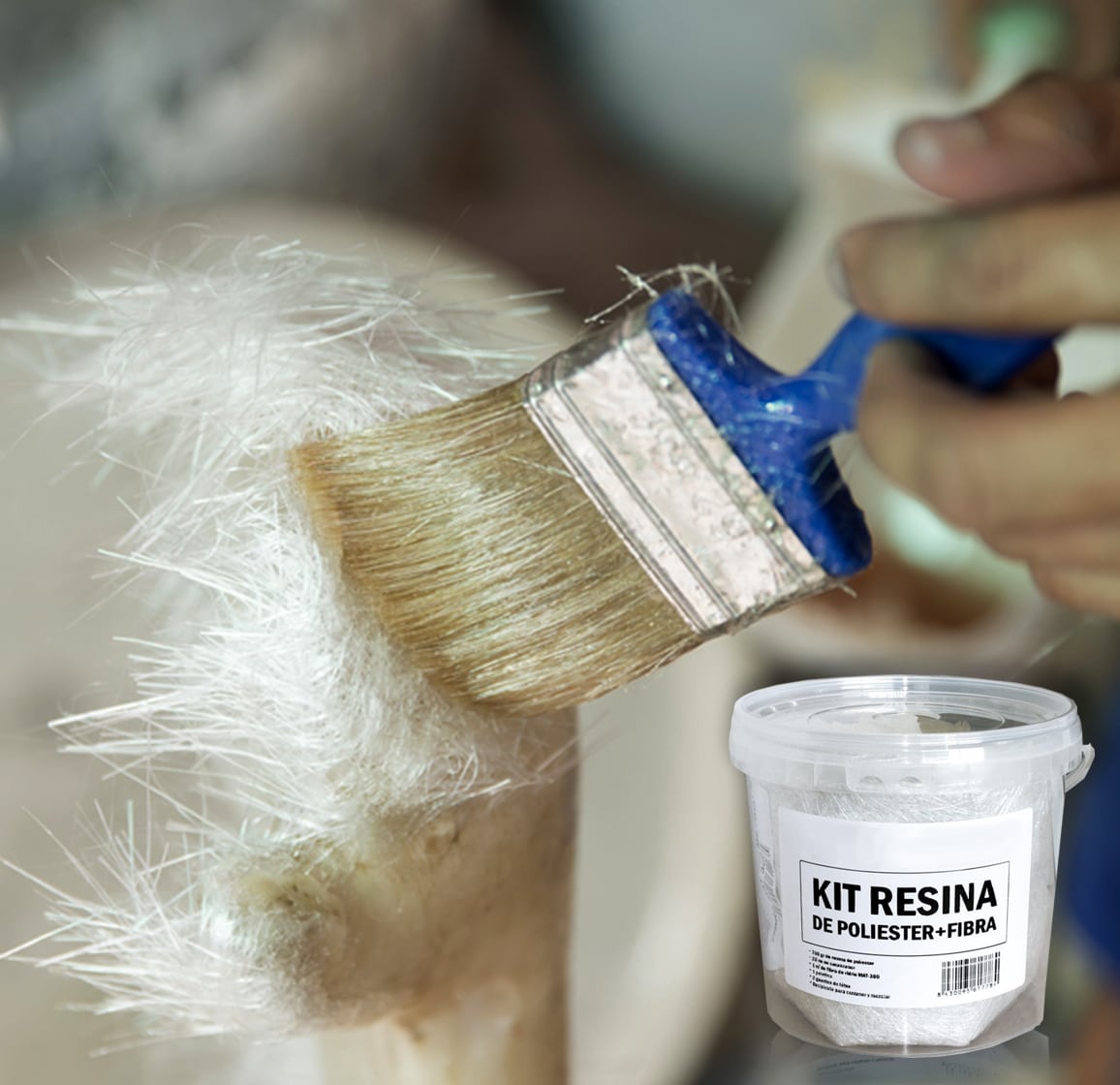
See Essential Tools and Materials for Corrugated Sheet Repair
Explore all supplies used in these steps, from fibreglass repair kits to specialist fillers and fast-setting adhesives. Browse complete resin repair kits for convenience and reliability in your next project.
Step 1: Prepare and Clean the Damaged Area
Begin by thoroughly inspecting the corrugated resin sheet for all visible and hidden damage. Mark the affected zones to ensure you do not miss any weaknesses. Wear gloves, and gently wipe the area with a clean, dry cloth to remove dust, dirt, mould, and grease. For best results, lightly scuff the surface with a fine abrasive pad or sandpaper, extending 3–5 cm beyond the damaged zone to provide a good key for the repair material. Thorough surface preparation is essential for any repair, as contaminants can prevent adhesives and resins from bonding properly.
Step 2: Fill Holes, Cracks, or Gaps
If the damage consists of small cracks or chips, use a suitable filler. CROP 2K Fiberglass Putty – 750 ml + Hardener is perfect for this stage. Mix and apply as per the instructions, working it firmly into any crevices or recesses. Smooth the surface and allow to cure. For larger holes or when the sheet structure is compromised, you may need to reinforce with fibreglass matting and resin, as described in the next step.
Where the sheet is separated along seams or edges, and a rapid, strong bond is required, “FixExpress” – Two-Component Epoxy Glue 500g can provide a quick, secure join. Work in manageable sections to ensure a precise finish.
Step 3: Reinforce with Resin and Fibreglass (for Structural Repairs)
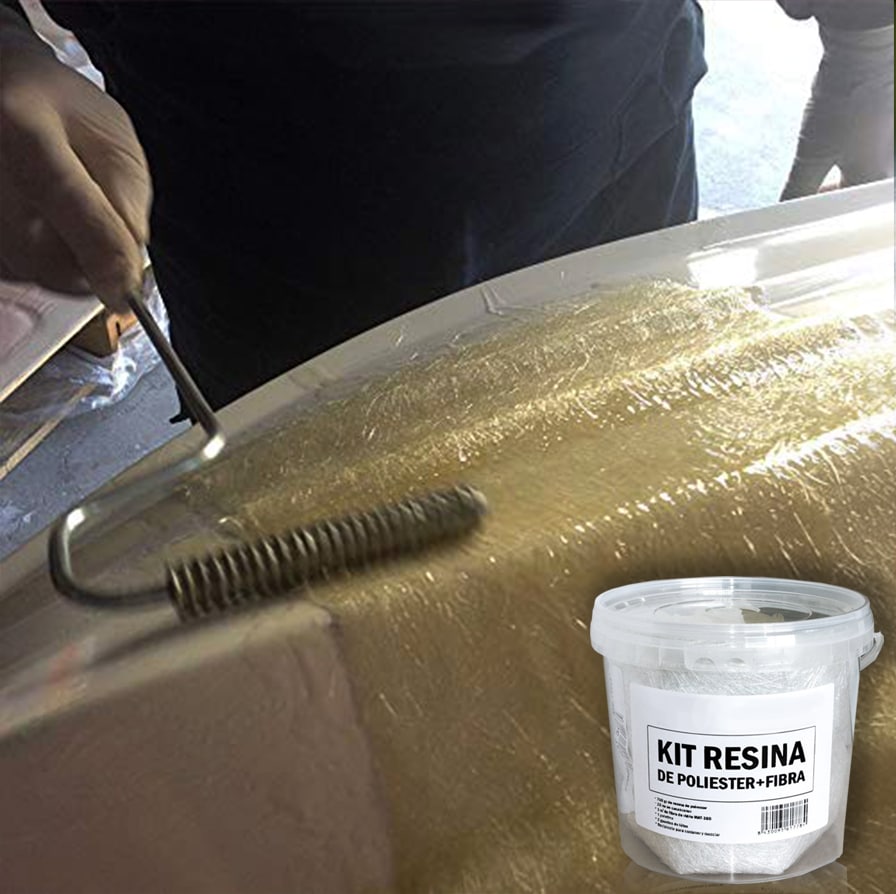
For cracks or openings that affect the integrity of the corrugated sheet, reinforcing with resin and fibreglass mat is crucial. Prepare the fibreglass mat, cutting it to fit over the area with at least a 2–3 cm overlap beyond the damage. Mix the Resin Fibreglass Repair Kit – Complete Polyester Resin and Hardener Set following the manufacturer’s instructions. Using the supplied brush, saturate the mat and surrounding area with resin, gently pressing the mat in place to remove air bubbles. Add further resin on top for full impregnation. Allow each layer to cure fully before proceeding—this ensures a strong, waterproof repair.
Step 4: Sand, Smooth, and Finish the Repair
When the repair area is fully hardened, carefully sand it using progressively finer grades of sandpaper to achieve a flush surface with the rest of the sheet. Take care not to sand too aggressively, as this can weaken the newly repaired area. Remove any fine dust with a microfibre cloth before applying a final coat of compatible topcoat or paint if required. Avoid rushing the finishing stage, as proper smoothing and sealing helps extend the lifespan of your repaired panel.
Tips, Common Mistakes, and Safety Advice
Successful repairs depend on your attention to detail and adherence to safety. Always wear gloves and a mask when sanding or handling resin products. Avoid working in damp or humid conditions, which can affect curing. Follow product instructions precisely—incorrect resin ratios or application can lead to weak bonds. If you’re tackling a larger or load-bearing section, reinforce generously with resin and mat. Never attempt surface repairs on sheets that are structurally unsound overall—in that case, full replacement may be safer.

Examples of Sheet Repairs and Finishing Results
Properly repaired corrugated resin sheets restore waterproof protection and structural strength. Smooth, seamless finishes ensure longevity and can be sanded and painted to blend with the original profile for a visually discreet repair.
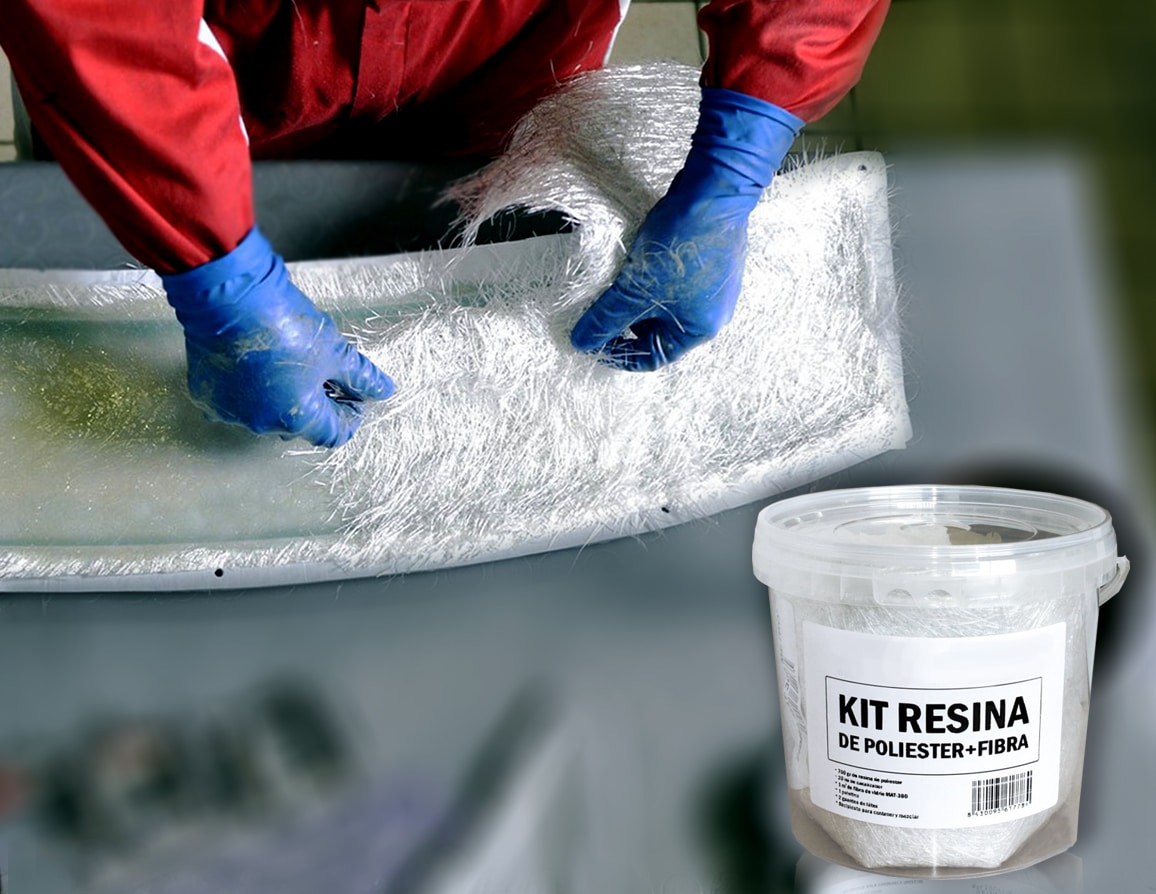
- Resin Fibreglass Repair Kit – Complete Polyester Resin and Hardener SetThe Resin Fibreglass Repair Kit provides waterproof structural reinforcement with polyester resin and fibreglass mat for repairs related to the theme.
- CROP 2K Fiberglass Putty – 750 ml + Hardener£15.85CROP 2K Fiberglass Putty is a fibreglass-reinforced polyester putty designed for strong repairs and smooth finishing in the theme How to repair…
- "FixExpress" – Two-Component Epoxy Glue 500g£26.95"FixExpress" provides rapid repairs and strong adhesion in minutes, suitable for various materials relevant to sheet repairs.
 "Carbon Resin" – Epoxy Resin for Carbon Fiber & Fiberglass CoatingPrice range: £19.95 through £37.95Epoxy resin designed for carbon fibre and fibreglass with effective impregnation and structural integrity.
Frequently Asked Questions
What materials are required to repair cracks or holes in corrugated resin sheets?
Commonly required materials include abrasive pads, cloth, protective gloves, fibreglass repair kits, epoxy putty, and rapid-setting adhesives.
Can the repaired zone be painted to match the rest of the sheet?
Yes, once fully cured and sanded smooth, most repaired areas can be primed and painted for a neat finish.
How should small cracks or chips in corrugated resin sheets be repaired?
Clean the area and use a specialist epoxy or fibreglass putty to fill and seal small cracks. Allow to cure fully before sanding.
What is the best way to repair and reinforce large holes in corrugated resin sheets?
For structural holes, use a fibreglass mat with resin to bridge and reinforce the damaged area, providing extra strength.
What steps help ensure a resin sheet repair is durable and long-lasting?
Focus on thorough surface preparation, precise mixing, correct curing times, and finishing to achieve maximum durability.
Are DIY repairs on corrugated resin panels safe?
Yes, provided you follow safety guidance, wear PPE, and do not attempt to repair severely compromised structures.