 Free shipping on orders over £29,85
  Shipping Tracking!


 Google
 Facebook
← Back to How do you prepare the resin?


Knowing how much resin to mix is vital to avoid waste and ensure the success of your project. Estimating the required quantity sets you up for a smooth crafting experience every time.
Estimating Resin Quantities
Start by measuring the volume or surface area of your mould or base. For moulds, you can fill them with water first to gauge the volume, then dry them thoroughly before pouring resin. For coatings, multiply the length by the width and the desired thickness to estimate the amount needed. Most resins should be mixed only in the exact amount required, as they cannot be stored once combined.
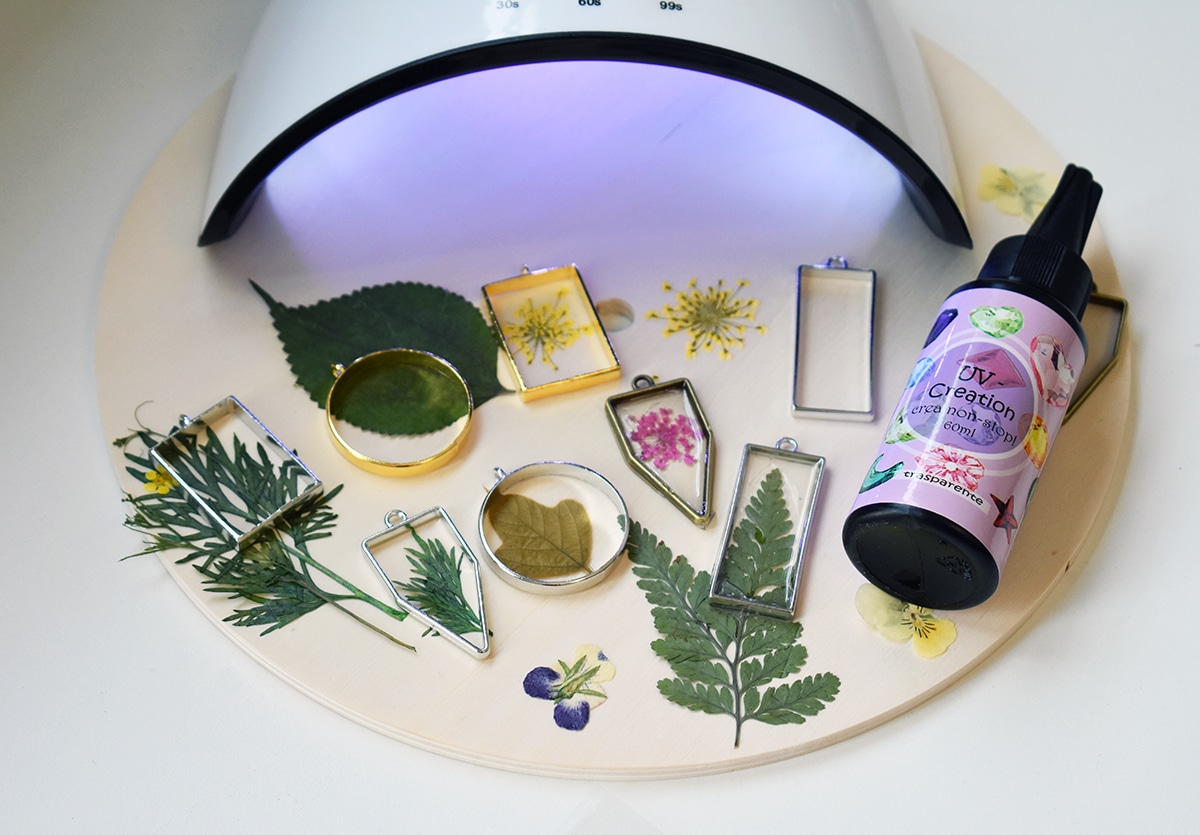

Mixing Ratios and Preparation
Always check your resin’s instructions for specific mixing ratios, as this affects the final outcome. For example, One-2-One epoxy resin requires a simple 1:1 ratio by volume, which is ideal for beginners. If you’re using water-based or single-component resins, the instructions may differ – water is added to the mineral resin for activation, not another chemical part. Prepare only what you need, and mix thoroughly to ensure even results.
Practical Tips for Efficient Mixing
- Use calibrated measuring cups for accuracy.
- Mix a small test batch if you’re trying a new mould or shape.
- Plan for a small surplus (about 5-10%) to account for spills but avoid large excess.
- If uncertain, consider a resin class to boost your confidence and technique.
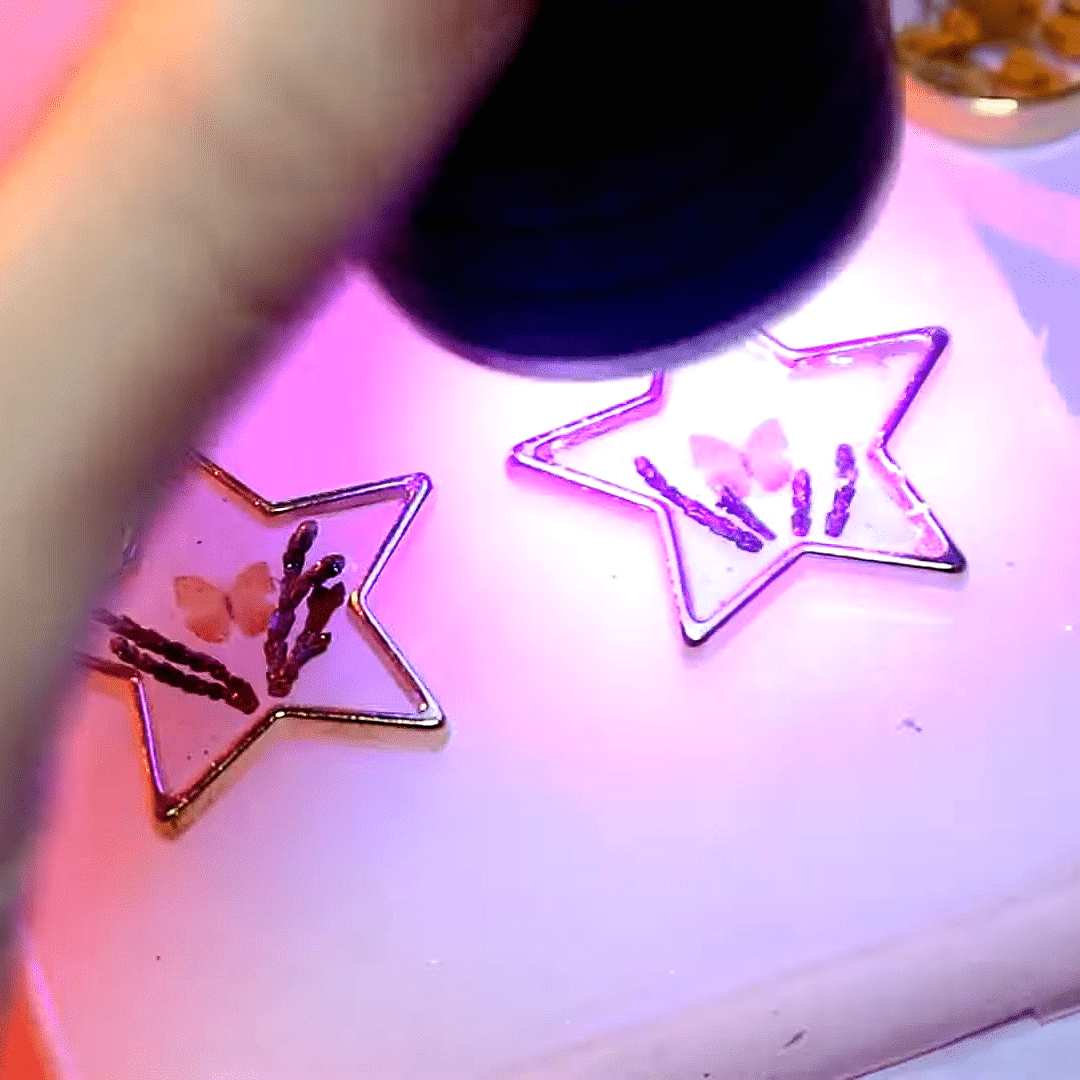
When This Matters
Mixing the right amount of resin is especially important for jewellery making, coaster casting, and bespoke art projects, where precise amounts help prevent waste and costly mistakes.
Related products
Related guides
Accurate resin measurement and mixing lead to professional results and efficient use of materials. For more insights into resin preparation and tips suited to your project, explore the full guidance on how to prepare the resin.